
Entertainment Districts
Pick a neighborhood to start exploring
Belgisches Viertel
4/5SafeGuide to the Belgisches Viertel (Belgian Quarter) in Cologne, a hip residential and nightlife district with cocktail bars, indie clubs, and a relaxed late-night scene around Brüsseler Platz.
7 nightlife spots listed
Eigelstein
3/5ModerateDistrict guide to the Eigelstein area in Cologne, the city's main red-light district near the Hauptbahnhof.
11 nightlife spots listed
Hohe Pforte
3/5ModerateDistrict guide to Hohe Pforte in Cologne, the city's primary red-light area centered on Hornstrasse and the Pascha building, one of Europe's largest licensed brothels.
6 nightlife spots listed
District Map of Cologne
Pick a district to recenter the map and see hotels nearby.
Where to stay in Cologne
Compare hotels and rentals across the city's nightlife districts.
See places to stay and current pricesOverview
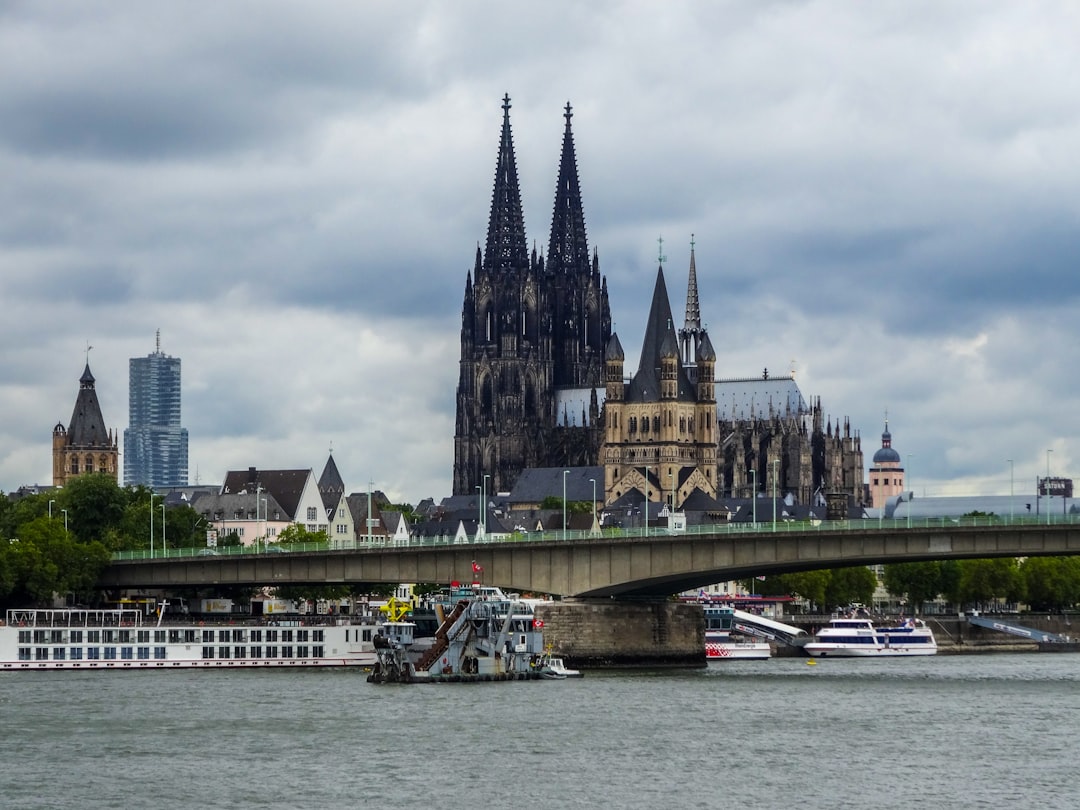
Cologne is the fourth-largest city in Germany and the cultural anchor of the Rhineland. The city sits on both banks of the Rhine, dominated by the twin spires of the Cologne Cathedral. It's a place that prizes tolerance, humor, and social ease. Carnival season (Karneval) turns the entire city into a party for nearly a week every February, and that uninhibited spirit runs through Cologne's character year-round.
Local contacts verified current conditions for this guide.
The adult entertainment scene here is smaller and more dispersed than in Hamburg or Frankfurt. There's no single famous strip like the Reeperbahn. Instead, Cologne's red-light activity clusters around the Eigelstein area near the Hauptbahnhof, with Laufhaus venues and adult businesses scattered through several neighborhoods. The city's tolerant Rhineland culture means the scene operates openly, but quietly.
Cologne was home to Pascha, once billed as Europe's largest brothel. Its closure during the pandemic marked a significant shift in the city's adult entertainment scene. The scene has adapted, redistributed, and continued in different forms.
Legal Context
The same federal German laws that govern Hamburg and Berlin apply in Cologne. Sex work is legal and regulated under the 2002 Prostitution Act and the 2017 Prostitute Protection Act. Workers must register, venues must hold licenses, and health counseling is mandatory.
North Rhine-Westphalia, the state where Cologne sits, has historically taken a pragmatic approach to regulation. The city designates zones where adult entertainment operates, enforces licensing requirements, and directs police resources toward trafficking prevention and exploitation.
Street-based sex work is restricted to designated areas under Sperrbezirk regulations. Licensed indoor venues, including Laufhaus establishments and adult bars, operate throughout the year with standard regulatory oversight.
Key Areas
Eigelstein. The street and surrounding blocks north of the Hauptbahnhof form Cologne's traditional red-light area. Laufhaus establishments, adult shops, and nightlife venues mix with restaurants, kebab shops, and regular neighborhood businesses. The area has a multicultural character and a lived-in feel that distinguishes it from purpose-built entertainment zones.
Pascha. The 12-story building on Hornstrasse, near the Hansaring, operated as Europe's largest brothel for over two decades. Over 120 workers occupied rooms across multiple floors, and the building included a nightclub, strip club, and restaurant. Pascha filed for insolvency in 2020, unable to survive the pandemic closure. As of 2026, the building's future remains uncertain, with various redevelopment proposals and potential reopening plans discussed. Check current status before visiting, as the situation has been fluid.
Friesenviertel. This neighborhood near the Friesenplatz has several adult venues, including smaller Laufhaus establishments and adult bars. The area is more upscale than Eigelstein and sits closer to the commercial center of the city.
Outskirts FKK/sauna clubs. Several FKK and sauna clubs operate in the Cologne metropolitan area, typically in industrial zones accessible by car. These follow the standard German model of flat entry fees with separate service charges.
Safety
Cologne is a safe city by European standards. The adult entertainment areas don't present major safety concerns beyond standard urban awareness:
- The Eigelstein area can feel rough at night, with some drug activity and street drinking, but violent crime against visitors is rare
- Licensed Laufhaus establishments are professionally run and secure
- Pickpocketing is common around the Hauptbahnhof and in the Altstadt tourist area, especially during carnival
- Police maintain a visible presence around the Hauptbahnhof and in the Altstadt
- Emergency numbers: 112 (medical/fire), 110 (police)
Carnival warning: During Karneval (typically late February), Cologne transforms into a massive open-air party. Millions of people flood the city center, alcohol consumption is extreme, and normal social boundaries shift dramatically. The adult entertainment venues remain open and often extend hours. But the streets themselves become unpredictable. Pickpocketing peaks, drink spiking incidents increase, and the sheer volume of intoxicated people creates situations that don't exist at any other time of year. Exercise extra caution.
Costs and Pricing
Cologne is expensive by German standards, though slightly below Frankfurt and Munich.
Laufhaus/Eros center rates:
- Quick visit: EUR 30-50
- 30 minutes: EUR 50-80
- 1 hour: EUR 80-150
FKK clubs (regional):
- Entry: EUR 40-60 (includes facilities and food)
- Services: EUR 50-60 for 30 minutes
Bars and restaurants:
- Kolsch beer (standard 200ml glass): EUR 2-3
- Cocktails: EUR 9-13
- Doner or falafel: EUR 4-6
- Casual restaurant meal: EUR 12-18
- Mid-range dinner: EUR 25-40 per person
Transport:
- KVB single ticket (city zone): EUR 3.20
- 24-hour pass: EUR 8.80
- Deutschlandticket: EUR 63/month
Accommodation:
- Hostel dorms: EUR 20-35
- Budget hotels: EUR 50-80
- Mid-range: EUR 80-140
- Upscale near Dom: EUR 150-300+
During Karneval week, hotel prices double or triple. Book months in advance if visiting during carnival season.
Cultural Context
Cologne's Rhineland culture is famously easy-going. The local saying "leben und leben lassen" (live and let live) applies to how the city treats its adult entertainment scene. There's less hand-wringing here than in more conservative German cities, and the general attitude is one of tolerance without active celebration.
Karneval shapes everything. During the carnival season, the city's usual social rules relax dramatically. Strangers kiss, costumes blur identities, and the normal German reserve evaporates in a haze of Kolsch beer and confetti. This has historically made carnival week a peak period for the adult entertainment industry, with venues extending hours and workers from other cities arriving to meet demand.
The LGBTQ+ community is large and visible in Cologne, centered around the Rudolfplatz and Schaafenstrasse area. The city hosts one of Germany's largest Pride celebrations (CSD) each summer. This inclusive atmosphere contributes to the overall tolerant character of the nightlife scene.
Social Scene
Belgisches Viertel (Belgian Quarter) is where Cologne's young professionals drink. Bars and restaurants line Aachener Strasse and Brusseler Strasse. The crowd is well-dressed, the cocktails are good, and the atmosphere is sociable without being rowdy.
Kwartier Lateng around Zülpicher Strasse caters to the university crowd. Cheap bars, student parties, and a high density of people in their early twenties. The atmosphere is casual and meeting strangers is easy, especially on weekend nights.
Ehrenfeld has become Cologne's alternative neighborhood. Former industrial spaces host bars, clubs, and cultural venues. The social scene here is creative, international, and less polished than the Belgian Quarter.
The Altstadt (Old Town) along the Rhine draws tourists and locals alike, particularly to the Brauhaus restaurants serving Kolsch beer. These traditional beer halls, like Früh am Dom and Gaffel am Dom, are social by design. You share long tables with strangers, and conversation flows naturally. Kolsch arrives in small 200ml glasses, and servers (Kobes) bring fresh rounds automatically until you place your coaster on top of your glass.
Local Dating Notes
Cologne people (Kolner) are more outgoing than the German stereotype suggests. The Rhineland temperament is warmer, more humorous, and more open to spontaneous social interaction. Don't be surprised if strangers strike up conversations in bars. The carnival spirit, even outside carnival season, gives the city a sociability that's rare in Germany.
Best Times
- Karneval (usually late February): Peak activity across all venues, but also peak chaos, prices, and crowds
- Thursday to Saturday evenings are busiest year-round
- Summer brings outdoor drinking culture along the Rhine
- Weekday afternoons are quiet for those who prefer a low-key visit
- Major trade fairs at Koelnmesse push hotel prices up but also increase demand at venues
Getting Around
- KVB trams and buses: Cover the entire city efficiently. Line 1 connects the Hauptbahnhof to the Eigelstein area
- S-Bahn: Connects the Hauptbahnhof to the broader region
- Walking: Central Cologne is compact. The Dom, Altstadt, Eigelstein, and Belgian Quarter are all within a 20-minute walk of each other
- Taxis: Available at stands near the Hauptbahnhof and throughout the center
- Ride-hailing: Uber and Free Now operate in Cologne
- Cycling: The city has an expanding bike infrastructure, though cobblestone streets in the Altstadt can be uncomfortable
What Not to Do
- Do not photograph or film inside any adult venue or Laufhaus
- Do not haggle aggressively. Prices are fairly standard
- Do not visit during Karneval expecting a calm, organized experience. It's controlled chaos
- Do not leave drinks unattended, especially during carnival week
- Do not assume that festive carnival behavior extends beyond carnival. Normal social rules apply the rest of the year
- Do not confuse the Brauhäuser (beer halls) with adult venues. They're traditional restaurants
- Do not park in residential areas near Eigelstein to observe the neighborhood. Residents notice
Get the Legal Status PDF, 50 countries
Newsletter signup coming soon. Check back shortly.
Flights to Cologne
Compare prices across airlines. Filter by stops, time, and cabin.
Airport transfer to Cologne
Pre-booked transfers cost about the same as a metered taxi but cut out the airport queue, the meter argument, and the "no English" routine that takes some drivers to the wrong address. Fixed price quoted before booking, driver tracks your flight, waits with a name sign at arrivals.
Book a KiwiTaxi transferFrequently Asked Questions
Related Guides
Belgisches Viertel
Guide to the Belgisches Viertel (Belgian Quarter) in Cologne, a hip residential and nightlife district with cocktail bars, indie clubs, and a relaxed late-night scene around Brüsseler Platz.
Read guideEigelstein
District guide to the Eigelstein area in Cologne, the city's main red-light district near the Hauptbahnhof.
Read guideHohe Pforte
District guide to Hohe Pforte in Cologne, the city's primary red-light area centered on Hornstrasse and the Pascha building, one of Europe's largest licensed brothels.
Read guideWas this guide helpful?