

Before You Travel to Ukraine
Five things every smart traveler sorts before booking.
- 1
Passport valid 6+ months from entry date
Most countries refuse entry on passports expiring within six months. Renew now if you're close.
- 2
Visa requirements for Ukraine
Some are visa-free, some require an e-visa filed days ahead, some need an embassy appointment.
- 3
Travel insurance booked
A hospital visit in Ukraine can run $4,000-15,000 without cover. Credit card insurance usually excludes alcohol-related incidents.
- 4
eSIM data plan ready before landing
Airport SIM kiosks need your passport and overcharge tourists. Install an eSIM in 60 seconds, online before you fly.
- 5
Accommodation reserved in the right district
The wrong neighborhood means a 45-minute taxi every night. Map the venues first, then book.
City Guides in Ukraine
Kyiv
City guide to nightlife in Kyiv, covering the wartime club scene, curfew logistics, air raid protocols, and the districts where bars and clubs still operate under martial law.
Lviv
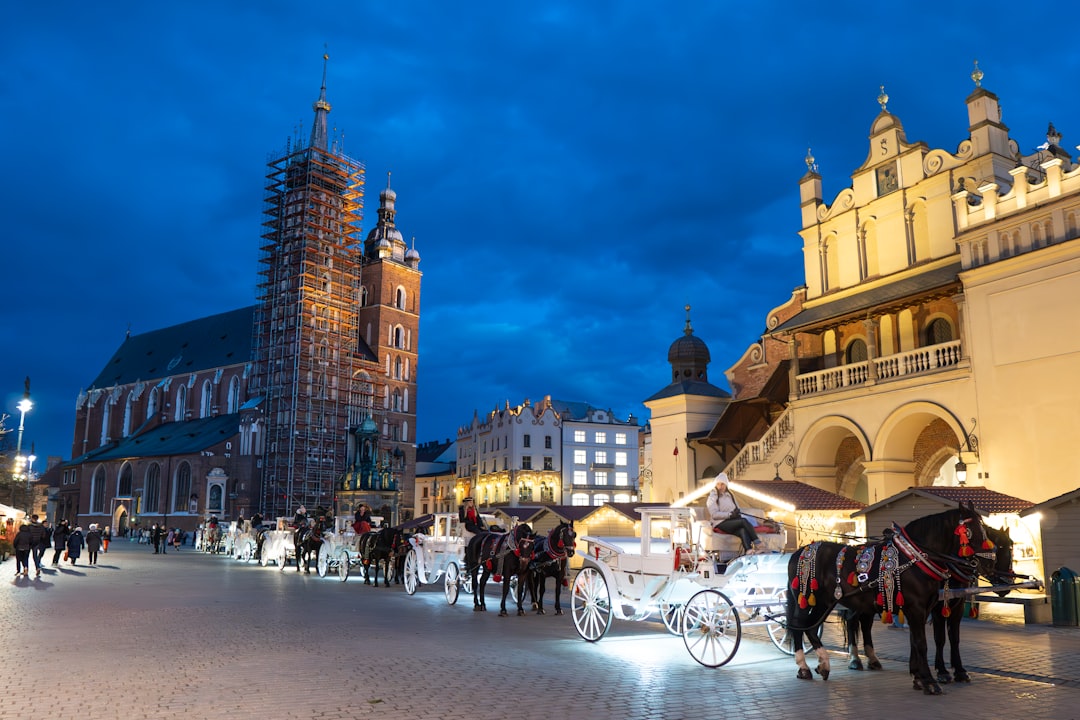
City guide to nightlife in Lviv, covering the old town bar scene, wartime social dynamics, curfew details, and practical tips for Ukraine's western cultural capital.
Compare hotels in Ukraine
Hotels, hostels, and short-term rentals across the country's main nightlife cities.
Legal Framework
Prostitution is illegal in Ukraine under the Code of Administrative Offenses, with fines for both selling and buying sexual services. Penalties range from UAH 850 to UAH 11,900 (roughly $20-290 USD). Organizing or profiting from prostitution is a criminal offense under Article 303 of the Ukrainian Criminal Code, carrying prison sentences of three to eight years. Trafficking offenses carry sentences of up to fifteen years.
Information verified through local contacts as of March 2026.
No legal framework exists for regulated sex work. Ukraine has signed the Council of Europe Convention on Action against Trafficking and has received pressure from international organizations to strengthen enforcement. The law on paper treats all forms of commercial sex as prohibited.
Since the introduction of martial law in February 2022, some legal enforcement priorities have shifted dramatically. Military and security concerns dominate police resources.
Enforcement Reality
Before the full-scale invasion, enforcement was inconsistent. Police targeted street-level activity in periodic sweeps while online platforms and apartment-based operations functioned with minimal interference. Corruption played a role; bribes often replaced formal penalties.
The war changed everything. Police and security services focus on military matters, checkpoints, curfew enforcement, and national defense. Vice enforcement has dropped on the priority list in most cities. That said, martial law grants authorities broad powers, and interactions with police carry more unpredictability than before the war.
Foreign visitors face a unique situation. Male tourists of fighting age may encounter questions about their purpose in the country. Military checkpoints operate on major highways and city approaches. Carrying identification at all times is mandatory.
Cultural Context
Ukraine is culturally Orthodox Christian with strong family values, though major cities developed secular, European-oriented social scenes over the past two decades. Kyiv's nightlife was internationally recognized before the war, with venues like Closer and Chi earning reputations across Europe.
The war has reshaped social life profoundly. Many Ukrainians view excessive partying as disrespectful while the country fights for survival. Some venues frame their operations as morale support for civilians and off-duty military. Others have closed permanently. The cultural mood is one of resilience mixed with grief, and visitors should calibrate their behavior accordingly.
Lviv, as a western city far from the front lines, has absorbed millions of internally displaced people and developed a wartime social scene that balances normalcy with awareness. The city's Austro-Hungarian architecture and cafe culture predate Soviet rule, giving it a Central European character distinct from Kyiv.
Dating Culture
Ukrainian dating culture was evolving rapidly before the war. Apps like Tinder, Bumble, and Badoo had strong user bases in Kyiv and Lviv. English proficiency among young Ukrainians in major cities is moderate to good.
The war has changed the dating pool significantly. Millions of Ukrainian women left the country as refugees. Many men are serving in the military or restricted from leaving. The demographic imbalance is real and affects social dynamics.
Foreign men in Ukraine during wartime attract curiosity and sometimes suspicion. Some Ukrainians appreciate the solidarity of visitors; others question why a foreigner would visit during a war. Be prepared for direct questions. Honesty works better than evasion.
Romance scams targeting foreigners remain common online. Profiles requesting money, visa sponsorship, or cryptocurrency transfers before meeting in person are fraudulent. Standard verification applies: video call first, meet in public.
Key Cities
Kyiv is Ukraine's capital with a pre-war population of roughly 3 million. The city has endured regular missile and drone strikes since 2022. Nightlife continues in a reduced form, with venues operating around curfew restrictions and closing when air raid alerts sound. Some of Europe's most acclaimed underground venues, including Closer, survived and adapted to wartime conditions.
Lviv sits 70 kilometers from the Polish border in western Ukraine. It has been less directly affected by strikes, though alerts are frequent. The city's population swelled with internally displaced people, and its cafe and bar culture remains active. Lviv is the more accessible option for visitors concerned about safety.
Costs
Ukraine remains affordable for visitors spending foreign currency. The Ukrainian hryvnia (UAH) trades at roughly 41 UAH per USD and 45 UAH per EUR as of early 2026.
Beer at a bar costs UAH 60-120 ($1.50-3 / EUR 1.30-2.70). Cocktails at upscale bars run UAH 200-400 ($5-10 / EUR 4.45-8.90). Wine by the glass costs UAH 100-250 ($2.45-6.10 / EUR 2.20-5.55). Club entry fees range from free to UAH 500 ($12.20 / EUR 11.10) at top venues.
Street food is cheap. Varenyky (dumplings) cost UAH 80-150 ($2-3.65). A sit-down meal at a mid-range restaurant runs UAH 300-600 ($7.30-14.60 / EUR 6.65-13.35). Fine dining in Kyiv tops out around UAH 1,500-3,000 ($36.60-73.15) per person.
Bolt operates as the main ride-hailing service. Cross-city trips in Kyiv cost UAH 80-200 ($2-4.90). Kyiv metro costs UAH 8 ($0.20) per ride.
Hotels start at UAH 800-1,500 ($19.50-36.60) for budget options. Mid-range rooms run UAH 1,500-4,000 ($36.60-97.55). Upscale hotels in Kyiv charge UAH 4,000-10,000+ ($97.55-244+) per night.
Safety Considerations
This is a country at war. That fact overrides all other safety considerations.
- Air raid alerts can sound at any time, day or night. When sirens activate, move immediately to the nearest shelter. Hotels, metro stations, and marked buildings serve as shelters. This is not optional
- Martial law imposes curfews that vary by city and change without warning. In Kyiv, the curfew has typically run from midnight to 5 AM, though hours shift. Violating curfew can result in detention
- Power outages from infrastructure attacks are common, especially in winter. Carry a power bank and flashlight
- Do not photograph military equipment, checkpoints, or damaged infrastructure. This can result in confiscation of your phone or detention
- Keep your passport and documents on your person at all times. Checkpoints are routine
- Male visitors between 18 and 60 may face questions at borders and checkpoints. Ukrainian men in this age range are generally prohibited from leaving the country
- Travel insurance that covers war zones is extremely limited. Verify your coverage before arriving
- Western Ukraine (Lviv, Uzhhorod, Ivano-Frankivsk) sees fewer strikes than central and eastern areas but is not immune
- Emergency number: 112
What Not to Do
- Do not treat Ukraine as a normal tourist destination. It's a war zone. Respect that reality
- Do not ignore air raid sirens. People have died from strikes during alerts
- Do not violate curfew. Military patrols enforce it, and the consequences are serious
- Do not discuss the war casually or express opinions about Ukraine's strategy to strangers. Feelings run deep
- Do not take photographs of military positions, equipment, or personnel
- Do not display excessive wealth or party ostentatiously. The optics matter in a country where people are dying
- Do not travel east of the Dnipro River without understanding the risks. Active combat zones are closer than they appear on maps
- Do not assume that a quiet day means safety. Missile strikes come without warning
Sources
- U.S. Department of State: Ukraine Travel Advisory - Entry requirements, safety alerts, and local law summary
- UK Foreign, Commonwealth & Development Office: Ukraine Travel Advice - Safety, health, and legal information for travelers
- Australian Government Smartraveller: Ukraine - Travel advisory and practical information
Get the Legal Status PDF, 50 countries
Newsletter signup coming soon. Check back shortly.
Emergency Information: Ukraine
- Emergency:
- 112
- Embassy Note:
- Many embassies relocated operations from Kyiv to Lviv or neighboring countries after February 2022. Check your government's current advisory for consular access.
Also Worth Considering
Bulgaria
Sofia's underground clubs and Sunny Beach's mega-venues make Bulgaria a growing Eastern European nightlife destination. Cheap drinks, attractive women, and a legal gray area that keeps things loosely unregulated.
Moldova
Moldova's nightlife is concentrated in Chisinau, where Soviet-era infrastructure meets a growing bar scene. Low prices, attractive women, and minimal tourist infrastructure define the experience.
Poland
A rising nightlife destination in Central Europe with legal but unregulated adult entertainment, affordable prices in PLN, and a growing club scene in Warsaw and Krakow.
Romania
Bucharest's Old Town packs cheap drinks and loud clubs into a walkable strip. Romania's nightlife runs late, costs little, and draws a young crowd across its university cities.
Similar Countries in Other Regions
Countries with a similar overall score to Ukraine (3.3) but in different parts of the world.
Austria
3.3Central Europe
Vienna's regulated nightlife scene, from Gurtel bar strips to Prater party zones. Fully legal and licensed, with German-speaking Europe's most structured approach.
Chile
3.3South America
Santiago and Valparaiso offer South America's most orderly nightlife scene, with cocktail bars, live music, and a late-night culture shaped by Chilean reserve and European influence.
Haiti
3.3Caribbean
Haiti's nightlife is extremely limited and concentrated in Petionville, the upscale hillside suburb of Port-au-Prince. Gang violence, kidnapping risk, and political instability make this one of the most dangerous destinations in the Western Hemisphere.
Was this guide helpful?