
District Guides
Click through for street-level detail
Khreshchatyk
1/5DangerousDistrict guide to Khreshchatyk in Kyiv, covering Ukraine's main boulevard, its rooftop bars, wartime clubs, and the nightlife that continues under martial law and air raids.
5 nightlife spots listed
Podil
1/5DangerousDistrict guide to Podil in Kyiv, covering the historic riverside neighborhood's craft beer bars, underground clubs, cocktail spots, and wartime nightlife under curfew and air raids.
5 nightlife spots listed
District Map of Kyiv
Pick a district to recenter the map and see hotels nearby.
Where to stay in Kyiv
Compare hotels and rentals across the city's nightlife districts.
See places to stay and current pricesOverview
Kyiv sprawls across both banks of the Dnipro River, a city of golden-domed churches, Soviet boulevards, and modern glass towers. Before the full-scale invasion in February 2022, it was a European capital with a thriving nightlife scene that attracted DJs and party tourists from across the continent. Venues like Closer, Chi, and Skybar were fixtures on best-of lists.
Local contacts verified current conditions for this guide.
The war didn't kill Kyiv's nightlife. It transformed it. Venues now operate within curfew windows, closing hours before they would have in peacetime. Air raid alerts interrupt sets and send crowds to shelters. Some clubs run generators during power outages. The energy on the dance floor carries something heavier than it used to: defiance, grief, and a fierce determination to live normally in abnormal times.
Legal Context
Ukrainian law prohibits prostitution. Fines range from UAH 850 to UAH 11,900. Kyiv's police force is stretched thin by wartime duties, and vice enforcement ranks far below military security, checkpoint operations, and curfew patrols.
Martial law grants authorities expanded powers of search, detention, and movement restriction. Interactions with police and military personnel should be handled calmly and cooperatively. Always carry identification.
Drug laws remain on the books, and possession charges can still be prosecuted. The practical risk is lower than pre-war, but the consequences if caught haven't changed.
Key Areas
Podil. Kyiv's oldest neighborhood, sitting on the flat ground between the hills and the river. This is where most of the surviving nightlife concentrates. Craft beer bars, cocktail spots, and cultural venues line the streets around Kontraktova Square. Closer, one of Europe's most respected underground venues, operates from a former factory in this district.
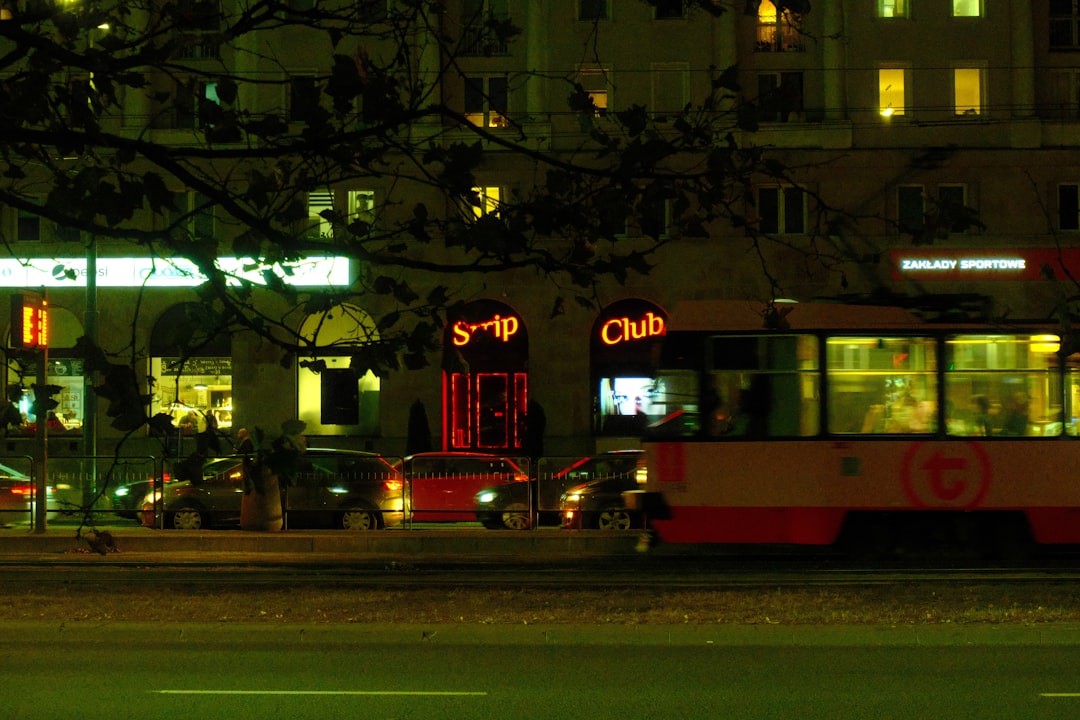
Khreshchatyk. Kyiv's central boulevard runs from European Square to Bessarabska Square. The avenue itself holds a few clubs and bars, with more options on the side streets climbing uphill. Skybar sits atop a building overlooking the avenue. The Passage and Arena City complexes concentrate several venues in one area.
Pechersk. The government district southeast of Khreshchatyk has upscale restaurants, hotel bars, and a quieter nightlife atmosphere. Not a primary destination for bar-hopping but worth knowing about for dinner and drinks.
Safety
Kyiv is a war zone. This cannot be overstated.
- Missile and drone attacks target Kyiv regularly. Strikes hit residential buildings, infrastructure, and public spaces. When the air raid siren sounds, go to the nearest shelter immediately. The Kyiv metro system doubles as bomb shelters
- The curfew changes based on the security situation. As of early 2026, it typically runs midnight to 5 AM. Military patrols enforce it. Getting caught outside during curfew means detention and questioning
- Power outages are common, especially from October to March when Russia targets energy infrastructure. Carry a power bank, flashlight, and keep your phone charged
- Kyiv's tap water was safe before the war but infrastructure damage has made filtration unreliable. Drink bottled water
- Keep your passport on you at all times. Military and police checkpoints operate throughout the city
- Do not photograph anything military: vehicles, personnel, checkpoints, air defense positions, or strike damage
- Emergency services may be slow to respond during active attacks. Know the location of your nearest shelter before you need it
- Bolt works for transport. The metro runs during daytime hours and serves as shelter during alerts
Cultural Norms
Kyiv's wartime social scene operates with unwritten rules that visitors must understand.
- Many Ukrainians find excessive partying offensive while the country is at war. Keep your behavior measured. Loud, drunk foreigners in a city under bombardment create a terrible impression
- If an air raid alert sounds while you're at a bar, follow the staff's lead. Some venues have basement shelters. Others evacuate to nearby stations. Do not ignore the alert or joke about it
- Conversations about the war are everywhere. Ukrainians will ask where you're from and why you're visiting. Be honest and respectful. Many have lost family members or friends
- The Ukrainian language has gained prominence since the invasion. Speaking Ukrainian (or at least attempting it) is appreciated more than Russian, though most Kyivans are bilingual
- Tipping 10% at restaurants is standard. Service charges are sometimes included; check the bill
- Dress casually. Kyiv's wartime dress code is practical. Nobody is wearing clubwear to bars
Transportation
- Metro: Three lines cover central Kyiv. UAH 8 ($0.20) per ride. Runs approximately 6 AM to midnight. Doubles as air raid shelter during alerts
- Bolt: The primary ride-hailing app. Trips across central Kyiv cost UAH 80-200 ($2-4.90). Surge pricing applies during alerts as demand spikes
- Walking: Central Kyiv is walkable. Khreshchatyk to Podil is about 25 minutes on foot downhill. Uphill returns are steeper
- Buses and trams: Run during daytime. Less reliable than pre-war schedules. UAH 8 per ride
- Intercity: Trains to Lviv run regularly (5-7 hours). UZ (Ukrainian Railways) operates despite the war, though delays from security incidents occur
Best Times to Visit
This section assumes you've decided to visit despite the security situation.
- Late spring and early summer (May through June): The longest daylight hours mean more time before curfew. Weather is warm, outdoor terraces open, and the chestnut trees that line Kyiv's boulevards are in bloom
- Autumn (September through October): Pleasant weather, fewer tourists than summer, and the cultural season resumes with concerts and exhibitions
- Winter (November through February): The most difficult period. Short days, cold temperatures, frequent power outages, and intensified Russian strikes on energy infrastructure. Nightlife continues but conditions are harsh
- Summer (July through August): Warm but humid. Many Kyivans leave the city if they can. The nightlife crowd thins
Get the Legal Status PDF, 50 countries
Newsletter signup coming soon. Check back shortly.
Flights to Kyiv
Compare prices across airlines. Filter by stops, time, and cabin.
Airport transfer to Kyiv
Pre-booked transfers cost about the same as a metered taxi but cut out the airport queue, the meter argument, and the "no English" routine that takes some drivers to the wrong address. Fixed price quoted before booking, driver tracks your flight, waits with a name sign at arrivals.
Book a KiwiTaxi transferFrequently Asked Questions
Related Guides
Khreshchatyk
District guide to Khreshchatyk in Kyiv, covering Ukraine's main boulevard, its rooftop bars, wartime clubs, and the nightlife that continues under martial law and air raids.
Read guidePodil
District guide to Podil in Kyiv, covering the historic riverside neighborhood's craft beer bars, underground clubs, cocktail spots, and wartime nightlife under curfew and air raids.
Read guideWas this guide helpful?