

Before You Travel to Tanzania
Five things every smart traveler sorts before booking.
- 1
Passport valid 6+ months from entry date
Most countries refuse entry on passports expiring within six months. Renew now if you're close.
- 2
Visa requirements for Tanzania
Some are visa-free, some require an e-visa filed days ahead, some need an embassy appointment.
- 3
Travel insurance booked
A hospital visit in Tanzania can run $4,000-15,000 without cover. Credit card insurance usually excludes alcohol-related incidents.
- 4
eSIM data plan ready before landing
Airport SIM kiosks need your passport and overcharge tourists. Install an eSIM in 60 seconds, online before you fly.
- 5
Accommodation reserved in the right district
The wrong neighborhood means a 45-minute taxi every night. Map the venues first, then book.
City Guides in Tanzania

Dar es Salaam
City guide to nightlife in Dar es Salaam, covering the Masaki-Oyster Bay bar scene, safety precautions, and practical tips for Tanzania's commercial capital.
Zanzibar
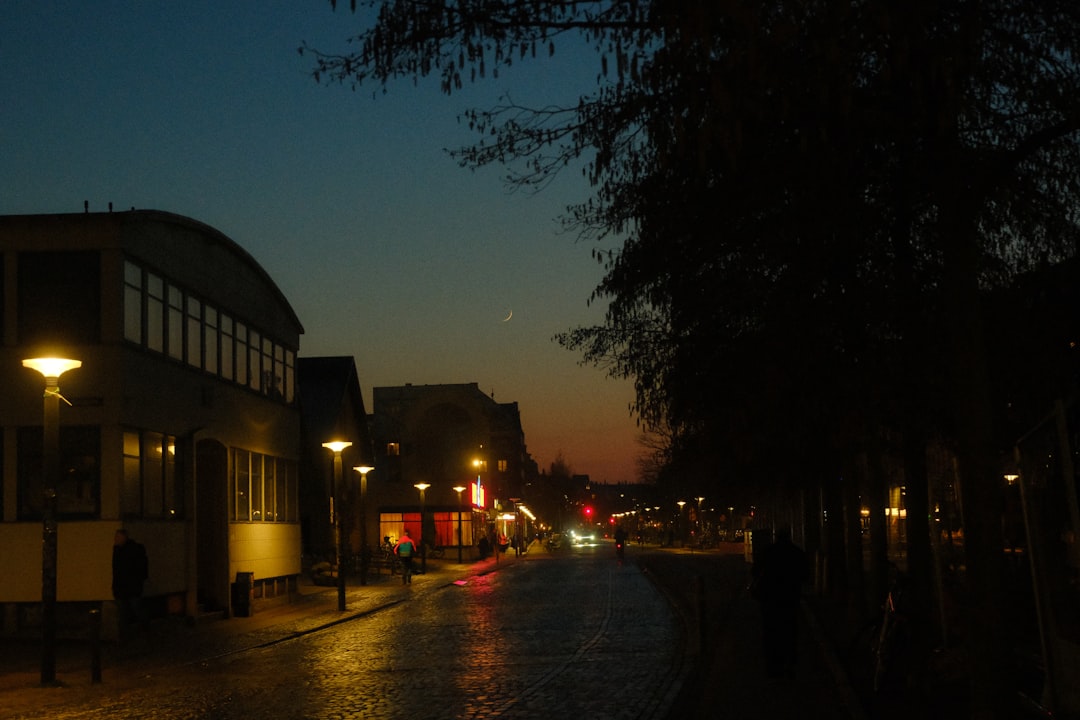
City guide to nightlife in Zanzibar, covering Stone Town's rooftop bars, tourist-oriented venues, safety tips, and practical details for Tanzania's island destination.
Compare hotels in Tanzania
Hotels, hostels, and short-term rentals across the country's main nightlife cities.
Legal Framework
Prostitution is illegal in Tanzania under the Penal Code (Sections 138-141), which criminalizes soliciting, living on the earnings of prostitution, and operating a brothel. Penalties range from one to ten years' imprisonment depending on the offense. The law applies equally to sex workers and those who organize or profit from the trade, though enforcement patterns differ sharply in practice.
Information verified through local contacts as of March 2026.
Tanzania has no regulatory framework for commercial sex work. The Anti-Trafficking in Persons Act of 2008 carries penalties up to 20 years for trafficking offenses. The country is a signatory to multiple international conventions on trafficking.
The legal position leaves no room for ambiguity. All commercial sex activity is prohibited, and no local government has authority to create exceptions.
Enforcement Reality
Enforcement is sporadic and corruption-driven. Police conduct occasional raids in known areas, particularly in Dar es Salaam's Sinza and Kinondoni neighborhoods and along tourist strips in Zanzibar. These operations tend to coincide with election cycles or international summits hosted in the country.
Bribes are common. Officers frequently demand payments from sex workers caught during sweeps rather than filing formal charges. The practical result is an industry that operates with unofficial tolerance in tourist areas while remaining technically criminal.
Foreign visitors at mainstream bars and clubs face virtually no legal risk. Street-level solicitation and unregistered establishments carry higher exposure. Tanzania's drug laws are severe, and cannabis possession can result in imprisonment despite its widespread availability.
Cultural Context
Tanzania is deeply conservative, shaped by a mix of Christian and Muslim influences. The mainland population is roughly split between the two faiths, while Zanzibar is predominantly Muslim. Public discussion of sex work is taboo across both communities. Family honor carries real weight, and social expectations around morality are strict.
Dar es Salaam breaks from this pattern somewhat. As the commercial capital and largest city, it has developed a nightlife culture that coexists uncomfortably with national conservative norms. The expat community, development workers, and a growing professional class frequent bars and clubs in the Masaki and Oyster Bay neighborhoods. This tolerance fades quickly outside the city's wealthier enclaves.
Zanzibar's tourism economy creates a separate dynamic. Stone Town's bars and rooftop lounges cater to international visitors, and the social atmosphere is more relaxed than the island's conservative Muslim majority might suggest. That said, Zanzibar's semi-autonomous government has periodically cracked down on perceived moral transgressions, and public behavior standards outside tourist areas remain strict.
Dating Culture
Tanzanian dating norms vary by setting and social class. Urban, educated Tanzanians in Dar es Salaam use dating apps, though the scene is smaller than in Kenya or South Africa. Tinder and Badoo both operate, with modest user bases. Outside Dar, dating follows traditional patterns where men initiate, demonstrate financial stability, and seek family approval.
Foreign men attract attention in both Dar es Salaam and Zanzibar. This attention is sometimes genuine interest and sometimes financially motivated. "Beach boys" in Zanzibar are a well-known part of the tourist scene, referring to young men who approach foreign women, but the dynamic runs in both directions.
Romance scams exist on dating platforms and in person. Requests for money, airtime, or mobile money transfers before establishing a real relationship are red flags. Meet in public, keep expectations grounded, and don't send money to people you've just met.
Key Cities
Dar es Salaam is Tanzania's largest city, commercial capital, and the center of its nightlife. With over 5 million people, it has developed a bar and club scene concentrated in the upscale Masaki and Oyster Bay peninsulas. The expat community, diplomats, and Tanzanian professionals drive the scene, which is small by regional standards but growing.
Zanzibar draws over 500,000 tourists annually and its Stone Town district has a collection of rooftop bars, restaurants, and small clubs aimed at visitors. The nightlife is tourist-oriented and seasonal, peaking from June through September and around December through February. Stone Town's UNESCO World Heritage status gives it a unique atmosphere, but the scene is compact.
Costs
Tanzania is cheap for visitors carrying foreign currency. The Tanzanian Shilling (TZS) has weakened considerably, making dollar and euro purchasing power strong.
Beer at a bar costs TZS 3,000-6,000 ($1.20-2.40 USD / EUR 1.10-2.20). Local spirits run TZS 2,000-5,000 ($0.80-2) per measure. Cocktails at upscale Dar es Salaam bars cost TZS 15,000-30,000 ($6-12). Club entry is typically free or TZS 5,000-20,000 ($2-8) at premium venues.
Street food is extremely affordable. A plate of chips mayai (omelette with fries) costs TZS 2,000-4,000 ($0.80-1.60). A sit-down meal at a mid-range restaurant runs TZS 15,000-35,000 ($6-14) per person. Fine dining in Dar es Salaam or Stone Town reaches TZS 50,000-100,000 ($20-40) per person.
Ride-hailing apps (Bolt operates in Dar; taxis in Zanzibar) cost TZS 5,000-15,000 ($2-6) for cross-city trips. Dala dalas (public minibuses) cost TZS 500-1,000 ($0.20-0.40) but aren't recommended after dark.
Hotels start at TZS 25,000-50,000 ($10-20) for budget, TZS 75,000-200,000 ($30-80) for mid-range, and TZS 250,000-750,000+ ($100-300+) for upscale. Zanzibar prices run roughly 30-50% higher than the mainland during peak season.
Safety Considerations
Tanzania presents moderate safety risks that require awareness. Dar es Salaam has crime levels typical of large East African cities, while Zanzibar is generally calmer but not risk-free.
- Petty theft and bag snatching occur frequently in Dar es Salaam, particularly in crowded markets and on the streets of the city center after dark
- Armed robbery happens, especially in poorly lit residential areas. Don't walk alone at night outside secured compounds
- Drink spiking has been reported at tourist-oriented bars in both Dar es Salaam and Zanzibar. Watch your drinks
- Scams targeting tourists are common in Stone Town. Overcharging, fake tour operators, and "spice tour" hustlers are daily occurrences
- Drug possession carries severe penalties. Cannabis is widely available but carries real imprisonment risk
- The emergency number is 114 for police. Response times are slow. Your hotel or embassy is often a better first call
- Bolt operates in Dar es Salaam but coverage is limited late at night. In Zanzibar, use hotel-arranged taxis
- Carry minimal valuables. Leave passports in hotel safes and carry copies
What Not to Do
- Do not walk alone at night in Dar es Salaam, especially in the city center or industrial areas. Use ride-hailing or hotel transport
- Do not display expensive phones, cameras, or jewelry on the street
- Do not carry large amounts of cash. ATMs are available but use those inside banks or shopping centers
- Do not discuss politics openly. Tanzania's political environment has become more restricted in recent years
- Do not photograph government buildings, military installations, or people without clear permission
- Do not assume Zanzibar's tourist-friendly atmosphere means local norms don't apply. Public drunkenness, immodest clothing outside beach areas, and open displays of affection are poorly received by residents
- Do not resist during a robbery. Comply and report afterward
- Do not drink tap water. Bottled water is cheap and available everywhere
Sources
- U.S. Department of State: Tanzania Travel Advisory - Entry requirements, safety alerts, and local law summary
- UK Foreign, Commonwealth & Development Office: Tanzania Travel Advice - Safety, health, and legal information for travelers
- Australian Government Smartraveller: Tanzania - Travel advisory and practical information
Get the Legal Status PDF, 50 countries
Newsletter signup coming soon. Check back shortly.
Emergency Information: Tanzania
- Emergency:
- 114
- Embassy Note:
- Most embassies are located in Dar es Salaam. Zanzibar has a few honorary consulates but no full embassies.
Related Destinations
Ethiopia
Africa's oldest independent nation where Addis Ababa's small but growing nightlife scene operates under conservative Orthodox Christian norms and selective enforcement of anti-prostitution laws.
Kenya
East Africa's economic hub where Nairobi's fast-growing nightlife scene operates alongside conservative social norms and selective law enforcement.
Madagascar
Madagascar's nightlife is concentrated in Antananarivo, where a small bar and club scene operates in a country with widespread poverty and minimal law enforcement capacity.
Mozambique
Southeast Africa's coastal nation where Maputo's Portuguese-influenced nightlife scene operates openly in a country with no laws criminalizing sex work.
Similar Countries in Other Regions
Countries with a similar overall score to Tanzania (3.1) but in different parts of the world.
Australia
3.1Oceania
A heavily regulated market where strip clubs and adult entertainment operate within strict state licensing frameworks. High costs, strong safety standards, and a nightlife scene concentrated in Sydney and Melbourne.
Cameroon
3.1West Africa
A West African nation with a split nightlife culture between French-speaking Douala and Yaounde, where low costs meet uneven safety and a tolerant enforcement environment.
Canada
3.1North America
Canada's nightlife runs from Montreal's liberal club scene to Toronto's regulated entertainment districts. Legal but complex framework, high safety standards, and a diverse social landscape shaped by multiculturalism.
Was this guide helpful?