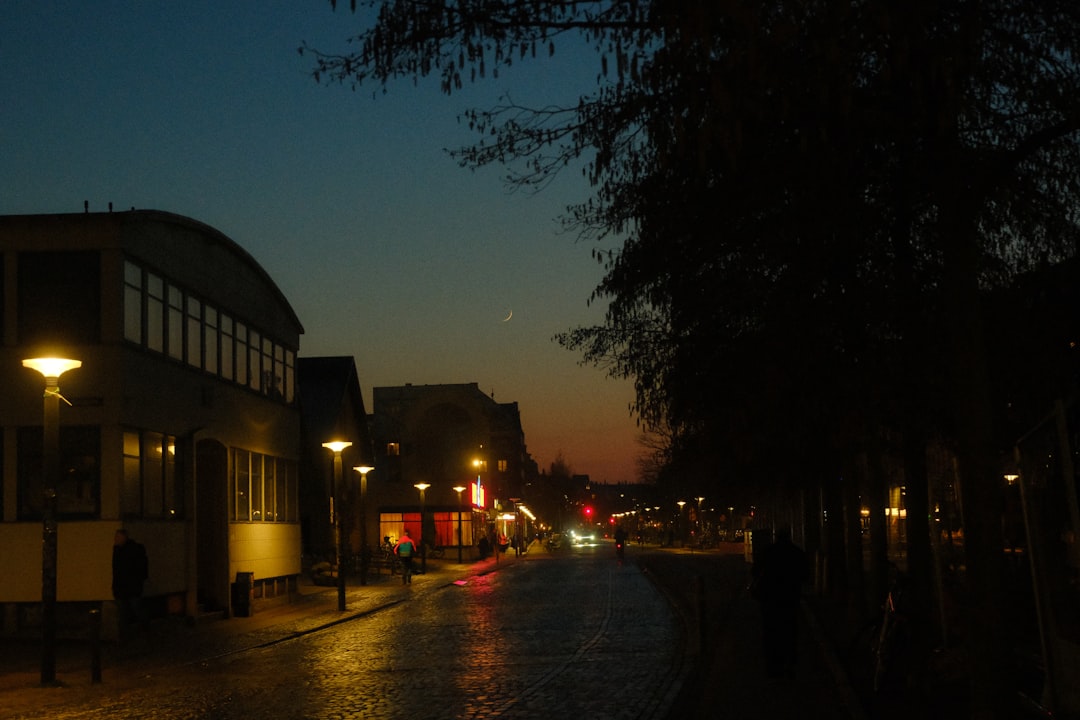

Where the Nightlife Is
Tap a district for venues, prices, and safety info
District Map of Zanzibar
Pick a district to recenter the map and see hotels nearby.
Where to stay in Zanzibar
Compare hotels and rentals across the city's nightlife districts.
See places to stay and current pricesOverview
Zanzibar sits 35 kilometers off the Tanzanian coast in the Indian Ocean, a semi-autonomous archipelago that has drawn traders, colonizers, and tourists for centuries. The main island, Unguja, is what most people mean when they say Zanzibar. Stone Town, its historic capital, earned UNESCO World Heritage status for its labyrinth of coral stone buildings, carved wooden doors, and narrow alleys built during the Omani Sultanate era.
Prices and venue details confirmed through multiple visits.
The nightlife is modest. This isn't Bali or Phuket. Zanzibar draws visitors for beaches, diving, spice tours, and history, not for clubbing. But Stone Town's rooftop bars, waterfront restaurants, and a few late-night spots provide enough to keep evenings interesting. The atmosphere is relaxed and social, shaped by the mix of backpackers, resort tourists, and the local Zanzibari population.
Legal Context
Zanzibar follows Tanzanian federal law on prostitution, making it illegal across the island. The semi-autonomous government has shown periods of stricter enforcement than the mainland, particularly under conservative political leadership. Crackdowns on alcohol sales, immodest dress, and perceived moral violations have occurred periodically.
Visitors engaging with mainstream tourist bars and restaurants face no legal issues. Drug laws apply with the same severity as the mainland. Cannabis possession can result in imprisonment.
Zanzibar's relationship with alcohol is complex. The island is predominantly Muslim, and some areas restrict alcohol sales. Tourist-oriented venues serve alcohol freely, but respect local norms when moving between neighborhoods.
Key Areas
Stone Town. The historic core and nightlife center. Rooftop bars, waterfront restaurants, and the main clubs cluster within the UNESCO-listed old town. The area is compact and walkable during daylight, though the maze of alleys can be disorienting.
Forodhani Gardens. The waterfront night food market that operates every evening is Stone Town's most famous attraction. Not nightlife in the traditional sense, but it's where most tourists spend their first evening. Grilled seafood, sugar cane juice, and Zanzibar pizza for TZS 3,000-10,000 ($1.20-4).
Nungwi and Kendwa. Beach resort areas on the northern tip, about 60 kilometers from Stone Town. A few beach bars and party nights, mainly on Wednesdays and Saturdays. The scene is seasonal and resort-driven.
Safety
Zanzibar is calmer than Dar es Salaam, but basic precautions apply.
- Stone Town's narrow alleys are poorly lit at night. Stick to main thoroughfares after dark, or use a taxi for anything more than a short walk
- Petty theft and pickpocketing occur, especially in markets and crowded areas. Keep valuables out of sight
- Beach robberies have been reported, particularly at isolated stretches. Don't walk deserted beaches after sunset
- Scams are common. Overcharging for taxis, fake tour guides, and bait-and-switch on boat trips are standard tourist traps. Agree on prices before services
- Drink spiking reports exist, primarily at tourist bars. Don't leave drinks unattended
- The emergency number is 114. Police response is slow. Your hotel is usually the best first point of contact
- Swim with caution. Strong currents exist along parts of the coast, and lifeguards are rare
Cultural Norms
Zanzibar is a Muslim-majority island, and cultural sensitivity matters more here than on the mainland.
- Dress modestly outside of beach and hotel areas. Covered shoulders and knees are expected in Stone Town. Beachwear is fine at resorts and on the sand, not in town
- During Ramadan, don't eat, drink, or smoke in public during daylight hours out of respect. Tourist restaurants still serve food, but be discreet
- Alcohol is available at tourist venues but not in local neighborhoods. Some areas of Stone Town don't sell alcohol at all
- Public displays of affection are poorly received. Homosexuality carries severe legal penalties in Tanzania. Zero tolerance for visibility
- Photography requires permission, especially of people. Some residents will ask for payment. Mosques and religious sites need particular sensitivity
- Greetings matter. A "Jambo" or "Salaam" goes a long way. Taking time for pleasantries is expected before any transaction
Social Scene
Rooftop bars are Stone Town's signature nightlife offering. Several buildings in the old town have been converted to rooftop venues with Indian Ocean sunset views. These fill up between 5 PM and 8 PM for sundowners, then thin out as people move to dinner.
The restaurant scene is the real draw. Zanzibar's cuisine blends Swahili, Indian, Arab, and European influences. The Emerson Spice rooftop dinner, seafood at Forodhani Gardens, and the waterfront restaurants along Mizingani Road are social hubs that double as evening entertainment.
Beach parties at Nungwi and Kendwa attract a younger, backpacker-heavy crowd. Full Moon parties and regular DJ nights at beach clubs draw 200-500 people during high season. The scene dies during low season.
Live music exists in small doses. Taarab (traditional Zanzibari music blending Arabic, Indian, and African elements) performances occur at a few venues, and the Dhow Countries Music Academy hosts occasional concerts.
Transportation
- Taxis: The main transport option. Zanzibar doesn't have ride-hailing apps with reliable coverage. Negotiate fares in advance. Stone Town to the airport costs TZS 20,000-30,000 ($8-12). Within Stone Town, TZS 5,000-10,000 ($2-4)
- Walking: Stone Town is compact enough to walk during the day. At night, stick to main streets. The maze-like layout means getting lost is easy
- Dala dalas (minibuses): Run between Stone Town and beach areas during the day. Cheap (TZS 2,000-5,000 / $0.80-2) but slow and crowded. Not available at night
- Scooter rental: Available for TZS 20,000-40,000 ($8-16) per day. International license required, and insurance is often not included. Road conditions outside Stone Town are rough
- Hotel transfers: Most hotels arrange airport pickup and can book taxis for evening outings. This is the safest option for nighttime transport
Best Times to Visit
Zanzibar's nightlife follows tourist seasons closely.
- June-September: Peak season. European and South African tourists arrive in force. The weather is dry and cool. Bars and clubs are at their liveliest
- December-February: Secondary peak. Warm and sometimes humid, but the holiday crowds fill the bars
- March-May: Long rains and low season. Many tourist venues reduce hours or close. The nightlife thins significantly
- Ramadan: Timing varies yearly. Some tourist venues stay open, but the overall atmosphere is quieter. Check dates before planning a nightlife-focused trip
- Weekends: Friday and Saturday are busiest, but tourist flow means any night can be decent during high season
Get the Legal Status PDF, 50 countries
Newsletter signup coming soon. Check back shortly.
Flights to Zanzibar
Compare prices across airlines. Filter by stops, time, and cabin.
Airport transfer to Zanzibar
Pre-booked transfers cost about the same as a metered taxi but cut out the airport queue, the meter argument, and the "no English" routine that takes some drivers to the wrong address. Fixed price quoted before booking, driver tracks your flight, waits with a name sign at arrivals.
Book a KiwiTaxi transferFrequently Asked Questions
Was this guide helpful?