Stone Town
Illegal but Tolerated3/5ModerateDistrict guide to Stone Town in Zanzibar, covering rooftop bars, tourist-oriented nightlife, cultural norms, and practical details for this UNESCO World Heritage site.

Where to stay near Stone Town
Hotels walking distance from the venues on this page.
See places to stay and current pricesBars and Clubs Worth Checking
Reviewed and rated by our team
Mercury's
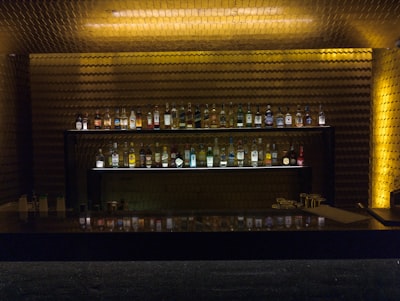
Named after Freddie Mercury, who was born in Stone Town. Waterfront bar and restaurant facing the ocean. Live music some evenings, cold beer, and a reliable tourist atmosphere. Beer TZS 4,000-6,000.
Mizingani Road, Stone Town, Zanzibar

Tatu
Stone Town's primary late-night venue. A small nightclub below the Emerson on Hurumzi hotel with DJs, dancing, and a mixed crowd of tourists and locals. Entry TZS 10,000-15,000.
Hurumzi Street, Stone Town, Zanzibar
Africa House Hotel
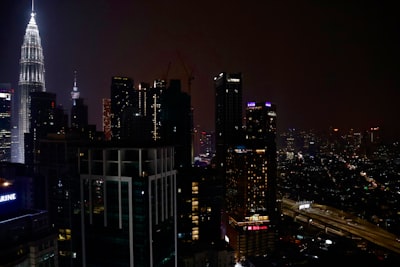
Colonial-era hotel with a famous sunset terrace overlooking the Indian Ocean. The rooftop bar is Stone Town's most popular sundowner spot. Cocktails TZS 15,000-25,000.
Suicide Alley, off Kenyatta Road, Stone Town, Zanzibar
Emerson Spice Rooftop
Rooftop dining and drinks atop a restored merchant house. Fixed-menu dinner with ocean views and cushioned seating. Reservations required. Dinner TZS 60,000-80,000 per person.
Tharia Street, Stone Town, Zanzibar
Livingstone Beach Restaurant
Waterfront bar and restaurant south of the Old Fort with beach seating, seafood, and live music on select nights. A relaxed alternative to the rooftop scene. Beer TZS 4,000-6,000.
Near Old Fort, Mizingani Road, Stone Town, Zanzibar
Zanzibar Coffee House
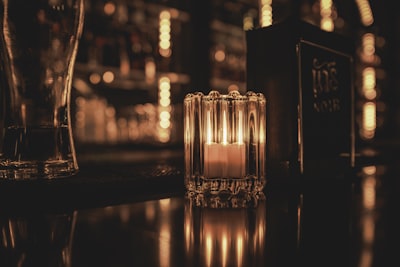
Boutique hotel with a rooftop terrace serving coffee by day and cocktails by night. Intimate setting with no more than 20 seats. Cocktails TZS 12,000-20,000.
Mkunazini Road, Stone Town, Zanzibar
Overview and Location
Stone Town is Zanzibar's historic heart, a UNESCO World Heritage site built from coral stone during centuries of Omani, Portuguese, and British influence. The old town occupies a roughly one-square-kilometer peninsula on the western coast of Unguja island, facing the Indian Ocean. Its streets are a maze. Buildings lean toward each other across alleys barely wide enough for two people to pass. Intricately carved wooden doors mark the entrances to former merchant houses, many now converted to hotels, restaurants, and shops.
This guide is based on multiple evenings spent in Stone Town.
The nightlife is a product of this setting. Rooftop bars perch atop centuries-old buildings, offering sunset views across the harbor. Waterfront restaurants line Mizingani Road. A few music venues and one proper nightclub provide late-night options. The scene is compact, easy to explore, and shaped entirely by the tourist traffic that keeps Stone Town alive economically.
Legal Status
Zanzibar follows Tanzanian federal law prohibiting prostitution. The semi-autonomous government has periodically adopted stricter moral enforcement than the mainland, particularly regarding alcohol, dress, and public behavior. These crackdowns are unpredictable and sometimes politically motivated.
Mainstream tourist venues operate without issue. Rooftop bars, restaurants, and the few clubs serve alcohol and host evening entertainment within a recognized legal framework. Problems arise when behavior moves outside tourist norms: public intoxication, loud disturbances in residential areas, or visible drug use.
Drug laws carry the same severe penalties as the mainland. Cannabis is offered frequently on the street but possession can result in arrest and imprisonment.
Costs and Pricing
Stone Town is moderately priced, more expensive than mainland Tanzania but still affordable for most international visitors.
- Beer at a bar: TZS 4,000-8,000 ($1.60-3.20 / EUR 1.45-2.95)
- Cocktails: TZS 12,000-35,000 ($4.80-14 / EUR 4.40-12.80)
- Club entry: TZS 10,000-15,000 ($4-6 / EUR 3.65-5.50)
- Dinner at a mid-range restaurant: TZS 25,000-60,000 ($10-24 / EUR 9.20-22)
- Rooftop dinner (Emerson Spice): TZS 60,000-80,000 ($24-32 / EUR 22-29.30)
- Taxi within Stone Town: TZS 5,000-10,000 ($2-4)
- Taxi to Nungwi (northern beaches): TZS 40,000-60,000 ($16-24)
Cash is the default. Some upscale venues accept cards, but don't rely on it. ATMs exist in Stone Town but sometimes run out of cash during peak season. Bring enough USD or EUR to exchange at bureaux de change.
Street-Level Detail
Mizingani Road. The waterfront promenade running along Stone Town's western edge. Mercury's bar, Livingstone, and several other restaurants line this road. The dhow harbor sits at the northern end, with fishing boats and tourist vessels moored along the seawall. This is the most walked stretch of Stone Town, busy from morning to night.
Forodhani Gardens. The public park at the northern end of Mizingani Road transforms into a night food market every evening around 6 PM. Vendors set up grills and serve fresh seafood, Zanzibar pizza, sugar cane juice, and grilled corn. The market is the island's most famous evening attraction. Prices are cheap but expect some tourist markup.
Hurumzi Street. A narrow alley climbing from the waterfront into the old town's interior. The Emerson on Hurumzi hotel and Tatu nightclub operate here. The street is atmospheric but poorly lit after dark. Use a phone light.
Kenyatta Road. One of Stone Town's wider streets, running roughly east to west. Africa House Hotel sits off this road. The street has more shops and fewer restaurants than the waterfront, but it connects key landmarks.
Shangani area. The southwestern corner of Stone Town, near the Tembo Hotel and the Old Fort. This area has a cluster of restaurants and hotels, and the Livingstone beach area draws evening crowds. The Old Fort occasionally hosts cultural performances and live music.
Safety
Stone Town is relatively safe by East African standards, but the maze-like layout creates specific risks.
- Main streets (Mizingani Road, Kenyatta Road) are reasonably safe after dark with regular foot traffic. The narrow interior alleys are not. Stick to routes you know or use a taxi
- Petty theft and pickpocketing occur, especially around Forodhani Gardens when it's crowded. Keep phones and wallets secure
- Beach hustlers approach tourists throughout the day offering tours, spice trips, and transport. Most are harmless but persistent. A firm "no thank you" works. Don't engage in prolonged negotiation unless interested
- Taxis should be negotiated in advance. Some drivers overcharge dramatically, particularly from the airport or ferry terminal. Ask your hotel for current fair rates
- Drug dealers approach tourists openly, especially near the waterfront. Buying is risky. Police informants operate alongside dealers, and arrests do happen
- Emergency number is 114, but response times are poor. Your hotel front desk is almost always a faster and more effective resource
- The ferry terminal area has a reputation for aggressive touts and theft. Keep valuables hidden and move through quickly
Cultural Norms
Stone Town requires more cultural awareness than most tourist destinations because it's a living, Muslim-majority community, not a theme park.
- Dress modestly when walking through town. Covered shoulders and knees for both men and women. Beachwear belongs at the beach, not in the alleys of Stone Town
- During Ramadan, avoid eating, drinking, or smoking visibly in public during daylight hours. Tourist restaurants still serve, but eat indoors
- Alcohol is accepted at tourist venues but not everywhere. Some parts of Stone Town don't sell it, and visible public drunkenness causes real offense
- The call to prayer sounds five times daily. It's part of the atmosphere. Don't complain about it, and lower your voice near mosques during prayer times
- Bargaining is expected at markets and for taxis. Start at roughly 50% of the asking price. Don't bargain aggressively for small amounts
- Many Zanzibaris speak excellent English alongside Swahili and Arabic. Conversations are warm and welcoming. Questions about family and origin are standard, not intrusive
- Photography of people requires permission. Some will ask for money. Respect refusals, and never photograph children without their parents' clear consent
Practical Information
Getting there. Zanzibar's Abeid Amani Karume International Airport is roughly 7 kilometers south of Stone Town. A taxi costs TZS 15,000-25,000 ($6-10) and takes 10-15 minutes. The ferry from Dar es Salaam (Azam Marine or similar) takes 90 minutes to two hours and docks at the terminal on the north side of Stone Town. Ferry tickets run TZS 35,000-80,000 ($14-32) depending on class.
Peak hours. Sundowners on rooftop bars start around 5 PM and peak at sunset (roughly 6:15-6:30 PM year-round near the equator). Forodhani Gardens fills from 6-10 PM. Restaurant dining peaks 7-9 PM. The few late-night spots get going after 10 PM and run until 2-3 AM on busy nights.
ATMs. People's Bank of Zanzibar and NBC ATMs are available near the Old Fort and along Kenyatta Road. Bring backup cash. ATMs run dry during peak tourist periods.
Phone and Wi-Fi. Most hotels and restaurants offer Wi-Fi, though speeds are inconsistent. Zantel and Airtel SIM cards are available at shops in Stone Town. A data bundle costs TZS 5,000-10,000 ($2-4) for a few gigabytes.
Best nights. In high season, any night can be decent. Friday and Saturday see the most activity. During low season, weeknight options thin to a handful of rooftop bars and restaurants. Check with your hotel for any special events or live music performances.
Get the Legal Status PDF, 50 countries
Newsletter signup coming soon. Check back shortly.
Frequently Asked Questions
Was this guide helpful?