Centro Habana
Illegal but Tolerated2/5RiskyDistrict guide to Centro Habana, the dense residential neighborhood between Habana Vieja and Vedado with local bars, live music, and Afro-Cuban culture.

Where to stay near Centro Habana
Hotels walking distance from the venues on this page.
See places to stay and current pricesThe Nightlife Scene
Hand-picked spots in this district
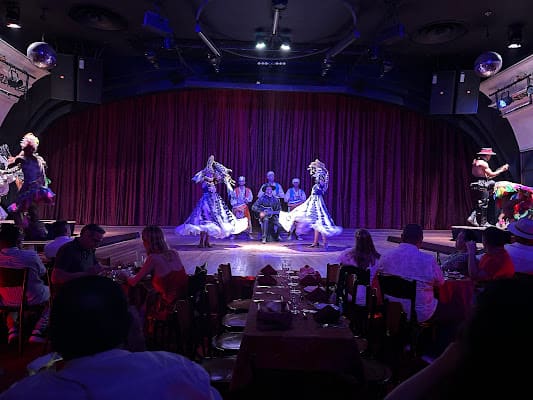
Casa de la Música de Centro Habana
Havana's top salsa and timba venue with nightly performances from Cuba's best bands. Cover charge varies by lineup, expect to pay 500-1000 CUP.
Calle Galiano entre Concordia y Neptuno
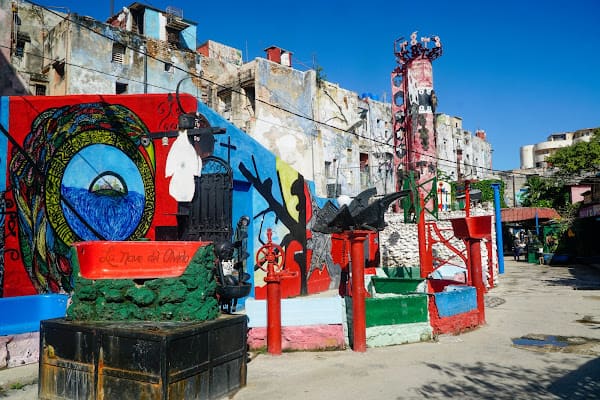
Callejón de Hamel
Open-air alley famous for Afro-Cuban murals and Sunday afternoon rumba performances. Free entry with donations welcome.
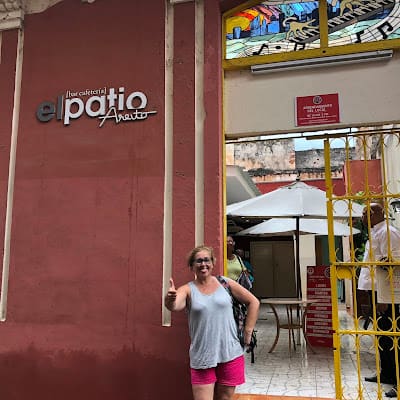
El Jelengue de Areíto
Intimate venue attached to the EGREM recording studios hosting regular son and salsa sessions. Local crowds outnumber tourists here.
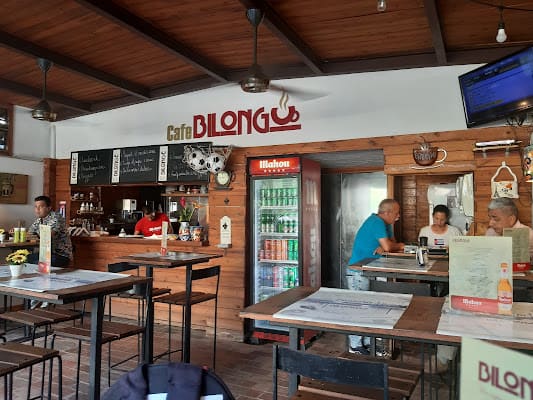
Bar Bilongo
Small neighborhood bar popular with Cubans and tourists for cheap mojitos and occasional live son trios. Cash only.
Overview and Location
Centro Habana is the dense residential heart of the city, squeezed between the tourist-friendly colonial streets of Habana Vieja to the east and the wider, more modern blocks of Vedado to the west. The neighborhood runs about 15 blocks deep from the Malecon seawall to the southern edge, packed with crumbling apartment buildings, narrow streets, hanging laundry, and the sounds of daily life pouring from open windows. This is not tourist Havana. It's the city where two million people actually live.
Venue details verified through on-site research.
The nightlife here reflects that reality. There are no themed bars or Instagram-ready cocktail lounges. What you get instead are local drinking spots, live music venues where Cubans go to dance, and an Afro-Cuban cultural scene centered on the Callejon de Hamel that has no equivalent elsewhere in the city. Centro Habana rewards visitors who know where they're going and are comfortable in an environment that hasn't been softened for foreign consumption. It also carries higher safety risks than the main tourist areas, and that tradeoff should be weighed honestly.
Legal Status
Prostitution is illegal under Cuban law. Centro Habana, as a residential area with significant foot traffic between Havana's two main tourist zones, sees periodic police activity. Officers patrol the Malecon section and may stop and question Cubans found with foreigners late at night.
The jineterismo dynamic exists in Centro Habana but takes a different shape than in Habana Vieja. Approaches from hustlers are less frequent because fewer tourists wander into the neighborhood. When they do happen, they tend to be more direct and less scripted than the polished routines you encounter around the Plaza Vieja. The economic desperation in Centro Habana is more visible than in Havana's wealthier or tourist-oriented neighborhoods.
Casas particulares in Centro Habana follow the same registration requirements as elsewhere. Your host must log the identity of any Cuban guest you bring to the property.
Costs and Pricing
Centro Habana is the cheapest area for nightlife in Havana. Prices here are local prices, not tourist prices, at most venues.
Drinks: Beer at local bars costs 100-200 CUP ($0.50-1.50 USD). Rum, served straight or in simple cocktails, runs 100-300 CUP. At Malecon 663, which caters to a more tourist-aware crowd, cocktails go for 300-500 CUP ($3-5 USD).
Entry fees: Casa de la Musica cover charges vary depending on who's performing. Expect 200-500 CUP for most shows. The Callejon de Hamel's Sunday rumba performance is free.
Food: Street food vendors sell sandwiches and pizza for 50-200 CUP. Paladares (private restaurants) in the area serve meals for 500-1,500 CUP ($3-9 USD). State-run restaurants are cheaper but unpredictable in quality.
Transport: Classic car taxis from Centro Habana to Habana Vieja or Vedado cost 300-800 CUP. The Malecon is walkable between neighborhoods during the busy evening hours, though not advisable late at night.
Currency notes: Cuba operates on the Cuban peso (CUP). The old convertible peso (CUC) was eliminated in 2021. US dollars circulate but often carry a surcharge. Bring euros or Canadian dollars for exchange. US-issued cards do not work in Cuba.
Street-Level Detail
Centro Habana's nightlife spots are scattered through the neighborhood rather than concentrated on a single strip. Knowing specific destinations matters more here than anywhere else in Havana.
Casa de la Musica Centro Habana (Avenida de Italia, between Concordia and Neptuno) is one of Havana's top live music venues. This location of Casa de la Musica (there's another in Miramar) hosts salsa and timba bands that draw crowds of Cubans who come to dance seriously. The energy is high, the music is loud, and the skill level on the dance floor will humble most visitors. Cover charges vary by act. Weekend shows are the busiest and the best. This is not a tourist experience; you're in a Cuban venue, and the atmosphere reflects that.
Callejon de Hamel is a narrow alley in Centro Habana that has been transformed into an open-air gallery of Afro-Cuban art. The walls are covered in murals and sculptures related to Santeria, the Afro-Cuban religious tradition that blends Yoruba and Catholic elements. Every Sunday starting around noon, a rumba performance fills the alley with drumming, singing, and dancing. The Sunday rumba is free, draws a mix of locals and visitors, and is one of the most genuine cultural experiences available in Havana. It's technically a daytime event, but the energy and the cultural significance make it worth including in any discussion of Centro Habana's entertainment.
Malecon 663 is a bar located directly on the seawall at the Centro Habana stretch of the Malecon. It serves cocktails in a more curated setting than the typical neighborhood bar and hosts themed event nights with music. Views of the sea and the sunset are the main draw. Cocktails cost 300-500 CUP.
Avenida San Rafael, the pedestrianized section near Centro Habana's western edge, has evening foot traffic and a few small bars and food vendors. It's not a nightlife destination per se, but the street life here gives you a window into how Cubans socialize without spending money, standing in doorways, sitting on stoops, talking.
Cabaret Nacional (San Rafael 208) is a nightlife venue that hosts evening shows and dancing. Dress code is enforced. It draws a mix of Cubans and some tourists.
The residential streets behind the Malecon are where Centro Habana's character shows most clearly. Buildings that haven't been restored or maintained for decades line narrow streets. Music and conversation pour from windows and open doorways. The atmosphere is real and unfiltered, but the infrastructure is poor: sidewalks are broken, lighting is inconsistent, and finding your way as a visitor is difficult without some familiarity.
Safety
Centro Habana carries a higher safety rating concern than Habana Vieja or Vedado, and for good reason. The neighborhood is dense, poorly lit, and has minimal tourist infrastructure. The poverty is more visible here, and opportunistic theft is more common than in Havana's tourist zones.
This doesn't mean Centro Habana is dangerous in the way that certain neighborhoods in other Latin American capitals might be. Violent crime against tourists is still uncommon in Havana overall. But the risks of petty theft, hustler encounters, and getting lost on dark streets are all elevated in this neighborhood.
- Know exactly where you're going before heading into Centro Habana at night. This is not a neighborhood for wandering
- Stick to the Malecon and specific venues. Don't explore the interior residential streets after dark
- Carry a small flashlight; power outages affect the whole city, and when they hit Centro Habana, entire blocks go completely dark
- Keep your phone and valuables out of sight. Don't pull out a phone for navigation on dark streets
- Travel with at least one other person when visiting venues here at night
- The Malecon section through Centro Habana is generally safe when crowded in the early evening but gets riskier after midnight as crowds thin
- Medical facilities in Cuba are limited. Bring medications and a basic first-aid kit
- Emergency number is 106
Cultural Context
Centro Habana is where Havana's Afro-Cuban culture is most alive. The Callejon de Hamel is the most visible expression of this, but the influence runs through the neighborhood's music, religious practices, and daily life. Santeria, the syncretic religion that blends Yoruba traditions brought by enslaved Africans with Catholic imagery, is practiced openly here. You may see altars in windows, hear drumming from private ceremonies, and encounter practitioners in white clothing.
This cultural layer isn't a performance for tourists. It's how people in Centro Habana live. Approaching it with respect and genuine curiosity earns goodwill. Treating it as an exotic photo opportunity does not.
The neighborhood's musical culture is tied to its social fabric. Rumba, which originated in the solar (communal courtyards) of neighborhoods like Centro Habana, is both music and community practice. The Sunday rumba at Callejon de Hamel is a continuation of a tradition that predates the tourist economy by over a century.
Spanish is the only language in Centro Habana. Almost no one here speaks English. Basic Spanish isn't just helpful; it's close to a requirement for getting around the neighborhood at night. Cubans in Centro Habana are direct, warm, and curious about foreigners, but the communication has to happen in Spanish.
Scam Warnings
Jinetero approaches are more direct in Centro Habana than in Habana Vieja. Hustlers may approach you on the Malecon or as you walk between neighborhoods, offering to be your guide, sell you cigars, or introduce you to a "friend." The pitches are less polished but more persistent. A firm "no gracias" while continuing to walk is your best response. Don't slow down or engage in extended conversation with anyone who approaches you unsolicited on the street at night.
Counterfeit rum and cigars: Street vendors sell fake Havana Club rum and fake branded cigars, particularly along the Malecon. The packaging looks convincing. The contents are not. Buy rum from state shops and cigars from official La Casa del Habano stores only.
Overcharging at bars: Some venues quote prices in USD to tourists while locals pay in CUP. Always confirm the currency before ordering. Ask to see a menu if one exists.
The escort to your destination: Someone offers to walk you to a specific bar or restaurant. The walk ends at a different venue where your guide earns a commission. Use your own directions instead.
Nearby Areas
Habana Vieja (Old Havana) begins at Centro Habana's eastern border. The colonial center has the highest concentration of tourist bars, restaurants, and live music. It's better lit, more policed, and more tourist-friendly than Centro Habana.
Vedado starts at Centro Habana's western edge. It's more modern, more spacious, and home to Fabrica de Arte Cubano and the jazz clubs along La Rampa.
The Malecon runs along Centro Habana's entire northern boundary. The seawall section through this neighborhood is where Havana's young people gather on weekend nights, sitting on the wall with rum and bluetooth speakers.
Meeting People Nearby
The Malecon seawall through Centro Habana is the most organic social space in the city. Bring a bottle of rum, sit on the wall, and the evening will develop on its own. Casa de la Musica is a place where genuine social interaction happens through dancing; if you can move at all, you'll connect with people faster than at any bar. The Sunday rumba at Callejon de Hamel draws both Cubans and visitors in a shared cultural experience. For a more structured or tourist-friendly social scene, walk east to Habana Vieja or west to Vedado. For a full overview of Havana's social scene, see the main Havana city guide.
Best Times
- Sunday noon: The Callejon de Hamel rumba performance, Centro Habana's signature cultural event
- Thursday through Saturday evenings: Casa de la Musica and Malecon 663 are most active
- 9 PM - midnight: Peak social hours on the Malecon seawall
- Dry season (November - April): Most comfortable weather, 25-28C, less humidity
- Wet season (May - October): Afternoon rain and higher humidity, but nightlife continues
- August: Carnival season adds energy across all of Havana
- Avoid late-night solo visits. Centro Habana is best experienced in the earlier evening hours or with companions
What Not to Do
- Do not wander aimlessly through Centro Habana's residential streets after dark. Know your destination before you go
- Do not go alone at night. Bring at least one companion
- Do not assume your phone's GPS will be reliable; download offline maps before heading out and carry a flashlight
- Do not buy cigars or rum from street vendors
- Do not pull out expensive phones or cameras on dark streets
- Do not photograph Santeria ceremonies or practitioners without explicit permission
- Do not assume you can use US credit cards or debit cards. Cuba is cash-only for Americans
- Do not engage with anyone who appears underage; Cuban authorities enforce this strictly and prison conditions are severe
- Do not carry your passport; leave it secured at your accommodation
- Do not use illegal drugs; Cuban penalties are severe and the legal system provides few protections to foreigners
- Do not treat the Callejon de Hamel rumba or Santeria culture as a tourist spectacle; approach with genuine respect
Get the Legal Status PDF, 50 countries
Newsletter signup coming soon. Check back shortly.
Related Guides
Havana Overview
City guide to nightlife in Havana, covering entertainment areas, safety advice, and practical information for the Cuban capital.
Read guideMalecon
Guide to Havana's Malecon seawall promenade, the city's main social gathering spot and nightlife area, with safety tips and cultural context.
Read guideVedado
District guide to Vedado in Havana, the residential neighborhood with Fabrica de Arte Cubano, jazz clubs, rooftop bars, and Calle 23.
Read guideFrequently Asked Questions
Was this guide helpful?