Vedado
Illegal but Tolerated3/5ModerateDistrict guide to Vedado in Havana, the residential neighborhood with Fabrica de Arte Cubano, jazz clubs, rooftop bars, and Calle 23.
Where to stay near Vedado
Hotels walking distance from the venues on this page.
See places to stay and current pricesThe Nightlife Scene
Hand-picked spots in this district
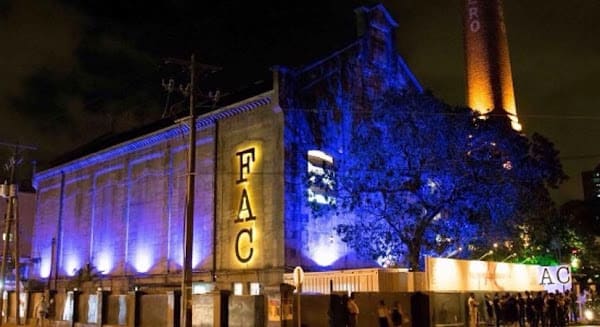
Fábrica de Arte Cubano
Converted cooking oil factory turned art gallery and nightclub spread across multiple rooms. DJs, live bands, film screenings, and gallery spaces all under one roof.
Calle 26 entre 11 y 13
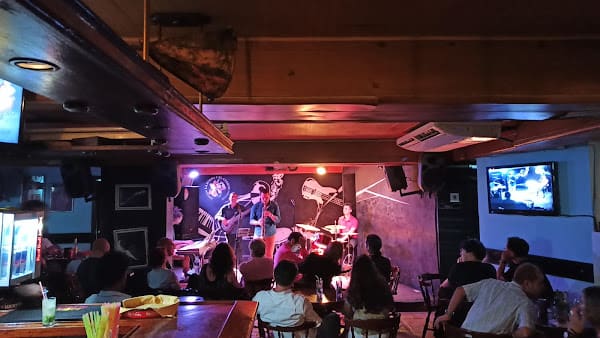
Jazz Café
Havana's main jazz venue on the top floor of Galerías de Paseo with nightly performances and a dance floor that gets packed after midnight.
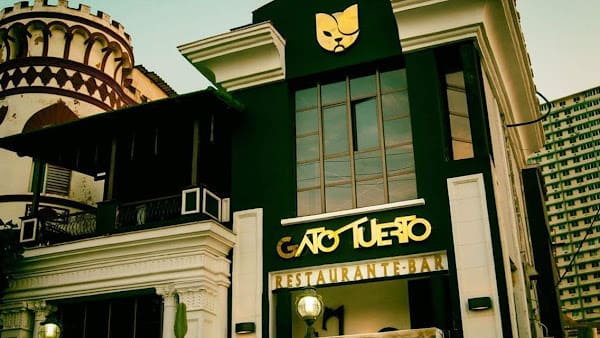
El Gato Tuerto
Late-night cabaret bar open since 1960, known for bolero singers and a bohemian crowd. Things don't get going until after 11 PM.
Calle O entre 17 y 19
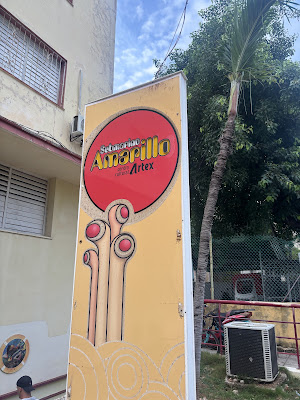
Submarino Amarillo
Beatles-themed bar with live rock and pop music on weekends. Young Cuban crowd, cheap beer, and walls covered in Fab Four memorabilia.
Calle 17 esquina 6
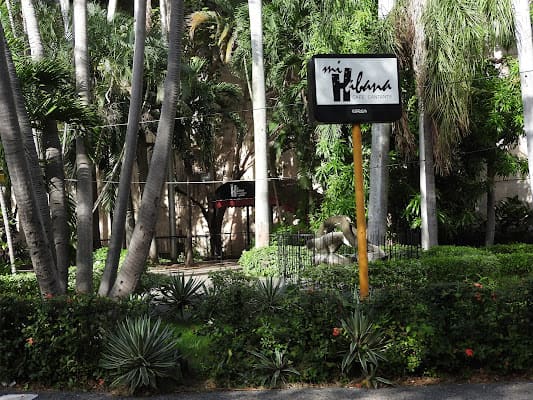
Café Cantante Mi Habana
Underground nightclub beneath the Teatro Nacional with salsa, reggaeton, and timba nights. Draws a mostly Cuban crowd and gets loud on weekends.
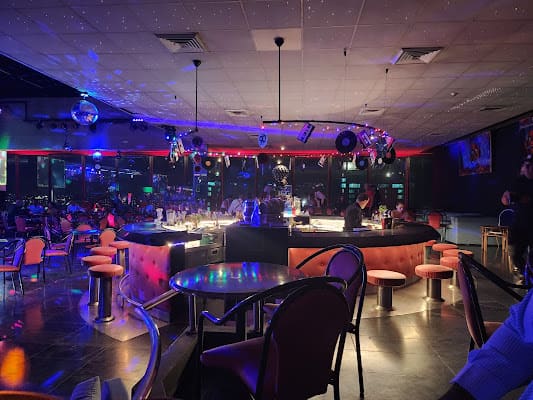
Salón Turquino
Rooftop nightclub at the top of Hotel Habana Libre with panoramic city views. Weekend dance parties run until 3 AM.
Overview and Location
Vedado spreads west of Centro Habana, occupying a grid of wide, tree-lined streets that feel immediately different from the tight colonial lanes of Old Havana. Built in the early 20th century as a residential neighborhood for Havana's middle and upper classes, it still has a more spacious, planned feel. Mid-century apartment blocks, faded Art Deco facades, the towers of the Hotel Habana Libre, and the green grounds of the Universidad de La Habana define the landscape. It's not as photogenic as Habana Vieja, but it's where much of Havana's real life happens.
Venue details verified through on-site research.
For nightlife, Vedado offers something Old Havana can't: a scene that was built for Cubans, not tourists. Fabrica de Arte Cubano is the headline act, a former cooking-oil factory turned multi-disciplinary cultural center that draws Havana's creative class every weekend. The jazz clubs, rooftop bars, and music venues along Calle 23 (La Rampa) round out a nightlife district that rewards visitors willing to venture beyond the tourist postcard.
Legal Status
Prostitution is illegal under Cuban law. The government conducts periodic enforcement operations, particularly in areas frequented by foreign tourists. Vedado sees less intensive enforcement than Habana Vieja because fewer tourists concentrate here, but undercover police do operate in the neighborhood, especially around the larger hotels and known nightlife spots.
Hotels and casas particulares must register all guests. Bringing a Cuban national to your room requires their ID to be recorded, and some accommodations won't allow it at all. This registration system gives authorities visibility into who is spending time with foreign visitors.
The jineterismo (hustling) dynamic is less aggressive in Vedado than in Old Havana. Approaches happen, but they tend to be more subtle and less transactional. The neighborhood's more local character means you're more likely to encounter genuine social interaction alongside the economically motivated variety. The usual caveats apply: the economic gap between tourists and locals shapes many encounters, and awareness of this doesn't require cynicism, just honesty.
Costs and Pricing
Vedado is mid-range for Havana. Prices at local bars are comparable to the rest of the city, while hotel rooftop bars charge a premium.
Entry fees: Fabrica de Arte Cubano charges about 2 USD entry. La Zorra y El Cuervo jazz club has a small cover, usually 100-300 CUP. Casa de la Musica's cover varies by performer but typically runs 200-500 CUP.
Drinks: Mojitos and daiquiris at standard bars cost 200-500 CUP ($2-4 USD). Beer runs 150-300 CUP. At hotel bars like the Habana Libre rooftop (El Turquino), cocktails go for 4-8 USD. La Torre penthouse bar in the FOCSA building charges similar hotel-level prices.
Food: Paladares (private restaurants) in Vedado serve full meals for 800-3,000 CUP ($5-18 USD). State-run restaurants are cheaper but the quality is inconsistent. Street food and small snack bars offer sandwiches and pizzas for 50-200 CUP.
Transport: Classic car taxis within Vedado cost 300-800 CUP. From Vedado to Habana Vieja, expect 500-1,500 CUP. Cocotaxis (three-wheeled yellow vehicles) handle shorter trips for less. Always agree on the price before getting in.
Currency notes: Cuba uses the Cuban peso (CUP). US dollars circulate in the tourist economy but often carry a 10-20% surcharge at exchange points. Bring euros or Canadian dollars for better rates. US-issued credit and debit cards do not work anywhere in Cuba. Plan to carry cash.
Street-Level Detail
Calle 23 (La Rampa) is the spine of Vedado's nightlife. This wide boulevard runs from the Vedado interior down to the Malecon waterfront. The stretch between Calle L and the sea is where most of the action concentrates. The name "La Rampa" (the ramp) comes from the street's gentle downhill slope toward the ocean.
La Zorra y El Cuervo (The Fox and the Crow) sits on La Rampa in a basement venue. This is Havana's best jazz club. Live performances run most nights, featuring Cuban jazz musicians who are among the most technically skilled on the continent. The space is dark, intimate, and focused on the music. Entry is cheap. If you appreciate jazz, this is a mandatory stop.
Fabrica de Arte Cubano (FAC), located at the intersection of Calle 26 and Calle 11, is the cultural event of Havana's week. Founded by Afro-Cuban fusion musician X-Alfonso in 2014, the converted factory houses rotating art exhibitions, live music across multiple genres, film screenings, dance performances, theater, restaurants, and several bars. Upon entry, you receive a card that tracks your purchases; you pay the total when leaving. FAC opens Thursday through Sunday, and it periodically closes when new exhibitions are being installed. Arrive early if you want to skip the line, which can stretch around the block on Saturday nights.
Hotel Nacional sits on a bluff overlooking the Malecon at the eastern edge of Vedado. Its grounds and terrace bar are open to non-guests. The cocktails are overpriced, but the setting is historic and the views are worth one visit. The hotel's cabaret shows run nightly and draw a tourist crowd.
La Torre is a penthouse bar atop the FOCSA building, one of Havana's tallest structures. At roughly 120 meters above street level, it offers panoramic views of the entire city and the sea. Drinks and food are priced at the higher end for Havana. It opens daily and stays open until midnight.
Flauta Magica Bar, on the 10th floor of a building opposite the former American Embassy, offers city and Malecon views. It stays open until 4 AM, making it one of Vedado's latest-closing options. Drinks are reasonably priced at around 300-500 CUP.
El Turquino, the rooftop venue at the Hotel Habana Libre, hosts live music and shows. Cocktails run about 4-8 USD with a cover charge of roughly 10 USD (free for hotel guests). It stays open until 3 AM.
The area around the Universidad de La Habana, south of La Rampa, has a younger, more local feel during the day and early evening. Cafes and small bars in this zone attract students and a less tourist-oriented crowd.
Safety
Vedado is one of Havana's safer neighborhoods. Its residential character, wider streets, and lower tourist density mean less street-level hustle than Habana Vieja or the busier sections of the Malecon. The area around the Hotel Nacional and La Rampa has a police presence, and the main nightlife strips are well-trafficked.
That said, Vedado's residential blocks can be dark and quiet at night. Havana's street lighting is unreliable, and the power outages that affect the whole city can leave entire blocks in darkness without warning.
- Stick to the main streets (Calle 23, the area around FAC, and the hotel zone) when walking at night
- Carry a small flashlight or keep your phone charged for navigation
- The Malecon section in front of Vedado is generally safe in the early evening but avoid it alone after midnight
- Keep your phone and wallet secure; petty theft occurs even in residential neighborhoods
- Save the emergency number (106) and your embassy contact in your phone before going out
- Medical facilities in Cuba are limited. Bring a basic first-aid kit and any prescription medications you need
- Power outages are regular. Carry a backup battery for your phone
Cultural Context
Vedado was built as Havana's modern district in the early 1900s. Before the revolution, it was where the moneyed class lived, and traces of that era remain in the architecture. After 1959, the mansions became apartments, the country clubs became schools, and the hotels were nationalized. The neighborhood adapted without losing its bones.
Music runs through Vedado's culture as it does throughout Cuba. The jazz tradition is particularly strong here, shaped by decades of cross-pollination between Cuban rhythms and American jazz styles. The musicians who play at La Zorra y El Cuervo and FAC are world-class by any standard, trained at Cuba's rigorous conservatories and performing with an energy that comes from a culture where music isn't entertainment; it's life.
If you're at a venue with live music, participation matters. Dancing, nodding to the rhythm, engaging with the performance. Standing in the corner watching like a tourist at a zoo is noticed and not appreciated. Nobody expects you to be a salsa expert. They expect you to care.
Spanish is the only working language in most of Vedado. English is spoken at the larger hotels and some staff at FAC, but at local bars and restaurants, you'll need at least basic Spanish. Even a few phrases change how people respond to you.
Scam Warnings
The restaurant redirect is Vedado's most common hustle. A friendly local strikes up a conversation on La Rampa or near your hotel, chats for a while, then suggests a "great" restaurant or bar. The venue is real, but it charges inflated prices and your new friend earns a commission on everything you spend. Choose your own restaurants. A polite "no gracias, ya tengo planes" (no thanks, I already have plans) is enough to disengage.
Cigar scams: Less common in Vedado than Habana Vieja, but they still happen. Someone claims to work at a factory and offers genuine Cohibas at a fraction of the official price. They're always fake. Buy cigars only from official La Casa del Habano stores.
Taxi overcharging: Classic car taxis don't have meters. Negotiate before getting in. Within Vedado, most rides should cost 300-800 CUP. To Habana Vieja, 500-1,500 CUP is reasonable.
The romantic interest progression: Someone approaches you at a bar or on the street, engages in enjoyable conversation, and over the course of the evening steers toward requests for dinner, gifts, or financial help. Not every encounter is a hustle, but be aware that economic motivations frequently play a role in tourist interactions.
Nearby Areas
Centro Habana lies immediately east. It's a dense residential neighborhood with grittier nightlife options and some music venues worth seeking out. More street awareness required than in Vedado.
The Malecon runs along Vedado's northern edge. The seawall is Havana's primary open-air social space, free and democratic. The stretch in front of Vedado is quieter and more couple-oriented than the livelier Centro Habana section.
Habana Vieja (Old Havana) is about 20 minutes east by taxi. The colonial center has the highest concentration of tourist bars, restaurants, and music venues, plus the famous Hemingway bars.
Miramar is the diplomatic and upscale neighborhood west of Vedado, across the Almendares River. Casa de la Musica Miramar hosts serious live salsa and timba bands with a crowd that's overwhelmingly Cuban.
Meeting People Nearby
Vedado is Havana's best neighborhood for meeting people in a context that isn't designed for tourists. FAC draws a genuine mix of Cubans and foreigners every weekend, and the art-and-music atmosphere creates natural conversation openings. La Zorra y El Cuervo attracts music enthusiasts and a more intellectual crowd. The area around the university has a youthful, social feel during the day. For evening socializing in an open, unstructured setting, the Malecon seawall in front of Vedado is always available, no cover charge, no agenda. For a full overview of Havana's social scene, see the main Havana city guide.
Best Times
Havana's tropical climate means year-round nightlife, though the dry season (November through April) is the most comfortable period with temperatures around 25-28C and lower humidity. The wet season brings afternoon rain and stickier heat but nightlife continues uninterrupted.
- Thursday through Sunday: FAC is open. This is when Vedado's nightlife peaks
- 9 PM - 11 PM: Music venues and bars start filling up
- 11 PM - 2 AM: Peak hours at most venues, especially FAC
- After 2 AM: Most spots wind down, though a few rooftop bars stay open until 3-4 AM
- January: International Jazz Festival brings extra energy to Vedado's music scene
- August: Carnival season adds street life and events across Havana
What Not to Do
- Do not assume you can use US credit cards, debit cards, or mobile payment apps. Cuba is cash-only for Americans
- Do not photograph police or military personnel
- Do not wander deep into Vedado's residential grid late at night without a destination; streets can be very dark
- Do not buy cigars on the street
- Do not leave drinks unattended at bars
- Do not engage with anyone who appears underage; Cuban authorities take this seriously and prison conditions are severe
- Do not carry your passport on a night out; leave it locked at your accommodation and carry a photocopy
- Do not assume that every friendly Cuban is running a hustle, but stay aware that economic motivations often influence tourist interactions
- Do not use illegal drugs; Cuban drug penalties are harsh and the legal system offers few protections to foreigners
- Do not skip Fabrica de Arte Cubano; it's the single best nightlife experience in Havana
Get the Legal Status PDF, 50 countries
Newsletter signup coming soon. Check back shortly.
Related Guides
Havana Overview
City guide to nightlife in Havana, covering entertainment areas, safety advice, and practical information for the Cuban capital.
Read guideCentro Habana
District guide to Centro Habana, the dense residential neighborhood between Habana Vieja and Vedado with local bars, live music, and Afro-Cuban culture.
Read guideMalecon
Guide to Havana's Malecon seawall promenade, the city's main social gathering spot and nightlife area, with safety tips and cultural context.
Read guideFrequently Asked Questions
Was this guide helpful?