Malecon
Illegal but Tolerated3/5ModerateGuide to Havana's Malecon seawall promenade, the city's main social gathering spot and nightlife area, with safety tips and cultural context.
Where to stay near Malecon
Hotels walking distance from the venues on this page.
See places to stay and current pricesWhere to Go Out
Our picks for the best nights out here
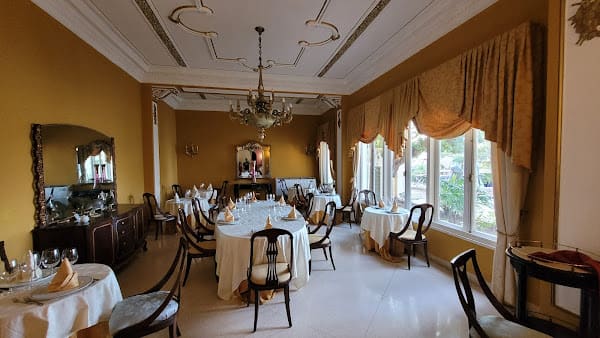
Bar 1830
Open-air waterfront venue at the western end of the Malecón with a garden dance floor and regular salsa nights. One of Havana's most atmospheric spots after dark.
Malecón 1830
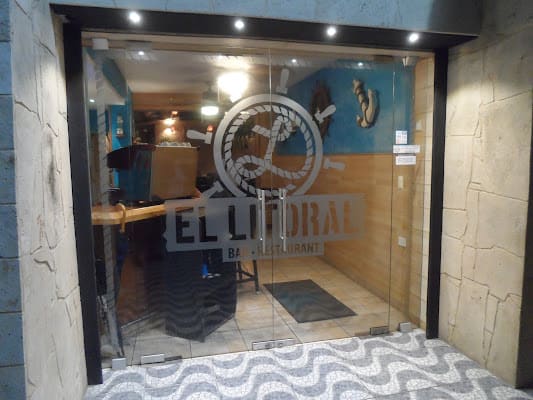
El Litoral
Cocktail bar and restaurant sitting directly on the Malecón seawall. Popular for sunset drinks with an ocean backdrop and reasonable prices.
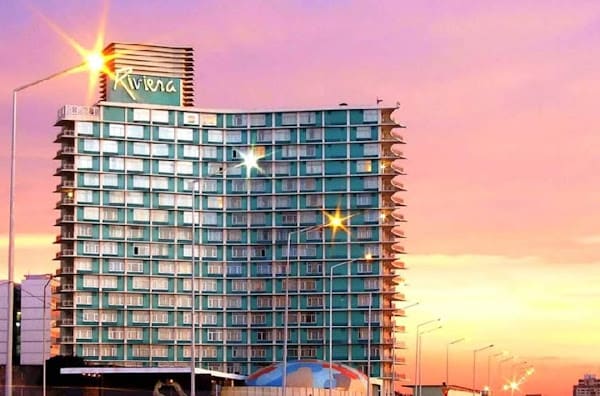
Hotel Riviera Copa Room
Retro cabaret lounge inside the 1957 Hotel Riviera, originally built during Havana's pre-revolution casino era. Weekend shows feature live music and dance performances.
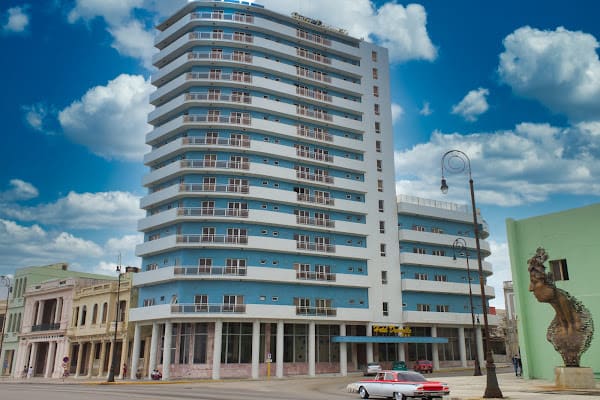
Hotel Deauville Rooftop
Basic rooftop bar atop the Hotel Deauville on the Malecón with panoramic views of the strait and the seawall below. Drinks at local CUP prices.
Overview and Location
The Malecon is Havana's 8 km seafront esplanade, a broad concrete seawall and promenade that curves along the city's northern coast from the mouth of Havana Harbor in Habana Vieja through the dense residential blocks of Centro Habana and into the wider streets of Vedado, ending near the mouth of the Almendares River. It's been called "the world's longest sofa," and the name fits.
Prices confirmed through direct visits in February 2026.
Every evening, the wall fills with people. Families, couples, students, fishermen, musicians, rum vendors, and groups of friends claim their sections of the concrete ledge and settle in for the night. No entry fee, no bouncers, no dress code. The Malecon is Havana's most democratic social space, and it's where the city comes to talk, drink, flirt, argue, and watch the waves. Different stretches draw different crowds, from families near Habana Vieja to university students along the Centro Habana section to couples in the quieter stretches near Vedado.
Legal Status
Prostitution is illegal under Cuban law, and the government conducts periodic enforcement campaigns, particularly in areas popular with foreign tourists. The Malecon, as Havana's primary social meeting point, sees regular police patrols. Officers may stop and question Cubans found in the company of foreigners late at night.
Hotels and casas particulares (private guesthouses) must register all overnight guests. Bringing a Cuban national to your accommodation requires their ID to be recorded, and some places won't allow it at all. This registration system gives authorities oversight of who foreign visitors are spending time with.
The reality on the Malecon is that the line between socializing and transactional encounters is genuinely blurry. Many Cubans approach foreigners out of curiosity, boredom, genuine interest, or a mix of motivations that includes economic hope. Not every conversation on the seawall has a hidden agenda, but the economic gap between tourists and locals shapes nearly every interaction. Understanding this doesn't require cynicism. It does require honesty about the context.
Costs and Pricing
Cuba's dual economy makes pricing confusing. The convertible peso (CUC) was eliminated in 2021, leaving the Cuban peso (CUP) as the official currency. However, US dollars and euros circulate widely in the tourist economy, and many transactions happen in foreign currency.
Rum: A bottle of Havana Club 3-year from a state shop costs 800-1,200 CUP ($4-6 USD). Bring your own and you can sit on the seawall all night for nearly nothing. Street vendors along the wall sell small bottles and cups of rum for 100-300 CUP, though quality control is nonexistent.
Bar drinks: Malecon 663, a popular bar set right on the seawall in Centro Habana, charges 300-500 CUP ($3-6 USD) for cocktails. Bars in nearby Habana Vieja charge similar prices for mojitos and daiquiris. El Floridita, the famous Hemingway bar at the Habana Vieja end of the Malecon, charges $6-8 USD for its daiquiris.
Street food: Vendors along the Malecon sell sandwiches, pizzas, and snacks for 50-200 CUP. The quality ranges from decent to questionable. The paladar restaurants (private dining) within a block or two of the seawall serve full meals for 800-2,000 CUP ($5-12 USD).
Transport: Classic car taxis within central Havana cost 500-1,500 CUP depending on distance. Cocotaxis (three-wheeled yellow vehicles) are cheaper for short hops along the Malecon. There is no Uber or ride-hailing app in Cuba; you flag taxis or arrange them through your accommodation.
Nightlife venues nearby: Fabrica de Arte Cubano in Vedado costs about 2 USD entry. La Zorra y El Cuervo jazz club on La Rampa charges a small cover. Casa de la Musica has variable entry depending on who's performing.
Currency notes: US dollars often carry a 10-20% surcharge when exchanged in Cuba. Bring euros or Canadian dollars for better rates. US-issued credit and debit cards do not work anywhere in Cuba. Plan to carry enough cash for your entire stay.
Street-Level Detail
The Malecon changes character along its length. Starting from the Habana Vieja end, near the Castillo de San Salvador de la Punta, the wall is close to the tourist infrastructure of Old Havana. This section sees more foreign visitors, more jinetero activity, and more police presence. The colonial buildings behind you are being restored, and there's a general sense of official tourism management.
Moving west into Centro Habana, the scene shifts. This is the most local section of the Malecon. The buildings behind the seawall are densely packed residential blocks, crumbling but alive with music and voices. Young Cubans gather here in large groups on weekend nights, sitting on the wall with bottles of rum, guitars, and bluetooth speakers. This stretch feels the most authentic and the most energetic.
The Vedado section, further west past the Hotel Nacional, is wider and quieter. Couples claim spots along the wall, and the atmosphere is more intimate than the Centro Habana party zone. The Hotel Nacional's grounds, perched on a bluff above the Malecon, offer an upscale alternative with a terrace bar and nightly cabaret shows.
On any given evening, you might encounter impromptu musical performances, fishermen casting lines from the wall, families with children, and groups of young people dancing to music from a phone speaker. The Malecon is not a curated experience. It's a public space doing what public spaces do in a city where air conditioning is rare and apartments are small.
Safety
The Malecon is generally safe during the busy evening hours when crowds are present, particularly the well-lit sections near Habana Vieja and the Hotel Nacional. Havana's overall crime rate against tourists is low by Caribbean and Latin American standards, and violent crime is uncommon.
The main risks are petty theft and hustler approaches. Keep your phone, wallet, and camera close, especially in crowded sections. Don't walk along the most isolated stretches of the wall after midnight. The Centro Habana section, while safe when busy, gets darker and emptier in the late hours. Walking the full 8 km alone at 2 AM is not recommended.
- Stay in groups after midnight and stick to the more populated sections of the seawall
- Keep valuable items in front pockets or a body pouch, not in a dangling bag
- Havana's sidewalks and seawall surface are uneven and poorly lit in places; watch your footing after dark
- Save the emergency number (106) and your embassy contact in your phone before heading out
- Medical facilities in Cuba are limited. Bring a basic first-aid kit and any prescription medications you need
Cultural Context
The Malecon is inseparable from Havana's identity. It was built in stages between 1901 and 1952, and for over a century it has served as the city's communal living room. In a city where most apartments are small, overcrowded, and lacking air conditioning, the seawall is where private life becomes public life. People come here to do everything they can't do comfortably at home.
Music is constant. You'll hear son, salsa, reggaeton, and acoustic guitar from different groups along the wall, sometimes overlapping. Dancing is social, not performative. If someone near you starts moving to music, joining in (or at least not stiffening up) is the expected response.
Spanish is the only language on the Malecon. Some younger Cubans speak English, but basic Spanish opens doors that pointing and gesturing won't. Even a few phrases change the quality of interactions dramatically. Cubans are direct, warm, and socially confident. Striking up a conversation with a stranger is normal here, not suspicious.
Scam Warnings
Jinetero approaches are the most common hustle on the Malecon. A friendly, English-speaking Cuban strikes up a conversation, offers to be your guide, and steers you toward a specific bar, restaurant, or cigar vendor where they collect a commission on your spending. The establishments are real, but the prices are inflated. A polite "no gracias" while continuing to walk is usually enough to disengage. Don't slow down or make extended eye contact if you're not interested.
Fake rum and cigars: Street vendors along the Malecon sell bottles of "Havana Club" rum and "Cohiba" cigars at discount prices. The packaging may look real, but the contents are counterfeit. Buy rum only from state-run shops and cigars only from official La Casa del Habano stores.
The romantic interest scam: Someone approaches you on the wall, engages in genuinely enjoyable conversation, and over the course of the evening steers toward requests for money, gifts, or dinner at an overpriced restaurant. This doesn't mean all Malecon encounters are scams, but awareness of the dynamic is important.
Overcharging in taxis: Classic car taxis don't have meters. Always agree on a price before getting in. A ride within central Havana should cost 500-1,500 CUP depending on distance.
Nearby Areas
Habana Vieja (Old Havana) begins at the eastern end of the Malecon, near the harbor entrance. The colonial streets around Plaza Vieja and Calle Obispo have Havana's densest concentration of bars, restaurants, and live music venues. This is the tourist center of the city.
Centro Habana backs the middle section of the Malecon. It's a residential neighborhood with some bars and music venues worth seeking out, but it requires more street awareness than the tourist zones. Malecon 663, a bar with rooftop views and themed event nights, sits right on the seawall in this section.
Vedado occupies the western end of the Malecon's arc. Calle 23 (La Rampa) has clubs, bars, and live music. Fabrica de Arte Cubano, Havana's converted-factory cultural center, is a 15-minute walk inland from the seawall.
Meeting People Nearby
The Malecon itself is Havana's best place to meet people organically. No cover charge, no bouncer, no pretense. Bring a bottle of rum and sit on the wall, and conversation will find you. For a more structured social experience, Fabrica de Arte Cubano mixes art exhibitions, live music, and bars under one roof and draws a genuine mix of Cubans and foreigners. La Zorra y El Cuervo jazz club on La Rampa in Vedado attracts music lovers and a more intellectual crowd. For a full overview of Havana's social world, see the main Havana city guide.
Best Times
- Late afternoon (4-6 PM): The wall starts filling, golden light, good for photos and a relaxed start
- Sunset (6-7 PM): The most atmospheric hour on the Malecon, with the largest crowds gathering to watch the sun drop into the sea
- 9 PM - midnight: Peak social hours, especially on Friday and Saturday nights
- Dry season (November - April): Most comfortable weather, 25-28C, lower humidity
- Wet season (May - October): Afternoon rain, higher humidity, and strong waves that crash over the seawall and sometimes close sections of the road
- Carnival (August) and the International Jazz Festival (January) bring extra energy to the Malecon and surrounding areas
What Not to Do
- Do not walk isolated sections of the Malecon alone after midnight
- Do not buy cigars or rum from street vendors; they're counterfeit
- Do not assume you can use US credit cards, debit cards, or mobile payment apps; Cuba is cash-only for Americans
- Do not photograph police or military personnel along the seawall
- Do not carry your passport on a night out; leave it locked at your accommodation and carry a photocopy
- Do not engage with anyone who appears underage; Cuban authorities take this seriously and prison conditions are severe
- Do not assume every friendly approach is a scam, but stay aware that economic motivations often play a role in tourist interactions
- Do not use illegal drugs; Cuban drug penalties are harsh and the legal system provides few protections to foreigners
- Do not leave drinks unattended at bars near the Malecon
Get the Legal Status PDF, 50 countries
Newsletter signup coming soon. Check back shortly.
Related Guides
Havana Overview
City guide to nightlife in Havana, covering entertainment areas, safety advice, and practical information for the Cuban capital.
Read guideCentro Habana
District guide to Centro Habana, the dense residential neighborhood between Habana Vieja and Vedado with local bars, live music, and Afro-Cuban culture.
Read guideVedado
District guide to Vedado in Havana, the residential neighborhood with Fabrica de Arte Cubano, jazz clubs, rooftop bars, and Calle 23.
Read guideFrequently Asked Questions
Was this guide helpful?