Seminyak
Illegal but Tolerated4/5SafeGuide to Seminyak nightlife in Bali, covering beach clubs, upscale bars, cocktail venues, safety advice, and practical tips.

Where to stay near Seminyak
Hotels walking distance from the venues on this page.
See places to stay and current pricesThe Nightlife Scene
Hand-picked spots in this district
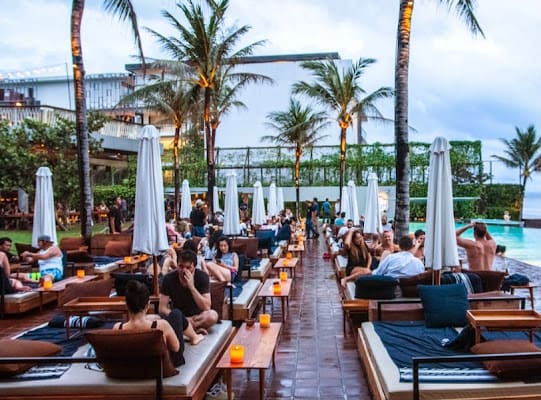
Potato Head Beach Club
Iconic beachfront complex with an infinity pool, multiple bars, and international DJs on weekends. Cocktails start around 150,000 IDR.
Jl. Petitenget No.51B, Seminyak
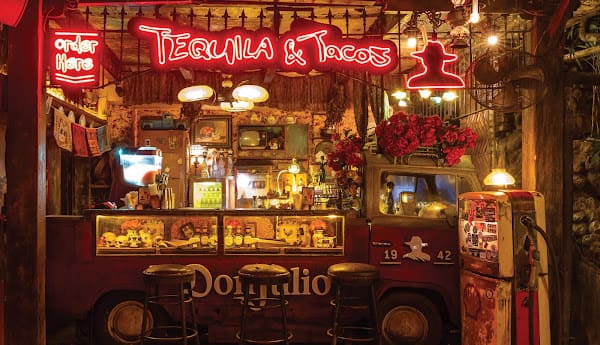
La Favela
Jungle-themed multi-level venue that fills up after midnight. Eclectic decor with vintage furniture and dense tropical plants throughout.
Jl. Kayu Aya No.177X, Seminyak
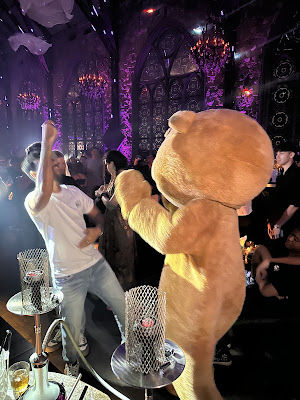
Mirror Lounge & Club
Gothic cathedral-inspired interior with high ceilings and dramatic lighting. Attracts a well-dressed crowd and books international DJs regularly.
Jl. Petitenget No.106, Seminyak
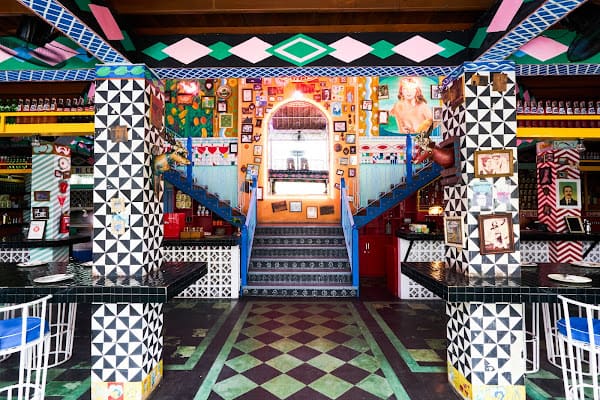
Motel Mexicola
Retro Mexican-themed bar with a colorful courtyard. DJs play funk, disco, and Latin beats to a fashion-conscious crowd.
Jl. Kayu Jati No.9X, Seminyak
Red Ruby
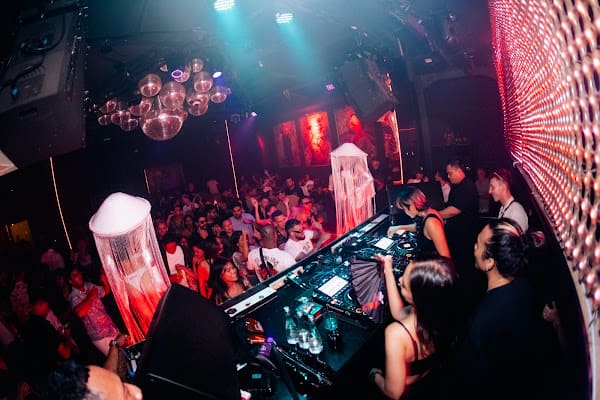
Compact cocktail bar tucked into a Seminyak side street. Strong mixology focus with creative drinks and a more intimate atmosphere than the bigger clubs.
Ku De Ta
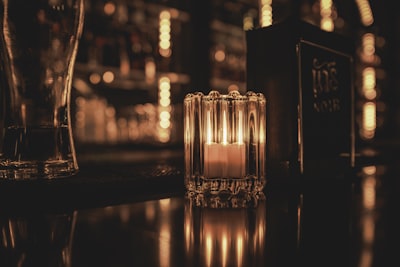
Pioneer Seminyak beach club on Jalan Kayu Aya with sunset views, international DJs, and premium cocktails. Daybeds and cabanas available with minimum spend.

ShiShi Bali
Three-in-one venue on Jalan Petitenget combining an izakaya lounge at ground level with two dance floors upstairs playing house and hip-hop.
Mrs Sippy Bali
Pool club with a saltwater pool, swim-up bar, and DJ booth playing tropical house. Popular for day-to-night drinking sessions on weekends.
The Iron Fairies
Victorian-themed cocktail bar with handcrafted iron fairies hanging from the ceiling. Dark, intimate interior with craft drinks and a speakeasy atmosphere.
La Brisa
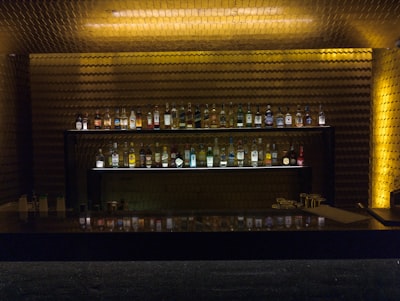
Beachfront bar built from reclaimed wood with a bohemian-surf aesthetic. Live DJs from late afternoon, strong cocktails, and a crowd that drifts in from the beach.
Mexicola Beach Club
Mexican-inspired beach bar with colorful murals, margaritas, and Latin-funk DJ sets. Fills up for sunset and keeps the energy going past midnight.
Overview and Location
Seminyak occupies the coastal strip north of Legian, stretching roughly from Jalan Arjuna up through Jalan Petitenget. It shares the same beach as Kuta but feels like a different world. Where Kuta is cheap drinks and backpacker energy, Seminyak is cocktail bars, designer boutiques, and beach clubs with infinity pools.
This guide is based on multiple evenings spent in Seminyak.
Two main roads define the area. Jalan Kayu Aya, known locally as "Eat Street" or "Oberoi Street," runs through the heart of the district and is lined with restaurants and bars. Jalan Petitenget, running parallel closer to the coast, holds many of Seminyak's most well-known venues. The beach itself is the anchor for the daytime scene, with several major beach clubs built directly on the sand. At night, the action shifts inland to cocktail bars and a small number of clubs. Seminyak draws an older, more affluent crowd than Kuta, including expats, digital nomads, and tourists looking for something beyond cheap Bintang and foam parties.
Legal Status
The same Indonesian laws that apply everywhere in the archipelago apply in Seminyak. Prostitution is illegal. Entertainment venues operate under business licenses for restaurants, bars, and beach clubs. Seminyak's upscale positioning means the entertainment industry here presents differently than in Kuta or on mainland Java. You won't find the overt red-light dynamics of some other Southeast Asian destinations.
Bali's Hindu majority and tourism-dependent economy create a permissive baseline. Police presence in Seminyak is light, focused on traffic enforcement and maintaining public order. Drug enforcement remains the exception. Indonesian narcotics laws carry extreme penalties, and Bali has seen high-profile convictions of foreign nationals. The refined atmosphere in Seminyak doesn't change this reality one bit.
Costs and Pricing
Seminyak is Bali's most expensive nightlife zone. Prices here approach what you'd pay in mid-range Bangkok or parts of Singapore.
Beach Clubs:
- Potato Head (Jl. Petitenget No. 51B): No entry fee outside peak hours. Peak hour entry (4:30 PM to 7 PM) is IDR 180,000-250,000, redeemable against food and drinks. Daybeds start at IDR 1,500,000 for two people. Cabanas run IDR 3,000,000 and up
- Ku De Ta (Jl. Kayu Aya No. 9): No cover on general seating. Daybeds range from IDR 1,000,000 on Monday and Tuesday to IDR 2,400,000 on weekends for premium spots
- Mrs Sippy, La Brisa: Similar pricing structures with free general entry and minimum spend requirements on premium seating
Drinks:
- Cocktails at beach clubs: IDR 120,000-200,000 (USD 7.50-12.50)
- Cocktails at bars: IDR 100,000-180,000 (USD 6-11)
- Beer (domestic): IDR 45,000-70,000 (USD 3-4.50)
- Beer (imported): IDR 70,000-120,000 (USD 4.50-7.50)
- Bottle service at clubs: IDR 1,500,000-5,000,000 depending on brand
Dining:
- Mid-range restaurant main course: IDR 120,000-250,000 (USD 7.50-16)
- Fine dining: IDR 300,000-600,000 per person (USD 19-38)
Other:
- Spa treatments (one hour): IDR 200,000-500,000 (USD 12.50-31)
- Grab/Gojek ride to Kuta: IDR 15,000-30,000
These prices are two to three times what you'd pay in Kuta. The tradeoff is better quality drinks, cleaner venues, and a more comfortable atmosphere.
Street-Level Detail
The daytime scene centers on the beach clubs. Potato Head sits on the beachfront along Jalan Petitenget and operates from late morning through evening, with resident DJs building the energy as sunset approaches. The venue's eco-conscious design and large pool area have made it one of the most photographed spots on the island. Ku De Ta, slightly south at Jalan Kayu Aya No. 9, pioneered the Bali beach club concept and still draws crowds for its sunset views and international DJ bookings.
Jalan Petitenget is where the evening bar scene lives. The Iron Fairies blends Victorian design with craft cocktails in a setting that feels transported from another era. ShiShi, nearby, operates as three venues in one building: an Izakaya lounge at ground level, with two dance floors upstairs playing different genres. Mirror Lounge brings Gothic-inspired architecture together with serious sound systems and international DJ acts.
Jalan Kayu Aya's restaurants transition into drinking venues as the evening progresses. Many places that serve dinner at 7 PM have cleared the tables for cocktails by 10 PM. The strip attracts a well-dressed, international crowd.
40 Thieves was a notable cocktail bar above Mad Ronin on Jalan Petitenget. It has been in the process of relocating, so check current status before visiting. Bali's bar scene shifts frequently; venues open and close with each season.
Safety
Seminyak is one of the safer nightlife areas in Southeast Asia. The upscale positioning, higher price points, and established venue operators reduce many of the risks common in budget nightlife zones.
The methanol risk that plagues Kuta is lower here but not zero. Stick to named brands and established venues. Drink spiking reports are less common than in Kuta, but basic precautions still apply: watch your glass and don't accept drinks from strangers. Petty theft is the most frequent crime, usually phone snatching on quieter streets. Traffic remains a hazard; Seminyak's narrow roads and aggressive motorbike traffic make walking between venues after dark a moderate risk. Use Grab or Gojek for anything beyond a short walk.
BIMC Hospital in Kuta (approximately 15 minutes south) is the nearest quality medical facility.
Cultural Context
Seminyak sits in a strange position. It's one of the most internationally oriented neighborhoods in Indonesia, yet it's surrounded by functioning Balinese Hindu communities. Temples are active throughout the area, and ceremony processions regularly close roads without warning.
Pura Petitenget, a significant sea temple, sits at the northern end of the beach. It's a working temple, not a tourist attraction. Dress respectfully if you visit, and don't enter temple grounds in beachwear. Canang sari offerings are placed on sidewalks throughout Seminyak every morning. Stepping on them is offensive to local people, even if the sidewalk is crowded. Nyepi shuts everything down for 24 hours, including beach clubs and five-star hotels. No flights, no driving, no leaving your accommodation. The date changes annually (typically March); check before booking.
Scam Warnings
Beach club daybed bait-and-switch: Some visitors book daybeds through third-party apps at prices that don't match what the venue charges on arrival. The venue then demands the full minimum spend or moves you to general seating. Book directly through the beach club's official channels, and confirm minimum spend requirements before arriving. Screenshot any booking confirmation.
Taxi cartel zones: Certain areas near Seminyak's beach clubs block Grab and Gojek pickups, forcing you into overpriced local taxis. Walk a block or two to a main road before ordering a ride-hailing car.
Counterfeit goods: Boutiques along Jalan Kayu Aya and Jalan Laksmana sell items presented as designer brands at prices that suggest authenticity. They're not authentic. If you buy knowing they're copies, that's your choice, but don't pay designer prices.
Motorbike rental damage claims: The same scam that runs in Kuta operates here. Photograph the bike thoroughly before riding and use your own lock if possible.
Nearby Areas
Legian and Kuta are directly south. The nightlife there is louder, cheaper, and rougher. It's a short Grab ride or a 20-minute walk from southern Seminyak. Good for late-night clubbing after Seminyak's venues close.
Canggu, further north past Berawa, has its own distinct scene centered on digital nomads, surf culture, and a growing number of beach clubs like The Lawn and La Brisa. It's less polished than Seminyak but increasingly popular.
Petitenget is sometimes treated as a separate area from Seminyak proper, running along the northern stretch of Jalan Petitenget. In practice, it blends directly into Seminyak with no clear boundary.
Meeting People Nearby
Seminyak's beach clubs are natural social settings. Potato Head and Ku De Ta draw mixed international crowds, and conversations start easily over afternoon drinks. The restaurant scene along Jalan Kayu Aya attracts expats and longer-term visitors. For a more structured social life, Canggu's coworking spaces (Dojo Bali, Outpost) and the associated nomad community are a short ride north. See the main Bali city guide for more on the island's social and dating scene.
Best Times
- 2 PM to sunset: Beach club peak hours; arrive by 2 PM to claim good seating without a daybed booking
- 8 PM to 11 PM: Bar scene on Jalan Petitenget and Kayu Aya fills up
- 11 PM to 1 AM: Clubs like ShiShi and Mirror Lounge hit peak
- Weekends: Noticeably busier, especially Saturday nights
- Dry season (April to October): Best weather, highest tourist numbers
- Sunset (roughly 6 PM to 6:30 PM): The golden hour at beach clubs; the entire atmosphere shifts
What Not to Do
- Do not assume Seminyak's polished appearance means drug laws are relaxed; Indonesia's narcotics penalties are severe
- Do not buy cheap cocktails from street vendors, even in an upscale area; methanol risk exists everywhere in Bali
- Do not block or disrespect temple ceremonies, which regularly close Seminyak streets
- Do not step on canang sari offerings placed on sidewalks
- Do not ride motorbikes after drinking; Seminyak's narrow roads and aggressive traffic make this especially dangerous
- Do not leave valuables unattended on the beach or at pool areas
- Do not engage with anyone who appears underage; report concerns to local authorities
Get the Legal Status PDF, 50 countries
Newsletter signup coming soon. Check back shortly.
Related Guides
Bali Overview
City guide to adult nightlife in Bali, covering entertainment areas, safety advice, and cultural context.
Read guideKuta / Legian
Guide to Kuta and Legian nightlife in Bali, covering Jalan Legian bars, clubs, safety tips, and practical costs for visitors.
Read guideSanur
Guide to Sanur on Bali's southeast coast, covering expat bars, live music venues, beach restaurants, safety advice, and cultural context.
Read guideFrequently Asked Questions
Was this guide helpful?