Kuta / Legian
Illegal but Tolerated3/5ModerateGuide to Kuta and Legian nightlife in Bali, covering Jalan Legian bars, clubs, safety tips, and practical costs for visitors.

Where to stay near Kuta / Legian
Hotels walking distance from the venues on this page.
See places to stay and current pricesAfter Dark
Sorted by rating and popularity
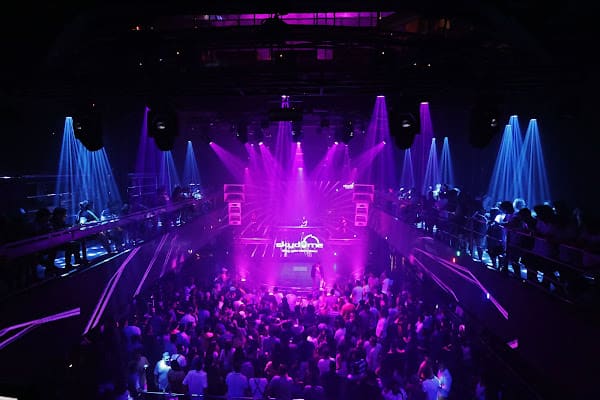
Sky Garden Bali
Multi-level rooftop club on Jalan Legian with different music zones across several floors. Popular with tourists for its free entry promotions and drink deals.
Jl. Legian No.61, Legian
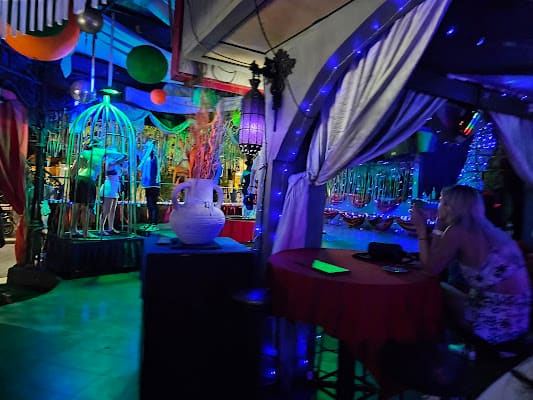
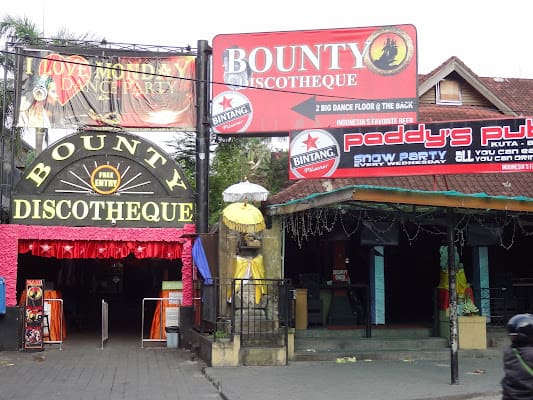
Bounty Discotheque
Ship-shaped nightclub that's been a Legian landmark for decades. Plays mainstream dance and hip-hop to a young international crowd.
Jl. Legian, Kuta
Paddy's Club
Rebuilt after the 2002 bombings, this open-air bar stays packed with backpackers and surfers. Cheap drinks and loud pop music until late.
Jl. Legian No.166, Kuta
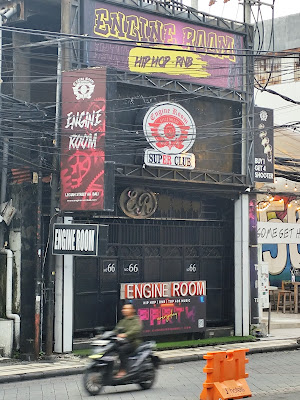
Engine Room
Industrial-themed club next to Sky Garden drawing a similar tourist crowd. Regular DJ nights with house and EDM on the main floor.
Jl. Legian No.61, Legian
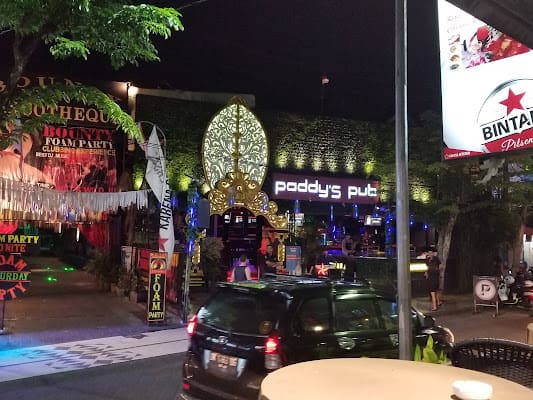
Vi Ai Pi Club
Multi-room venue on the Legian strip known for themed party nights and rotating DJs. Entry is often free before midnight on weekdays.
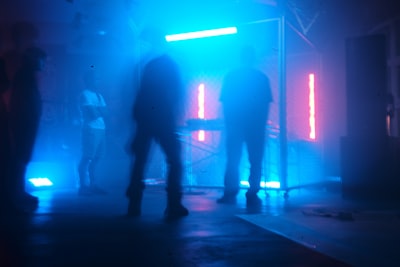
Jenja Bali
Two-level club inside TS Suites on Jalan Nakula with a polished interior and quality sound system. House and techno DJs draw a crowd willing to pay a step above Kuta prices.
Velvet Hypnotized
Underground-style club on the Legian strip playing hip-hop and R&B to a young international crowd. Regular ladies' night promotions and guest DJ appearances.
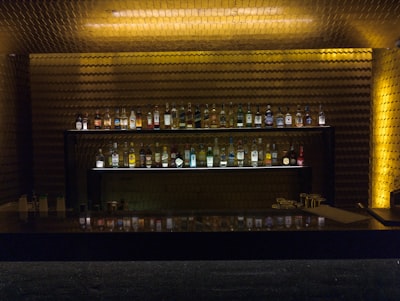
Eikon Bar
Open-front bar on Jalan Legian with cheap Bintang promotions and live acoustic sets on weeknights. Stays busy from happy hour through midnight.
Gracie Kelly's
Irish pub near Poppies Lane serving draught beer and pub food. Pool tables, live sport on screens, and a reliable late-night kitchen.
De Ja Vu Music Bar
Live music venue on a Legian side street with nightly cover bands playing classic rock and pop hits. No cover charge, reasonable drink prices.
Pyramid Club
Compact club near the Bounty that fills up after 1 AM with a mix of locals and tourists. Plays mainstream dance and Top 40 tracks.
Overview and Location
Kuta and Legian sit on Bali's southwestern coast, roughly five kilometers north of Ngurah Rai International Airport. The two areas blend together without any clear boundary, connected by Jalan Legian, a road that runs roughly two kilometers from Kuta Beach northward into Legian. This strip and its branching side streets form the densest concentration of bars, nightclubs, and entertainment venues on the island.
We visited every venue listed below in person.
The area developed as Bali's first major tourist zone in the 1970s and has kept that role ever since. It draws a younger crowd than Seminyak to the north, with prices to match. Australian tourists make up a significant portion of the nightlife crowd, particularly during school holidays and peak season. The atmosphere is loud, informal, and geared toward cheap drinks and late nights. Side streets like Poppies Lane 1 and Poppies Lane 2 branch off Jalan Legian into clusters of smaller bars, hostels, and late-night food stalls.
Legal Status
Prostitution is illegal across Indonesia, and Bali is no exception. Entertainment venues in Kuta and Legian operate under standard business licenses as bars, clubs, and restaurants. The gap between the legal framework and street-level reality is wide, particularly in a tourism-dependent area like this one.
Bali's Hindu-majority population and reliance on foreign tourism create an environment that's far more permissive than anywhere on mainland Java. Local police in the Kuta area focus enforcement on drug offenses, public order, and traffic violations rather than policing what happens inside licensed bars. Periodic crackdowns occur but rarely change the baseline atmosphere for more than a few weeks. Drug laws, however, are enforced aggressively. Bali has a documented history of severe sentences for foreign nationals caught with narcotics.
Costs and Pricing
Kuta and Legian offer some of the cheapest nightlife in Southeast Asia. Competition between venues keeps prices low, and promotions are constant.
Drinks:
- Domestic beer (Bintang, large bottle): IDR 25,000-40,000 (USD 1.50-2.50)
- Imported beer: IDR 50,000-80,000 (USD 3-5)
- Basic cocktails: IDR 40,000-80,000 (USD 2.50-5)
- Cocktails at upscale venues: IDR 80,000-150,000 (USD 5-9)
Club Entry:
- Sky Garden (Jl. Legian No. 61): IDR 150,000 (USD 9.50) including two drinks. Ladies often enter free between 9 PM and 11 PM. The all-you-can-eat buffet promotion with free-flow drinks runs around IDR 100,000-200,000
- Bounty (Jl. Legian): Entry varies by night, typically IDR 50,000-100,000 including a drink
- Engine Room, Paddy's Pub: Often no cover charge, with drink minimums instead
Other costs:
- Massage parlors along side streets: IDR 80,000-200,000 (USD 5-13) per hour depending on type
- Street food near Poppies Lane: IDR 15,000-40,000 per dish
- Grab/Gojek ride to Seminyak: IDR 15,000-30,000
Drink promotions are everywhere. Happy hours run from late afternoon through early evening at most bars, and many clubs offer package deals that include entry and multiple drinks. Be cautious with extremely cheap drink deals at unknown venues, as the risk of counterfeit alcohol increases at the bottom end of the price range.
Street-Level Detail
Jalan Legian is the spine of everything. Walking north from the Kuta Beach end, the first stretch is lined with souvenir shops, money changers, and casual bars. The density of nightlife venues increases as you move toward Legian, with the heaviest concentration between Jalan Melasti and Jalan Padma.
Sky Garden at Jl. Legian No. 61 is the most recognizable venue, a multi-level complex with rooftop bars, dance floors playing different music genres on each level, and a restaurant level. It's been a Kuta landmark for years. A few doors down, Bounty is hard to miss. Its ship-shaped exterior houses foam parties, pool tables, and a karaoke section. Paddy's Pub, an Irish-themed bar on the same strip, runs live music and cheap drink specials most nights.
The side streets hold a different atmosphere. Poppies Lane 1 and Poppies Lane 2, running perpendicular to Jalan Legian, are narrower and more chaotic. Small bars with open fronts compete for attention. Touts stand in doorways calling out drink prices. The further you go from the main road, the seedier things get, and the more care you should take.
Jenja, located in TS Suites on Jalan Nakula, offers something more polished than the typical Kuta bar. Two levels of house music and a more curated atmosphere attract a crowd that's willing to pay slightly more for a cleaner experience.
Safety
The Kuta and Legian strip is well-trafficked and reasonably safe during peak hours. Most serious incidents involve alcohol-related problems rather than targeted crime against tourists.
Methanol poisoning is the single most dangerous risk. Budget bars and street vendors occasionally serve spirits containing industrial methanol instead of ethanol. Symptoms include blurred vision, severe headache, and confusion. This kills tourists every year. Stick to sealed bottles of name-brand spirits and avoid arak from unknown sources.
Drink spiking is reported regularly, particularly in smaller bars off the main strip. Don't leave your glass unattended. Bag snatching by motorbike riders happens on quieter side streets after midnight. Keep phones and wallets secure and avoid walking alone on poorly lit roads. BIMC Hospital in Kuta is the nearest quality medical facility, open 24 hours.
Cultural Context
Kuta exists in a bubble that doesn't represent broader Balinese culture. The area has been shaped by decades of international tourism, and the norms here are far removed from what you'll find even a few kilometers inland. Balinese people working in Kuta's nightlife industry are accustomed to tourist behavior, but their patience has limits.
The Balinese are Hindu, and temple ceremonies happen frequently, even in Kuta. Don't interfere with processions or ceremonies. Canang sari (small offering baskets) are placed on sidewalks daily; stepping on them is considered deeply disrespectful. During Nyepi (Balinese New Year, usually in March), the entire island shuts down for 24 hours, including all bars and clubs. No exceptions. Plan your trip around it if it falls during your visit.
Scam Warnings
Methanol-laced drinks: This isn't a traditional scam but a life-threatening hazard. Some budget bars and street sellers mix industrial methanol into cheap cocktails or local arak. If a drink tastes unusually harsh or chemical, stop immediately. Symptoms of methanol poisoning include blurred vision, dizziness, and nausea. Seek emergency medical help at BIMC Hospital Kuta without delay. Multiple tourists die from this every year in Bali.
Money changer shortchanges: Small exchange offices on Jalan Legian use sleight-of-hand techniques with calculators and rapid bill counting. They display an attractive rate, then deliver less money. Use ATMs or established exchange offices with clear posted rates.
Motorbike damage claims: Rental operators sometimes blame returning customers for pre-existing scratches. Photograph the bike from every angle before riding off, and never leave your passport as a deposit.
Taxi overcharging: Unofficial drivers outside clubs quote inflated fares, especially after midnight. Use Grab, Gojek, or Blue Bird metered taxis.
Nearby Areas
Seminyak starts where Legian fades out to the north. It's a 10-minute ride or a 20-minute walk from the northern end of Jalan Legian. The nightlife there is more upscale, with beach clubs, cocktail bars, and higher prices. It's a natural progression for visitors who find Kuta too rough around the edges.
Tuban, south of Kuta toward the airport, has a scattering of hotel bars and restaurants but isn't a nightlife destination. Sanur, on the east coast, attracts an older, quieter crowd. Canggu, further northwest, has developed its own scene centered on digital nomads and surf culture.
Meeting People Nearby
Kuta's social interactions tend to be brief and alcohol-fueled. For more genuine connections, head north to Seminyak's beach clubs or Canggu's coworking spaces, where longer-term travelers and digital nomads gather. Surf schools at Kuta Beach and yoga studios in nearby areas offer structured social settings without the bar dynamic. For a full overview, see the main Bali city guide.
Best Times
- 10 PM to 2 AM: Peak hours on Jalan Legian, busiest on Friday and Saturday nights
- Midnight to 4 AM: Late-night clubs like Sky Garden and Bounty hit their peak
- July and August: High season, maximum tourist numbers, every venue is packed
- December to January: Second peak season, holiday crowds
- Happy hours (5 PM to 8 PM): Best drink deals along the strip
- Avoid Nyepi: The island shuts down completely for 24 hours, check the date before booking
What Not to Do
- Do not drink arak or cocktails from unknown budget venues; methanol poisoning is a real and documented killer
- Do not carry or use drugs; Bali has imposed severe sentences on foreign nationals, including death penalties
- Do not leave drinks unattended in any bar
- Do not walk alone on poorly lit side streets after midnight
- Do not ride a motorbike while intoxicated; this is the top cause of tourist injuries in Bali
- Do not step on canang sari (offering baskets) placed on sidewalks
- Do not leave your passport as deposit for motorbike rentals
- Do not engage with anyone who appears underage; report concerns to local authorities
Get the Legal Status PDF, 50 countries
Newsletter signup coming soon. Check back shortly.
Frequently Asked Questions
Related Guides
Bali Overview
City guide to adult nightlife in Bali, covering entertainment areas, safety advice, and cultural context.
Read guideSanur
Guide to Sanur on Bali's southeast coast, covering expat bars, live music venues, beach restaurants, safety advice, and cultural context.
Read guideSeminyak
Guide to Seminyak nightlife in Bali, covering beach clubs, upscale bars, cocktail venues, safety advice, and practical tips.
Read guideWas this guide helpful?