Centro
Semi-Legal2/5RiskyDistrict guide to Centro in Rio de Janeiro, covering termas, sauna clubs, safety warnings, costs, and practical advice.

Where to stay near Centro
Hotels walking distance from the venues on this page.
See places to stay and current pricesThe Nightlife Scene
Hand-picked spots in this district
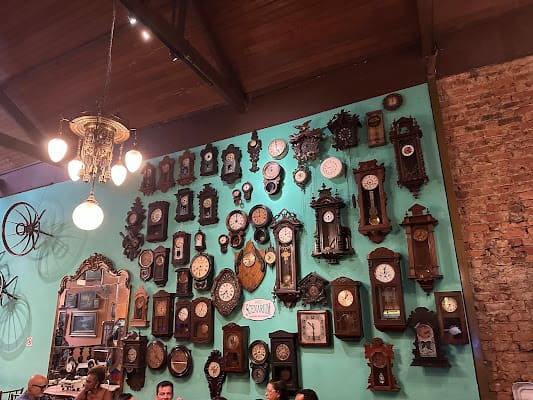
Rio Scenarium
Three-story venue in a restored colonial warehouse filled with antiques and vintage decor. Live samba and choro bands play nightly, drawing a mixed crowd of locals and visitors.
Rua do Lavradio, 20
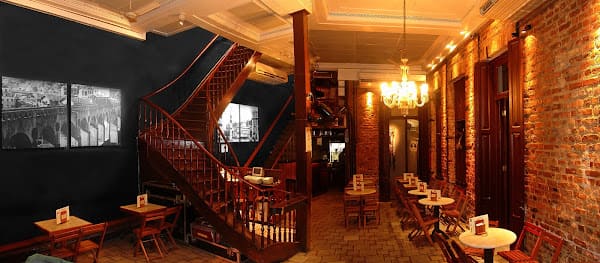
Carioca da Gema
Intimate samba house that books some of Rio's best traditional musicians. The small dance floor gets packed on weekends, so arriving before 10 PM is a good idea.
Rua Mem de Sá, 79
Lapa 40 Graus
Multi-level club near the Arcos da Lapa with different music styles on each floor. Expect samba, funk carioca, and electronic sets depending on the night.
Rua do Riachuelo, 97
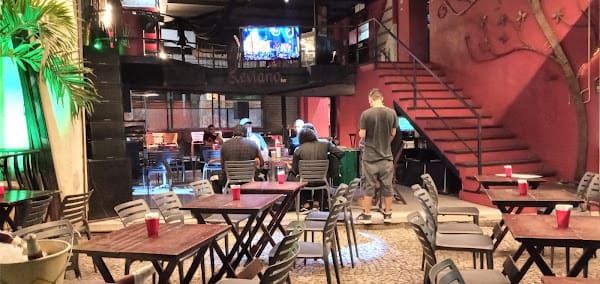
Leviano Bar
Underground cocktail bar tucked into a basement space downtown. Known for creative drinks and a DJ lineup that leans toward house and disco.
Rua do Mercado, 23
Bar Bukowski
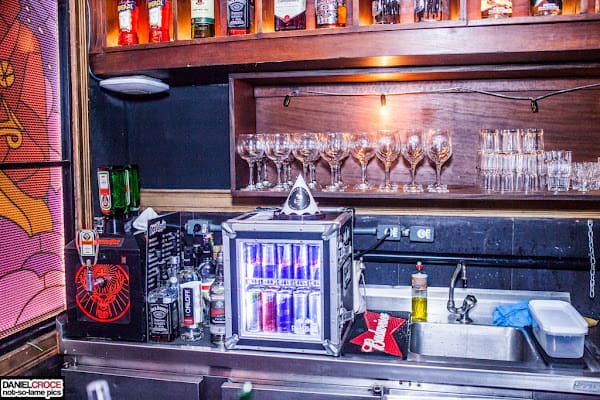
Low-key spot popular with the local after-work crowd and bohemian regulars. Cold draft beer and simple petiscos keep the atmosphere unpretentious.
Rua Álvaro Alvim, 37
Angu do Gomes
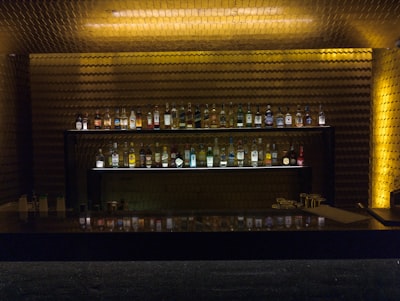
Historic boteco operating since 1955, tucked into a narrow storefront near Praca Tiradentes. Known for its namesake angu dish and cold draft beer served to a loyal crowd of regulars.
Rua do Lavradio, 35
Bar Brasil
German-Brazilian bar that has occupied the same Lapa-adjacent corner since 1907. Serves cold chopp, sausages, and sauerkraut in a high-ceilinged hall with ceiling fans and worn wooden tables.
Av. Mem de Sá, 90
Trapiche Gamboa
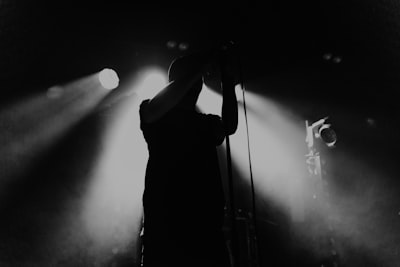
Samba and choro venue in the revitalized port area, set inside a restored 19th-century warehouse. Live bands perform on a raised stage while the crowd dances on the concrete floor below.
Rua Sacadura Cabral, 155
Pedra do Sal
Open-air samba gathering at the historic Pedra do Sal rock formation in the Saude neighborhood. Monday and Friday night rodas de samba draw hundreds of people to the cobblestone square.
Largo João da Baiana, Saude
Sacrilege Bar
Two-story bar on Rua do Lavradio that fills its upper balcony with a chatty crowd drinking caipirinhas on weekend nights. The ground floor hosts occasional live samba acts.
Av. Mem de Sá, 81
Overview and Location
Centro is Rio de Janeiro's downtown commercial district, a dense grid of office towers, government buildings, historic churches, and colonial-era architecture that stretches from the waterfront near Praca Maua inland toward the Sambadrome. During business hours it's packed with office workers, bureaucrats, and street vendors. After 7 PM on weekdays, and throughout weekends, much of the district empties out. This contrast between daytime crowds and nighttime quiet defines the area's character.
Prices confirmed through direct visits in February 2026.
For visitors interested in Rio's adult entertainment scene, Centro matters for one primary reason: it's where the city's termas are concentrated. These sauna-club venues, scattered across the blocks around the Carioca, Cinelandia, and Uruguaiana metro stations, represent the most controlled and organized segment of Rio's adult nightlife industry.
Legal Status
Brazil's legal framework treats individual sex work as legal for consenting adults. What's illegal is operating a brothel (casa de prostituicao), pimping, or profiting from another person's sex work. Termas operate in the gap between these rules. They hold business licenses as saunas, bars, or entertainment venues. The establishments provide facilities (sauna, pool, bar, rooms), while transactions between workers and clients are framed as private arrangements between adults.
This model has operated in Rio for decades with minimal legal disruption. Police enforcement in the area focuses on trafficking, underage exploitation, and drug activity rather than the terma business itself. Periodic inspections do occur, and venues have been temporarily shut down for licensing issues or fire code violations, but the business model continues.
During Carnival and major events, enforcement patterns shift. Some venues may alter their hours or temporarily close. Checking current status before visiting is advisable.
Costs and Pricing
Terma entry fees vary by establishment and typically run R$80-200 (roughly USD 15-40). This fee usually includes towel and robe rental, access to sauna and pool facilities, and a buffet or snack bar. Some venues include drinks in the entry fee; others charge bar prices (beer R$12-20, cocktails R$25-40).
Private services are negotiated directly with individual workers inside the venue. Standard rates run R$250-500 for a session of 40-60 minutes, though prices vary based on the establishment's tier and individual negotiation. Higher-end venues with more upscale facilities tend to have higher service rates.
Taxi or Uber fare from Copacabana or Ipanema to Centro runs R$25-50 depending on traffic and time of day. From the Zona Sul (south zone) neighborhoods, expect a 20-30 minute ride outside of rush hour.
Conventional bars and restaurants in Centro that cater to the office crowd are reasonably priced during the day. A lunch at a kilo restaurant (pay-by-weight buffet) costs R$30-50. Beer at a bar runs R$10-18. These establishments mostly close by early evening.
Street-Level Detail
Centro is large and varied. The areas relevant to adult nightlife are concentrated in a few specific zones.
Around Rua do Rosario and Carioca metro station is where several established termas have operated for years. These venues tend to be discreet from the street, with small signage and controlled entrances. You typically ring a bell or knock, and staff verify you before entry. The surrounding blocks are commercial and quiet at night.
Near Cinelandia and Praca Floriano is a more mixed area. The plaza has some conventional nightlife, including bars and restaurants that serve the post-work crowd. The Cinelandia metro station provides easy access. Some adult venues operate in the surrounding blocks.
The area around Uruguaiana metro station is grittier and requires more caution. Street-level activity is more visible here, and the neighborhood has a rougher edge than the blocks around Carioca. This is not an area for casual walking at night.
Praca Maua and the port area have been revitalized in recent years with museums, restaurants, and the Boulevard Olimpico. This section is tourist-friendly during the day but still empties out at night.
The termas themselves vary in quality. Higher-end establishments have clean, well-maintained facilities with pools, saunas, bars, and private rooms. They employ security, maintain hygiene standards, and create a controlled environment. Lower-tier venues are more basic and less predictable. Research specific venues before visiting rather than walking into the first one you find.
Safety
Centro at night requires the highest level of caution of any area covered in this guide for Rio. The district was designed for daytime commerce, and it shows after dark.
Centro empties out after business hours. Streets that are packed with office workers at noon become deserted by 9 PM. This creates opportunity for street crime. Do not walk around Centro at night. Take Uber or 99 directly to your destination and arrange return transport in advance. Walking even short distances between venues after dark is a real risk.
- Use Uber or 99 exclusively. Have your ride ordered before you leave a venue. Do not stand on the street trying to hail a cab or wait for an app pickup in an exposed location
- Go directly to your destination and leave directly. Centro is not a neighborhood for bar-hopping on foot at night
- Do not carry valuables. Leave your passport at the hotel. Bring a photocopy, one phone, and only the cash you plan to spend. Leave watches, jewelry, and extra credit cards behind
- Avoid the area around Uruguaiana metro station on foot after dark. Street crime rates are higher here
- Do not withdraw cash from ATMs in Centro at night. Use ATMs in your hotel neighborhood before heading out
- Cracolandia-adjacent areas near Luz should be avoided entirely. This open drug market area is extremely dangerous
- Phone snatching is common on the streets of Centro. Keep your phone concealed when outdoors
- Inside termas you are generally safe. The venues have security, controlled access, and an interest in maintaining a secure environment for their clientele. Your belongings should be stored in a locker provided by the venue
Cultural Context
Centro is not a social nightlife destination in the way Lapa or Copacabana are. Visitors don't come here to bar-hop, meet people, or experience carioca nightlife culture. The area serves a specific function, and interactions within termas follow a transactional model.
Inside a terma, the environment is structured. You arrive, pay the entry fee, change into a robe, and move to common areas (bar, pool, sauna) where workers are present. Workers initiate contact or are available for conversation. Arrangements are made privately. The etiquette is straightforward: be respectful, negotiate clearly, and treat workers with basic courtesy. Aggressive behavior or disrespect will result in removal by security.
Portuguese is more useful here than in tourist-oriented areas. Staff at established termas may speak basic English, but many workers speak only Portuguese. Having a few key phrases ready, or using a translation app, is practical.
Tipping is not mandatory but is appreciated. R$20-50 for good service is standard. Some workers may expect tips beyond the negotiated price; clarify expectations upfront.
Scam Warnings
"Boa Noite Cinderela" (Good Night Cinderella) drugging is a real threat in Rio. This is the local term for date drugging. It happens in bars, clubs, and adult venues. Victims are drugged, taken to ATMs, and forced to withdraw cash. Never leave your drink unattended, and be cautious about accepting beverages from anyone, even in a seemingly controlled environment.
Fake or unlicensed venues: Not every establishment advertising itself as a terma is legitimate. Unlicensed venues may have no security, no hygiene standards, and may be connected to criminal activity. Stick to established, reviewed venues.
Price inflation: Some venues will quote one price at the door and charge more when you try to leave. Clarify all costs, including entry fee, drinks, and any services, before committing.
Street approaches near venues: Individuals loitering near known terma locations may offer to guide you to "better" or "cheaper" options. These redirections lead to unsafe locations. Ignore them and go directly to the venue you've researched.
ATM escorts: After leaving a venue, someone may follow you and offer "help" getting a taxi or finding an ATM. This is a setup for robbery. Have your Uber ordered before you exit.
Nearby Areas
Lapa borders Centro to the southwest and is Rio's main conventional nightlife district. Samba clubs, live music, and street parties under the Arcos da Lapa aqueduct draw crowds every night of the week.
Copacabana is a 20-minute Uber ride south. The beachfront neighborhood has its own adult nightlife scene, along with conventional bars and restaurants.
Vila Mimosa is northeast of central Centro, near Praca da Bandeira. It's Rio's most established red-light district, operating openly for decades. It's grittier and less controlled than the terma environment.
Meeting People Nearby
Centro is not the area for organic social connections. For conventional nightlife and socializing, Lapa is a short ride away and offers samba clubs, live music venues, and an energetic bar scene. Copacabana and Ipanema have beach culture, kiosks, and bars where meeting people happens naturally. Botafogo has craft beer bars and a younger, more local crowd. For a full overview of Rio's social and dating scene, see the main Rio de Janeiro city guide.
Best Times
- Weekday evenings (Tuesday through Thursday) tend to be quieter at termas, with fewer workers and clients
- Friday and Saturday nights are the busiest, with more workers present and higher energy levels
- After 9 PM is when most termas reach peak activity. Many open around 6 or 7 PM but are slow early
- December through March (Brazilian summer) is high season, with more visitors and busier venues
- Carnival period (February/March) can be unpredictable. Some venues close, others operate on modified schedules. Verify before visiting
- Avoid arriving intoxicated. Venues may refuse entry, and impaired judgment in an unfamiliar area of Rio is a serious safety risk
What Not to Do
- Do not walk around Centro at night. Use ride-hailing apps for all transport
- Do not carry more cash than you plan to spend
- Do not withdraw money from ATMs in Centro after dark
- Do not accept offers from street touts to guide you to venues
- Do not leave your drink unattended in any venue
- Do not engage with anyone who appears underage. Brazilian law treats offenses against minors with extreme severity, and police conduct operations targeting this
- Do not argue with venue security or staff. If there's a disagreement about pricing, pay what they ask and leave. The alternative is worse
- Do not photograph workers or other clients. This will result in your removal and possibly worse
- Do not visit unlicensed or unreviewed venues. Stick to establishments with a track record
- Do not resist if confronted by criminals on the street. Comply, then report to the tourist police (Delegacia de Atendimento ao Turista)
Get the Legal Status PDF, 50 countries
Newsletter signup coming soon. Check back shortly.
Related Guides
Rio de Janeiro Overview
City guide to adult nightlife in Rio de Janeiro, covering key areas, safety warnings, scam awareness, and cultural context.
Read guideCopacabana
Guide to Copacabana's nightlife and adult entertainment scene along Avenida Atlantica, with safety advice and pricing.
Read guideLapa
Guide to Lapa, Rio de Janeiro's bohemian nightlife district famous for samba clubs, street parties, and late-night bars.
Read guideVila Mimosa
Guide to Vila Mimosa, Rio de Janeiro's oldest red-light district near Praca da Bandeira, with safety warnings and practical info.
Read guideFrequently Asked Questions
Was this guide helpful?