Lapa
Semi-Legal3/5ModerateGuide to Lapa, Rio de Janeiro's bohemian nightlife district famous for samba clubs, street parties, and late-night bars.

Where to stay near Lapa
Hotels walking distance from the venues on this page.
See places to stay and current pricesAfter Dark
Sorted by rating and popularity
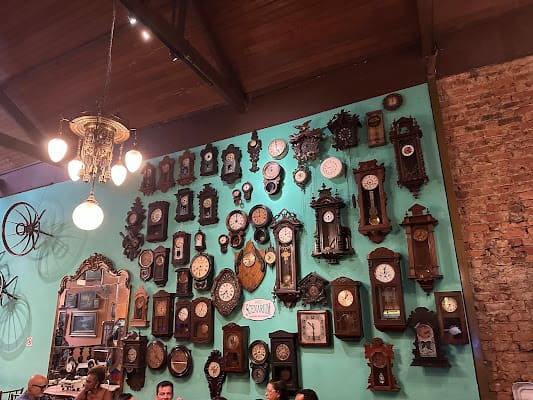
Rio Scenarium
Three-story samba club set inside a restored antique warehouse, filled with vintage decor and rotating live bands. One of Lapa's most recognized nightlife destinations, drawing both tourists and locals.
Rua do Lavradio, 20
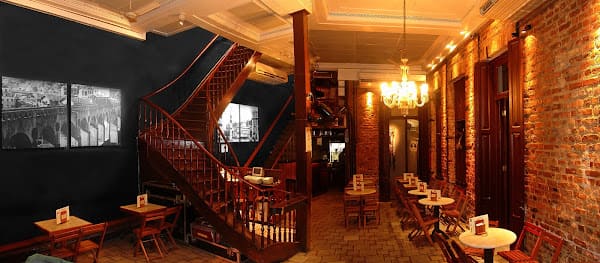
Carioca da Gema
Intimate samba and choro venue with nightly performances from well-known local musicians. The small dance floor fills fast, so arriving before 10 PM on weekends is a good idea.
Rua Mem de Sá, 79

Circo Voador
Open-air concert venue at the foot of the Arcos da Lapa that hosts Brazilian and international acts across genres. The space holds over a thousand people and runs a packed schedule from samba to electronic.
Rua dos Arcos, s/n
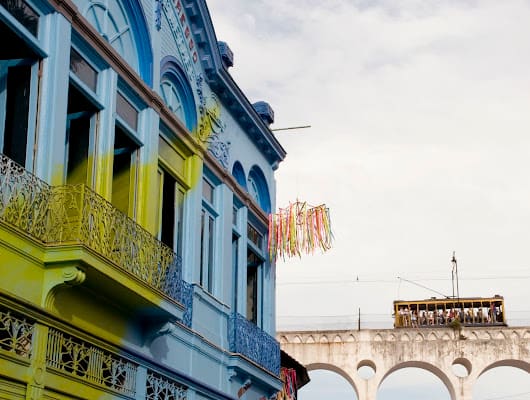
Fundição Progresso
Converted 19th-century iron foundry now operating as a large event space for concerts, DJ nights, and cultural festivals. The industrial interior gives it a raw, warehouse-party feel.
Rua dos Arcos, 24

Lapa 40 Graus
Multi-room club spread across several floors with DJs playing funk carioca, forró, and samba on different stages. Cover charges are low and the crowd skews young and local.
Rua do Riachuelo, 97
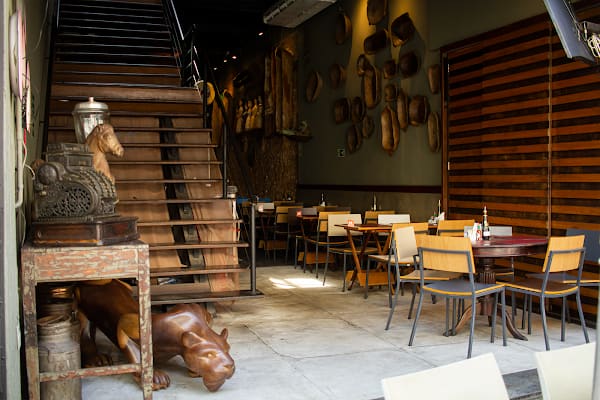
Mangue Seco Cachaçaria
Cachaça-focused bar with an extensive list of artisanal spirits from across Brazil and reliable caipirinhas. The sidewalk tables spill onto the street on busy nights, typical of the Lapa bar scene.
Rua do Lavradio, 23

Democraticos
Historic samba club founded in 1867 as a Carnival society, now operating as a large dance venue under the Arcos da Lapa. The main hall hosts forró and samba nights with a capacity of over 1,500.
Rua do Riachuelo, 91
Casa da Matriz
Multi-room club spread across a converted house with different music on each floor. The ground level plays rock and indie, upstairs leans electronic, and the courtyard hosts live acts.
Rua Henrique de Novaes, 107
Armazem Senado
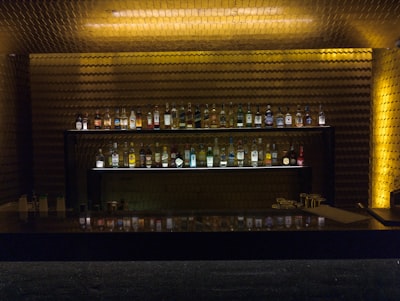
Large bar and restaurant occupying a restored warehouse on Rua do Senado. Draft chopp and pub grub attract a pre-club crowd on Thursday and Friday evenings before they migrate to the main strip.
Rua do Senado, 40

Semente
Small choro and samba venue that books traditional acoustic acts in an intimate room above a restaurant. The crowd is serious about the music and tends to be older than the street party demographic.
Rua Joaquim Silva, 138
The Week
Massive multi-level club in the port area near Lapa that hosts weekend electronic music events with international DJs. The main room holds over 2,000 people, with a pool area open during summer parties.
Rua Sacadura Cabral, 150
Overview and Location
Lapa sits in the center of Rio de Janeiro, just south of the Centro business district and below the hillside neighborhood of Santa Teresa. The area is defined by its most recognizable landmark: the Arcos da Lapa, an 18th-century aqueduct with 42 arches that now carries the Santa Teresa tramway (bonde) across its top. The neighborhood stretches roughly from Praca da Lapa to the base of the Santa Teresa hill, with the main nightlife concentration along Rua Mem de Sa, Rua do Lavradio, and Avenida Gomes Freire.
We visited every venue listed below in person.
During the day, Lapa is an unassuming neighborhood of crumbling colonial buildings, small shops, and quiet streets. On weekend nights it transforms completely. Thousands of people flood the area, bars and clubs pump out samba and funk, and the streets themselves become the venue. It's chaotic, loud, and not for everyone. But it's the most authentic expression of Rio's nightlife culture.
Legal Status
Brazil's legal framework on prostitution applies uniformly across Rio de Janeiro. Individual sex work is legal for consenting adults over 18. Brothel operation, pimping, and exploitation are criminal offenses. Lapa is not primarily an adult entertainment district in the way Copacabana or Vila Mimosa are; it's a general nightlife area where the full range of Rio's after-dark culture plays out.
That said, freelance sex workers do operate in and around Lapa, particularly on the streets bordering the main nightlife zone. Their presence is part of the broader nightlife ecosystem rather than the defining feature of the area. Police enforcement in Lapa focuses on drug dealing, pickpocketing rings, and public order during the large weekend gatherings. The sheer volume of people on weekend nights makes enforcement of anything beyond the most obvious crimes difficult.
Costs and Pricing
Lapa is one of Rio's most affordable nightlife districts, which is a large part of its appeal.
Club cover charges range from R$20-60 depending on the venue and the night. Rio Scenarium, the most famous club in the area, charges R$30-60 on weekends with live music. Carioca da Gema has covers starting around R$25. Smaller bars on the side streets often charge nothing at all.
Drinks inside venues are reasonably priced by Rio standards. Draft beer (chopp) costs R$8-15 at most bars. A caipirinha runs R$15-30 depending on whether you're at a hole-in-the-wall or a sit-down venue. Bottled water is R$5-8. Cocktails at the more established clubs push R$30-45.
Street vendors set up under the arches and along Rua Mem de Sa on busy nights, selling caipirinhas for R$7-15 and beer for R$5-10. These are the cheapest drink options, though quality and hygiene vary. Some vendors use low-quality cachaca, so the hangover risk is real.
Food from street carts is cheap: pasteis (fried pastries) for R$5-10, podroes (street burgers) from R$11. For a sit-down meal before heading out, bars along Rua do Lavradio serve basic plates for R$25-50.
Payment systems at many Lapa venues work on a card system. You receive a card at the door, your purchases are tracked on it, and you pay when you leave. Losing the card usually means paying a steep penalty of R$200-300. Keep the card secure.
Transport via Uber or 99 to Lapa from Copacabana costs R$20-35. From Ipanema, expect R$25-40.
Street-Level Detail
The nucleus of Lapa's nightlife sits on and around Rua Mem de Sa. This is where the biggest clubs are and where the street party concentrates on weekends. On Friday and Saturday nights, the road closes to vehicle traffic and fills with thousands of people moving between bars, dancing, and drinking from plastic cups bought from street vendors.
Rio Scenarium at Rua do Lavradio 20 is Lapa's flagship venue. It's a three-story building packed with antiques, old furniture, and colonial-era artifacts, with live samba bands performing nightly. The place gets packed after 11 PM on weekends, so arriving early or booking a table is smart. Carioca da Gema on Rua Mem de Sa is another cornerstone, with a smaller, more intimate layout and some of the best live samba acts in the city.
Circo Voador and Fundicao Progresso are larger concert venues on Rua dos Arcos that host touring acts and bigger events. They operate on their own schedules, so check listings before showing up.
The streets directly under the Arcos da Lapa become an open-air market on busy nights, with vendors selling food and drinks. Impromptu samba circles (rodas de samba) form on the pavement. These gatherings are spontaneous and open to anyone.
Rua do Lavradio hosts an antiques fair on the first Saturday of each month, which runs into the evening and bleeds naturally into the nightlife. It's one of the better times to experience the area.
Safety
Lapa is one of the riskiest nightlife areas in Rio for petty crime. The combination of large crowds, alcohol, and dark side streets creates ideal conditions for pickpockets and opportunistic thieves.
Pickpocketing is the primary threat. It's extremely common in the dense crowds on weekend nights, particularly around the main strip on Rua Mem de Sa. Wear your bag on the front of your body. Don't keep your phone or wallet in back pockets. Some visitors carry a decoy wallet with a small amount of cash.
Armed mugging happens on the streets bordering the main nightlife zone, especially on the walk between Lapa and the metro or other neighborhoods. Don't try to walk to or from Lapa. Take Uber or 99 directly to and from the door of your chosen venue. When you're ready to leave, call your car from inside the bar and only step outside when it arrives.
The streets between Lapa and Centro become deserted after business hours, and mugging is common in this transition zone. The same applies to the streets leading toward Praca da Bandeira.
Cultural Context
Lapa is where Rio's musical soul lives. Samba originated in the neighborhoods surrounding this area in the early 20th century, and the tradition of live music, street dancing, and communal celebration continues here more authentically than anywhere else in the city.
The crowd in Lapa is genuinely diverse. University students, working-class Cariocas, bohemian artists, and tourists all mix on the same streets. It's not a sanitized tourist experience. The energy is raw, and that's the point. Dress casually; looking too polished marks you as an outsider and a potential target.
Samba and forró are the dominant music styles, though you'll also hear funk carioca, MPB (Musica Popular Brasileira), and rock depending on the venue. Knowing a few basic samba steps will make the experience significantly better. Rio offers free or cheap samba classes at several locations around the city, and picking up the basics takes about an hour.
Scam Warnings
The card penalty scam: Some venues give you a consumption card at the door and charge a heavy fine (R$200-300 or more) if you lose it. Unscrupulous establishments may make the card easy to lose or claim it was never returned. Take a photo of your card, keep it in a secure pocket, and always confirm the penalty amount when you receive it.
Pickpocket teams: Groups work the crowd on busy nights. One person bumps into you or creates a distraction while another lifts your wallet or phone. This is extremely well-organized and happens fast.
Overpriced street drinks: Some vendors charge tourists significantly more than locals for the same caipirinha. Ask the price before buying, and watch what others are paying.
"VIP area" upselling: Some clubs will steer tourists toward a VIP section with a minimum spend requirement that's far higher than the regular area. Ask about pricing before agreeing to be seated anywhere.
Nearby Areas
Santa Teresa is the hillside neighborhood directly above Lapa, connected by the tramway that runs over the arches. It has a quieter, more artistic atmosphere with restaurants, galleries, and guesthouses. It's a good base if you want to be close to Lapa without staying in the thick of it.
Centro is Rio's downtown district, directly north of Lapa. After business hours, most of Centro empties out and isn't safe for walking. Some termas and nightlife venues operate in the area, but access should be by Uber, not on foot.
Gloria and Catete are residential neighborhoods southeast of Lapa with cheaper accommodation options and some local bars. They're within a short Uber ride of the nightlife.
Meeting People Nearby
Lapa's street party atmosphere is inherently social; the entire neighborhood becomes a mixing ground on weekend nights. For a more relaxed daytime scene, Santa Teresa's cafes and restaurants draw a creative, artsy crowd. The Selaron Steps (Escadaria Selaron), connecting Lapa to Santa Teresa, are a daytime tourist landmark where people naturally congregate. For a full overview of Rio's social and dating scene, see the main Rio de Janeiro city guide.
Best Times
- 11 PM to 4 AM, Friday and Saturday: Peak party hours; streets close to traffic
- 10 PM to 2 AM, Thursday: Strong turnout at the main clubs, calmer streets
- Tuesday evening: Rio Scenarium draws a reliable midweek crowd
- First Saturday of the month: Rua do Lavradio antiques fair transitions into nightlife
- Carnival season (February/March): Activity is at its absolute peak; expect massive crowds
- Monday and Wednesday: Most venues are quiet or closed
What Not to Do
- Do not walk to or from Lapa at night; always use Uber or 99 from door to door
- Do not keep your phone in your hand while walking through crowds
- Do not carry more than R$200 in cash on a night out
- Do not lose your consumption card; the replacement fine can be steep
- Do not buy drinks from vendors who won't tell you the price upfront
- Do not wander onto side streets away from the main crowd
- Do not leave your drink unattended or accept open drinks from strangers
- Do not engage with anyone who appears underage; Brazilian law is strict
Get the Legal Status PDF, 50 countries
Newsletter signup coming soon. Check back shortly.
Frequently Asked Questions
Related Guides
Rio de Janeiro Overview
City guide to adult nightlife in Rio de Janeiro, covering key areas, safety warnings, scam awareness, and cultural context.
Read guideCentro
District guide to Centro in Rio de Janeiro, covering termas, sauna clubs, safety warnings, costs, and practical advice.
Read guideCopacabana
Guide to Copacabana's nightlife and adult entertainment scene along Avenida Atlantica, with safety advice and pricing.
Read guideVila Mimosa
Guide to Vila Mimosa, Rio de Janeiro's oldest red-light district near Praca da Bandeira, with safety warnings and practical info.
Read guideWas this guide helpful?