
Before You Travel to Turkey
Five things every smart traveler sorts before booking.
- 1
Passport valid 6+ months from entry date
Most countries refuse entry on passports expiring within six months. Renew now if you're close.
- 2
Visa requirements for Turkey
Some are visa-free, some require an e-visa filed days ahead, some need an embassy appointment.
- 3
Travel insurance booked
A hospital visit in Turkey can run $4,000-15,000 without cover. Credit card insurance usually excludes alcohol-related incidents.
- 4
eSIM data plan ready before landing
Airport SIM kiosks need your passport and overcharge tourists. Install an eSIM in 60 seconds, online before you fly.
- 5
Accommodation reserved in the right district
The wrong neighborhood means a 45-minute taxi every night. Map the venues first, then book.
City Guides in Turkey
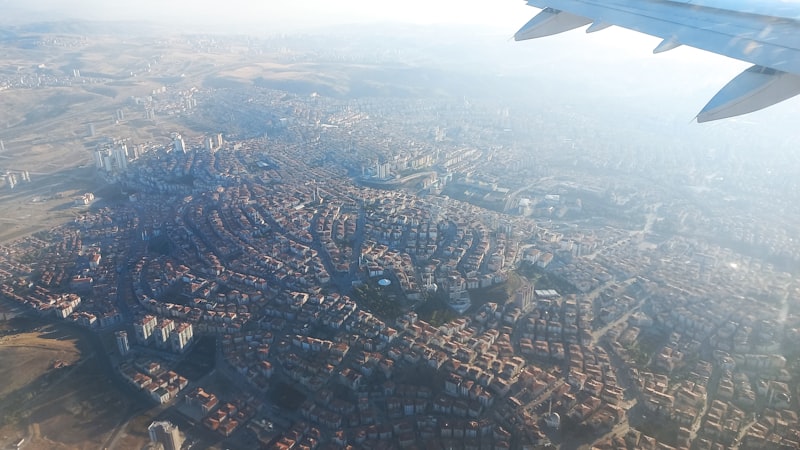
Ankara
City guide to adult nightlife in Ankara, covering districts, legal context, safety advice, and practical tips for Turkey's conservative capital.
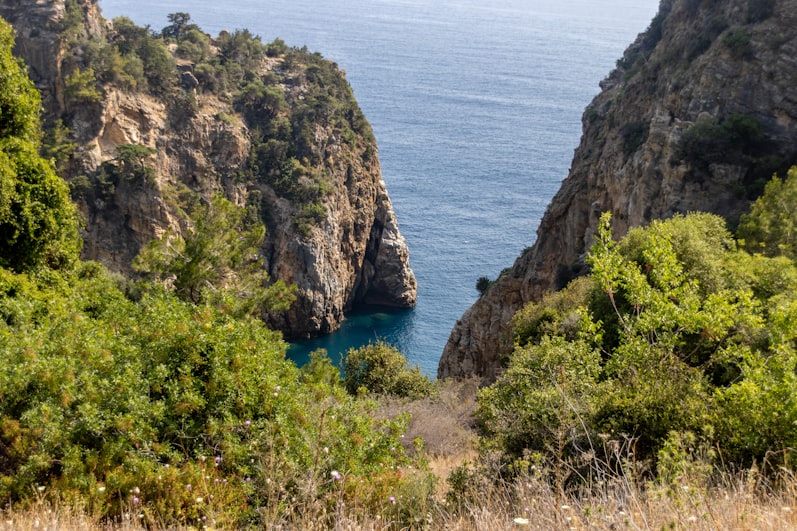
Antalya
City guide to adult nightlife in Antalya, covering districts, legal context, safety advice, and practical tips for Turkey's Mediterranean resort city.
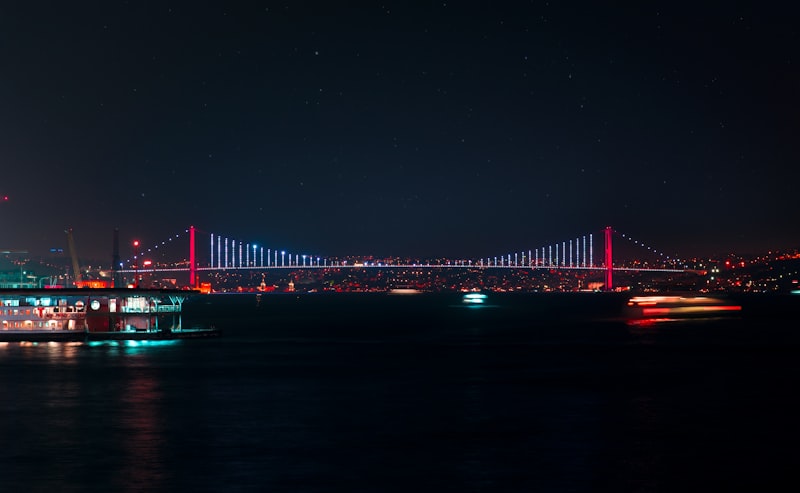
Istanbul
City guide to adult nightlife in Istanbul, covering districts, legal context, safety advice, and practical tips.
Compare hotels in Turkey
Hotels, hostels, and short-term rentals across the country's main nightlife cities.
Legal Framework
Prostitution is legal in Turkey. It has been regulated since the founding of the modern republic in the 1920s, drawing from the Ottoman-era system that formalized brothels under state oversight. The current legal structure requires sex workers to register with the government, undergo regular health checks (typically weekly STI screenings and biannual HIV tests), and work in licensed brothels known as genelevler.
Based on on-the-ground reporting from March 2026.
Only Turkish citizens over 18 can legally register as sex workers. Foreign nationals cannot legally work in the industry. Licensed brothels operate under municipal authority and are inspected by police and health officials. Workers receive a health booklet (vesika) that must be kept up to date. Operating outside the licensed system is illegal.
The law is clear on paper: regulated, state-licensed prostitution in designated brothels is permitted. Everything outside that framework, including street prostitution, unlicensed venues, and pimping, is illegal.
Enforcement Reality
There's a massive gap between law and practice. Turkey has roughly 56 licensed genelevler left, down from hundreds in previous decades. Many municipalities have quietly closed their licensed brothels through bureaucratic pressure rather than legal prohibition, refusing to renew licenses or rezoning the land.
In practice, a large unlicensed industry operates alongside the legal framework. Unlicensed sex work happens in hotels, apartments, massage parlors, and through escort services arranged online or by phone. Police enforcement against unlicensed activity is inconsistent. In tourist areas like Istanbul and Antalya, raids happen periodically, but the industry regenerates quickly.
Street-based solicitation carries real legal risk for both workers and clients. Police operations target street activity more aggressively than indoor venues.
Cultural Context
Turkey sits at a cultural crossroads. The legal framework is secular, inherited from Ataturk's modernization of the 1920s. But Turkish society is conservative by European standards, and public attitudes toward sex work are overwhelmingly negative. There's a strong social stigma attached to any involvement with the industry.
This creates a paradox. The system is legal and state-regulated, but nobody talks about it. Don't expect locals to casually discuss the topic. In conservative cities and neighborhoods, even bringing it up can cause offense. Istanbul's secular, cosmopolitan side tolerates open discussion more readily, but discretion is the operating norm everywhere.
Religious and cultural conservatism has grown stronger over the past two decades, increasing social pressure on the industry even as the legal framework remains intact.
Venue Types
Genelevler (licensed brothels). State-licensed establishments, typically located behind walls in designated areas. Entrance requires passing a police checkpoint. Workers are registered, health-checked, and operate in individual rooms within the compound. Prices are relatively low, typically TRY 500-1,500 ($15-45 USD) per visit. The atmosphere is institutional rather than glamorous. Most genelevler serve a working-class Turkish clientele, and foreign visitors are uncommon but not turned away.
Pavyon (nightclub/cabaret bars). These are entertainment clubs with live music, dancing, and hostess services. Women employed as konsomatris (hostesses) sit with male customers, encourage drink purchases, and provide company. Drinks are expensive. The konsomatris system does not officially involve sexual services, but lines blur at many establishments. Standard drink prices at pavyon run TRY 500-2,000 ($15-60), and a night out can cost TRY 5,000-15,000 ($150-450) before you realize it.
Massage parlors. Some operate as fronts for unlicensed sex work, particularly in tourist areas. Distinguishing between legitimate and illicit operations isn't always straightforward. If a massage parlor is open at midnight and advertising with suggestive imagery, the services on offer probably go beyond a Swedish massage.
Online/escort. A growing portion of the unlicensed market operates through social media, messaging apps, and escort websites. This is entirely illegal and carries risk for both parties.
Costs
Turkey is cheap by European standards, though Istanbul has gotten significantly more expensive since the lira's depreciation began accelerating in 2021. Costs for visitors spending in foreign currency remain very reasonable.
Beer at a bar costs TRY 100-200 ($3-6). Raki (the national spirit) runs TRY 150-300 at a meyhane (traditional tavern). Cocktails at upscale Istanbul bars cost TRY 300-600 ($9-18). Club entry fees range from free to TRY 500 ($15) at higher-end venues.
Street food is excellent and cheap. A doner or lahmacun costs TRY 50-100 ($1.50-3). A sit-down lunch at a lokanta (cafeteria-style restaurant) runs TRY 100-200 ($3-6). Dinner at a mid-range restaurant costs TRY 300-600 ($9-18) per person. Fine dining in Istanbul runs TRY 1,000-3,000+ ($30-90+).
Istanbul's Istanbulkart (transit card) costs TRY 70 for the card plus TRY 20 per ride on metro, tram, bus, and ferry. Taxis are metered but watch for the long-route scam. Uber operates in Turkey through the local integration.
Hotels start at TRY 500-1,000 ($15-30) for budget, TRY 1,000-3,000 ($30-90) for mid-range, and TRY 3,000-10,000+ ($90-300+) for upscale. Hostels run TRY 300-600 ($9-18) for dorm beds.
Dating Culture
Turkish dating culture is conservative compared to Western Europe but liberalized in major cities, particularly Istanbul. There's a strong divide between the secular, urban population and the more traditional, religious segments of society.
In Istanbul, Ankara, and Izmir, dating follows patterns recognizable to Westerners. Couples meet through social circles, university, work, and apps. Coffee dates and evening drinks are standard. Public displays of affection are common in secular neighborhoods but frowned upon in conservative areas.
Outside major cities, traditional norms prevail. Family involvement in relationships is significant. Unmarried couples openly living together remain socially taboo in smaller cities and rural areas. Foreign men dating Turkish women will attract attention and sometimes hostility, particularly in conservative areas.
Turkish men tend to be forward in their approach to foreign women. This is a cultural norm, not necessarily aggression, but it can feel intense. Women traveling alone should be prepared for persistent attention.
Gender dynamics in dating lean traditional even among younger Turks. Men are generally expected to pay, initiate, and lead the interaction. Splitting the bill on a first date is uncommon.
Dating Apps
Tinder is the most used app across Turkey. Bumble has a growing presence in Istanbul and Ankara. Hinge is establishing itself in urban areas. Turkish-specific apps like Happn and Badoo also have significant user bases.
English-language profiles work well in Istanbul and tourist areas. In Ankara and smaller cities, Turkish is expected. Many users keep a low profile on apps, using minimal photos or avoiding face shots due to social stigma around online dating.
Catfishing and scam profiles exist. Standard verification practices apply: video call before meeting, meet in public places, tell someone where you're going. Profiles requesting money upfront are scams. Full stop.
Key Cities
Istanbul is Turkey's largest city and the center of its nightlife scene. The European side, particularly Beyoglu and Taksim, concentrates the main entertainment districts. Aksaray, closer to the old city, has a historically significant presence. The city's position straddling two continents gives it a unique character, mixing European-style nightlife with Middle Eastern cultural undertones.
Ankara is the capital and a more conservative city overall. Its nightlife scene is smaller and more discreet. The Ulus district has historically been the center of adult entertainment. Kizilay is the main conventional nightlife hub. Government employees and university students make up much of the nightlife crowd.
Antalya is Turkey's main Mediterranean resort city. Tourism drives the economy, and the nightlife caters heavily to Russian, German, and British package tourists. The Kaleici (old town) area and the beach strip generate most of the evening activity. Summer months see an enormous influx of visitors.
Safety Considerations
Turkey is generally safe for tourists, but the nightlife scene carries specific risks:
- Drink spiking happens, particularly in tourist bars and pavyon clubs. Never leave a drink unattended
- Be aware of your alcohol consumption. Turkish hospitality often involves pressure to drink more than you planned
- Carry only the cash you need for the evening. Leave cards and excess money at your accommodation
- Use licensed taxis or ride-hailing apps. Negotiate the fare before getting in, or insist on the meter
- Avoid displaying expensive jewelry or electronics in nightlife districts after midnight
- Emergency number is 112 for all services. Tourism police hotline is 153
Common Scams
The bar invitation scam. A friendly local (sometimes a woman) strikes up conversation and suggests "a great bar I know." The bar charges astronomical prices for drinks, and bouncers ensure you pay the bill. This is Istanbul's most common tourist scam and occurs primarily around Taksim and Istiklal Caddesi. Bills of TRY 5,000-20,000+ ($150-600+) are typical. Some victims report physical intimidation when they refuse to pay.
The pavyon trap. Entertainment where a hostess orders champagne or whiskey at inflated prices. The bill arrives at thousands of lira. Always ask for a menu with prices before ordering anything in a venue you don't know.
Taxi scams. Drivers take long routes, claim the meter is broken, or switch to long-distance rates. Use apps when possible. From the airport, use only the licensed taxi stand and confirm your approximate fare beforehand.
Fake police. Individuals posing as plainclothes police ask to see your wallet or passport. Real police carry identification and will never ask to inspect your wallet's contents. Ask to see ID, and offer to walk to the nearest police station.
What Not to Do
- Do not engage with street touts near Istiklal Caddesi or Taksim Square. The "friendly stranger" who speaks your language is working a scam
- Do not carry large amounts of cash to nightlife areas
- Do not accept invitations to unknown bars from people you just met on the street
- Do not photograph workers or the interior of adult entertainment venues
- Do not discuss prostitution or adult entertainment topics with strangers or in conservative neighborhoods
- Do not assume that an unlicensed venue operates legally. Check your surroundings and use common sense
- Do not get into unmarked taxis, especially late at night near entertainment districts
- Do not insult Turkish culture, religion, or Ataturk. This can escalate quickly and is actually a criminal offense
Sources
- U.S. Department of State: Turkey Travel Advisory - Entry requirements, safety alerts, and local law summary
- UK Foreign, Commonwealth & Development Office: Turkey Travel Advice - Safety, health, and legal information for travelers
- Australian Government Smartraveller: Turkey - Travel advisory and practical information
Get the Legal Status PDF, 50 countries
Newsletter signup coming soon. Check back shortly.
Emergency Information: Turkey
- Emergency:
- 112
- Tourist Police:
- 153 (tourism police hotline)
- Embassy Note:
- Most embassies are located in Ankara. Consulates operate in Istanbul and occasionally in Antalya or Izmir.
Similar Countries in Other Regions
Countries with a similar overall score to Turkey (3.3) but in different parts of the world.
Austria
3.3Central Europe
Vienna's regulated nightlife scene, from Gurtel bar strips to Prater party zones. Fully legal and licensed, with German-speaking Europe's most structured approach.
Chile
3.3South America
Santiago and Valparaiso offer South America's most orderly nightlife scene, with cocktail bars, live music, and a late-night culture shaped by Chilean reserve and European influence.
Haiti
3.3Caribbean
Haiti's nightlife is extremely limited and concentrated in Petionville, the upscale hillside suburb of Port-au-Prince. Gang violence, kidnapping risk, and political instability make this one of the most dangerous destinations in the Western Hemisphere.
Was this guide helpful?