Haeundae
Illegal but Tolerated5/5Very SafeDistrict guide to Haeundae in Busan. Beach bars, summer nightlife, year-round entertainment, and Korea's top coastal party district.
Where to stay near Haeundae
Hotels walking distance from the venues on this page.
See places to stay and current pricesTop Spots for a Night Out
What's open and worth your time
Club Face
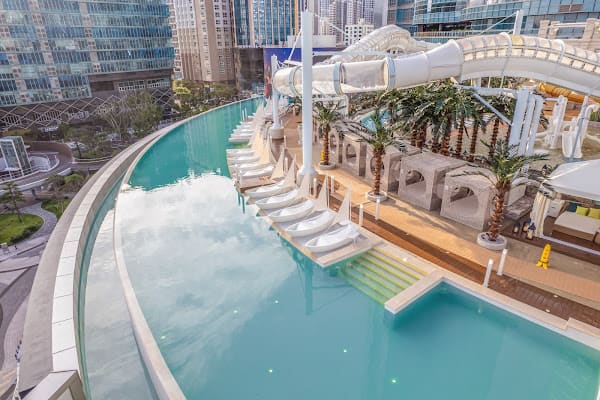
Haeundae's largest club near the beach with EDM and K-pop nights. Multi-level space with a young crowd. Cover 15,000-20,000 KRW including one drink.
Haeundae-gu, Busan
Fuzzy Navel
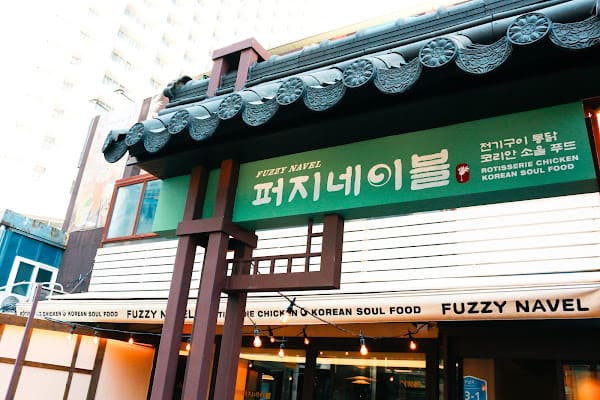
Long-running Haeundae beach bar popular with foreigners and English teachers. Cheap drinks, pool tables, and a mixed Korean-international crowd. Beer from 5,000 KRW.
Haeundae Beach area, Busan
Bay 101
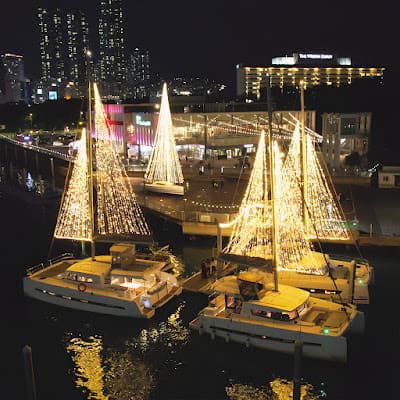
Upscale waterfront complex at Haeundae's yacht marina. Restaurants, cafes, and a bar with views of the Gwangan Bridge. Cocktails 12,000-18,000 KRW. Date spot.
52 Dongbaek-ro, Haeundae-gu
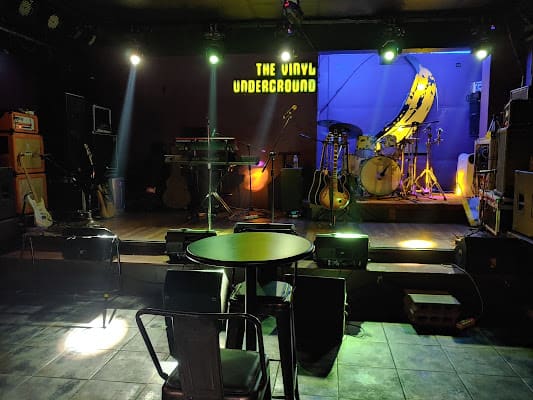
Vinyl Underground
Record bar in the Haeundae backstreets with vinyl collection, craft cocktails, and live DJ sets on weekends. Relaxed atmosphere. Drinks 8,000-14,000 KRW.
Haeundae-gu, Busan
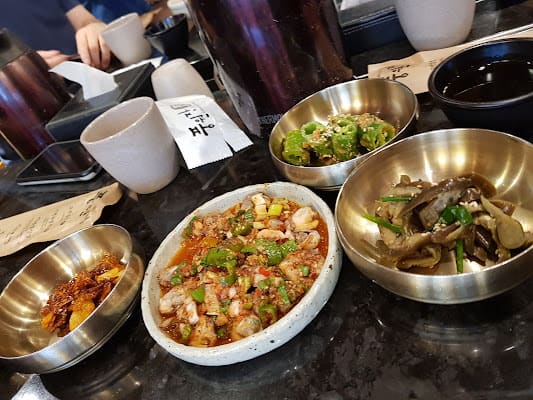
Haeundae Pojangmacha Strip
Row of tent bars on the streets behind Haeundae Beach. Plastic tables, soju, grilled seafood, and the authentic Korean late-night experience. Soju bottles 5,000 KRW.
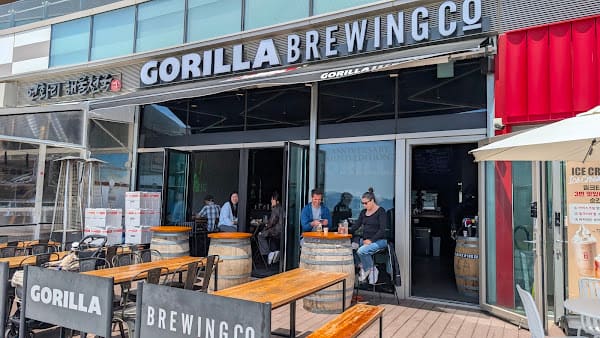
Gorilla Brewing
Busan's popular craft brewery with a Haeundae taproom. IPAs, stouts, and Korean-inspired brews. Pints 7,000-9,000 KRW. Outdoor seating in summer.
Haeundae-gu, Busan
Overview and Location
Haeundae is a crescent of white sand on Busan's northeastern coast, backed by a wall of high-rise hotels and apartment towers. In summer, it transforms into Korea's most famous beach party. From June through August, the sand fills with two million visitors per season, beach bars spring up along the waterfront, and the streets behind the shore become an open-air drinking district that runs until dawn. The rest of the year, Haeundae is a quieter but still active neighborhood of seafood restaurants, hotel bars, and a local scene that keeps ticking without the tourists.
Our researcher spent several nights in this area compiling notes.
The beach itself is roughly 1.5 kilometers long, bookended by the Westin Chosun Hotel to the east and the Haeundae Market area to the west. Nightlife concentrates in two zones: the beachfront strip with its seasonal bars and permanent hotels, and the denser grid of streets one to two blocks inland where restaurants, noraebang, and year-round bars cluster.
Haeundae Station on Line 2 is a 10-minute walk from the beach. Most visitors arrive by taxi or bus.
Legal Status
Haeundae's nightlife operates under the same national laws as the rest of South Korea. The beachfront bars and clubs hold standard entertainment and food-service licenses. There are no red-light district remnants or gray-zone entertainment venues in the Haeundae area.
Summer brings temporary permits for beachfront pop-up bars and events. The city government regulates beach party operations, including noise levels, operating hours, and alcohol service. Beach bars typically close by midnight or 1 AM under local ordinances, though indoor venues operate later.
Enforcement of public drinking laws is relaxed along the beach during summer. Drinking on the sand is common and not policed unless it creates a disturbance. Glass containers are prohibited on the beach and this rule is enforced.
Costs and Pricing
Haeundae is mid-range for Korean nightlife. Summer tourist pricing pushes costs up at beachfront venues, but the side streets offer bargains.
Beach bars and rooftop venues charge 8,000 to 15,000 KRW ($6-11 USD / 5-10 EUR) for cocktails and imported beer. Domestic beer is 5,000 to 7,000 KRW ($4-5 USD / 3-5 EUR). Summer pop-up bars may charge a 5,000 KRW minimum.
Clubs charge 10,000 to 20,000 KRW ($7-15 USD / 7-14 EUR) cover, including one drink. Table service starts at 150,000 to 300,000 KRW ($111-222 USD / 102-204 EUR). These prices are roughly 30% lower than equivalent Gangnam venues.
Pojangmacha (tent bars) behind the beach sell soju bottles for 5,000 to 6,000 KRW ($4-4.50 USD / 3-4 EUR). Grilled seafood platters run 25,000 to 40,000 KRW ($19-30 USD / 17-27 EUR) to share. A full evening of soju and seafood for two costs about 50,000 to 70,000 KRW ($37-52 USD / 34-48 EUR).
Seafood restaurants along the beach strip charge 30,000 to 60,000 KRW ($22-44 USD / 20-41 EUR) for a shared raw fish platter (hoe). Jagalchi-sourced fish at the nearby market restaurants can be cheaper. Ordering from the tank costs more but guarantees freshness.
Craft beer bars price pints at 7,000 to 9,000 KRW ($5-7 USD / 5-6 EUR).
Hotels range from 60,000 KRW ($44 USD / 41 EUR) for budget options a few blocks from the beach to 300,000+ KRW ($222+ USD / 204+ EUR) for beachfront five-stars. Love motels in the backstreets charge 40,000 to 60,000 KRW ($30-44 USD / 27-41 EUR).
Transport from Busan Station (KTX) to Haeundae costs about 15,000 to 20,000 KRW by taxi or 1,450 KRW by subway (Line 1 to Seomyeon, transfer to Line 2). A taxi from Seomyeon is approximately 12,000 KRW.
Street-Level Detail
Beachfront Strip
The road running parallel to the beach (Haeundaehaebyeon-ro) is Haeundae's main promenade. Hotels, restaurants, and convenience stores line the inland side. In summer, temporary beach bars and stages set up on the sand side. The eastern end near the Westin Chosun is more upscale; the western end toward the market is more local.
Bay 101 / Dongbaek Island
At the eastern tip of Haeundae Beach, the Bay 101 complex occupies the yacht marina area. The development has restaurants, a cafe with ocean views, and evening lighting installations. Dongbaek Island (actually a peninsula) has a coastal walking path that's popular for sunset. This area is upscale and date-friendly.
Backstreet Bar District
The grid of streets two to three blocks behind the beach, roughly between Haeundae Station and the beachfront, contains the area's year-round nightlife. Small bars, noraebang, Korean-style "hof" (beer houses), and late-night restaurants fill the ground floors of mixed-use buildings. This is where locals drink, less polished and significantly cheaper than the beachfront.
Haeundae Traditional Market
The covered market near the western end of the beach sells seafood, snacks, and household goods during the day. At night, the surrounding streets have pojangmacha and small eateries that serve as the district's late-night food hub.
Dalmaji Hill
The hillside road between Haeundae and Songjeong Beach has a collection of cafes, galleries, and restaurants with ocean views. More of a daytime and early-evening destination, but some wine bars and cocktail spots operate late.
Safety
Haeundae is very safe. The beachfront is well-patrolled, well-lit, and monitored by CCTV. Summer lifeguards operate during daylight hours. Specific concerns:
- Drowning is the real danger. Drunk swimming at Haeundae kills people every summer. The beach has rip currents that are not obvious from shore. Lifeguards leave at sunset. Do not swim after dark, and absolutely do not swim drunk
- Summer crowds on the beach and in the bar district reach crushing density on weekend nights in July and August. Watch your belongings and stay aware of exits
- Sunburn and heat exhaustion catch day-drinking beachgoers off guard. Korea's summers are hot and humid. Hydrate with water, not just soju
- Jellyfish appear in August and September. Beach warnings are posted when stings are reported
- Taxi availability drops sharply on summer weekend nights. Book through Kakao T or plan for a long wait
The tourist police operate in Haeundae during summer months with multilingual support.
Cultural Context
Haeundae represents Korea's relationship with the beach, which is different from Western beach culture. Korean beachgoing is a group activity: families rent beach tents and umbrellas (20,000 to 30,000 KRW per day), cook ramyeon on portable stoves, and spend entire days under their canopy. The beach is a social space, not a place for solitary sunbathing.
The summer nightlife extends this group mentality. Koreans arrive at the beach bars in groups of friends or colleagues, sharing bottles and food platters. The "chimaek" culture (chicken and beer, or "maekju") is at its peak at Haeundae in summer, with fried chicken delivery scooters navigating the beachfront crowds.
The Busan International Film Festival (BIFF) in October transforms Haeundae into an industry event. Film screenings, celebrity appearances, and after-parties bring a different energy, more cosmopolitan and less beer-soaked than the summer peak.
Winter Haeundae is quiet and contemplative. The beach empties, the pop-up bars disappear, and the permanent restaurants and cafes serve a local crowd. The area's seafood restaurants do their best business in winter, when the cold-water catches are at their peak.
Scam Warnings
Haeundae has few outright scams. The main concerns are overcharging and quality misrepresentation.
Summer beach tent overcharging: Some beach umbrella and tent rental operators charge inflated prices during peak weekends, especially to tourists who don't check rates in advance. Standard rates are posted on the Haeundae Beach Association website.
Seafood restaurant bait-and-switch: A restaurant quotes a price for a raw fish platter, then serves a smaller portion or substitutes cheaper fish. This is uncommon at established restaurants but possible at tourist-trap venues near the beach. Confirm the type and quantity of fish before ordering.
"Free" beach event promotions: Promoters for beach bars and events offer free entry but charge premium drink prices once inside. Check the full pricing before committing.
Nearby Areas
Gwangalli Beach. Busan's second beach, a 15-minute taxi ride west, has a younger local crowd, cheaper bars, and dramatic nighttime views of the illuminated Gwangan Bridge. Less touristy, more authentic.
Songjeong Beach. East of Haeundae past Dalmaji Hill, Songjeong is a smaller, quieter surf beach with a few cafes and a relaxed vibe. Good for a daytime escape from Haeundae's crowds.
Centum City. The Shinsegae Centum City complex (the world's largest department store) is two subway stops from Haeundae. It includes a spa, cinema, and ice skating rink.
Oryukdo Skywalk. A glass-bottomed cliff walk 20 minutes south of Haeundae by bus, offering dramatic coastal views. Daytime only.
Meeting People Nearby
The beachfront bars during summer months are the most natural social setting in Haeundae, where groups mix freely over shared tables and the communal atmosphere. Bay 101's waterfront seating draws a date-friendly crowd year-round. Gwangalli Beach, a short taxi ride away, has a younger, more local bar scene with easier conversation settings. For Busan's broader social dynamics and dating app landscape, see the Busan city guide.
Best Times
- Summer weekends (June to August, Friday and Saturday) are peak season. Beach bars run until 1 AM; indoor clubs until dawn
- BIFF (October) brings a two-week surge of nightlife activity centered on Haeundae and Nampo-dong
- Summer weeknights are busy by the beach but manageable compared to weekends
- Spring (April to May) and early fall (September to October) are shoulder seasons with pleasant weather and smaller crowds. Some beach bars open on warm weekends
- Winter (December to February) is quiet. Indoor bars and seafood restaurants are the draw
- New Year's Eve and the Haeundae Sunrise Festival (January 1) bring one-night spikes
What Not to Do
- Do not swim at Haeundae Beach after dark or while intoxicated. People die here every year
- Do not bring glass containers onto the beach. It's prohibited and enforced
- Do not block beach emergency access lanes with umbrellas or tents
- Do not litter on the beach. Fines are enforced during summer season
- Do not ignore jellyfish warnings posted at the beach
- Do not expect summer prices to apply at beachfront restaurants in winter. Many seasonal businesses close entirely
- Do not drive to the beach on summer weekends. Parking is nearly impossible and traffic gridlocks
Get the Legal Status PDF, 50 countries
Newsletter signup coming soon. Check back shortly.
Related Guides
Busan Overview
City guide to adult nightlife in Busan, covering Haeundae beach scene, entertainment districts, safety, and cultural norms.
Read guideSeomyeon
District guide to Seomyeon in Busan: Korea's most concentrated year-round nightlife hub outside Seoul, with clubs, bars, noraebang, and room salons on Busan's central grid.
Read guideFrequently Asked Questions
Was this guide helpful?