Haeundae Pojangmacha Strip
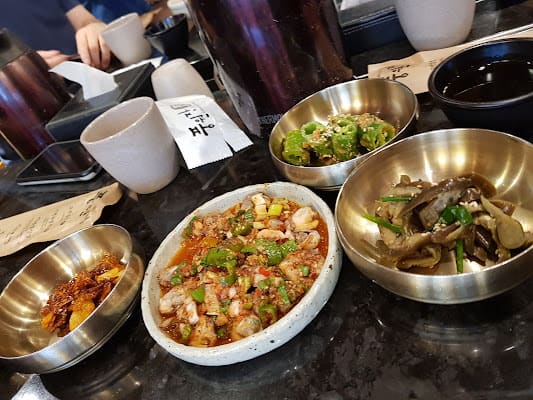
The Haeundae Pojangmacha Strip is a collection of orange tent bars on the streets behind Haeundae Beach that represents Korean drinking culture in its purest form. Plastic tables and stools sit under temporary canopies. Charcoal grills sizzle with seafood pulled from Busan's fishing boats that morning. Soju and beer flow at prices that make Seoul look absurd. This isn't a single venue; it's a row of competing tent bars that create an open-air drinking district every evening, reaching peak intensity in summer when the beach crowd spills inland looking for food and alcohol.
Where to stay near Haeundae Pojangmacha Strip
Hotels close to Haeundae, Busan.
See places to stay and current pricesWhat to Expect
Rows of tent bars with plastic furniture, sizzling grills, and a communal drinking atmosphere that's uniquely Korean. Strangers share tables, toast each other's health, and bond over shared seafood platters. The language barrier dissolves after the second bottle of soju.
Communal, smoky, loud, and genuinely joyful. The combination of fresh seafood, cheap soju, and open-air seating creates a social atmosphere that clubs can't replicate.
No music. The soundtrack is conversation, sizzling grills, clinking glasses, and ocean breeze.
Completely irrelevant. You're sitting on plastic stools under a tent.
Anyone who wants the authentic Korean late-night drinking experience with fresh Busan seafood.
Cash strongly preferred. Some operators accept cards but don't count on it.
Price Range
Soju bottle 5,000 KRW. Beer 4,000-5,000 KRW. Grilled seafood platters 20,000-35,000 KRW. Full meal with drinks for two: 40,000-60,000 KRW.
Soju ≈ $4 / €3. Beer ≈ $3-4 / €3-3.50. Seafood platter ≈ $15-26 / €14-24. Meal for two ≈ $30-44 / €27-41
Hours
Most tents: 5 PM to 3 AM daily. Some open earlier and close later in summer. Hours vary by operator.
Insider Tip
The tents closest to the beach charge slightly more than those on the backstreets. Ask for the 'hoe' (raw fish) set if you want the freshest option. Grilled shellfish (jogae gui) is the safest entry point for cautious eaters. Bring a jacket even in summer; ocean breezes make evenings cool. Cash is faster and preferred.
Full Review
The pojangmacha strip behind Haeundae Beach is not a venue in any conventional sense. It's a temporary infrastructure of tent bars that materializes every evening and represents something more culturally authentic than any nightclub or cocktail bar. These orange-tented drinking spots, with their plastic furniture and charcoal grills, are where ordinary Koreans have been socializing after work for generations.
The food is the star. Busan is Korea's seafood capital, and the pojangmacha operators source directly from the morning markets. Grilled shellfish (clams, oysters, scallops) arrive on a hot plate still smoking. Raw fish platters come with the accompaniments that Korean drinking food demands: crisp lettuce for wrapping, garlic, chili, and ssamjang. Odeng (fish cake soup) arrives in a bubbling pot that doubles as a communal warmer on cool evenings.
The drinking follows Korean patterns. Soju is the default, sold by the bottle and poured into small glasses. The ritual of pouring for each other, receiving with two hands, and turning away from elders to drink applies here as everywhere in Korea. The twist at the pojangmacha is that the communal atmosphere extends to strangers. Neighboring tables offer toasts, share dishes, and treat the tent as a shared social space rather than a collection of private tables.
For foreigners, this is one of the most accessible Korean nightlife experiences. You don't need to speak Korean to point at a menu, accept a poured drink, and toast back. The food is a universal talking point, and Koreans at pojangmacha are almost universally welcoming to foreign visitors who are eating their food and drinking their soju.
The experience has rough edges. The plastic stools are uncomfortable after an hour. The tent walls don't fully block wind or rain. The bathrooms are wherever the nearest public restroom is (usually a short walk). And the cumulative effect of soju, which tastes mild but hits hard, sneaks up on drinkers who aren't paying attention to their consumption.
As a nightlife experience, the pojangmacha strip offers something that no amount of money at a Gangnam club can buy: unfiltered, communal, outdoor Korean drinking culture powered by fresh seafood and cheap spirits. It's the most honest fun you'll have in Busan.
The Neighborhood
The pojangmacha strip runs through the backstreets between Haeundae Beach and Haeundae Station. The tents are densest on the streets one to two blocks from the beachfront, mixed in with permanent restaurants and convenience stores.
Getting There
Haeundae Station (Line 2) Exit 5, 5-minute walk toward the beach. The tent bars are visible from the main roads between the station and the beach. No specific address; walk the streets between the station and the waterfront and you'll find them.
Other Venues in Haeundae
Club Face
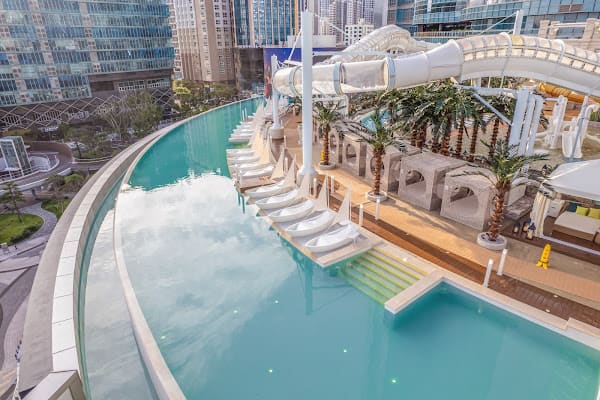
Haeundae's largest club near the beach with EDM and K-pop nights. Multi-level space with a young crowd. Cover 15,000-20,000 KRW including one drink.
Fuzzy Navel
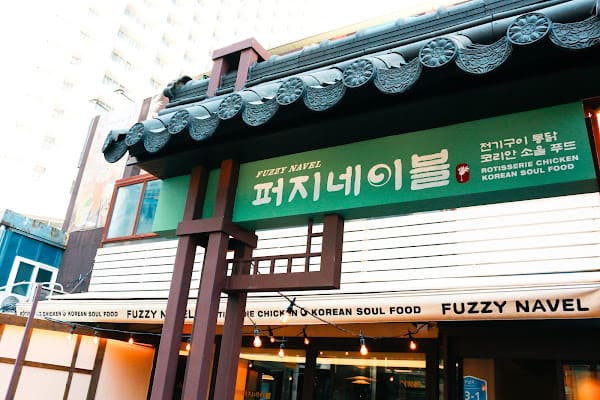
Long-running Haeundae beach bar popular with foreigners and English teachers. Cheap drinks, pool tables, and a mixed Korean-international crowd. Beer from 5,000 KRW.
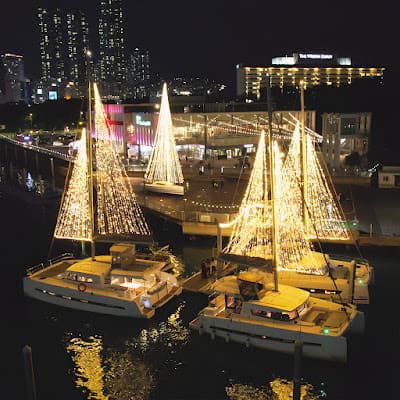
Bay 101
Upscale waterfront complex at Haeundae's yacht marina. Restaurants, cafes, and a bar with views of the Gwangan Bridge. Cocktails 12,000-18,000 KRW. Date spot.
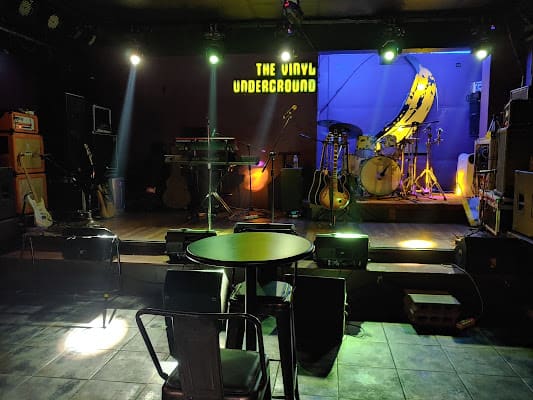
Vinyl Underground
Record bar in the Haeundae backstreets with vinyl collection, craft cocktails, and live DJ sets on weekends. Relaxed atmosphere. Drinks 8,000-14,000 KRW.
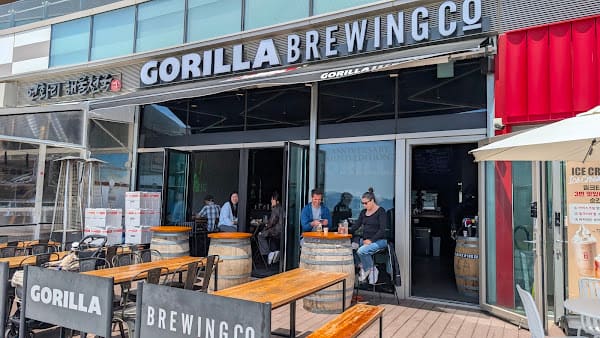
Gorilla Brewing
Busan's popular craft brewery with a Haeundae taproom. IPAs, stouts, and Korean-inspired brews. Pints 7,000-9,000 KRW. Outdoor seating in summer.