Before You Travel to Senegal
Five things every smart traveler sorts before booking.
- 1
Passport valid 6+ months from entry date
Most countries refuse entry on passports expiring within six months. Renew now if you're close.
- 2
Visa requirements for Senegal
Some are visa-free, some require an e-visa filed days ahead, some need an embassy appointment.
- 3
Travel insurance booked
A hospital visit in Senegal can run $4,000-15,000 without cover. Credit card insurance usually excludes alcohol-related incidents.
- 4
eSIM data plan ready before landing
Airport SIM kiosks need your passport and overcharge tourists. Install an eSIM in 60 seconds, online before you fly.
- 5
Accommodation reserved in the right district
The wrong neighborhood means a 45-minute taxi every night. Map the venues first, then book.
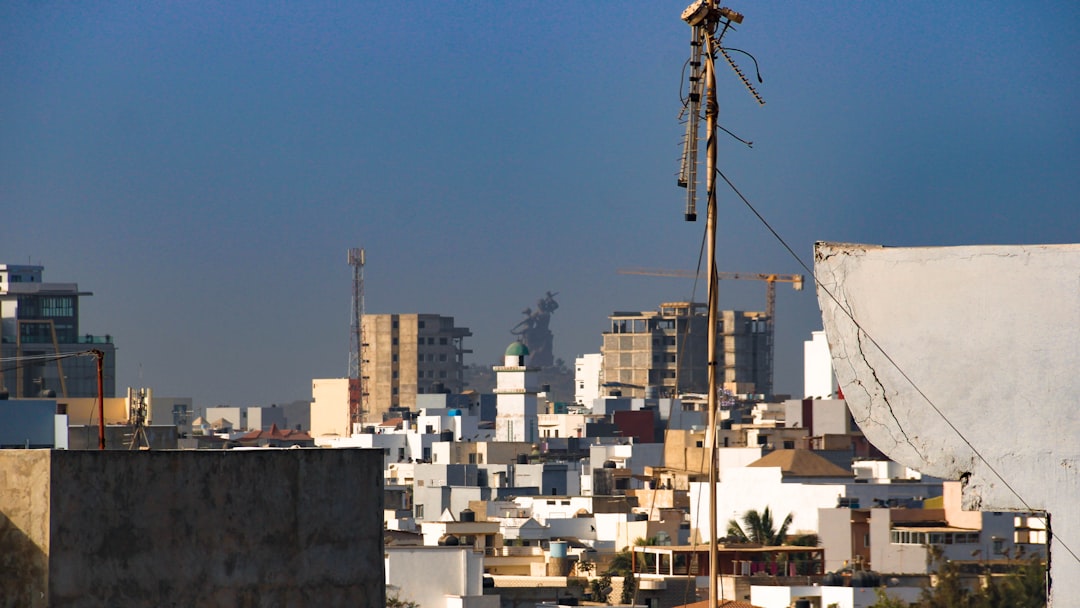
Compare hotels in Senegal
Hotels, hostels, and short-term rentals across the country's main nightlife cities.
Legal Framework
Prostitution is legal in Senegal for individuals aged 21 and older who register with authorities and carry a health card (carnet sanitaire). Registered sex workers must undergo regular health checks at government-designated clinics. This system has been in place since colonial-era regulations and continues under the current Penal Code.
Last updated after our March 2026 research trip.
The law distinguishes sharply between individual, registered sex work and everything else. Pimping, brothel-keeping, human trafficking, and involvement with minors carry heavy criminal penalties. Soliciting in public without registration is illegal. Operating an unlicensed establishment is a criminal offense.
In practice, the registration system captures only a fraction of those working in the industry. The majority operate informally, particularly outside Dakar. The legal framework exists but its reach is limited.
Enforcement Reality
Enforcement follows the typical pattern for regulated systems in developing countries: the law is clear, compliance is uneven, and corruption fills the gaps. Police conduct operations in known areas, but arrests tend to target unregistered workers and street-level solicitation rather than licensed bars or clubs.
Tourists interacting with mainstream nightlife in Dakar's bars and clubs face minimal legal risk. The nightlife economy operates openly in districts like Almadies and Plateau. Police presence in these areas focuses on general security rather than morality enforcement.
Drug laws are strict. Cannabis possession can result in imprisonment. Senegalese courts treat drug offenses seriously, and the process is slow. Consular assistance has limits in these cases.
Cultural Context
Senegal is a predominantly Muslim country (roughly 95% of the population), governed by secular law. This combination produces a society that's more socially liberal than its demographics might suggest. The Sufi brotherhoods that dominate Senegalese Islam, particularly the Mouride and Tijaniyya orders, emphasize personal spiritual practice over rigid behavioral codes.
Teranga, the Wolof concept of hospitality, shapes social interactions. Senegalese people are genuinely welcoming to visitors, and this extends into nightlife settings. The cultural atmosphere is warm, open, and conversational.
That said, public displays of drunkenness or inappropriate behavior draw disapproval. Senegalese society values dignity and self-presentation. Alcohol consumption is common in urban nightlife settings but getting visibly drunk is considered shameful. Dress well, behave well, and you'll be treated well.
Same-sex relationships are illegal under Article 319 of the Penal Code, carrying penalties of one to five years' imprisonment. Enforcement has increased in recent years. LGBTQ+ travelers should exercise extreme caution.
Dating Culture
Dating in Dakar follows a pattern familiar across West Africa. Men are expected to initiate, demonstrate generosity, and show confidence. Senegalese women, particularly in urban areas, are socially independent and direct in conversation. The cultural expectation that men pay for everything on a date is strong.
Foreign men attract attention in Senegal. Some of this attention is genuine interest, some is financially motivated, and the line between the two can be unclear. The term "mbaraan" describes the practice of women maintaining multiple romantic relationships for financial benefit, and it's a recognized part of urban Senegalese social dynamics.
Tinder and Badoo operate in Dakar with modest user bases. Facebook and Instagram are more commonly used for social connections. Meeting people happens most naturally at bars, clubs, and through mutual introductions.
French is essential for dating and social interaction. While Wolof is the street language, French remains the language of education and formal communication. English proficiency is limited outside the tourism sector.
Key Cities
Dakar is the capital and the only city with a developed nightlife scene. The Almadies peninsula has upscale clubs and beach bars, while the Plateau district downtown has more local, accessible options. Dakar's nightlife doesn't start until midnight and runs until sunrise.
Saint-Louis, in the north, has a small jazz scene centered on the annual Saint-Louis Jazz Festival. A few bars along the Langue de Barbarie offer evening drinks, but it's not a nightlife destination.
Saly, on the Petite Cote south of Dakar, is a beach resort town with tourist-oriented bars and restaurants. The scene is seasonal and caters primarily to French and European package tourists.
Costs
Senegal is very affordable for visitors carrying dollars or euros. The West African CFA Franc (XOF) is pegged to the euro at 655.957 XOF per euro.
Beer at a bar costs XOF 1,000-2,500 ($1.60-4 / EUR 1.50-3.80). Local Gazelle or Flag beer runs cheaper at XOF 800-1,500 ($1.30-2.40). Cocktails at upscale Almadies venues cost XOF 3,000-6,000 ($4.80-9.60 / EUR 4.60-9.15). Club entry ranges from free to XOF 5,000 ($8 / EUR 7.60) at top venues, sometimes including a drink.
Street food is excellent and cheap. A thieboudienne (fish and rice) plate costs XOF 500-1,500 ($0.80-2.40). A sit-down meal at a mid-range restaurant runs XOF 3,000-8,000 ($4.80-12.80) per person. Fine dining in Almadies reaches XOF 15,000-30,000 ($24-48) per person.
Taxis in Dakar are unmetered. Negotiate before entering. A cross-city trip costs XOF 2,000-5,000 ($3.20-8). Ride-hailing apps (Yango and Heetch) operate in Dakar with transparent pricing.
Hotels range from XOF 15,000-30,000 ($24-48) for budget, XOF 30,000-80,000 ($48-128) for mid-range, and XOF 80,000-200,000+ ($128-320+) for upscale. Hostels run XOF 8,000-15,000 ($12.80-24) for dorm beds.
Safety Considerations
Senegal is one of the more stable countries in West Africa, with no history of coups since independence in 1960 and a functioning democracy. That said, standard urban precautions apply:
- Petty theft and pickpocketing are common in crowded areas, markets, and beaches. Keep valuables concealed
- Armed robbery is rare but occurs, particularly on isolated beaches at night. Avoid walking on beaches after dark
- Traffic is chaotic and dangerous. Pedestrians have no right of way in practice. Use taxis or ride-hailing apps at night
- Scams targeting tourists exist, especially around tourist sites and beaches. Common patterns include fake guides, "friendship bracelets" that turn into demands for money, and taxi overcharging
- The police can be corrupt. Minor infractions may result in requests for "facilitation payments." Carry a photocopy of your passport, not the original
- Health precautions matter. Malaria is present year-round. Drink bottled water only. Yellow fever vaccination is required for entry
- Emergency: 17 (police), 18 (fire), 15 (ambulance)
What Not to Do
- Do not walk on beaches after dark, even in Dakar. Muggings occur
- Do not carry your passport original. Keep a photocopy and leave the original in a hotel safe
- Do not accept drinks from strangers in nightlife settings. Drink spiking has been reported
- Do not engage with anyone who approaches you offering services outside licensed venues
- Do not display expensive electronics, jewelry, or large amounts of cash
- Do not discuss same-sex relationships publicly. The legal and social consequences are real
- Do not assume French-speaking ability. Learn basic Wolof greetings (nanga def, mangi fi) for goodwill
- Do not skip malaria prophylaxis. The risk is real and present
Sources
- U.S. Department of State: Senegal Travel Advisory - Entry requirements, safety alerts, and local law summary
- UK Foreign, Commonwealth & Development Office: Senegal Travel Advice - Safety, health, and legal information for travelers
- Australian Government Smartraveller: Senegal - Travel advisory and practical information
Get the Legal Status PDF, 50 countries
Newsletter signup coming soon. Check back shortly.
Emergency Information: Senegal
- Emergency:
- 17
- Embassy Note:
- Most embassies are located in Dakar's Plateau district or along the Corniche.
Also Worth Considering
Cameroon
A West African nation with a split nightlife culture between French-speaking Douala and Yaounde, where low costs meet uneven safety and a tolerant enforcement environment.
Cape Verde
West African island archipelago where a relaxed social culture and growing tourism scene coexist with limited nightlife options and laid-back enforcement of outdated laws.
Ghana
Guide to adult nightlife in Ghana covering Accra's bar districts, legal context, costs, safety, and practical tips for foreign visitors to West Africa.
Ivory Coast
West Africa's economic powerhouse where Abidjan's French-influenced nightlife operates openly despite conservative laws and selective enforcement across the country.
Similar Countries in Other Regions
Countries with a similar overall score to Senegal (3.4) but in different parts of the world.
Bolivia
3.4South America
La Paz and Santa Cruz offer South America's cheapest nightlife in a country where the adult scene is small, unregulated, and concentrated in a handful of districts. Safety requires extra caution.
Costa Rica
3.4Central America
San Jose's Gringo Gulch and Jaco's beachfront bars cater to North American visitors. Legal, moderately priced, and one of Central America's safest destinations.
Ecuador
3.4South America
Ecuador's nightlife runs on a small scale in Quito and Guayaquil, with cheap drinks, low-key bars, and a scene shaped by local culture rather than tourism. US dollars are the currency.
Was this guide helpful?