
Entertainment Districts
Pick a neighborhood to start exploring
Almadies
3/5ModerateDistrict guide to Almadies in Dakar, covering upscale nightclubs, beach bars, and live music venues on Senegal's most popular nightlife peninsula.
5 nightlife spots listed
Plateau
3/5ModerateDistrict guide to Plateau in Dakar, covering downtown bars, live music venues, and the local nightlife scene in Senegal's historic commercial center.
5 nightlife spots listed
District Map of Dakar
Pick a district to recenter the map and see hotels nearby.
Where to stay in Dakar
Compare hotels and rentals across the city's nightlife districts.
See places to stay and current pricesOverview
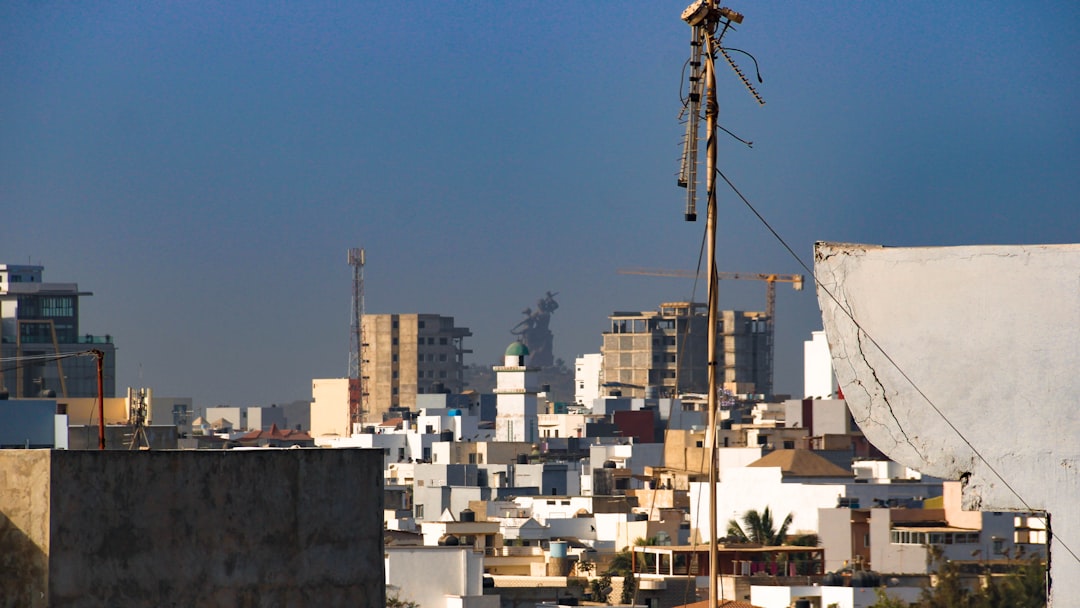
Dakar occupies the Cap-Vert peninsula, the westernmost point of mainland Africa. The city of roughly 3.5 million people presses against the Atlantic on three sides, and the ocean shapes everything, including the nightlife. Beach bars line the Corniche, clubs in Almadies overlook the water, and the salt air follows you from venue to venue.
Research conducted through direct venue visits and local interviews.
The nightlife here runs on a different clock than most cities. Restaurants fill around 9 PM. Pre-drinks happen at 11 PM. Clubs don't open their doors until midnight, and the real energy arrives after 2 AM. Saturday night bleeds into Sunday morning, and nobody considers this unusual. This is a city where live music matters. Mbalax, the percussive Senegalese pop genre pioneered by Youssou N'Dour, fills dance floors alongside Afrobeats, amapiano, and French hip-hop.
Legal Context
Senegal's regulatory framework for sex work applies in Dakar as it does nationally. Registered sex workers operate legally with health cards. The mainstream nightlife scene, meaning bars, clubs, and restaurants, operates under standard commercial licenses and has no direct connection to the regulated sex work system.
Drug laws are strict. Cannabis possession carries real prison time. Police occasionally patrol nightlife areas, and drug-related arrests of foreigners do happen.
Bar and club licensing is standard. Venues in Almadies and Plateau operate with government permits. Closing times are loosely enforced, and most clubs stay open as long as the crowd justifies it.
Key Areas
Almadies. The upscale peninsula tip where Dakar's money goes out at night. Modern clubs, beach bars, and restaurants cluster along the Route des Almadies. This is the destination for international DJs, cocktail culture, and a mixed crowd of wealthy Dakarois, expats, and tourists.
Plateau. Dakar's downtown district, built during the colonial era. The streets between Place de l'Independance and the Kermel Market hold older bars, live music venues, and spots with more local character than Almadies. Cheaper and grittier, with a more authentic Senegalese atmosphere.
Corniche. The coastal road connecting Plateau to Almadies has scattered restaurants and beach-adjacent bars. Not a nightlife district in itself, but several worthwhile stops along the drive between the two main areas.
Ngor and Yoff. Fishing villages on the northern tip of the peninsula, now absorbed into greater Dakar. A few casual beach bars cater to surfers and backpackers. The atmosphere is mellow and local.
Safety
Dakar is safer than most West African capitals but requires awareness.
- Use Yango or Heetch ride-hailing apps for all nighttime transport. Negotiate taxi fares before entering if using street taxis
- Do not walk on beaches after dark. Muggings occur, especially along the Corniche
- Petty theft is the primary risk. Phone snatching happens on busy streets. Keep valuables in front pockets
- Inside established clubs and bars, security is present and effective. Bag checks are common at upscale venues
- Drink spiking has been reported. Watch your glass, and accept drinks only from bartenders
- Avoid confrontations. Arguments can escalate, and bystanders may not take the foreigner's side
- Police checkpoints exist at night, particularly around Almadies. Carry a photocopy of your passport
- Emergency: 17 (police), 18 (fire)
Cultural Norms
Dakar is cosmopolitan by West African standards, but cultural awareness matters.
- Dress well. Dakarois take personal presentation seriously, and showing up to a club in shorts and sandals marks you as out of touch. Collared shirts, trousers, and decent shoes for men. Women dress up significantly for weekend nights
- French is the language of nightlife. Basic French is the minimum. Wolof greetings (nanga def, na nga def) earn genuine warmth
- The concept of teranga (hospitality) is real. Senegalese people will go out of their way to welcome you, include you, and make sure you're comfortable. Reciprocate with generosity and respect
- Music knowledge matters. Knowing Youssou N'Dour, Baaba Maal, or current Senegalese artists opens conversations
- Tipping is appreciated but not expected at the same level as in Western countries. XOF 500-1,000 ($0.80-1.60) for bar staff is generous
- Same-sex relationships are illegal and socially condemned. LGBTQ+ travelers must exercise caution in all settings
Social Scene
Live music defines Dakar's cultural identity. The city produces world-class musicians, and seeing mbalax performed live in a packed club is an experience with no equivalent elsewhere. Just Musique in Almadies and several Plateau venues host regular performances.
The expat scene is centered on Almadies, where French, Lebanese, and international professionals frequent the restaurants and bars. The crowd is smaller and more interconnected than Nairobi's or Accra's expat communities.
Senegalese social culture revolves around extended family, tea ceremonies (ataya), and communal meals. Nightlife is a younger, urban phenomenon that coexists with traditional social structures. Weekend nights out are widely accepted in Dakar's middle and upper classes.
Dating apps have limited traction. Tinder and Badoo have small user bases. Facebook and Instagram are more commonly used for making connections. In-person meetings at bars and through mutual introductions remain the primary way people connect.
Transportation
- Yango and Heetch: Ride-hailing apps that work in Dakar. Prices are transparent and affordable. A cross-city trip costs XOF 2,000-5,000 ($3.20-8)
- Taxis: Yellow taxis are everywhere but unmetered. Always negotiate the fare before getting in. Drivers may try to inflate prices for foreigners. XOF 2,000-4,000 ($3.20-6.40) covers most nightlife-area trips
- Car rapides and Ndiaga Ndiaye: Colorful public minibuses are cheap but not practical for nightlife. They stop running after dark
- Walking: Feasible within Almadies and within Plateau. Not recommended between areas or along the Corniche after dark
- Driving: Traffic is chaotic. Parking at nightlife venues is limited. Use ride-hailing instead
Best Times to Visit
- November to May: Dry season with pleasant temperatures (24-28C). Peak tourist and nightlife season
- June to October: Rainy season. Nightlife continues but outdoor venues suffer. Roads flood during heavy rains, complicating transport
- Saint-Louis Jazz Festival (May): Draws musicians and visitors from across West Africa. Dakar benefits from the overflow
- Saturday night: The biggest night. Clubs don't peak until 2-3 AM
- Friday night: Strong, particularly in Almadies
- Weeknights: Quiet, with the exception of occasional live music events and Wednesday promotions at some venues
Get the Legal Status PDF, 50 countries
Newsletter signup coming soon. Check back shortly.
Flights to Dakar
Compare prices across airlines. Filter by stops, time, and cabin.
Airport transfer to Dakar
Pre-booked transfers cost about the same as a metered taxi but cut out the airport queue, the meter argument, and the "no English" routine that takes some drivers to the wrong address. Fixed price quoted before booking, driver tracks your flight, waits with a name sign at arrivals.
Book a KiwiTaxi transferFrequently Asked Questions
Related Guides
Almadies
District guide to Almadies in Dakar, covering upscale nightclubs, beach bars, and live music venues on Senegal's most popular nightlife peninsula.
Read guidePlateau
District guide to Plateau in Dakar, covering downtown bars, live music venues, and the local nightlife scene in Senegal's historic commercial center.
Read guideWas this guide helpful?