

Before You Travel to Nigeria
Five things every smart traveler sorts before booking.
- 1
Passport valid 6+ months from entry date
Most countries refuse entry on passports expiring within six months. Renew now if you're close.
- 2
Visa requirements for Nigeria
Some are visa-free, some require an e-visa filed days ahead, some need an embassy appointment.
- 3
Travel insurance booked
A hospital visit in Nigeria can run $4,000-15,000 without cover. Credit card insurance usually excludes alcohol-related incidents.
- 4
eSIM data plan ready before landing
Airport SIM kiosks need your passport and overcharge tourists. Install an eSIM in 60 seconds, online before you fly.
- 5
Accommodation reserved in the right district
The wrong neighborhood means a 45-minute taxi every night. Map the venues first, then book.
Compare hotels in Nigeria
Hotels, hostels, and short-term rentals across the country's main nightlife cities.
Legal Framework
Prostitution is illegal throughout Nigeria under the Criminal Code Act (applicable in southern states) and the Penal Code (applicable in northern states). The Criminal Code criminalizes living off the earnings of prostitution, brothel-keeping, and solicitation. Penalties include imprisonment ranging from several months to years.
Our field team visited Nigeria most recently in March 2026.
Northern Nigerian states that have adopted Sharia law impose significantly harsher penalties, including flogging and extended imprisonment. These apply primarily to Nigerian residents and are rarely enforced against foreigners, but the legal framework is nonetheless severe.
At the federal level, the Trafficking in Persons (Prohibition) Enforcement and Administration Act targets human trafficking with heavy penalties. Nigeria is both a source and transit country for trafficking, and law enforcement agencies, particularly NAPTIP (National Agency for the Prohibition of Trafficking in Persons), actively investigate organized trafficking operations.
Enforcement Reality
Despite the legal prohibition, adult entertainment operates openly in Lagos, Abuja, and other major cities. Police enforcement against consensual adult activity is sporadic and often motivated by extortion rather than genuine law enforcement. Officers may demand bribes from both workers and clients, creating an informal taxation system.
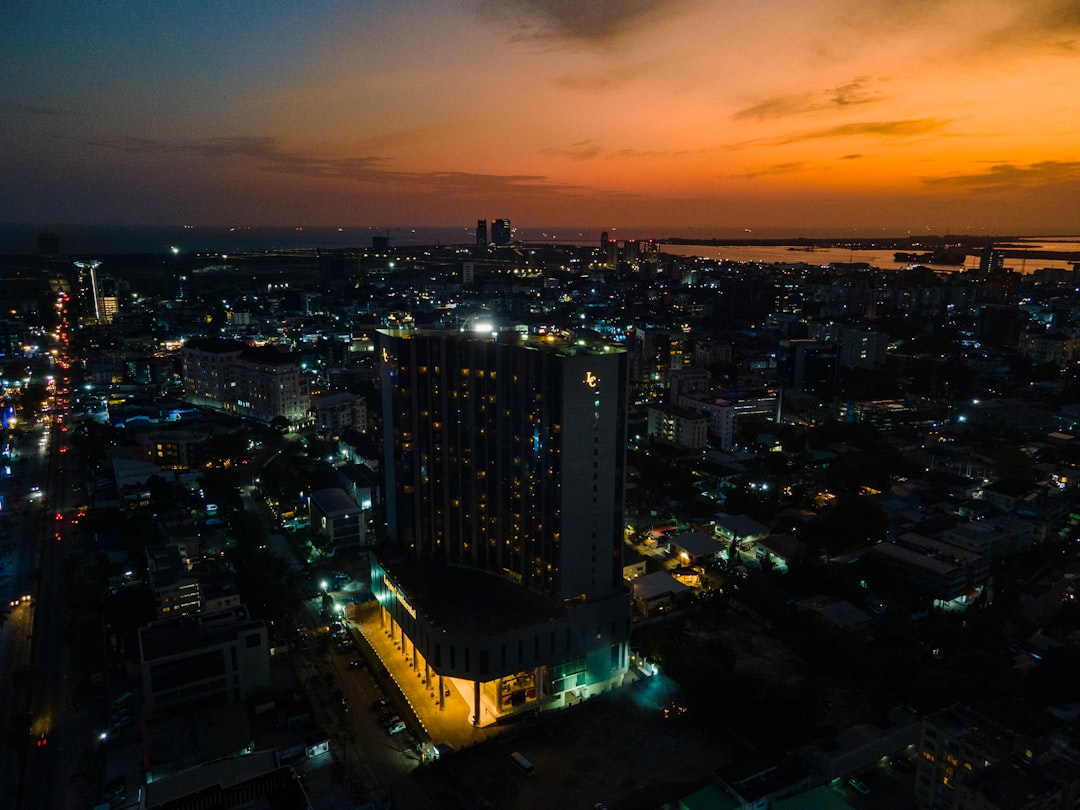
Lagos's nightlife districts, particularly Victoria Island and Lekki, operate with minimal interference. Venues aren't raided for facilitating adult social activity; they're more likely to attract police attention for noise violations, licensing issues, or failure to pay informal fees.
In northern states, enforcement is more genuine and carries real consequences. Travelers should be aware that the legal and social environment in the north differs dramatically from Lagos and the southern coast.
The police force (Nigeria Police Force, NPF) has well-documented corruption issues. This works both ways: it makes enforcement unpredictable but also means that problems can sometimes be resolved with informal payments. This is not a recommendation; it's a description of reality.
Cultural Context
Nigeria is a country of sharp contrasts. The south is predominantly Christian and culturally more permissive regarding nightlife and social behavior. The north is majority Muslim with significant conservative Islamic influence. Lagos, the commercial capital and largest city in Africa, has developed its own culture that is neither fully southern nor fully northern but uniquely cosmopolitan.
Nigerians are famously social and outgoing. The nightlife culture in Lagos is driven by a genuine love of music, dancing, and socializing. Afrobeats, the globally popular music genre, was born here, and live music and DJ culture permeate every level of nightlife. The energy in Lagos clubs is distinct from anywhere else on the continent.
Wealth display is part of Lagos social culture. "Spraying" money (throwing cash at performers or friends) happens at clubs and parties. Designer clothing, expensive bottles, and luxury cars are common sights in Victoria Island nightlife. This culture of display creates both opportunity and risk for foreign visitors.
Venue Types
Nightclubs in Victoria Island and Lekki range from world-class venues with international DJs to local spots with raw energy. The top clubs rival anything in London or Dubai for production quality.
Bars and lounges are abundant, from upscale cocktail spots to local beer parlors. The distinction between a "bar" and a venue that facilitates introductions is often fluid.
Hookah lounges have become popular social venues in Lagos, attracting a younger crowd and serving as meeting points for nightlife.
Hotels play a significant role. The bars and lobbies of major hotels in Victoria Island serve as social mixing zones for locals and visitors.
Street-level activity exists in specific areas but carries substantial safety risks and is strongly discouraged for foreign visitors.
Costs
Nigeria is inexpensive by international standards, though Lagos is notably more expensive than the rest of the country. Beer at a nightclub costs NGN 2,000-5,000 (approximately $1.50-4 USD). Premium bottle service at top clubs runs NGN 100,000-500,000 for a table. Club entry fees range from free to NGN 10,000 for upscale venues.
The Nigerian naira has experienced significant devaluation, making the country even cheaper for visitors carrying dollars, euros, or pounds. Always check current exchange rates. Black market rates often differ substantially from official rates; use licensed bureau de change offices or bank transfers.
Taxi fares within Lagos are cheap but traffic can make short distances take an hour or more. Uber and Bolt operate in Lagos and are the recommended transport options.
Dating Culture
Nigerian dating culture varies enormously by region, religion, and social class. In Lagos's cosmopolitan circles, dating resembles Western norms with some local characteristics. Men are expected to pay on dates, and generosity is highly valued. Splitting the bill is uncommon and can be interpreted as stinginess.
Physical affection in public is acceptable in Lagos's nightlife areas but should be moderated in more conservative neighborhoods. Hand-holding is fine everywhere; anything more depends on context.
Nigerians are direct communicators. If someone is interested, you'll know. If they're not, they'll often tell you clearly. This directness can feel refreshing for visitors accustomed to more ambiguous social cues.
Family involvement in relationships is significant. Meeting someone's family is a serious step, and family opinions carry substantial weight. Religious differences (Christian-Muslim) can be a major factor in whether families support a relationship.
Common mistakes to avoid:
- Being stingy or unwilling to pay for things in social settings
- Disrespecting someone's religious practices or background
- Underestimating the role of family approval
- Displaying excessive wealth in public, which creates security risks
- Making assumptions based on stereotypes about Nigeria
Dating Apps
Tinder is the most used dating app in Lagos, followed by Bumble and Hinge. The Nigerian dating app scene is active, particularly among young professionals in Lagos and Abuja.
Catfishing is common. Verify identities through video calls before meeting in person. Some profiles are operated by scammers who will attempt to extract money through sob stories or fabricated emergencies. These romance scams are a well-known aspect of Nigeria's online landscape.
Instagram serves as a secondary dating platform. Many Nigerians include their Instagram handles in dating profiles, and initial flirting often happens through Instagram DMs before moving to WhatsApp.
Key Cities
Lagos is the center of Nigerian nightlife and the only city with a scene worth visiting specifically for entertainment. Victoria Island, Lekki, and Ikeja are the three primary nightlife zones.
Abuja has a smaller, more upscale scene centered around Wuse 2 and Maitama districts. The clientele is wealthier and more politically connected.
Port Harcourt has some nightlife, but security concerns make it less recommended for casual visitors.
Safety Considerations
Nigeria presents serious safety challenges that require consistent vigilance:
- Armed robbery is common, particularly targeting vehicles stopped in traffic
- Kidnapping for ransom occurs, though tourists are less commonly targeted than wealthy Nigerians
- Lagos traffic is extreme; plan travel times accordingly and avoid being out at vulnerable hours
- Use Uber or Bolt exclusively for nighttime transport; never hail random taxis
- Keep a low profile regarding wealth and valuables
- Stay in well-known hotels with security
- Register with your embassy upon arrival
- Avoid travel outside Lagos without local guidance and security awareness
- The 767 area (Oshodi, Mushin) and mainland Lagos generally should be avoided at night
Common Scams
Yahoo boys: Nigeria's infamous online scammers also operate in person. Charming new acquaintances who quickly develop financial needs are a red flag. Don't send money to anyone you've recently met.
Police extortion: Officers may stop you and demand to check your phone or documents, then find reasons to extract a bribe. Remain polite, ask for their badge number, and if possible, suggest going to the station. Having your hotel's contact information readily available helps.
Fake money changers: Use only licensed bureau de change offices. Street changers may use counterfeit bills or sleight of hand to shortchange you.
Club drugging: Drink spiking occurs at nightlife venues. Never leave drinks unattended or accept beverages from strangers.
What Not to Do
- Do not travel to northeast Nigeria (Borno, Yobe, Adamawa states) due to Boko Haram activity
- Do not display expensive electronics or jewelry in public
- Do not resist armed robbers; compliance is the safest response
- Do not change money on the street
- Do not discuss politics or ethnic tensions in social settings
- Do not take photographs of military, police, or government buildings
- Do not travel to the Niger Delta region without proper security arrangements
- Do not assume that Lagos social norms apply in northern Nigeria
Sources
- U.S. Department of State: Nigeria Travel Advisory - Entry requirements, safety alerts, and local law summary
- UK Foreign, Commonwealth & Development Office: Nigeria Travel Advice - Safety, health, and legal information for travelers
- Australian Government Smartraveller: Nigeria - Travel advisory and practical information
Get the Legal Status PDF, 50 countries
Newsletter signup coming soon. Check back shortly.
Emergency Information: Nigeria
- Emergency:
- 112
- Embassy Note:
- Most embassies are in Abuja, the capital. Lagos has consulates for many countries, typically in Victoria Island or Ikoyi.
Similar Countries to Explore
Cameroon
A West African nation with a split nightlife culture between French-speaking Douala and Yaounde, where low costs meet uneven safety and a tolerant enforcement environment.
Cape Verde
West African island archipelago where a relaxed social culture and growing tourism scene coexist with limited nightlife options and laid-back enforcement of outdated laws.
Ghana
Guide to adult nightlife in Ghana covering Accra's bar districts, legal context, costs, safety, and practical tips for foreign visitors to West Africa.
Ivory Coast
West Africa's economic powerhouse where Abidjan's French-influenced nightlife operates openly despite conservative laws and selective enforcement across the country.
Similar Countries in Other Regions
Countries with a similar overall score to Nigeria (3.3) but in different parts of the world.
Austria
3.3Central Europe
Vienna's regulated nightlife scene, from Gurtel bar strips to Prater party zones. Fully legal and licensed, with German-speaking Europe's most structured approach.
Chile
3.3South America
Santiago and Valparaiso offer South America's most orderly nightlife scene, with cocktail bars, live music, and a late-night culture shaped by Chilean reserve and European influence.
Haiti
3.3Caribbean
Haiti's nightlife is extremely limited and concentrated in Petionville, the upscale hillside suburb of Port-au-Prince. Gang violence, kidnapping risk, and political instability make this one of the most dangerous destinations in the Western Hemisphere.
Was this guide helpful?