Zona Rosa
Semi-Legal3/5ModerateDistrict guide to Zona Rosa in Mexico City, the city's primary entertainment and nightlife district with bars, clubs, and cultural landmarks.

Where to stay near Zona Rosa
Hotels walking distance from the venues on this page.
See places to stay and current pricesWhere to Go Out
Our picks for the best nights out here
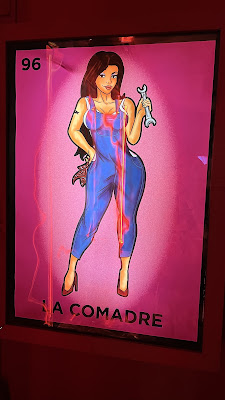
Kinky Bar
Three-level venue on the main Zona Rosa strip with a cantina floor, glass-walled karaoke bar, and rooftop terrace. Draws a young, mixed crowd with Latin pop and electronic sets on weekends.
Calle Amberes 1
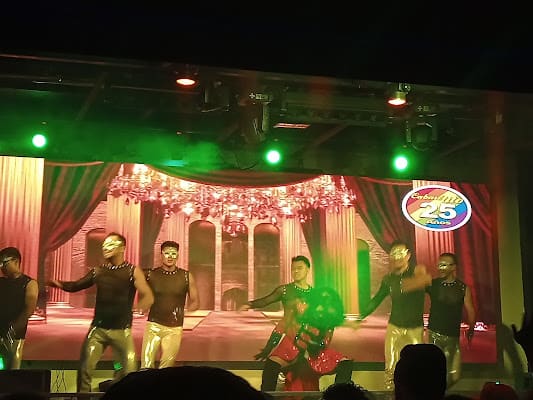
Cabaretito Fusión
Dance-oriented bar featuring live Latin fusion, cumbia, and Mexican rock acts. Opens early evening on Thursdays through Saturdays and tends to attract a younger crowd.
Londres 77
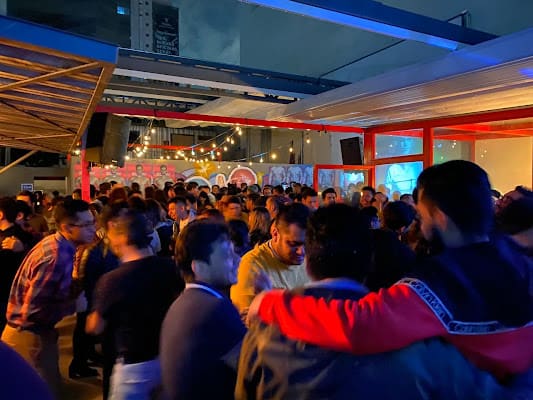
Blow Bar
Multi-level club with a main dance floor pumping pop and electronic beats plus an open-air rooftop patio. Runs Thursday to Saturday from 9 PM until around 3 AM.
Calle de Niza 40
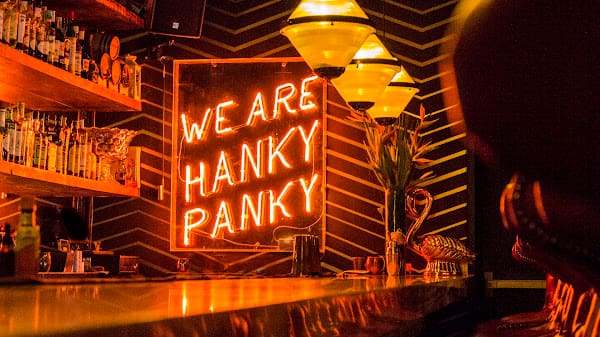
Hanky Panky
Speakeasy cocktail bar hidden behind a working fonda kitchen, ranked among the world's top 50 bars. Reservations are required and should be booked well in advance on OpenTable.
Turín 52
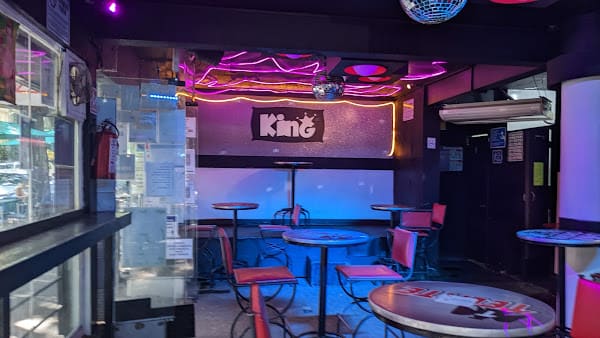
King Bar
Laid-back bar on Calle Amberes known for themed nights, karaoke events, and drag shows. Opens afternoons and runs until late, with a relaxed and inclusive atmosphere.
Calle Amberes 18
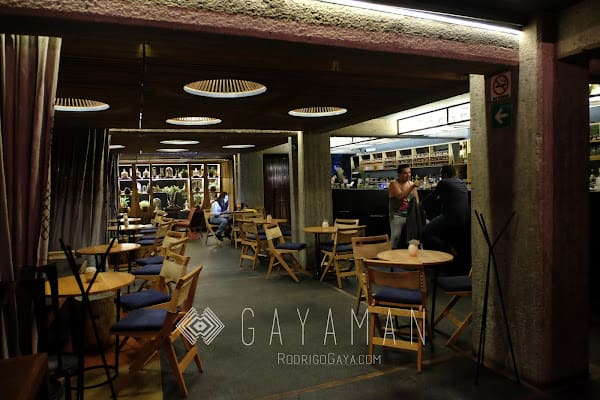
Xaman Bar
Underground tiki-themed speakeasy reached by descending a flight of stairs from street level. Serves craft cocktails in a dimly lit, tropical-inspired setting.
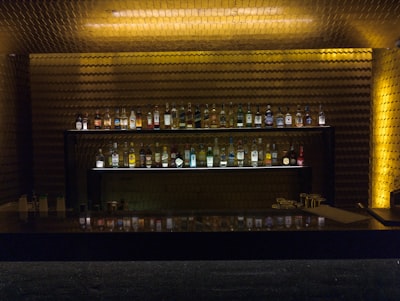
Pata Negra
Spanish-themed bar on Tamaulipas that pulls an older, professional crowd. Sangria pitchers and tapas plates pair with a relaxed atmosphere that feels more European than Mexican.
Calle Tamaulipas 30, Col. Condesa
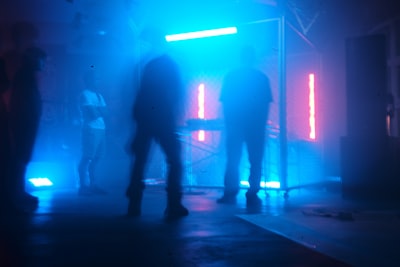
Living Room
Multi-level club on Calle Amberes with VIP tables and bottle service on the upper floor. The music rotates between reggaeton, hip-hop, and Latin pop depending on the night.
Calle Amberes 14, Col. Juarez
Lollipop
Dance club in the heart of Zona Rosa drawing a young, mixed crowd with pop, reggaeton, and EDM. Known for themed party nights and energetic staff who keep the floor moving.
Calle Amberes 17, Col. Juarez
Coyoacan Mezcaleria
Mezcal-focused bar with over 80 varieties from Oaxaca, Guerrero, and Puebla. The staff walks newcomers through tasting flights, and the atmosphere stays conversational rather than loud.
Calle Genova 44, Col. Juarez
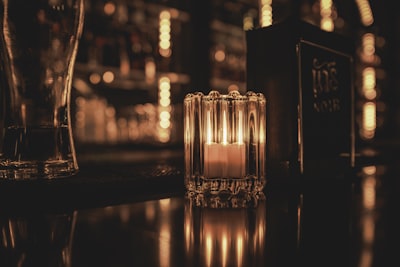
Bares El Marrakech
Moroccan-styled hookah lounge and cocktail bar tucked into a side street off Amberes. Low couches, brass lanterns, and mint tea cocktails create an atmosphere that stands apart from the clubs next door.
Calle Hamburgo 87, Col. Juarez
Rico Club
Late-night dance club that doesn't get going until after 1 AM. Two rooms play different genres, with the main floor leaning electronic and the back room hosting Latin sets.
Calle Niza 46, Col. Juarez
Overview and Location
Zona Rosa sits in the Cuauhtemoc borough of Mexico City, bounded roughly by Paseo de la Reforma to the north, Avenida Chapultepec to the south, Avenida Insurgentes to the west, and Calle Florencia to the east. The neighborhood takes its name from the pink (rosa) stone buildings that once characterized the area. Today it's the city's primary entertainment district, a compact grid of pedestrian-friendly streets packed with bars, clubs, restaurants, and retail.
Our researcher spent several nights in this area compiling notes.
The neighborhood wears two identities at once. By day, it's a commercial zone with office buildings, Korean restaurants along Calle Londres (Mexico City has a sizable Korean community here), and tourist shops. After dark, the character shifts. Amberes Street and Genova Street become the main arteries of the nightlife scene, with everything from cocktail lounges and dance clubs to strip venues and cantinas operating within a few walkable blocks.
Zona Rosa is also the historic heart of Mexico City's LGBT community. The rainbow flags along Amberes aren't decorative; they mark a neighborhood with decades of history as a safe space. The gay bars and clubs concentrated here are some of the most established nightlife venues in the district, and the inclusive atmosphere shapes the overall character of the area.
Legal Status
Mexico City's 2019 decriminalization of sex work means that consensual adult activity in Zona Rosa operates in a relatively permissive legal environment. Workers who register with the city can obtain health cards, and the neighborhood's entertainment venues range from mainstream clubs to establishments where adult services are part of the business model.
Police patrol the area regularly, and their presence is more about maintaining public order than cracking down on the adult entertainment industry. Interactions with law enforcement here tend to be less problematic than in areas like La Merced, though officers can still be opportunistic with tourists who look lost or intoxicated.
Costs and Pricing
Zona Rosa is mid-range by Mexico City standards. It's cheaper than Polanco but pricier than the cantinas in the Centro Historico.
Drinks: A domestic beer (Corona, Modelo, Victoria) costs 60-100 MXN at most bars. Cocktails run 120-220 MXN. At the more upscale spots along Amberes, craft cocktails push 200-300 MXN. Lady drinks at adult-oriented venues typically cost 150-200 MXN.
Clubs: Cover charges at the larger dance clubs range from 200-500 MXN, sometimes including one or two drinks. Some venues waive cover before a certain hour. Strip clubs charge 100-300 MXN entry, with private dances starting around 500-800 MXN.
Food: Late-night tacos from street carts cost 20-40 MXN each. Sit-down restaurants in the area run 150-350 MXN for a main course. The Korean restaurants on Calle Londres offer solid meals for 120-200 MXN.
Transport: Uber from Roma or Condesa costs 40-70 MXN. From Polanco, expect 60-100 MXN. The Metro ride from Insurgentes station is 5 MXN.
Street-Level Detail
Amberes Street is the spine of the nightlife scene. Walking south from Paseo de la Reforma, you'll pass through a concentration of bars and clubs that gets denser as you approach Calle Londres. The gay bars cluster along the northern stretch of Amberes, while the mixed and straight-oriented venues spread south and onto the connecting streets.
Genova Street runs parallel to Amberes and carries its own share of nightlife. The street has a pedestrian section with outdoor seating, making it a natural gathering point in the early evening before people move to specific venues.
Calle Londres, running east-west, connects the two main streets and hosts the Korean restaurant row that's become a destination in its own right. Late-night Korean BBQ after a night out is a Zona Rosa tradition.
Specific venues shift and change, but the established spots include Pata Negra (a Spanish-themed bar on Tamaulipas popular with an older crowd), Cabaretito (a loud, fun club on Florencia that draws a younger mixed crowd), and several strip clubs along Amberes and the side streets that operate openly but vary in quality and reliability. The gay clubs, particularly along the northern part of Amberes, tend to be the most energetic and consistently packed venues in the district.
Safety
Zona Rosa earns a moderate safety rating. The main streets are well-lit with regular police foot patrols, and the density of pedestrian traffic provides a degree of safety in numbers. That said, this is still Mexico City, and basic precautions matter.
Clip joints operate in Zona Rosa. Some bars use attractive touts to draw tourists inside, then present inflated bills for drinks that were supposedly ordered. In extreme cases, bouncers block the exit until you pay. Stick to venues with visible pricing, pay as you go, and don't follow strangers into unfamiliar bars. If you're presented with a fraudulent bill and feel threatened, paying and leaving is the safer choice.
- Pickpocketing increases after midnight, especially on crowded stretches of Amberes
- Don't walk south of Avenida Chapultepec after dark; the neighborhood transitions quickly
- Keep phone use discreet on the street; phone snatching happens here
- Use Uber or Didi when leaving, especially after 2 AM. Don't hail street taxis
- The side streets off the main grid are darker and less patrolled. Stick to the named streets
Cultural Context
Zona Rosa's identity is layered. The Korean community, the LGBT scene, the tourist nightlife, and the older cantina culture all share the same blocks. It's one of the few neighborhoods in Mexico City where this many subcultures overlap in a small physical space.
The LGBT history here is significant. Mexico City legalized same-sex marriage in 2009, and Zona Rosa's gay bars and clubs were central to the movement. The annual Pride march, which draws hundreds of thousands of participants, traditionally routes through the neighborhood. If you're visiting Zona Rosa, you're walking through a place with genuine cultural meaning, not just a generic entertainment strip.
Tipping follows standard Mexico City norms: 10-15% at restaurants, 10-20 MXN per drink. At strip clubs and adult venues, tipping performers directly is expected and is a significant part of their income.
Scam Warnings
Beyond the clip joint risk, watch for these:
- Short-change scams where bartenders or street vendors give incorrect change, especially if you pay with large bills. Count your change every time
- The "helpful" stranger who approaches you on the street with directions or recommendations and steers you to a venue paying them a commission
- Fake VIP promoters who offer discount entry to clubs but charge a premium once you're inside or steer you to a lower-quality venue
Nearby Areas
Condesa and Roma border Zona Rosa to the south and southwest. These neighborhoods have the city's best cocktail bars, restaurants, and a more relaxed atmosphere. It's a short Uber ride or a 15-minute walk. For a different pace of night, cross Avenida Chapultepec and explore the Roma bar scene.
Centro Historico sits to the east. The Zocalo, the Metropolitan Cathedral, and dozens of cantinas with century-old histories are there. Zinco Jazz Club, in a converted bank vault, is one of the city's best live music venues.
Meeting People Nearby
Zona Rosa's foot traffic and bar density make it one of the easiest places in Mexico City for casual socializing. The outdoor terraces along Genova fill with a mixed crowd of locals and visitors on weekend evenings. For a less nightlife-focused approach, the Korean restaurants on Calle Londres are social by nature, especially the communal BBQ spots. The Roma and Condesa neighborhoods, a short walk south, have a denser concentration of cocktail bars and mezcalerias where the crowd is more local. For the full overview of Mexico City's social and dating scene, see the main city guide.
Best Times
- Thursday through Saturday: Peak nightlife; clubs and bars fill up after 11 PM
- Wednesday: Some venues run mid-week specials and ladies' nights
- 10 PM to 3 AM: The active window; many bars open earlier but don't get going until late
- November through April (dry season): The most comfortable weather for walking between venues
- Pride season (June): The neighborhood is at its most energetic and crowded
- Avoid Monday and Tuesday unless you're looking for a quiet evening; most nightlife venues are closed or empty
What Not to Do
- Do not follow touts or strangers into unfamiliar bars
- Do not run a tab at venues you don't know; pay each round in cash
- Do not walk south past Avenida Chapultepec into less-patrolled streets after dark
- Do not hail street taxis; use Uber, Didi, or the Metro
- Do not flash expensive items; keep phones in pockets between uses
- Do not buy drugs from anyone in or around the clubs
- Do not engage with anyone who appears underage; Mexican authorities and international law enforcement cooperate closely on exploitation cases
- Do not get into confrontations with bouncers or bar staff; walk away from disputes
Get the Legal Status PDF, 50 countries
Newsletter signup coming soon. Check back shortly.
Related Guides
Mexico City Overview
City guide to adult nightlife in Mexico City, covering key entertainment districts, safety tips, scam awareness, and cultural context.
Read guideLa Merced
District guide to La Merced in Mexico City, one of the oldest commercial areas with a street-level adult scene and significant safety considerations.
Read guideSullivan Park
District guide to the Sullivan Park area in Mexico City, a historically known nightlife zone near the San Rafael neighborhood.
Read guideFrequently Asked Questions
Was this guide helpful?