Entertainment Districts
Pick a neighborhood to start exploring
La Merced
2/5RiskyDistrict guide to La Merced in Mexico City, one of the oldest commercial areas with a street-level adult scene and significant safety considerations.
9 nightlife spots listed
Sullivan Park
2/5RiskyDistrict guide to the Sullivan Park area in Mexico City, a historically known nightlife zone near the San Rafael neighborhood.
11 nightlife spots listed
Zona Rosa
3/5ModerateDistrict guide to Zona Rosa in Mexico City, the city's primary entertainment and nightlife district with bars, clubs, and cultural landmarks.
12 nightlife spots listed
District Map of Mexico City
Pick a district to recenter the map and see hotels nearby.
Where to stay in Mexico City
Compare hotels and rentals across the city's nightlife districts.
See places to stay and current pricesOverview
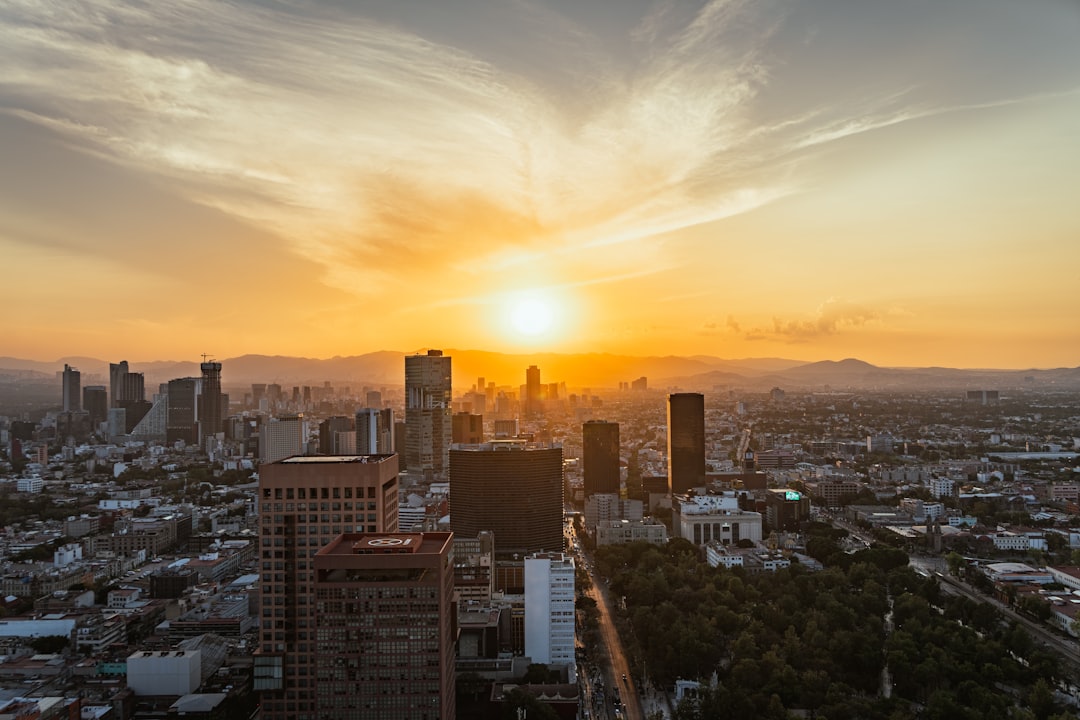
Mexico City is one of the largest cities in the Western Hemisphere, home to roughly 22 million people in the greater metropolitan area. It's a capital city with serious cultural weight: world-class museums, a food scene that rivals any on the planet, and neighborhoods that range from colonial architecture to gleaming modern high-rises. The nightlife draws on all of that. This isn't a border town or a beach resort. It's a sprawling megacity where the entertainment options run deep and the scene reflects genuine urban complexity.
Prices and venue details confirmed through multiple visits.
The adult entertainment industry here operates differently from what you'll find in Tijuana or Cancun. There's no single red-light district, no tolerance zone neatly drawn on a map. Instead, the scene is distributed across the city. Zona Rosa has the most concentrated nightlife. La Merced has raw street-level activity with real risks. Upscale gentlemen's clubs and private establishments operate in wealthier neighborhoods like Polanco and Roma. The variety matches the city's scale.
For a visitor, the biggest adjustment is the city itself. Mexico City is massive, spread across a high-altitude valley at 2,240 meters above sea level. Traffic is legendary. Distances between neighborhoods that look close on a map can take an hour by car. Planning your evening around one area, rather than bouncing between distant neighborhoods, is the smart move.
Legal Context
Mexico City decriminalized sex work in 2019, making it one of the most progressive jurisdictions in Latin America on this issue. Workers can register with the city government and obtain health cards (tarjetas de salud) that certify regular STI testing. The legal framework aims to protect workers rather than criminalize them, and advocacy organizations have pushed for further formalization of protections.
In practice, enforcement is uneven. Registered workers in established venues operate with relative freedom. Street-level workers in areas like La Merced may or may not carry valid documentation, and police interactions with workers in those areas can involve extortion rather than protection. The law distinguishes between consensual adult sex work (decriminalized) and trafficking or exploitation (criminal offenses prosecuted aggressively, at least on paper).
For tourists, the legal risk is minimal as long as interactions involve consenting adults. The more significant risks are safety-related, not legal.
Key Areas
Zona Rosa is the traditional entertainment hub, centered around Amberes and Genova streets in the Cuauhtemoc borough. It's the city's main nightlife district and its most prominent LGBT neighborhood. Bars, clubs, strip venues, and restaurants pack these blocks. The area is walkable, well-lit, and has a visible police presence. Most tourists start here.
La Merced is one of Mexico City's oldest commercial districts, anchored by a massive traditional market. The streets surrounding the market have been a center for street-level sex work for decades. This is not a tourist area. Safety risks are significant, including robbery, police extortion, and the possibility of encountering trafficking situations. Most visitors are strongly advised to avoid this zone.
Sullivan Park (Parque Sullivan) in the San Rafael neighborhood was historically one of the city's most recognized areas for street-based sex work. The area has changed considerably. Gentrification, police operations, and broader urban development have reduced the visible scene. A weekend art market now operates in the park itself. The surrounding streets still carry some activity but nothing like the historical peak.
Condesa and Roma are the trendy, gentrified neighborhoods that form the heart of Mexico City's modern bar and restaurant scene. Think craft cocktail bars, rooftop terraces, and hip restaurants in converted colonial homes. Adult entertainment here takes the form of upscale clubs and private arrangements rather than street-level activity. These neighborhoods are among the safest in the city for nightlife.
Polanco is Mexico City's wealthiest neighborhood, home to embassies, luxury hotels, and high-end dining. The gentlemen's clubs and upscale entertainment venues in Polanco cater to a moneyed clientele. Prices reflect the address. This is the safest nightlife area in the city, but also the most expensive.
Safety
Mexico City's safety varies dramatically by neighborhood and time of day. The tourist-friendly areas (Polanco, Roma, Condesa, Zona Rosa) have police presence, established businesses, and foot traffic that make them reasonably safe for nightlife. Step outside those zones, particularly into areas like Tepito, La Merced at night, or unfamiliar parts of the Centro Historico, and the risk profile changes fast.
Taxi-related crime is the most common threat to tourists. Unlicensed taxis (piratas) have been linked to express kidnappings, where the driver takes you to ATMs at gunpoint and forces you to withdraw cash. Never hail a cab off the street. Use Uber, Didi, or radio taxis exclusively. This single precaution eliminates the most common serious crime against visitors.
- Altitude sickness affects some visitors. At 2,240 meters, you'll feel winded and may get headaches. Alcohol hits harder at altitude. Pace yourself
- Earthquakes are a real concern. Know where exits are in any building you enter
- Petty theft and pickpocketing happen in crowded areas, the Metro, and busy markets
- Don't resist a robbery. Hand over what they want. Nothing in your wallet is worth your safety
- Avoid walking alone in unfamiliar neighborhoods after dark
- Keep phone use discreet on the street; phone snatching is common
Cultural Norms
Mexico City is a cosmopolitan capital with a diverse population. Cultural attitudes are more progressive here than in most of Mexico, particularly regarding LGBT issues and sex work.
- Spanish is the primary language. English is spoken in tourist-oriented businesses in Roma, Polanco, and Condesa, but don't count on it elsewhere
- Chilangos (Mexico City residents) are proud of their city and knowledgeable about it. Genuine interest in the culture is appreciated
- The food culture is a point of deep pride. Tacos al pastor, tlacoyos, and mole are serious culinary traditions, not tourist novelties
- Machismo exists but is less pronounced in the educated, urban neighborhoods where tourists spend time
- Tipping 10-15% is standard at restaurants. Bartenders expect 10-20 MXN per drink at most venues
- The city runs late. Dinner at 10 PM is normal. Clubs don't fill up until midnight or later
Social Scene
Mexico City has one of the deepest nightlife scenes in the Americas. Condesa and Roma are the epicenter, with a density of cocktail bars, mezcalerias, and live music venues that rivals any neighborhood in Brooklyn or East London. Places like Licoreria Limantour (on Alvaro Obregon in Roma) and Baltra Bar (on Iztaccihuatl in Condesa) regularly appear on international best-bar lists. These spots draw a young, creative, well-traveled crowd, and conversations start easily.
The mezcal bar scene deserves special mention. Mexico City has dozens of small mezcalerias where you can sample artisanal spirits from Oaxaca, Guerrero, and Puebla. Spots like Bósforo in the Centro Historico and La Clandestina in Condesa are as much about education and conversation as they are about drinking. The culture around mezcal is slow and social, which makes these bars natural places for meeting people.
For live music, the range is staggering. Son jarocho at a Coyoacan cantina, electronic music at a Roma warehouse party, jazz at the Zinco Jazz Club in Centro, or Latin rock at a Zona Rosa club. The city's music infrastructure supports everything.
The expat community in Mexico City has grown massively since 2020, concentrated in Roma, Condesa, and parts of Coyoacan. Coworking spaces, language exchanges, and Facebook groups (like "Mexico City Expats" and "Chilangos Internationals") create easy entry points. The influx of remote workers has created some tension with locals over rising rents, so awareness of that dynamic matters.
Local Dating Notes
Tinder, Bumble, and Hinge all have large user bases in Mexico City. The dating culture skews more traditional than in comparable US or European cities. Mexicans tend to value courtship and personal connection over the quick, transactional swipe culture. A willingness to communicate in Spanish, even imperfectly, goes a long way. The neighborhoods of Roma and Condesa concentrate the dating-app-active population, and first-date spots like the cafes on Alvaro Obregon or the parks along Amsterdam Avenue are safe, walkable choices.
Scam Warnings
Beyond the taxi scam described above, watch for these patterns:
- ATM skimming is widespread. Use ATMs inside banks during business hours, not street-facing machines
- Clip joints in the Zona Rosa: bars that lure you in with pretty faces, then present a bill ten times what you ordered. Pay as you go, never run a tab at an unfamiliar venue
- Fake police occasionally operate in tourist areas, demanding to see your wallet or passport. Real police carry visible ID; if something feels wrong, ask to go to the nearest police station
- Metered taxi scams where the driver takes a long route or runs a rigged meter. Stick to ride-hailing apps
Best Times
Mexico City's climate is mild year-round, with warm days and cool evenings. The dry season (November through April) is the most pleasant. The rainy season (May through October) brings afternoon downpours that usually clear by evening.
Thursday through Saturday are peak nightlife nights. Many venues are closed or dead on Monday and Tuesday. The city's cultural calendar is packed with festivals, concerts, and events that can make any given week busier than usual. Dia de los Muertos (late October through early November) and Semana Santa (Easter week) are major periods.
Getting Around
- Uber and Didi are the safest, most reliable transport options. Rides across the city typically cost 60-150 MXN
- Metro: Cheap (5 MXN per ride) and extensive, but crowded during rush hours and a target for pickpockets. Useful during the day, less ideal late at night
- Metrobus: The bus rapid transit system connects major corridors. More comfortable than the Metro for longer routes
- Walking: Excellent within neighborhoods like Roma, Condesa, and Polanco. Not practical for cross-city travel
- Never hail a street taxi. This bears repeating. Use apps or have your hotel call a radio taxi (sitio)
What Not to Do
- Don't take street taxis under any circumstances
- Don't venture into Tepito, La Merced at night, or unfamiliar neighborhoods without a specific reason and a plan
- Don't carry more cash than you need for the evening
- Don't flash expensive phones, watches, or jewelry on the street
- Don't drink the tap water. Stick to bottled or purified water
- Don't underestimate the altitude; alcohol and exertion hit harder here
- Don't buy drugs from anyone. The supply chain in Mexico City connects to organized crime, and police stings targeting tourists happen
- Don't engage with anyone who appears underage. Mexican authorities and international law enforcement cooperate on trafficking and exploitation cases
- Don't wander around intoxicated. Being visibly drunk in the wrong area makes you a target
- Don't assume that safety in Roma or Condesa means safety everywhere. Mexico City is a patchwork, and conditions change from block to block
Get the Legal Status PDF, 50 countries
Newsletter signup coming soon. Check back shortly.
Bookable nightlife experiences in Mexico City
Curated tours and shows from verified operators. Skip-the-line entry, bilingual guides, and fixed prices booked online.
Mexico City Mezcal Tasting & Bar Tour
Three mezcalerías in Roma Norte with paired tasting flights. Compact 3-hour evening warm-up.
Mexico City Lucha Libre Show with Beer
Arena México tickets plus beer and tacos. Cult-favorite pre-club activity for first-timers.
Flights to Mexico City
Compare prices across airlines. Filter by stops, time, and cabin.
Airport transfer to Mexico City
Pre-booked transfers cost about the same as a metered taxi but cut out the airport queue, the meter argument, and the "no English" routine that takes some drivers to the wrong address. Fixed price quoted before booking, driver tracks your flight, waits with a name sign at arrivals.
Book a KiwiTaxi transferFrequently Asked Questions
Related Guides
La Merced
District guide to La Merced in Mexico City, one of the oldest commercial areas with a street-level adult scene and significant safety considerations.
Read guideSullivan Park
District guide to the Sullivan Park area in Mexico City, a historically known nightlife zone near the San Rafael neighborhood.
Read guideZona Rosa
District guide to Zona Rosa in Mexico City, the city's primary entertainment and nightlife district with bars, clubs, and cultural landmarks.
Read guideWas this guide helpful?