Yoshiwara
Semi-Legal3/5ModerateDistrict guide to Yoshiwara in Taito-ku, Tokyo. Historic red-light district and Japan's largest concentration of soapland establishments.

Where to stay near Yoshiwara
Hotels walking distance from the venues on this page.
See places to stay and current pricesWhere to Go Out
Our picks for the best nights out here
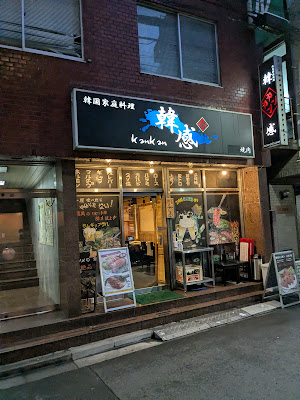
Kankan
Small local bar near the Yoshiwara Shrine. Serves as a pre-visit gathering spot for regulars. Japanese-speaking clientele, limited English.
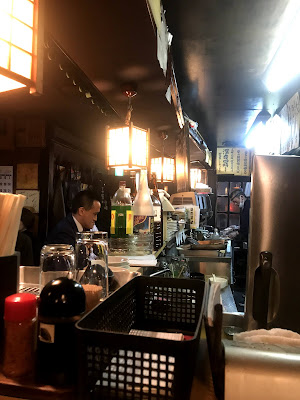
Izakaya Torishin
Traditional Japanese pub a short walk from the Yoshiwara area. Grilled chicken skewers and draft beer. Good for a meal before or after visiting the district.
Senzoku 3-chome
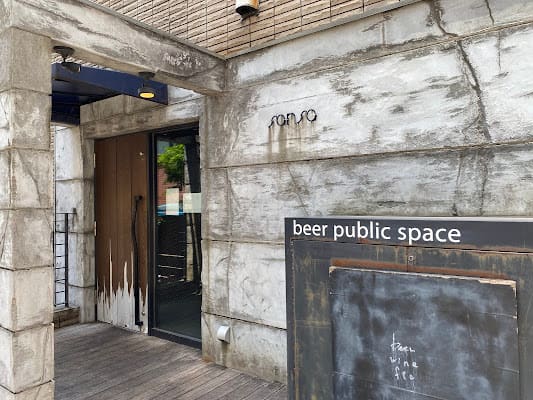
San'ya Bar Row
Cluster of small, cheap bars in the nearby San'ya area. Working-class atmosphere, beers from 300 JPY. Cash only, minimal English.
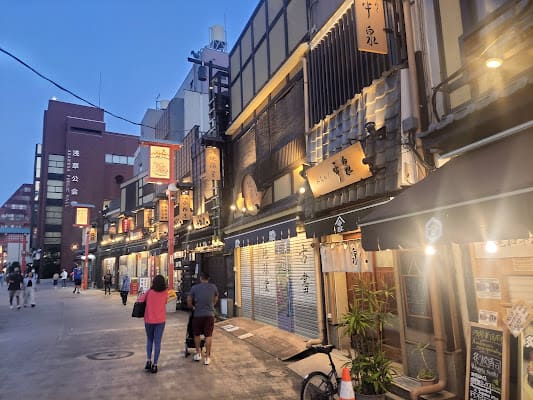
Hoppy Street Minowa
Stretch of small bars near Minowa Station serving hoppy (a light beer-like drink) and cheap snacks. Low-key local nightlife option.
Cafe Bach
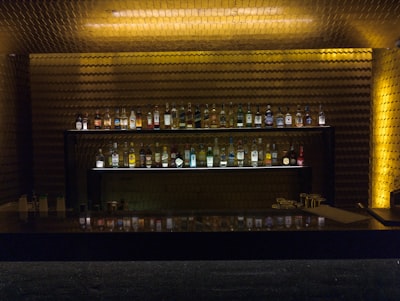
Coffee shop by day, quiet bar by evening near Minowa Station. Serves wine, beer, and whisky alongside hand-drip coffee. A refined stop before or after visiting the district.
1-23-9 Nihonzutsumi, Taito-ku
Tachinomi Toyo
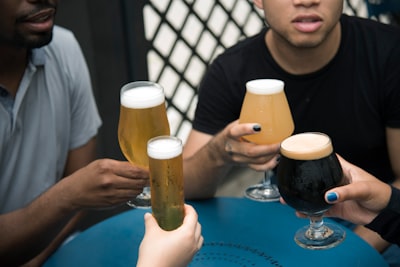
Open-air standing bar near Jokamachi shopping street serving fresh sashimi and cheap beer from 300 JPY. Cash only, no frills, and beloved by regulars.
Toriyoshi Minowa
Yakitori izakaya a five-minute walk from Yoshiwara serving grilled chicken and draft beer. Set courses from 2,500 JPY. A solid dinner spot before heading into the district.
Sento Taisho-yu
Historic public bathhouse converted into a craft beer taproom. Soak in the original tiled baths, then drink local brews starting at 600 JPY in the renovated lobby.
2-18-4 Senzoku, Taito-ku
Iroha
Small counter-only bar near Yoshiwara Jinja shrine. The mama-san runs the place solo, pouring shochu and sake while chatting with regulars. Basic Japanese is helpful.
Overview and Location
Yoshiwara occupies a compact area in Senzoku 4-chome, Taito-ku, in the northern part of central Tokyo. It sits about 15 minutes north of Ueno by subway and a short walk from Minowa Station on the Hibiya Line. The district doesn't announce itself with neon or signage the way Kabukicho does. At street level, it looks like many other quiet Tokyo neighborhoods: mid-rise buildings, clean sidewalks, vending machines. Only the density of certain types of businesses on specific blocks reveals its character.
This guide is based on multiple evenings spent in Yoshiwara.
This area has operated as a pleasure quarter for over 400 years. Established in 1617 during the Edo period, Yoshiwara was Japan's largest and most famous licensed district. A fire in 1656 forced a relocation to the current site, then marshland north of Sensoji temple. Today the district contains over 100 soapland establishments employing roughly 6,000 workers, making it the single largest concentration of this type of adult entertainment business in Japan.
Legal Status
Soaplands operate within a specific category of Japan's Fueiho licensing system. They are legally classified as "special bathhouses" offering bathing services and companionship. The legal framework draws a line that specifically prohibits the exchange of money for vaginal intercourse (under the 1956 Anti-Prostitution Act), while permitting a range of other intimate services within licensed establishments.
This legal distinction shapes everything about how Yoshiwara operates. Establishments hold proper licenses from the Tokyo Metropolitan Public Safety Commission. They pay taxes, follow operating hour regulations, and submit to inspections. A police crackdown in 2007 increased enforcement and closed some operations, but the majority of establishments continue to operate within the licensed framework. The legal gray area is narrow and specific, and establishments are careful to operate within it.
Costs and Pricing
Yoshiwara's soaplands operate on a tiered pricing system. Understanding the tiers before you visit prevents sticker shock and helps you choose an establishment that matches your expectations and budget.
Budget tier (taishuu-ten): These shops charge 20,000-25,000 JPY for 50-70 minutes. Service is straightforward and no-frills. Rooms are small and functional. These establishments are most likely to accept walk-ins and are sometimes more open to foreign customers, though language barriers still apply.
Mid-range tier (chukan-ten): The largest category. Prices run 25,000-35,000 JPY for 100-120 minutes. Rooms are larger, facilities are better maintained, and the overall experience is more polished. Many mid-range shops require reservations, especially on weekends.
High-end tier (koukyu-ten): Starting at 45,000 JPY for 90 minutes and reaching 85,000 JPY or more for 120 minutes at the top establishments. These shops have upscale interiors, extensive menus of services, and staff selected for appearance and conversation skills. Nearly all require advance reservations. Some high-end shops charge premium rates for foreign customers.
Payment: Cash is the standard. Some establishments accept Japanese credit cards, but overseas-issued cards frequently fail. ATMs at convenience stores (7-Eleven is most reliable for international cards) are nearby. Bring sufficient cash before arriving.
Reservations: Most shops accept phone reservations, and an increasing number have web booking systems. Some have English-language booking pages. Walk-ins are possible at budget establishments but rare at mid-range and above, especially on weekends and holidays.
Nomination fees: Requesting a specific worker adds 1,000-3,000 JPY at most establishments. Repeat nominations may carry higher fees at premium shops.
Street-Level Detail
Yoshiwara doesn't look like an entertainment district in the conventional sense. There are no flashing signs or loud music spilling into the street. The soapland buildings line specific blocks in Senzoku 4-chome, identifiable mainly by their distinctive facades: clean, somewhat anonymous buildings with small signs displaying the establishment name, often in stylized Japanese text.
Main Streets
The primary concentration runs along several parallel streets in a grid pattern. Each block has multiple establishments side by side. During operating hours (typically 10:00 AM to midnight), you'll see some establishments with lit signs and open entrances. Staff or signs at the door indicate whether the shop is accepting customers.
Yoshiwara Jinja Shrine
The Yoshiwara Shrine sits within the district, a reminder of the area's long history. It enshrines Benzaiten, one of the Seven Lucky Gods, and has served as the guardian shrine of the pleasure quarter for centuries. Jokanji Temple, a short walk toward Minowa Station, holds a more somber piece of history: it's where over 20,000 women from the old Yoshiwara were buried in unmarked graves.
Surrounding Area
The streets immediately outside the soapland zone transition quickly to ordinary residential and commercial Tokyo. Convenience stores, small restaurants, and apartments surround the district. The area near Minowa Station has several affordable eating options. San'ya, the neighborhood to the north, has a working-class character and some budget accommodations.
Safety
Yoshiwara is physically very safe. The streets are quiet, well-maintained, and there are no touts aggressively pulling passersby into establishments. The area lacks the chaotic energy of Kabukicho or Roppongi. You won't encounter the drink-spiking or bill-inflation scams common in those districts.
The risks here are different. Language misunderstandings about services and pricing are the primary concern. If you don't read Japanese and can't communicate clearly with staff, there's potential for confusion about what's included, how long your session lasts, or what the total cost will be. Some establishments handle this well with picture menus or basic English; others don't.
Health considerations are worth noting. Licensed soaplands follow health protocols, but individual practices vary. Carry your own protection regardless of what an establishment provides.
Cultural Context
Yoshiwara's 400-year history gives it a unique cultural position in Japan. During the Edo period, it was a center of art, fashion, and literature as much as it was a pleasure quarter. Ukiyo-e woodblock prints, kabuki plays, and novels drew heavily on Yoshiwara's world. The annual Oiran Dochu procession, held in April during the Ichiyo Sakura Festival, recreates the elaborate parades of high-ranking courtesans through the streets of Senzoku.
Modern Yoshiwara occupies an ambiguous social space. Most Japanese are aware of what the district is, but it's rarely discussed openly. The establishments operate quietly, without advertising in mainstream media. Workers commute in plain clothes and change at the shop. This discretion is fundamental to how the district functions, and visitors are expected to match it.
Scam Warnings
Bait-and-switch pricing: Some lower-tier soaplands advertise a low base price to attract customers, then add fees for services that were implied to be included. "Bath fee," "service fee," "facility charge," and "nomination fee" can stack up to double the advertised price. Ask for the total cost, including all fees, before entering the room. If the answer is vague, choose a different establishment.
Unauthorized credit card charges: Handing over a credit card at any cash-preferred business carries risk. If an establishment insists on a card despite advertising cash payment, that's a red flag. Stick to cash.
Fake online reviews: Some English-language review sites are affiliated with specific establishments and publish favorable reviews in exchange for referral fees. Cross-reference multiple sources before choosing a shop.
Nearby Areas
Minowa Station, the main access point, is one stop from Minami-Senju and three stops from Ueno on the Hibiya Line. Asakusa is about 20 minutes away on foot or a short taxi ride, offering Sensoji temple, Nakamise shopping street, and a dense concentration of traditional restaurants and bars.
The Iriya area, between Yoshiwara and Ueno, has affordable local restaurants and izakayas that serve the neighborhood rather than tourists. Ueno itself has a major park, museums, and Ameyoko market, a lively outdoor shopping street good for cheap street food and daytime browsing.
San'ya, directly north of Yoshiwara, is one of Tokyo's least-visited neighborhoods with a working-class history and some of the city's most affordable accommodation.
Meeting People Nearby
Yoshiwara itself is not a socializing district. There are no bars or casual hangout spots within the soapland zone. For meeting people, head to Asakusa's bar scene, which has grown significantly in recent years with craft beer bars and small izakayas along the streets behind Sensoji. The Hoppy-dori stretch in Asakusa draws a friendly, mixed crowd of locals and tourists drinking cheap beer and shochu at outdoor tables. For a full overview of Tokyo's social scene and dating apps, see the main Tokyo city guide.
Best Times
- Weekday afternoons (2 PM to 6 PM): Least crowded, best availability, walk-ins more feasible
- Friday and Saturday evenings: Busiest periods, reservations strongly recommended
- Operating hours: Most establishments open 10:00 AM to midnight, with some variation
- Year-end and New Year (late December to early January): Many shops close or reduce hours
- Golden Week and Obon: Some closures, but many shops stay open to serve the holiday crowd
- Avoid arriving intoxicated: Establishments will refuse entry to visibly drunk customers
What Not to Do
- Do not take photographs anywhere in the district, inside or outside establishments
- Do not attempt to enter an establishment that has declined you; move on without argument
- Do not haggle over prices, which are fixed at all legitimate soaplands
- Do not arrive heavily intoxicated, as you will be turned away
- Do not loiter on the streets or behave in a way that draws attention
- Do not discuss the specifics of services loudly in public areas
- Do not ignore health precautions regardless of what staff suggest
- Do not leave reviews that identify specific workers by real name
Get the Legal Status PDF, 50 countries
Newsletter signup coming soon. Check back shortly.
Related Guides
Tokyo Overview
City guide to adult nightlife in Tokyo, covering Kabukicho, legal context, cultural norms, and practical advice.
Read guideIkebukuro
District guide to Ikebukuro in Tokyo. A major entertainment hub with hostess clubs, girls bars, love hotels, and late-night drinking spots.
Read guideKabukicho
District guide to Kabukicho in Shinjuku, Tokyo. Japan's largest entertainment district, with practical advice and safety information.
Read guideUeno
District guide to Ueno in Tokyo. Budget izakayas, Ameyoko bar hopping, and adult entertainment along Nakamachi-dori and surrounding streets.
Read guideRoppongi
District guide to Roppongi in Tokyo, covering nightlife, clubs, bars, safety risks, and practical advice for foreign visitors.
Read guideFrequently Asked Questions
Was this guide helpful?