Ueno
Semi-Legal3/5ModerateDistrict guide to Ueno in Tokyo. Budget izakayas, Ameyoko bar hopping, and adult entertainment along Nakamachi-dori and surrounding streets.

Where to stay near Ueno
Hotels walking distance from the venues on this page.
See places to stay and current pricesWhere to Go Out
Our picks for the best nights out here
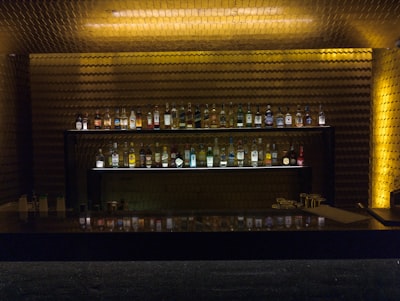
HUB Ueno
British-style pub chain popular with locals and visitors alike. Offers cheap drinks, a relaxed atmosphere, and English menus.
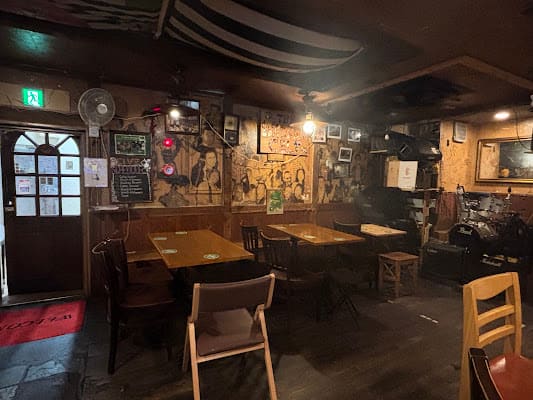
Warrior Celt
Irish pub near Ueno station serving Guinness and pub grub. One of the few international-style bars in the neighborhood.
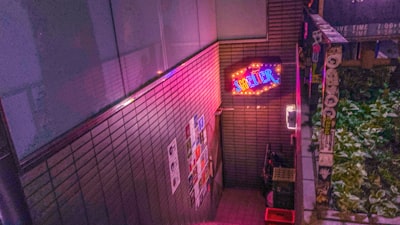
Pasela Resorts Ueno Koenicho
Upscale karaoke chain with themed rooms, cocktail service, and a large English song library. Open late on weekends.
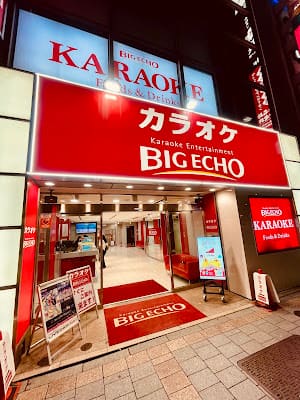
Big Echo Ueno-Hirokoji
Major karaoke chain branch with affordable rates during off-peak hours. Popular spot for after-work groups and late-night singing sessions.
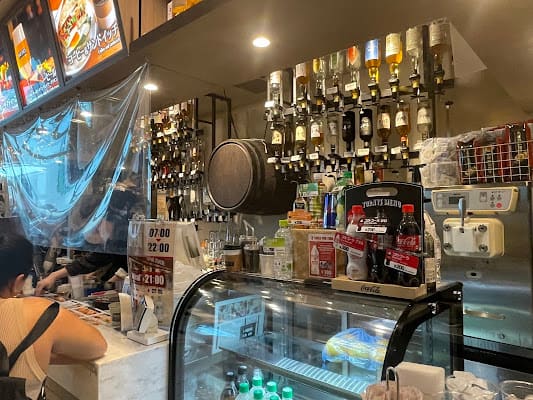
Bar Rage Ueno
Compact standing bar near Ameyoko with rotating craft beer taps and highballs. Draws a mix of salarymen and backpackers from nearby hostels.
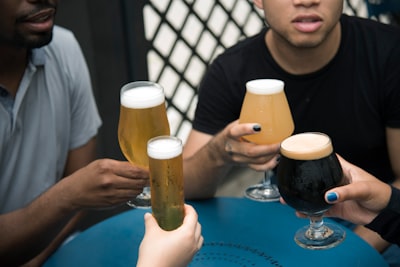
Tachinomi Takioka
Legendary standing bar near Ameyoko where dishes start at 100 JPY and drinks from 200 JPY. Cash only, no seats, and perpetually packed with locals after 5 PM.
6-9-21 Ueno, Taito-ku
Kadokura
Standing izakaya under the Ameyoko railway arches where almost every dish is under 500 JPY. The low ceiling and rattling trains overhead create genuine old-Tokyo atmosphere.
Bunraku
Tiny yakitori bar wedged beneath the JR tracks near Okachimachi. Grilled chicken skewers from 150 JPY and draft beer at 400 JPY. Seats maybe 15 people shoulder to shoulder.
Karaoke Manekineko Ueno
Budget karaoke chain branch open 24 hours near Ueno Station. Free-time plans available after midnight for around 1,500 JPY including unlimited soft drinks.
6-16-7 Ueno, Taito-ku
Danke
German-style beer hall serving sausages and imported drafts near Shinobazu Pond. Half-liter steins from 700 JPY. A calm alternative to the izakaya scene.
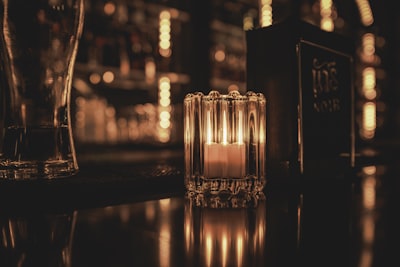
Cocktail Works Ueno
Craft cocktail bar above street level with seasonal menus and bar-counter seating for 12. Cocktails from 900 JPY. Quieter than the standing bars below.
Overview and Location
Ueno occupies the northwest corner of Taito ward, one of Tokyo's oldest commercial districts. The area clusters around Ueno Station, a major JR hub that also serves as the traditional gateway to northern Japan. Above the station sits Ueno Park, home to several of Tokyo's most important museums and the famous cherry blossom viewing spots. Below and around the station, the atmosphere is very different.
This guide is based on multiple evenings spent in Ueno.
The Ameyoko market (Ameya Yokocho) runs south from Ueno Station along the JR railway tracks toward Okachimachi Station. Originally a post-war black market selling American goods and candy (the "ame" in the name), it's now a sprawling open-air shopping street that transforms into a drinking destination after dark. Parallel to this, the streets east of the station along Nakamachi-dori hold a concentration of adult entertainment establishments. Ueno feels grittier and more working-class than most Tokyo entertainment areas. It's the kind of place where drinks cost half what they do in Roppongi and nobody's trying to impress anyone.
Legal Status
Ueno's entertainment businesses operate under the same national Fueiho licensing system as the rest of Tokyo. The adult-oriented establishments along Nakamachi-dori hold various permit categories from the Tokyo Metropolitan Public Safety Commission. The area contains a mix of licensed fuzoku establishments, delivery health (outcall escort) services, girls bars, and massage parlors.
Estimates place roughly 200-250 adult entertainment businesses in the broader Ueno area. A significant majority of these, perhaps 80-90%, are outcall (delivery) services rather than walk-in establishments. This means much of the industry is invisible from street level. The walk-in venues that do exist are concentrated along Nakamachi-dori and its immediate side streets. Police enforcement is periodic, and crackdowns have targeted unlicensed operators, particularly those employing foreign nationals without proper documentation. The legal situation is the same as elsewhere in Japan: services that fall short of the specific legal definition of prostitution operate openly under license.
Costs and Pricing
Ueno is one of Tokyo's cheapest nightlife districts. That's a big part of its appeal.
Standing bars (tachinomi) are the signature experience. Tachinomi Takioka, a local legend near Ameyoko, serves dishes at 100-300 JPY and drinks from around 200 JPY. Kadokura, another well-known standing bar, keeps almost every dish under 500 JPY. You can eat and drink well at a tachinomi for 1,000-2,000 JPY.
Budget izakayas line the streets around Ameyoko. Motsuyaki Daitoryo, famous for grilled offal, prices items from 180 JPY. Draft beer starts at 300-400 JPY. An average visit runs 2,000-2,500 JPY per person. Bunraku, a yakitori bar under the railway tracks, offers similar value with grilled chicken and beer in an atmospheric, cramped setting.
All-you-can-drink plans at chain izakayas cost 1,500-2,500 JPY for 90-120 minutes. This is standard Tokyo pricing but feels like good value given the food quality in the area.
Girls bars in Ueno charge 3,000-5,000 JPY for 30-40 minutes. Drink-back costs and service charges push a typical visit to 10,000-20,000 JPY.
Adult entertainment establishments along Nakamachi-dori vary widely. Massage and relaxation services start around 5,000-8,000 JPY for basic sessions. More specialized services range from 15,000 JPY upward. Outcall (delivery) services typically charge 15,000-30,000 JPY, with prices depending on the service duration and provider.
Love hotels in the Ueno area charge 4,000-7,000 JPY for a rest and 6,000-10,000 JPY for an overnight stay, slightly cheaper than the Shinjuku area average.
Transport is convenient. Ueno Station serves the JR Yamanote Line, Keihin-Tohoku Line, multiple subway lines, and the Shinkansen. Fares to Shinjuku or Shibuya run 200-250 JPY.
Street-Level Detail
Ameyoko Market and Surrounds
The Ameyoko strip runs about 500 meters between Ueno and Okachimachi stations, following the JR tracks. During the day, it's a hectic market selling seafood, dried goods, cosmetics, sneakers, and military surplus. By early evening, the food stalls wind down and the izakayas come alive. The bars sit in the buildings lining both sides of the market street and in the alleys that branch off it.
Under the JR railway arches (the "gaado-shita" area), you'll find some of Ueno's most atmospheric drinking spots. These tiny establishments, wedged beneath the rumbling tracks above, have barely enough room for a dozen customers. The low ceilings, shared counters, and smoke-stained walls create the kind of old-Tokyo atmosphere that's disappearing from more polished neighborhoods.
Nakamachi-dori and Adult Entertainment Zone
Nakamachi-dori runs east of Ueno Station, roughly parallel to Chuo-dori. This street and its branching side alleys contain the concentration of adult entertainment businesses. You'll see signage for fashion health, esute (massage), and girls bars. Many establishments are above street level, marked only by illuminated signs and narrow stairway entrances. The area also contains a number of ethnic restaurants, particularly Filipino, Thai, Chinese, and Korean establishments that serve the international community living in the area.
Ueno Park Area
Ueno Park itself is above and to the west, a completely different world. The park closes officially at 11 PM, though the pathways remain accessible. It's not an entertainment area in the nightlife sense, but the park's southern edge, near the Shinobazu Pond, has a few restaurants and bars with views over the water.
Safety
Ueno is safe. The violent crime rate is negligible, consistent with Tokyo's overall statistics. The Ueno police station and a koban near the station provide visible law enforcement presence. The area is well-lit along main streets, though some of the narrow side alleys off Nakamachi-dori are darker and less trafficked.
Practical risks are limited to overcharging at entertainment venues that don't display clear pricing. The Nakamachi-dori area has seen periodic reports of aggressive solicitation from some establishments, though this is less common than in Kabukicho. Drink spiking is extremely rare in Tokyo but standard precautions apply everywhere. Ueno's late-night izakaya crowd can get rowdy on weekends, but this rarely extends beyond loud singing. The area around the park entrance attracts some homeless individuals, which doesn't present a safety concern but may be unfamiliar to visitors.
Cultural Context
Ueno has always been a working-class entertainment district. It lacks the corporate polish of Ginza, the international flair of Roppongi, or the sheer spectacle of Kabukicho. What it has instead is authenticity. The tachinomi culture here, standing shoulder-to-shoulder with salarymen and local regulars over cheap beer and yakitori, is genuinely old-school Tokyo.
The ethnic diversity of Ueno's entertainment zone reflects broader demographic changes in Tokyo. The concentration of Filipino, Thai, Korean, and Chinese-operated businesses along Nakamachi-dori has grown over the past two decades. Some of these establishments cater specifically to their respective communities, while others serve a mixed clientele. This international presence gives Ueno a character different from more homogeneous entertainment districts.
Ameyoko's transformation from post-war black market to tourist attraction to drinking destination tells a story about how Tokyo neighborhoods reinvent themselves. The market vendors who once sold surplus American goods now sell discount cosmetics and dried seafood, and the izakayas that served returning soldiers now host tourists on bar-hopping tours.
Scam Warnings
Nakamachi-dori price ambiguity: Some girls bars and entertainment establishments along Nakamachi-dori don't display clear pricing. You'll be welcomed in, seated, served drinks, and then presented with a bill far exceeding what you expected. Charges of 20,000-40,000 JPY for what seemed like a casual drink aren't unheard of. Always ask for a written price list before ordering anything. If staff can't or won't provide one, leave.
Bar-hopping tour upselling: Commercial bar-hopping tours in the Ameyoko area are generally legitimate, but some guides receive commissions from specific bars and will steer you toward higher-priced options. This isn't a scam exactly, but it means you may pay more than if you explored independently.
Street vendor overcharging: Some food stalls near Ameyoko charge different prices for items depending on whether they perceive you as a tourist. The difference is usually small (a few hundred yen) but worth noting. Check prices before ordering if they aren't displayed.
Nearby Areas
Ueno connects naturally to several neighboring districts. Okachimachi, one station south, is really just a continuation of the Ameyoko area with additional shopping and dining. Asakusa, home to Senso-ji temple and the Hoppy Street drinking area, sits about 15 minutes east by subway or a 20-minute walk. Nippori, two stops north on the Yamanote Line, has the textile district (Nippori Fabric Town) and a quieter residential atmosphere.
Yoshiwara, Tokyo's historic soapland district in Taito ward, is about 15 minutes northeast by bus or taxi from Ueno Station. It's within the same ward and some visitors combine a visit to both areas.
Meeting People Nearby
Ueno's standing bars are natural conversation starters. The tight quarters and shared counters at places like Kadokura and under-the-tracks izakayas put you elbow-to-elbow with locals. Ameyoko's evening bar-hopping scene draws a mixed crowd of locals, office workers, and tourists. For more structured socializing, Asakusa's Hoppy Street offers a similar atmosphere with slightly more tourist infrastructure. For the full picture of social options, language exchanges, and dating apps in Tokyo, see the main Tokyo city guide.
Best Times
- 4 PM - 6 PM: Early drinking starts at standing bars and Ameyoko izakayas. This is when the local crowd of retirees and early-finishing workers fills the tachinomi
- 6 PM - 9 PM: Peak izakaya hours. After-work crowds pack the Ameyoko bars. The best atmosphere for bar hopping
- 9 PM - midnight: Entertainment venues along Nakamachi-dori are most active. Izakaya crowds begin to thin as the last-train window approaches
- After midnight: Limited options. Some 24-hour izakayas and a few entertainment establishments remain open, but Ueno quiets down more than Kabukicho or Roppongi
- Weekdays see strong after-work crowds at izakayas. Weekends bring more tourists and bar-hopping groups
- December year-end: Ameyoko is packed with shoppers buying New Year food supplies, and izakayas overflow with bonenkai parties
What Not to Do
- Do not follow touts or solicitors along Nakamachi-dori into unfamiliar establishments
- Do not enter any entertainment venue without confirming the full pricing structure
- Do not assume all establishments welcome foreign visitors; some are Japanese-only and will decline entry
- Do not take photographs inside entertainment venues or of workers in the Nakamachi-dori area
- Do not wander into poorly lit back alleys off Nakamachi-dori late at night without purpose
- Do not carry excessive cash; bring only what you intend to spend
- Do not block the narrow Ameyoko walkways during market hours; step aside if you want to stop and look
- Do not leave personal items unattended at communal standing bar counters
Get the Legal Status PDF, 50 countries
Newsletter signup coming soon. Check back shortly.
Related Guides
Tokyo Overview
City guide to adult nightlife in Tokyo, covering Kabukicho, legal context, cultural norms, and practical advice.
Read guideIkebukuro
District guide to Ikebukuro in Tokyo. A major entertainment hub with hostess clubs, girls bars, love hotels, and late-night drinking spots.
Read guideKabukicho
District guide to Kabukicho in Shinjuku, Tokyo. Japan's largest entertainment district, with practical advice and safety information.
Read guideRoppongi
District guide to Roppongi in Tokyo, covering nightlife, clubs, bars, safety risks, and practical advice for foreign visitors.
Read guideYoshiwara
District guide to Yoshiwara in Taito-ku, Tokyo. Historic red-light district and Japan's largest concentration of soapland establishments.
Read guideFrequently Asked Questions
Was this guide helpful?