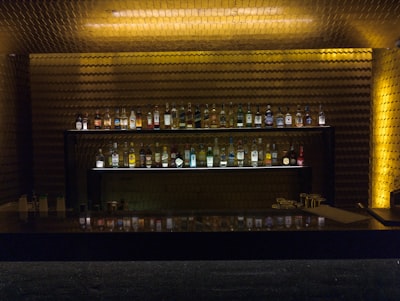
Kibar
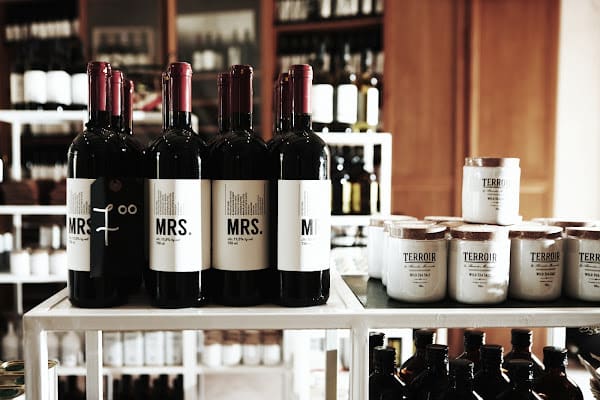
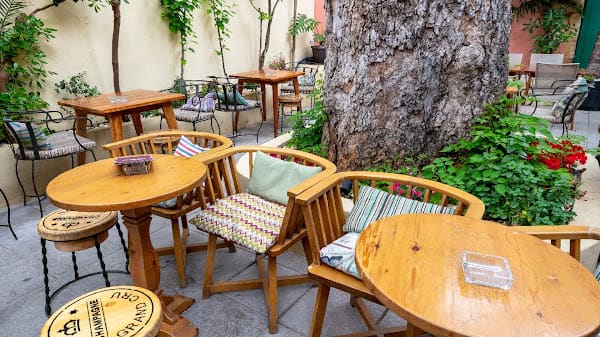
Kibar is a small wine and raki bar tucked into the backstreets between Splantzia square and the Schiavo bastion, far enough from the harbor to stay quieter and cheaper than the seafront. The focus is entirely on Cretan producers: wines from the Heraklion, Sitia, and Chania appellations, tsikoudia and raki from small distillers across the island, and a tight list of cheeses, cured meats, and preserved vegetables to eat alongside. The owner runs the room personally most evenings and treats the bar as a tasting space as much as a drinking one. Order a glass and he'll usually pour a small taste of something else for comparison, explain what vineyard it came from, and suggest what to eat with it. The room holds maybe 25 people at push, with a couple of small tables outside on the lane when the weather allows. Prices stay reasonable because the wine list avoids mainland prestige labels and sticks to Cretan bottles, many of which are still undervalued outside the island. The crowd is roughly half local and half curious visitors who've been pointed here by their hotel or a friend.

Where to stay near Kibar
Hotels close to Chania Old Town, Crete.
See places to stay and current pricesWhat to Expect
A small stone-walled room with a long bar, wine bottles lining every shelf, the owner pouring tastes as he talks. Quiet enough to hear the conversation at the next table. The smell of cured meat and hard cheese.
Studious, warm, and hospitable. A tasting bar disguised as a neighborhood spot.
Low-volume Greek folk, Cretan lyra recordings, and occasional jazz
Casual
Anyone curious about Cretan wine, solo travelers, and couples who want a slow evening over several small glasses
Cards and cash (EUR), cash appreciated
Price Range
Wine by the glass 5-8 EUR, raki shots 3-4 EUR, meze plates 6-12 EUR, bottles 20-45 EUR
Wine ~$5.50-8.50, raki ~$3.50-4.50, plates ~$6.50-13, bottles ~$22-49
Hours
19:00-01:00 Mon-Sat, closed Sunday, kitchen until 23:30
Insider Tip
Tell the owner what kind of wine you usually drink and let him pick; that's the point of the place. Order a mixed cheese plate to share even if you're not hungry, it's the best way to taste several producers. Bring cash for tips; service staff here appreciate it.
Full Review
Kibar sits on a quiet lane a couple of blocks back from the harbor, in the stretch between Splantzia square and the Schiavo bastion where the old town thins out into residential streets. The entrance is unmarked enough that first-time visitors often walk past it; look for the small wooden sign and the glow of the bar through the doorway. Inside, stone walls and a wooden bar set a workmanlike tone, with wine bottles filling every available shelf and a chalked menu of the day's pours above the counter.
The wine program is the reason to come. The list covers roughly 40 Cretan producers, ranging from well-established estates in the Peza region outside Heraklion to small family operations in the Kissamos area west of Chania. Indigenous varieties get most of the attention: Vidiano, Vilana, and Thrapsathiri among the whites, Kotsifali, Mandilari, and Liatiko among the reds. The owner will pour tastes for free if you show any interest, and will adjust suggestions based on what you say about your usual drinking. The raki list runs along similar lines, with shots from small distillers that rarely appear in commercial bottles.
The food is straightforward and built to complement the drinks. Hard Cretan cheeses like graviera and kefalotyri, cured pork (apaki), preserved vegetables, bread, and olive oil. Plates run 6-12 EUR and one or two of them plus a few glasses of wine makes a light dinner. The kitchen stays open until 23:30, which is useful in Chania where many non-taverna kitchens close earlier.
Compared to the cocktail bars near the harbor, Kibar is slower and more focused. You don't come here for a quick drink before dinner; you come to spend two hours tasting things you can't get at home. It's the place a Chania local takes a visiting friend who asks where to drink something real.
The Neighborhood
The bar sits in a residential pocket of the old town between Splantzia square and the southern wall near the Schiavo bastion. The area is quieter than the harbor and holds a handful of small tavernas, a couple of bakeries, and neighborhood shops. It's a five-minute walk from Splantzia and about seven from the harbor.
Getting There
From the Venetian harbor, walk south through the old town toward Splantzia square, then continue about 200 meters further south along the small lanes. The bar is roughly 10 minutes on foot from the harbor lighthouse and 7 minutes from the main taxi rank at Plateia 1866. Everything in Chania Old Town is walkable; taxis stop at the edges of the pedestrian zone.
Other Venues in Chania Old Town
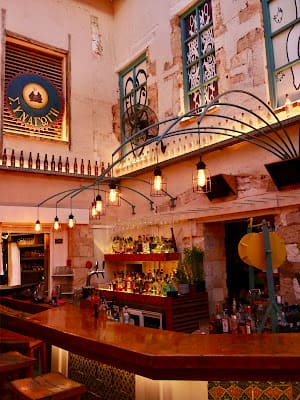
Sinagogi Cocktail Bar
Set in a converted synagogue near the harbor, this cocktail bar stands out for both its architecture and its drink menu. Stone walls, candlelight, and a bartender who takes requests seriously. One of Chania's most distinctive spaces.
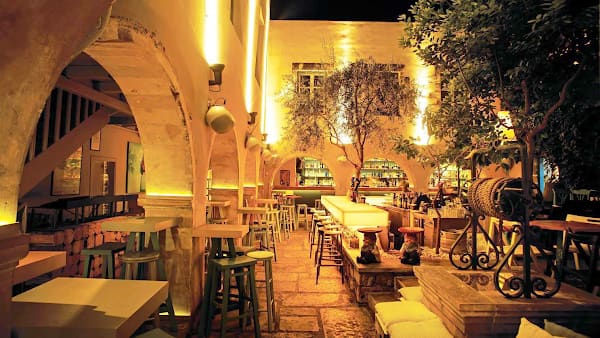
Monastiri Rooftop
Rooftop bar with direct views over the Venetian harbor and lighthouse. The cocktails are solid, the sunset is the real draw. Arrives at capacity early on summer evenings, so consider showing up before 8 PM.
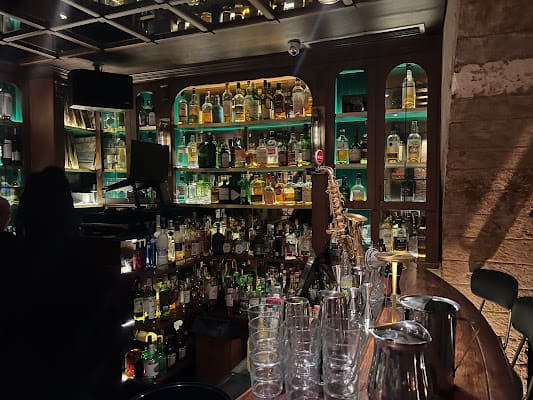
Fagotto Jazz Bar
Live jazz and acoustic performances in a stone-walled basement venue. The program changes nightly, and the quality is consistently high for a city this size. Intimate space that seats maybe 50 people. Reservations are smart on weekends.
Rakadiko Manousakis
Traditional raki bar tucked into a side street behind the harbor. The owner pours his family's own raki and serves Cretan meze plates. This is where locals drink, and it shows. Prices are half what you'll pay on the waterfront.
Boheme Live Music Club
Chania's closest thing to a proper late-night venue. Live bands and DJ sets run until 3 AM on weekends. The music ranges from Greek rock to electronic, depending on the night. Small dance floor that gets crowded fast.
Fortezza Cocktail Bar
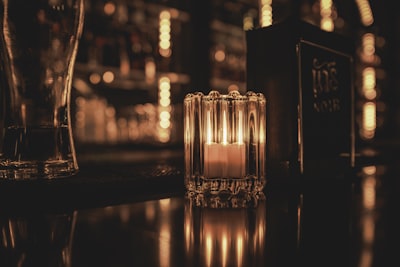
Stone-walled cocktail bar on a narrow lane near the Venetian lighthouse. The drink menu draws on Cretan herbs and local spirits. Candles on every table and a ceiling that feels close enough to touch.