Le Thanh Ton
Illegal but Tolerated3/5ModerateDistrict guide to Le Thanh Ton and the Little Tokyo alleys in HCMC District 1, covering Japanese-style hostess bars, izakayas, pricing, and safety.

Where to stay near Le Thanh Ton
Hotels walking distance from the venues on this page.
See places to stay and current pricesWhere to Go Out
Our picks for the best nights out here
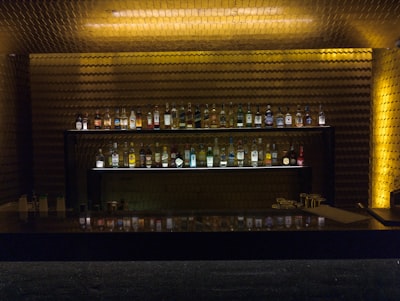
Osen Izakaya
Japanese-style izakaya on Thai Van Lung with an extensive yakitori menu, sake and Sapporo beer, and a busy after-work crowd of Japanese expats and locals. One of the more food-focused options in the district.
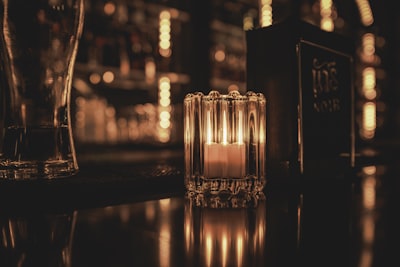
Sakura Bar
Small hostess bar in the Le Thanh Ton alley cluster operating in the Japanese snack bar format. Female hostesses, high-end whiskey service, and quiet interior designed for conversation rather than dancing.
Ninja Bar
Japanese-themed bar attracting a mixed Japanese and Vietnamese crowd. Known for its shochu and whiskey selection alongside Vietnamese beer. A middle point between a full izakaya and a hostess-format venue.
Tokyo Bar Saigon
Compact lounge bar on Le Thanh Ton catering to Japanese expatriates and business visitors. Karaoke rooms available. Staff are Vietnamese but the service format follows the Japanese hostess bar model.
Kabukicho Snack Bar
Named after Tokyo's famous entertainment district, this small bar on the Thai Van Lung alleys hosts Vietnamese hostesses trained in the Japanese snack-bar format. Whiskey on the rocks and polished service in a dimly lit space.
Hakata Ramen and Bar
Ramen restaurant that transitions to a bar late in the evening. Popular for after-dinner drinks among Japanese residents. The bar section has Japanese whiskey and cold Asahi. Casual and straightforward.
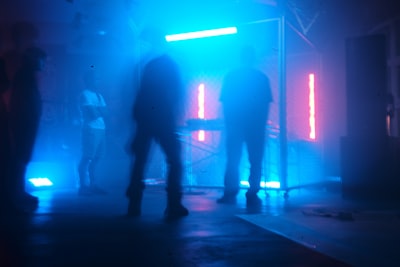
Club Mix Le Thanh Ton
Small nightclub near Le Thanh Ton Street catering to a mixed Vietnamese and Korean crowd as well as Japanese visitors. Commercial music, a compact dance floor, and a DJ running from 10 PM.
Madame Thu Lounge
Upscale lounge bar at the edge of the Le Thanh Ton district with a Vietnamese-French aesthetic. Cocktails from 180,000 VND, soft lighting, and live jazz on select evenings. A quieter alternative to the Japanese hostess bars.
Overview and Location
Le Thanh Ton Street runs through District 1 of Ho Chi Minh City, roughly three blocks from the Nguyen Hue Walking Street. The immediate area, particularly the short stretch of Thai Van Lung and the alleys connecting them, has developed into the city's most recognizable Japanese expatriate enclave, earning it the informal name Little Tokyo.
Our researcher covered this area across multiple evenings, including weeknight and weekend visits.
The district's character is different from every other nightlife zone in HCMC. It's not a backpacker strip like Bui Vien Street. It's not an open adult entertainment zone. It's a compact area built around Japanese-format hospitality: izakayas, ramen shops, karaoke rooms, and the quiet hostess bars known locally as snack bars or garcon bars. The primary clientele is Japanese businessmen on assignment in Vietnam and Japanese expats who've settled long-term in the city.
That doesn't make it inaccessible to non-Japanese visitors, and in practice the area draws a range of nationalities. But the format, the pricing structure, and the social norms follow Japanese patterns rather than Thai or backpacker Southeast Asian ones. Understanding that context is helpful before arriving.
Legal Status
Vietnam's national laws prohibit prostitution. The HCMC government's enforcement approach follows the same selective pattern described for the rest of the city: licensed venues operating discreetly are generally left alone, while street solicitation and high-visibility situations attract attention.
The Le Thanh Ton area's Japanese hostess bars sit in the same gray zone as KTV venues across the city. They hold entertainment licenses, the hostess model is the product on offer, and private arrangements are negotiated individually between staff and customers. Police focus on this area is lower than on higher-profile zones like Bui Vien, partly because the clientele is less visible and partly because Japan-Vietnam business relationships are significant.
Raids do occur. Carrying a photocopy of your passport and knowing your hotel's address in Vietnamese are standard precautions for any entertainment district in HCMC. Foreign visitors caught during sweeps typically face questioning, passport checks, and possible fines rather than more serious outcomes, but no guarantee applies.
Costs and Pricing
The Le Thanh Ton area is significantly more expensive than HCMC's backpacker nightlife zones.
Izakayas and Japanese restaurants: A meal with drinks runs 300,000 to 700,000 VND ($12 to $28) per person. Beer (Sapporo, Asahi, Kirin) costs 60,000 to 120,000 VND ($2.40 to $4.80) per bottle. Sake and shochu are marked up, with small bottles from 200,000 VND ($8) and premium pours from 400,000 VND ($16) upward. A yakitori set runs 180,000 to 350,000 VND ($7.20 to $14).
Hostess bars (snack bars): Pricing is the highest in the district and often opaque. A standard drink in a Japanese-format hostess bar costs 200,000 to 400,000 VND ($8 to $16). Many venues charge a seat charge (seating fee) of 100,000 to 200,000 VND ($4 to $8). Lady drinks or companionship drinks are 300,000 to 500,000 VND ($12 to $20). Some venues operate on an hourly fee structure. Always clarify the pricing model before settling in. A two-hour visit to a hostess bar including drinks for one person can easily reach 2,000,000 VND ($80) before any private arrangements.
Karaoke rooms: Separate karaoke establishments in the area charge by the hour, typically 200,000 to 500,000 VND ($8 to $20) per room per hour plus drinks. Group pricing makes this more manageable.
Regular bars in the area: The more straightforward bars and the cocktail lounge options charge 100,000 to 200,000 VND ($4 to $8) per cocktail and 60,000 to 120,000 VND ($2.40 to $4.80) for Vietnamese beer. These are notably cheaper than the hostess bar format.
Transport: Grab from Bui Vien or Ben Thanh Market to Le Thanh Ton costs 30,000 to 60,000 VND ($1.20 to $2.40). From Thao Dien in District 2, expect 80,000 to 150,000 VND ($3.20 to $6).
Street-Level Detail
The area centers on the intersection of Le Thanh Ton and Thai Van Lung, with the latter being the denser concentration of Japanese businesses. During the day, this looks like an ordinary commercial street with Japanese restaurants, convenience stores, and a couple of supermarkets that stock Japanese groceries. After 7 PM, the character changes.
Izakayas open their sliding doors onto the alley and set up small outdoor seating areas. The smell of yakitori grilling over charcoal and the sound of Japanese music mix with the broader HCMC street noise. Groups of Japanese men in business attire arrive directly from offices or hotels in the District 1 corridor. The restaurants fill first, then the smaller bars pick up around 9 PM.
The hostess bars are physically discreet: unmarked or minimally signed doors, dark interiors visible only when the door swings open, and often no English-language signage at all. They're not hard to find if you're looking, but they don't present themselves the way beer bars on Chaweng or go-go bars in Bangkok do. The format requires knowing what you're looking for or being introduced by a regular.
The mix of regular izakayas and hostess-format venues means the area has a functional two-layer character. Food and drinks at an izakaya is accessible and reasonably priced. The hostess bars are a separate and more expensive tier.
Safety
The Le Thanh Ton area is one of the safer entertainment districts in HCMC. The Japanese expatriate clientele and the business character of most venues mean the atmosphere is quieter and more controlled than Bui Vien.
Unclear pricing at hostess bars is the primary financial risk in this area. Some venues do not post prices, introduce seating fees and service charges that weren't mentioned, and present bills significantly higher than expected. Clarify the pricing structure before ordering anything: the seat charge, the cost per drink, and whether lady drinks or hostess companionship fees apply on top. Request an itemized bill before paying and review it carefully.
Motorbike bag snatching happens on the streets surrounding the district, as it does across District 1. This is more of a risk on the main roads (Le Loi, Nam Ky Khoi Nghia) than in the narrower alleys, but the threat exists throughout. Keep bags and phones secure when walking any HCMC street.
The area is quiet enough at night that walking alone without purpose may attract attention from police or security. Staying on the main streets and having a clear destination reduces this risk.
Cultural Context
Understanding the Japanese cultural framework helps in this area. The snack bar or hostess bar format is explicitly Japanese in origin. The expectation is polite, formal service: the hostess pours drinks, lights cigarettes, and converses. Aggressive or openly transactional behavior that might be considered normal in a beer bar context is inappropriate here and will make the experience uncomfortable for everyone.
Vietnamese staff in Japanese-format bars have been trained in the etiquette. They generally speak some Japanese and limited English. Knowing basic Japanese courtesy phrases is genuinely useful in this area.
For non-Japanese visitors, the experience of a Japanese hostess bar is accessible, but showing familiarity with the format (not getting visibly drunk, not making loud demands, keeping conversation structured) is appreciated. The establishments are small, and disruptive behavior has immediate and noticeable consequences.
Practical Information
- Getting here: Le Thanh Ton is roughly 10 minutes on foot from Ben Thanh Market. A Grab from Bui Vien takes 5 to 10 minutes and costs 30,000 to 60,000 VND ($1.20 to $2.40). The area is walkable from Nguyen Hue Walking Street
- Language: Japanese and Vietnamese are the primary languages. English is limited in many of the Japanese-format venues. A translation app on your phone is useful
- Currency: Cash in Vietnamese dong is the norm. Some Japanese-run establishments accept Japanese yen or US dollars but at unfavorable rates. Withdraw VND from ATMs beforehand
- Timing: The area picks up from 7 PM and peaks around 9 PM to midnight on weekdays when the Japanese business community is most active. Weekends can be quieter or busier depending on the season
Best Times
- Tuesday through Thursday: The Japanese business crowd is most active on work nights; the area can be quieter on Sundays
- 7 PM to midnight: Active window for the izakayas and hostess bars
- December through April: Dry season makes evening walks more comfortable; tourist season brings more international visitors to the area
- Avoid Vietnamese public holidays: Like the rest of HCMC, some Japanese-run businesses close around Tet
What Not to Do
- Don't agree to sit down at a hostess bar without first asking for the pricing structure
- Don't pay a bill without reviewing every line item; ask for an itemized receipt
- Don't carry valuables loosely on surrounding main roads; motorbike snatching risk is real
- Don't carry or use drugs. Vietnamese drug laws are extremely severe
- Don't engage with anyone who appears underage in any context
- Don't behave disruptively in small venue settings; Japanese hospitality format does not accommodate it
- Don't assume English will be spoken; come prepared or bring a translation app
- For a full picture of HCMC's nightlife options, see the main Ho Chi Minh City guide
Get the Legal Status PDF, 50 countries
Newsletter signup coming soon. Check back shortly.
Related Guides
Ho Chi Minh City Overview
City guide to adult nightlife in Ho Chi Minh City, covering key areas, safety warnings, scam awareness, and cultural context.
Read guideBui Vien Street
Guide to Bui Vien Walking Street in HCMC District 1, covering nightlife, bar prices, safety warnings, and what to expect.
Read guidePham Ngu Lao
Guide to the Pham Ngu Lao backpacker district in HCMC, covering Bui Vien nightlife, bar pricing, massage shops, and safety.
Read guideFrequently Asked Questions
Was this guide helpful?