Pham Ngu Lao
Illegal but Tolerated3/5ModerateGuide to the Pham Ngu Lao backpacker district in HCMC, covering Bui Vien nightlife, bar pricing, massage shops, and safety.

Where to stay near Pham Ngu Lao
Hotels walking distance from the venues on this page.
See places to stay and current pricesBest Nightlife Spots in the Area
Popular clubs, bars, and venues nearby
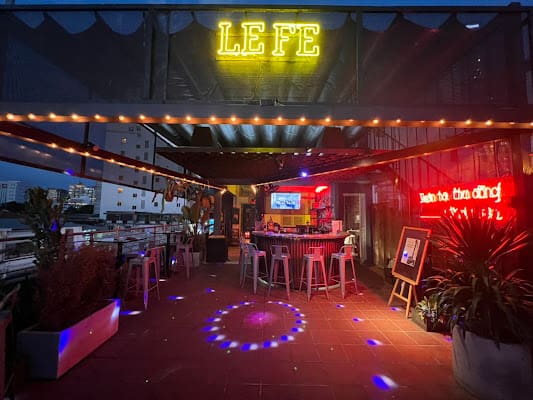
Le Pub
Long-running expat bar tucked down an alley off Pham Ngu Lao. Pool tables, darts, and reasonably priced drinks make it a steady gathering spot for backpackers.
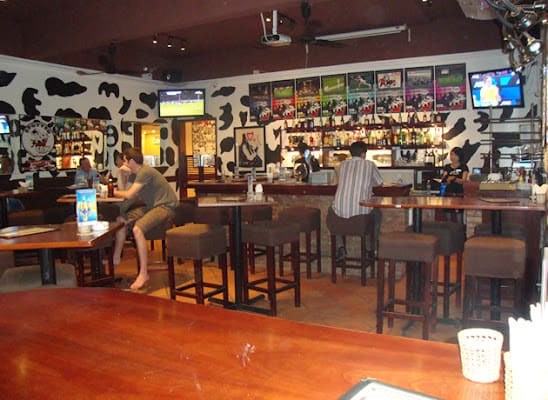
Spotted Cow
Australian-style pub on De Tham Street serving cold beers and pub food. More laid-back than the Bui Vien strip, with sports on TV and a mixed expat-tourist crowd.
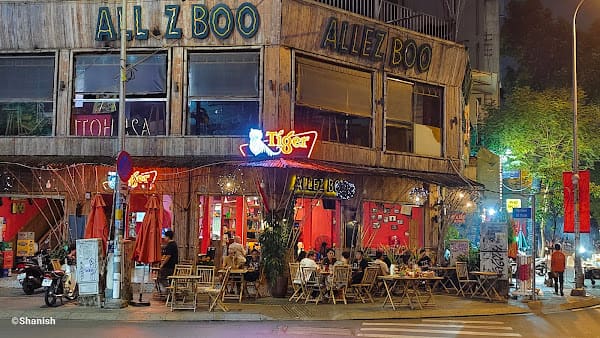
Allez Boo
Two-story bar at the corner of Pham Ngu Lao and De Tham that's been open since the early 2000s. Happy hour deals draw an early evening crowd and the balcony offers good people-watching.
187 Pham Ngu Lao
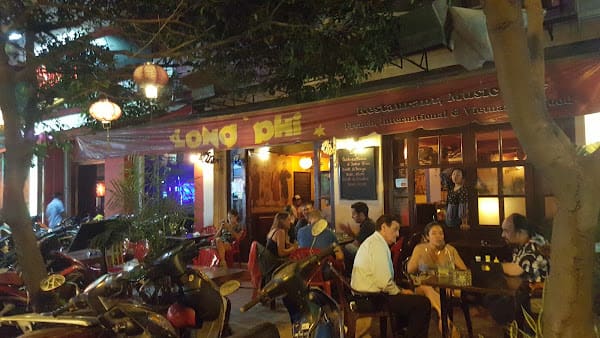
Long Phi Bar
Budget bar on Pham Ngu Lao with sidewalk seating and 15,000 VND bia hoi. Gets busy with backpackers pre-gaming before heading to Bui Vien.
Tropical Cocktail Bar
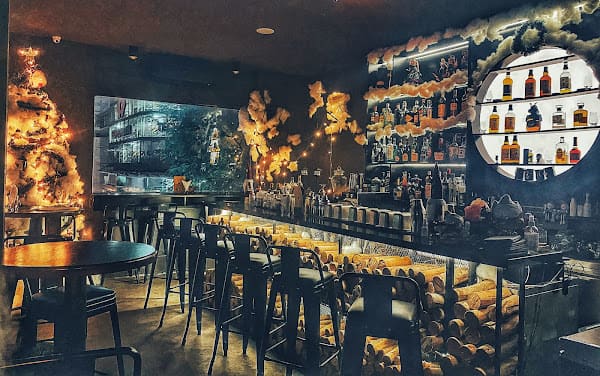
Small cocktail-focused bar with dim lighting and a quieter atmosphere than the surrounding street bars. Mojitos and caipirinhas run 80,000-120,000 VND.
Whiskey & Wares
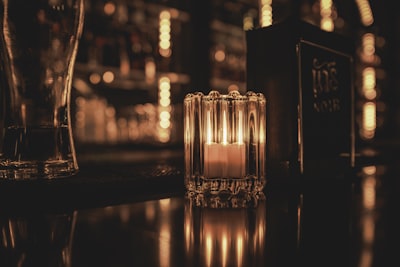
Cocktail bar on De Tham with a curated whiskey list and dim lighting that draws a longer-term expat crowd. Quieter and more polished than the surrounding backpacker spots. Open 5 PM to 1:30 AM.
196 De Tham, Pham Ngu Lao Ward, District 1, Ho Chi Minh City, Vietnam
Boheme Saigon
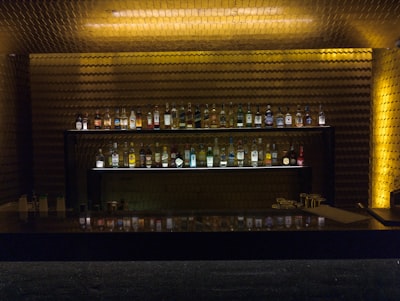
Long-running pub on De Tham with sidewalk seating, draft beer, and live acoustic music several nights a week. Mixed expat and backpacker crowd, lower volume than Bui Vien.
195 De Tham, Pham Ngu Lao Ward, District 1, Ho Chi Minh City, Vietnam
Pasteur Street Brewing Le Thanh Ton
Craft beer taproom serving the brewery's Vietnamese-ingredient lineup, including the Jasmine IPA and Cyclo Imperial Chocolate Stout. Open daily 11 AM to midnight.
26A Le Thanh Ton, Ben Thanh Ward, District 1, Ho Chi Minh City, Vietnam
Heart of Darkness Craft Brewery
Saigon-founded craft brewery's flagship taproom on Ly Tu Trong, a short Grab ride from Pham Ngu Lao. Communal long tables, a food menu, and rotating taps of house ales.
31D Ly Tu Trong, Ben Nghe Ward, District 1, Ho Chi Minh City, Vietnam
Station Sports Bar & Restaurant
Sports bar on Bui Vien showing football, rugby, and major UFC fights on multiple screens. Pub food menu and reasonable beer prices for the strip.
135 Bui Vien, Pham Ngu Lao Ward, District 1, Ho Chi Minh City, Vietnam
Overview and Location
Pham Ngu Lao is the name locals use for the broader backpacker district in HCMC's District 1. The neighborhood covers a rough rectangle of blocks bounded by Nguyen Thi Minh Khai to the north, Nguyen Thai Hoc to the south, Nguyen Oanh to the west, and Cong Quynh to the east. The core activity sits along three streets: Bui Vien (the main nightlife strip), Pham Ngu Lao (the street the area's named after), and De Tham (a quieter parallel street one block west).
We visited every venue listed below in person.
The area earned the nickname "Pho Tay" (Western Street) in the 1990s when budget travelers started congregating here, and it's been HCMC's default backpacker zone ever since. Budget guesthouses, tour booking offices, laundry services, convenience stores, SIM card shops, and cheap restaurants form a self-contained ecosystem. You can arrive, get settled, and go out without ever needing a map or a Grab ride.
But Pham Ngu Lao is more than just Bui Vien's immediate strip. The surrounding blocks have their own character: smaller bars tucked into alleys, massage shops of varying intent, local Vietnamese restaurants that haven't been converted to tourist menus, and a grittier street-level atmosphere that you won't find in the polished parts of District 1 around Dong Khoi or Nguyen Hue.
Legal Status
Prostitution is illegal throughout Vietnam. The government categorizes it as a "social evil" alongside drug use and gambling, and penalties include fines and administrative detention. HCMC's enforcement tends to be less aggressive than Hanoi's. The city's commercial pragmatism means that established businesses operating with some level of discretion are generally left alone.
Pham Ngu Lao sits in a gray zone. The bars on Bui Vien are licensed entertainment venues. The massage shops have business licenses for wellness services. What happens beyond the official scope of those licenses varies from place to place. Freelancers work the bars and the street, particularly late at night. Some massage establishments offer services that go beyond the menu board. Police know this, and periodic sweeps happen, usually announced by a sudden flurry of WhatsApp messages through the expat grapevine.
Foreign visitors drinking in bars or getting a standard massage won't attract police attention. Being caught in a raid at a venue during an enforcement sweep, however, can mean temporary passport checks, questioning, and potential fines. Carry a photocopy of your passport and your hotel's business card at all times.
Drug enforcement is a separate and more serious matter. Undercover police operations targeting drug dealing on and around Bui Vien have increased in recent years. Vietnam's drug penalties are among the world's harshest.
Costs and Pricing
Pham Ngu Lao is HCMC's cheapest nightlife area. Everything here is priced for the budget-travel market, and the competition between venues keeps costs low. These prices reflect early 2026.
Drinks
Draft beer at the open-front street bars with plastic seating costs 15,000 to 30,000 VND ($0.60-1.20). Some bars run happy hour promotions advertising beer at 10,000 VND ($0.40), though the glasses are small. Bottled domestic beers (Saigon, Tiger, 333) run 25,000 to 50,000 VND ($1.00-2.00). Imported beers cost 60,000 to 100,000 VND ($2.40-4.00).
Cocktails at the mid-range bars go for 80,000 to 200,000 VND ($3.20-8.00). The View Rooftop Bar at 195c Bui Vien, one of the area's few upper-floor venues, charges a premium, with cocktails starting around 130,000 VND ($5.20).
A long evening of domestic beer at street-level bars rarely costs more than 150,000 VND ($6.00) per person, making this one of the cheapest drinking districts in Southeast Asia.
Food
Banh mi from street carts costs 15,000 to 30,000 VND ($0.60-1.20). Pho at a sit-down restaurant runs 40,000 to 70,000 VND ($1.60-2.80). Western food (burgers, pasta, pizza) at the tourist-oriented restaurants along De Tham and Bui Vien costs 80,000 to 180,000 VND ($3.20-7.20). Street food snacks from the weekend vendors run 10,000 to 40,000 VND ($0.40-1.60).
Massage
Massage shops line the side streets. A foot massage runs 150,000 to 250,000 VND ($6.00-10.00) for one hour. A full-body massage costs 200,000 to 400,000 VND ($8.00-16.00). The cheapest options, around 100,000 VND ($4.00), tend to be very basic. Vietnamese-style massage is firm to the point of painful; ask for lighter pressure if needed. Tip expectations are 50,000 to 100,000 VND ($2.00-4.00) for good service.
Accommodation
Budget guesthouses and hostels cost 150,000 to 400,000 VND ($6.00-16.00) per night for a dorm bed or basic private room. Mid-range hotels with air conditioning and en-suite bathrooms run 500,000 to 1,200,000 VND ($20.00-48.00). The area's accommodation is functional rather than stylish, built around the backpacker price point.
Street-Level Detail
Bui Vien is the area's spine, but Pham Ngu Lao's character extends well beyond the pedestrianized strip. Walk a block in any direction from Bui Vien, and the atmosphere shifts. The crowds thin, the music fades, and you're in a working neighborhood where Vietnamese daily life carries on alongside the backpacker economy.
Pham Ngu Lao Street itself, running parallel to Bui Vien one block north, is wider and more chaotic. Motorbike traffic is constant, guesthouses alternate with travel agencies, and the sidewalks are part parking lot, part outdoor dining area. The street is busier during the day, when travelers book tours and arrange transport. At night, the action drains south to Bui Vien.
De Tham Street, one block west of Bui Vien, has a calmer version of the same mix: bars, restaurants, and guesthouses, but with fewer competing sound systems and more space to sit. It's where you go when Bui Vien feels like too much.
The alleys connecting these streets hide smaller venues. Some are genuine local bars with cheap beer and Vietnamese clientele. Others are massage shops with dim lighting, late hours, and services that aren't on the standard menu. The quality and intent of these places varies block by block. If an establishment is dark, has no visible menu, and someone outside is aggressively beckoning you in, use your judgment about what's actually being offered.
September 23 Park sits across Pham Ngu Lao Street to the north, a strip of green that looks inviting during the day. At night, it's a different story. The park becomes a gathering point for drug dealers and street hustlers, and walking through it after dark is not recommended.
Crazy Buffalo at 181 Bui Vien is one of the strip's loudest bars, a multi-floor venue that operates as a bar downstairs and a club upstairs with dancing and DJs. Go2 Bar draws a younger crowd with cheap drinks and a party atmosphere. Guru Sports Bar caters to those who want to watch football matches over beer. Boheme Pub has a more relaxed vibe with live acoustic music some evenings.
Safety
Pham Ngu Lao's safety profile is mixed. The main strips are reasonably safe due to sheer foot traffic and police presence. The side streets and alleys, particularly after midnight, require more caution.
The biggest physical risk is motorbike bag snatching on the streets surrounding Bui Vien. Pham Ngu Lao Street and the connecting lanes see regular incidents. Thieves work in pairs on motorbikes, targeting phones, bags, and cameras with speed that makes reaction almost impossible. Keep your phone in a zipped pocket when walking. Wear cross-body bags on the building side. Don't stand near the curb looking at maps on your phone.
Drink spiking is a documented problem here. Reports appear regularly in travel forums and expat groups. Victims typically black out and wake up missing their valuables. Don't accept drinks from strangers. Don't leave your glass unattended, even to use the restroom. Stick to sealed bottles or cans when possible, and watch your drinks being poured.
Bill padding at bars is common enough that it deserves its own routine: count your drinks as you go, confirm prices when ordering rounds, and check the bill line by line before paying. Protests over inflated bills can escalate if handled aggressively. Stay calm, point out the discrepancy, and if the staff won't correct it, pay what you believe you owe and leave without creating a confrontation.
Street crime after midnight on the quieter blocks is a real possibility. Mugging incidents, while still uncommon by global standards, are more likely in this area than in Hanoi or in HCMC's upscale districts. Don't walk alone on poorly lit side streets late at night. Use Grab for transport.
Drug offers from street dealers are common, especially on Bui Vien and the surrounding alleys after dark. Some of these sellers are police informants who alert undercover officers after completing a sale. Vietnam's drug laws carry penalties up to and including the death penalty for trafficking. Don't buy drugs on the street. The risk-to-reward ratio is as bad as it gets.
Cultural Context
Pham Ngu Lao exists in a strange cultural space. It's a Vietnamese neighborhood that functions primarily for foreigners. Locals call it Pho Tay, and most Saigonese avoid it as a nightlife destination. The prices, the music, the atmosphere, and the crowd are all calibrated for the international backpacker market. What happens on Bui Vien isn't representative of how HCMC socializes.
That said, Vietnamese people work here in large numbers: behind bars, in kitchens, at reception desks, and on the streets as vendors. Treating them with basic respect matters. Southern Vietnamese are warmer and more direct than northerners. Staff will chat with you, joke around, and be genuinely friendly. But friendliness has limits, and entitlement or rudeness gets noticed and remembered.
The area's reputation has shifted over the decades. In the 1990s and early 2000s, it was a genuine backpacker community where travelers shared tips and formed travel groups. The rise of social media, cheap flights, and party tourism has changed its character. Bui Vien now draws more short-stay tourists looking for cheap drinks and loud music than long-term travelers. The guesthouse culture of swapped stories and hand-drawn maps has largely given way to Instagram-driven nightlife tourism. Whether that's a loss depends on when you first visited.
Scam Warnings
Bill padding at bars is the area's most common financial scam. Bars add drinks you didn't order, charge higher prices than displayed, or invent service charges at the end of the night. Some use the confusion of a loud, crowded environment to present inflated totals. Always confirm the price when ordering, count your drinks mentally, and review the bill before paying. If you catch an error, point it out calmly. Getting aggressive can backfire, as bar staff may call security or block the exit.
Motorbike taxi touts wait at the edges of the walking zone and on Pham Ngu Lao Street, quoting fares three to five times the Grab rate. Some claim to be official Grab drivers operating "off-app" for a discount. They aren't. Use the actual Grab app for every ride.
Card game and gambling invitations come from people who befriend tourists over drinks, then suggest a "friendly" game at a nearby location. The game is always rigged, and the losses can be significant. Decline any invitation to gamble with strangers.
Massage shop bait-and-switch is standard practice at the cheaper establishments. You agree on a price for a basic massage, then face a stream of upselling attempts for "upgrades," hot stones, oil treatments, and other extras. By the end, the bill is three to four times the original quote. Agree on the total price and the specific service before it starts. If the upselling begins during the massage, repeat what you agreed to and hold firm.
Fake tour agencies operate from shopfronts along Pham Ngu Lao and De Tham. They sell Mekong Delta tours, Cu Chi Tunnels trips, and bus tickets at low prices, then deliver substandard service or different vehicles than advertised. Book through your hotel, through a well-reviewed agency on booking platforms, or directly with established operators.
Nearby Areas
Bui Vien Walking Street is the immediate nightlife centerpiece and the subject of its own dedicated page. Everything described here about the broader Pham Ngu Lao neighborhood wraps around that core strip.
Ben Thanh Market is a 10-minute walk northeast. The main market closes by early evening, but the night market wrapping around its exterior operates late and sells food and souvenirs. Nguyen Hue Walking Street, 15 minutes on foot to the east, has a completely different atmosphere: modern, clean, and popular with young Vietnamese couples.
District 1's upscale zone around Dong Khoi Street is a short Grab ride northeast. Rooftop bars like Chill Skybar and Saigon Saigon at the Caravelle Hotel serve a well-dressed crowd at higher price points. Thao Dien in District 2 (Thu Duc City), the expat heartland, is a 15-20 minute Grab ride and offers a different social scene centered on longer-term residents.
Meeting People Nearby
Bui Vien's shared tables and cheap beer make meeting fellow travelers effortless, but those connections tend to be brief. For something with more depth, Pasteur Street Brewing Company has taprooms across District 1 where expats and locals mix over craft beer in a calmer setting. The coworking spaces Dreamplex and CirCO host after-work events and attract remote workers and entrepreneurs. Language exchange meetups happen at cafes across District 1, with Vietnamese professionals and students eager to practice English. For a complete overview of HCMC's social scene, see the main Ho Chi Minh City guide.
Best Times
- 9 PM - 1 AM, Friday and Saturday: Peak nightlife, with Bui Vien's pedestrian zone at full capacity and the surrounding streets buzzing
- 7 PM - 9 PM: A calmer window for street food and early drinks before the crowds build
- Weeknights: Bars open but the energy is lower, good for a quieter drink without the weekend chaos
- December through April (dry season): More comfortable for outdoor drinking, lower humidity
- May through November (wet season): Afternoon downpours are heavy but usually short; the street can flood briefly during hard rain, and drainage is poor
- Avoid Tet (Vietnamese New Year): Many businesses close for a week or more as staff return to home provinces
What Not to Do
- Do not buy drugs from street dealers. Some work with police informants, and Vietnam's drug laws carry extreme penalties including death
- Do not leave your drink unattended. Spiking is a documented risk in this area
- Do not pay any bill without checking it thoroughly. Overcharging is the most common problem
- Do not walk through September 23 Park after dark
- Do not carry bags or phones loosely on surrounding streets. Motorbike snatching is the primary physical threat
- Do not follow strangers to private parties, card games, or off-site venues
- Do not accept "off-app" ride offers from motorbike taxi touts. Use Grab exclusively
- Do not engage with anyone who appears underage. Vietnamese law is strict and enforcement is active
- Do not get into arguments with bar staff over bills. Stay calm, state the issue, and leave if it isn't resolved. Escalation never works in your favor
- Do not assume the cheapest massage shop is a good deal. The most aggressive upsellers operate at the lowest advertised prices
Get the Legal Status PDF, 50 countries
Newsletter signup coming soon. Check back shortly.
Frequently Asked Questions
Related Guides
Ho Chi Minh City Overview
City guide to adult nightlife in Ho Chi Minh City, covering key areas, safety warnings, scam awareness, and cultural context.
Read guideBui Vien Street
Guide to Bui Vien Walking Street in HCMC District 1, covering nightlife, bar prices, safety warnings, and what to expect.
Read guideLe Thanh Ton
District guide to Le Thanh Ton and the Little Tokyo alleys in HCMC District 1, covering Japanese-style hostess bars, izakayas, pricing, and safety.
Read guideWas this guide helpful?