
Entertainment Districts
Pick a neighborhood to start exploring
Hoan Kiem
4/5SafeGuide to the Hoan Kiem Lake area in Hanoi, covering nightlife along Ma May and Hang Bac, rooftop bars, safety, and pricing.
10 nightlife spots listed
Ta Hien Street
4/5SafeGuide to Ta Hien Street in Hanoi's Old Quarter, covering beer culture, nightlife safety, pricing, and what to expect on Beer Street.
10 nightlife spots listed
West Lake (Tay Ho)
4/5SafeGuide to the West Lake expat district in Hanoi, covering bars, restaurants, nightlife pricing, safety, and the Tay Ho social scene.
10 nightlife spots listed
District Map of Hanoi
Pick a district to recenter the map and see hotels nearby.
Where to stay in Hanoi
Compare hotels and rentals across the city's nightlife districts.
See places to stay and current pricesOverview
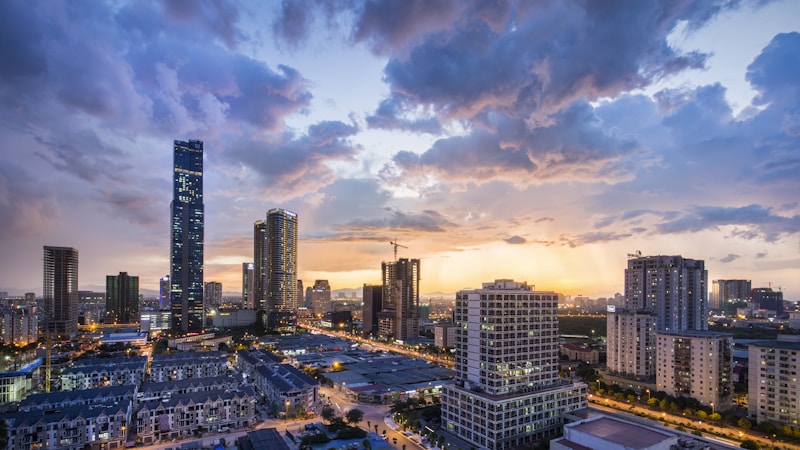
Hanoi is Vietnam's capital and the country's political and cultural center. With a population of around 8 million, it's a sprawling city of lakes, tree-lined boulevards, and narrow Old Quarter streets choked with motorbikes. The atmosphere here is distinctly different from Ho Chi Minh City in the south. Hanoi is older, more traditional, and more reserved.
We spent 3 days in Hanoi researching this guide.
The nightlife reflects that character. Where HCMC keeps going until dawn, Hanoi largely winds down by midnight. Noise regulations are enforced more strictly here, and the cultural attitude toward late-night revelry is more conservative. That said, the city isn't dead after dark. The Old Quarter's Ta Hien Street fills up every evening with low plastic chairs and fresh bia hoi, and the West Lake area has a growing cluster of bars and clubs that cater to expats and younger Vietnamese.
Hanoi rewards those who adjust their expectations. It's not a party city. It's a place where you sit on a tiny stool on a crowded sidewalk, drink 25-cent beer, and watch the controlled chaos of motorbike traffic flow past. That experience, in its own way, is more memorable than any club.
Legal Context
Vietnam's laws prohibit prostitution, with penalties including fines and administrative detention. The government periodically conducts campaigns against what it calls "social evils," targeting sex work alongside drug use and gambling. Enforcement tends to come in waves, often tied to political events or international pressure.
In practice, Hanoi's enforcement is stricter than HCMC's. The capital's role as the seat of government means authorities are more sensitive to public order and image. KTV bars and massage parlors with adult services exist but operate with greater discretion than their southern counterparts.
Foreign visitors face minimal legal risk from patronizing standard entertainment venues. Being present during a police raid, however, can result in fines, temporary passport confiscation, and questioning. Carry a photocopy of your passport and your hotel's contact information at all times.
Key Areas
Old Quarter and Ta Hien Street form the center of Hanoi's tourist nightlife. Ta Hien, known as "Beer Street," is a narrow lane where bars and restaurants spill out onto the pavement with low plastic stools and tables. A glass of bia hoi (fresh draft beer brewed daily) costs as little as 5,000 VND ($0.20-0.25). The surrounding Old Quarter streets have cocktail bars, rooftop venues, and small clubs. Most places close by midnight, though some stretch to 1-2 AM on weekends.
West Lake (Tay Ho) area is Hanoi's expat neighborhood, spread along the southern and eastern shores of the city's largest lake. The area around Xuan Dieu and To Ngoc Van streets has Western-style bars, craft beer spots, live music venues, and a handful of late-night clubs. Prices here are higher than the Old Quarter but still cheap by international standards. A craft beer runs 60,000-100,000 VND ($2.50-4.00). The crowd is a mix of expats, English teachers, and young Vietnamese professionals.
Hoan Kiem area surrounds Hanoi's iconic lake in the heart of the city. The pedestrian zone around the lake comes alive on weekend evenings, with street performers, food vendors, and families walking. The bars and restaurants along Ma May and Hang Bac streets offer a slightly more upscale experience than Ta Hien. This area is also home to several rooftop bars with views across the Old Quarter's rooftops to the lake.
Safety
Hanoi is one of the safer capital cities in Southeast Asia. Violent crime against foreigners is genuinely uncommon. The risks here are petty and traffic-related.
Motorbike bag snatching is the main physical threat, though it's less frequent than in HCMC or Phnom Penh. Thieves on motorbikes grab phones, bags, and cameras from pedestrians. Keep your phone in your pocket when walking near roads, wear cross-body bags on the building side, and don't hang bags from chairs at street-side restaurants.
- Traffic is the real danger. Crossing the street in Hanoi is famously intimidating. The technique is simple: step off the curb, walk slowly and steadily, and don't stop or change direction. Motorbikes will flow around you. Sudden movements are what cause accidents
- Use Grab for transport. Both Grab Car and Grab Bike are widely available and affordable. This eliminates taxi scam risks entirely
- Keep phones and valuables secure when sitting at street-level bars and restaurants. Snatch-and-run theft happens at Ta Hien Street
- Watch for drink spiking at bars, particularly in the Old Quarter
- Police encounters are rare for tourists but stay calm and polite if they occur. Carrying a passport photocopy is advisable
Cultural Norms
Hanoi is more traditional and conservative than HCMC, and cultural awareness matters here:
- Northern Vietnamese tend to be more formal and reserved than southerners. Respect and politeness are valued highly
- Vietnamese is the language. English is spoken in tourist areas and by younger people, but less widely than in the south. Learning a few phrases helps: "xin chao" (hello), "cam on" (thank you), "bao nhieu" (how much)
- "Face" is deeply important. Never embarrass anyone publicly, and don't raise your voice in disputes
- Bargaining is expected at markets and with street vendors. In restaurants and bars with listed prices, you pay what's posted
- Tipping isn't traditional but is appreciated at tourist-oriented venues. 10% at upscale restaurants, rounding up at casual places
- Remove shoes when entering someone's home or a temple
- Dress modestly when visiting temples and pagodas. Cover shoulders and knees
Social Scene
The Old Quarter's bia hoi joints are Hanoi's most accessible social spaces. "Bia Hoi Corner" at the intersection of Ta Hien and Luong Ngoc Quyen streets fills up nightly with a mix of travelers and locals sitting on tiny plastic stools, drinking fresh beer at 5,000-10,000 VND ($0.20-0.40) per glass. The low prices and communal seating make conversation inevitable. It's one of the easiest places in Southeast Asia to meet people without any effort.
The West Lake (Tay Ho) area is where Hanoi's expat community concentrates. Bars along Xuan Dieu Street draw English teachers, NGO workers, and digital nomads. The Hanoi Social Club on Hoi Vu Street hosts live music and art events. Savage, a rooftop bar near West Lake, attracts a younger Vietnamese and expat crowd on weekends. Standing Bar on Ma May Street in the Old Quarter is a reliable spot for casual drinks and conversation with a mixed local and foreign crowd.
Coffee culture is central to Hanoi's social life in a way that bars simply aren't. Egg coffee at Giang Cafe (a Hanoi institution since 1946) is worth visiting as much for the atmosphere as the drink. Tranquil Books & Coffee combines a bookshop with a quiet cafe that draws students and creative types. Coworking spaces like Toong and UP Co-working have become informal social hubs where freelancers and remote workers build connections during the day.
The expat community is well-organized despite being smaller than HCMC's. The Hanoi Expats Facebook group is very active and posts about events daily. InterNations hosts regular networking meetups. Weekly pub quizzes at various Old Quarter bars draw consistent crowds. The Hanoi Hash House Harriers organize running and social events. Language exchange meetups happen frequently at cafes, with Vietnamese university students eager to practice English in exchange for Vietnamese conversation practice.
Local Dating Notes
Dating in Hanoi is more conservative than in Ho Chi Minh City. Women here generally take longer to build trust, and moving too quickly can end things before they start. Family opinions carry significant weight in relationship decisions, and parents in the north tend to be more protective than their southern counterparts. Patience and genuine interest in Vietnamese culture go further here than flashy gestures or expensive restaurants.
Scam Warnings
Cyclo overcharging is the most common tourist scam in Hanoi. A cyclo (bicycle rickshaw) driver quotes a low price, then demands a much higher amount at the end of the ride, claiming the original price was per minute or per person. If you take a cyclo, agree on the total fare clearly before getting in, confirm it covers the entire trip, and consider writing the agreed price down.
Shoe shine scams target tourists walking in the Old Quarter. Someone approaches offering to fix or clean your shoes, then demands an inflated payment. Simply say no firmly and walk away.
"Free" tour guides at temples and tourist sites attach themselves to visitors and then demand payment. Decline politely but firmly, or agree on a price before accepting any guided tour.
Fake taxi meters are a declining problem thanks to Grab, but some taxi drivers still run rigged meters or take long routes. Stick to Grab, or if using a taxi, choose Mai Linh (green) or Thanh Cong (blue) companies.
Best Times
October through December is the best window. The air is cooler, rain is minimal, and the city feels energetic as the holiday season approaches. January and February can be cold and damp, with temperatures occasionally dipping below 10C, which is unusual for Southeast Asia and catches many visitors off guard.
Tet (Vietnamese New Year, usually late January or February) transforms the city. Many businesses close for a week or more, and locals return to their home provinces. The city becomes unusually quiet, and nightlife options shrink. Flower markets and family celebrations make it culturally fascinating, but it's not the time for a nightlife-focused visit.
March through May is warm and pleasant before the summer humidity sets in. June through September brings heat, humidity, and heavy rain, though storms are usually short afternoon downpours rather than all-day events.
Nightlife peaks on Friday and Saturday nights. Sunday through Thursday, expect thinner crowds and earlier closings. The weekend pedestrian zone around Hoan Kiem Lake runs Friday evening through Sunday night.
Getting Around
- Grab: The most reliable option. Grab Car and Grab Bike are cheap and eliminate the need to negotiate fares. A Grab Bike across the Old Quarter costs 15,000-25,000 VND ($0.60-1.00)
- Walking: The Old Quarter and Hoan Kiem area are compact and walkable, though the sidewalks are usually occupied by parked motorbikes and food stalls, forcing you into the road
- Motorbike rental: Available but not recommended for newcomers. Hanoi's traffic is dense and follows its own unwritten rules. Accidents involving foreign riders are common
- Public buses: Cheap and extensive but slow, crowded, and confusing for visitors who don't read Vietnamese
- Cyclos: A tourist experience more than a practical transport option. Only use with a clear, pre-agreed fare
- Taxis: Mai Linh and Thanh Cong are reliable companies. Always ensure the meter is running
What Not to Do
- Don't stop suddenly or change direction when crossing the street. Move slowly and predictably; the traffic will adjust around you
- Don't hold your phone out near the road. Motorbike snatching happens quickly
- Don't carry or use drugs. Vietnam's drug laws are among the world's harshest, with the death penalty for trafficking offenses
- Don't take cyclos without agreeing on a total fare first
- Don't accept unsolicited shoe cleaning or repair services
- Don't photograph military installations, government buildings, or police officers
- Don't disrespect Ho Chi Minh's image or Vietnamese political symbols. The government takes this seriously
- Don't expect HCMC-style late nights. Hanoi's rhythm is different, and fighting it will only lead to frustration
- Don't shout or make a scene in public. Northern Vietnamese culture values restraint, and aggressive behavior draws negative attention
Get the Legal Status PDF, 50 countries
Newsletter signup coming soon. Check back shortly.
Flights to Hanoi
Compare prices across airlines. Filter by stops, time, and cabin.
Airport transfer to Hanoi
Pre-booked transfers cost about the same as a metered taxi but cut out the airport queue, the meter argument, and the "no English" routine that takes some drivers to the wrong address. Fixed price quoted before booking, driver tracks your flight, waits with a name sign at arrivals.
Book a KiwiTaxi transferFrequently Asked Questions
Related Guides
Hoan Kiem
Guide to the Hoan Kiem Lake area in Hanoi, covering nightlife along Ma May and Hang Bac, rooftop bars, safety, and pricing.
Read guideTa Hien Street
Guide to Ta Hien Street in Hanoi's Old Quarter, covering beer culture, nightlife safety, pricing, and what to expect on Beer Street.
Read guideWest Lake (Tay Ho)
Guide to the West Lake expat district in Hanoi, covering bars, restaurants, nightlife pricing, safety, and the Tay Ho social scene.
Read guideWas this guide helpful?