Before You Travel to Serbia
Five things every smart traveler sorts before booking.
- 1
Passport valid 6+ months from entry date
Most countries refuse entry on passports expiring within six months. Renew now if you're close.
- 2
Visa requirements for Serbia
Some are visa-free, some require an e-visa filed days ahead, some need an embassy appointment.
- 3
Travel insurance booked
A hospital visit in Serbia can run $4,000-15,000 without cover. Credit card insurance usually excludes alcohol-related incidents.
- 4
eSIM data plan ready before landing
Airport SIM kiosks need your passport and overcharge tourists. Install an eSIM in 60 seconds, online before you fly.
- 5
Accommodation reserved in the right district
The wrong neighborhood means a 45-minute taxi every night. Map the venues first, then book.
City Guides in Serbia
Belgrade
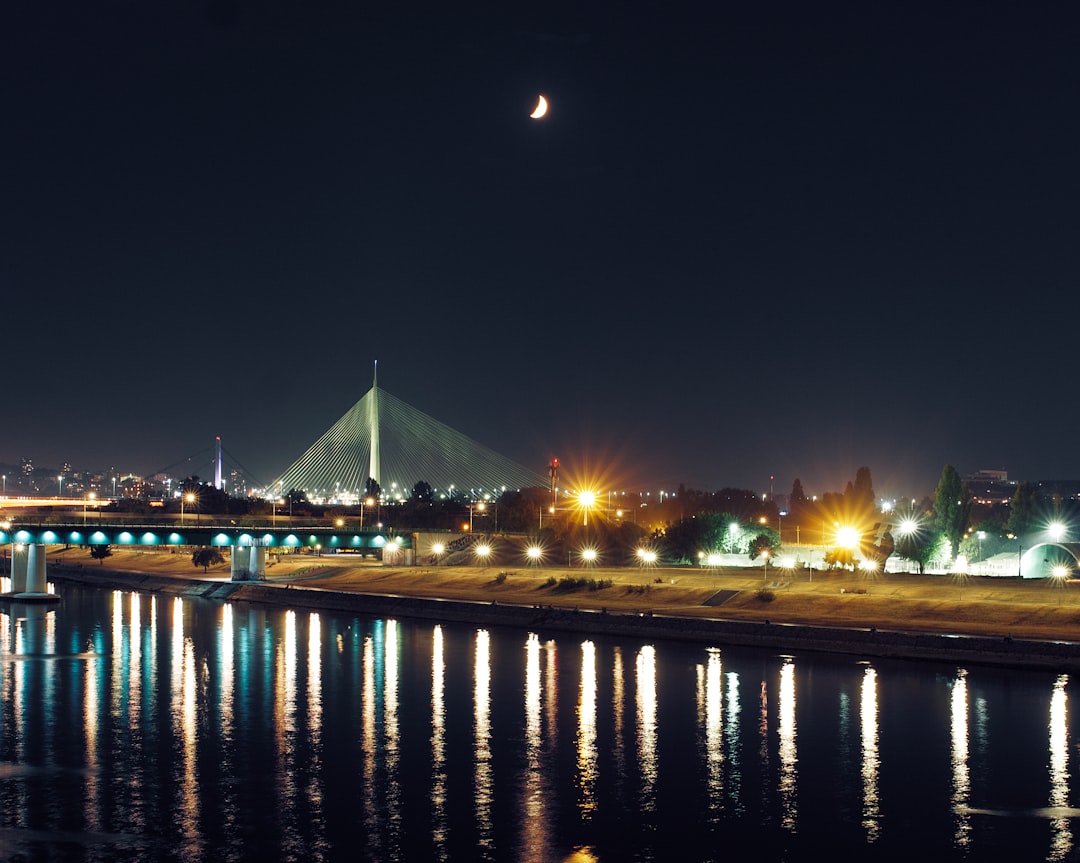
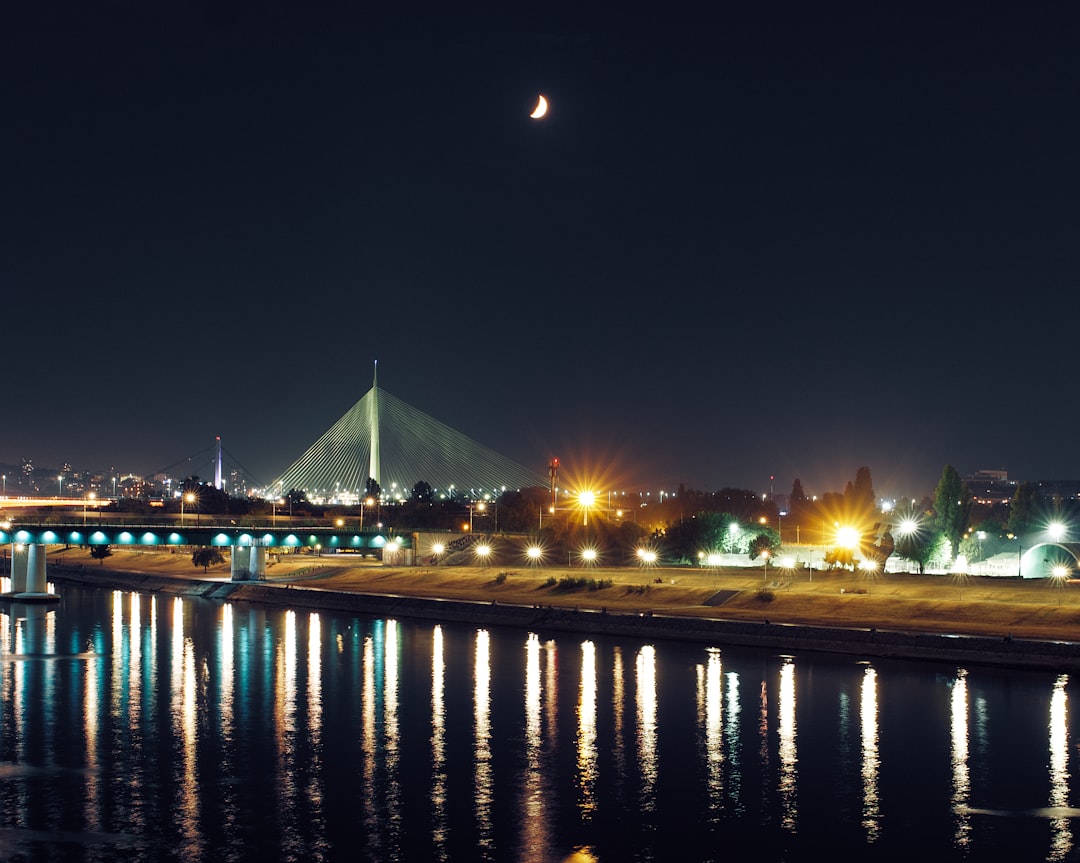
City guide to adult nightlife in Belgrade, covering the splavovi river clubs, Strahinjica Bana cocktail strip, Savamala warehouse scene, and safety tips for Serbia's capital.
Novi Sad
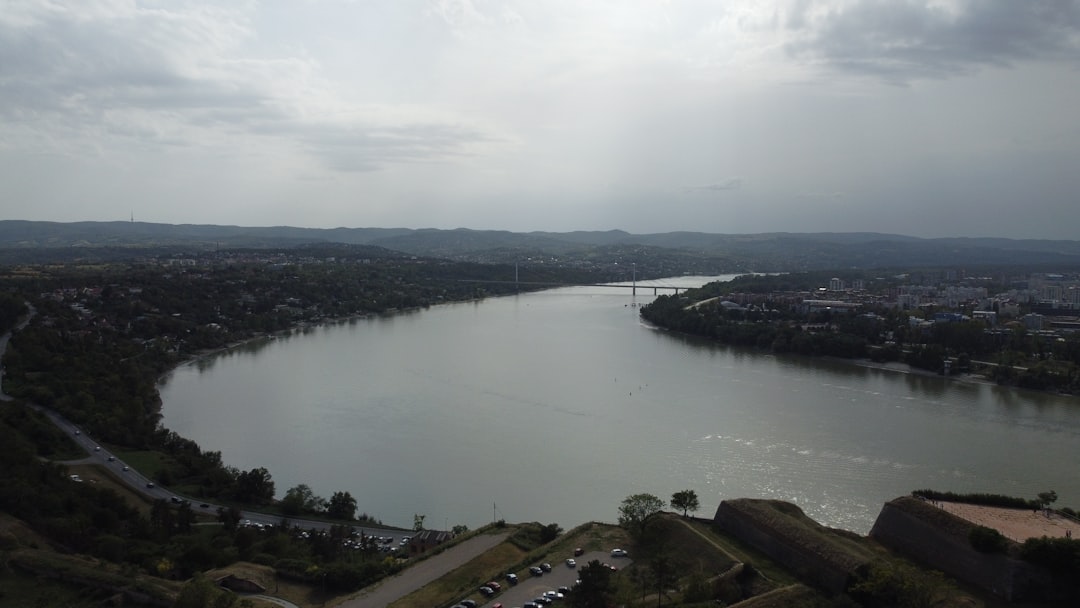
City guide to nightlife in Novi Sad, Serbia's second city and home to the EXIT Festival, covering the Liman district bar scene, Petrovaradin Fortress events, and practical tips.
Compare hotels in Serbia
Hotels, hostels, and short-term rentals across the country's main nightlife cities.
Legal Framework
Serbia's Criminal Code classifies prostitution as a misdemeanor offense under Article 16 of the Law on Public Order and Peace. Selling sex carries fines of RSD 50,000 to 100,000 or up to 30 days in jail. Organizing or profiting from someone else's sex work falls under the Criminal Code's Article 184, which covers mediation in prostitution, and carries prison sentences of up to five years. Trafficking is prosecuted under Article 388 with penalties reaching 12 years.
Last updated after our March 2026 research trip.
The law targets both parties in a transaction, though enforcement priorities are lopsided. Workers face the misdemeanor system while clients rarely see charges. Serbia signed the Council of Europe Convention on Action against Trafficking in Human Beings in 2005 and ratified it in 2009, which drove a shift in police priorities toward organized trafficking networks rather than street-level enforcement.
Enforcement Reality
Day-to-day enforcement is minimal. Police in Belgrade and other major cities know where the industry operates and generally leave it alone unless public complaints trigger action or trafficking is suspected. Periodic crackdowns happen, usually tied to political pressure or media attention, but they're short-lived. The system operates in a gray zone where illegality on paper coexists with tolerance in practice.
Serbia's position along the Balkan migration route has pushed law enforcement resources toward border security and trafficking prevention. The Organized Crime Prosecutor's Office handles cases involving networks, while local police deal with street-level activity through warnings and occasional fines. Most sex work in Belgrade operates through online platforms, private apartments, and venues that function under cover of massage or escort services.
Cultural Context
Serbian society holds conservative views on paper but pragmatic ones in practice. The Orthodox Church's influence shapes public discourse, and politicians avoid discussing sex work except to condemn it. Meanwhile, adult entertainment operates openly in Belgrade, and locals treat it with a shrug rather than outrage.
The 1990s wars and economic collapse left deep marks on Serbian society. The post-war transition brought a complicated relationship with Western cultural norms. Belgrade rebuilt its identity partly through nightlife, with the splavovi (river clubs) becoming symbols of the city's resilience and hedonism. These floating clubs on the Sava and Danube rivers pack thousands of people on summer nights and represent a culture that values celebration despite everything.
Gender dynamics in Serbia mix traditional Balkan patriarchy with modern European attitudes, particularly in Belgrade. Women in the capital are educated, independent, and direct. Outside Belgrade, social norms are more conservative, and family expectations carry more weight.
Dating Culture
Serbian dating follows patterns familiar across the Balkans. Men are expected to initiate, plan, and pay. This isn't negotiable in smaller cities and remains the default in Belgrade, though younger Belgraders are increasingly comfortable with more casual approaches. Coffee dates are the standard first meeting. Serbians take their coffee culture seriously, and a kafic (coffee shop) is the default setting for getting to know someone.
Tinder works in Belgrade but the user base drops fast outside the capital. Badoo has broader reach in smaller cities. Serbian women on dating apps tend to be straightforward once interest is established. Extended online chatting without moving toward a meeting signals disinterest. Suggest a specific time and place early.
Serbians are proud and direct. They'll tell you what they think, and they expect the same in return. Complimenting Serbian culture, food, or history goes further than generic flattery. Learning even basic phrases like "hvala" (thank you) or "zdravo" (hello) gets a genuine reaction. Family matters here. If a relationship progresses past casual dating, meeting parents comes up quickly.
Physical affection in public is common among couples. Serbians kiss on the cheek in greeting, and PDA is unremarkable in Belgrade's parks and cafes. The social warmth surprises visitors from Northern Europe.
Sources
- U.S. Department of State: Serbia Travel Advisory - Entry requirements, safety alerts, and local law summary
- UK Foreign, Commonwealth & Development Office: Serbia Travel Advice - Safety, health, and legal information for travelers
- Australian Government Smartraveller: Serbia - Travel advisory and practical information
Get the Legal Status PDF, 50 countries
Newsletter signup coming soon. Check back shortly.
Emergency Information: Serbia
- Emergency:
- 192
- Embassy Note:
- Most foreign embassies are located in Belgrade's Vracar and Savski Venac municipalities.
More in This Region
Bulgaria
Sofia's underground clubs and Sunny Beach's mega-venues make Bulgaria a growing Eastern European nightlife destination. Cheap drinks, attractive women, and a legal gray area that keeps things loosely unregulated.
Moldova
Moldova's nightlife is concentrated in Chisinau, where Soviet-era infrastructure meets a growing bar scene. Low prices, attractive women, and minimal tourist infrastructure define the experience.
Poland
A rising nightlife destination in Central Europe with legal but unregulated adult entertainment, affordable prices in PLN, and a growing club scene in Warsaw and Krakow.
Romania
Bucharest's Old Town packs cheap drinks and loud clubs into a walkable strip. Romania's nightlife runs late, costs little, and draws a young crowd across its university cities.
Similar Countries in Other Regions
Countries with a similar overall score to Serbia (3.8) but in different parts of the world.
Argentina
3.8South America
Buenos Aires blends European sophistication with Latin passion. Palermo's upscale bars, San Telmo's tango culture, and some of South America's most striking women.
Estonia
3.8Baltics
Tallinn offers a compact but spirited nightlife scene with medieval old town bars, creative quarter hangouts, and an unregulated adult entertainment industry in the Baltics.
Georgia
3.8Caucasus
A former Soviet republic where traditional values coexist with Tbilisi's underground club scene and a growing reputation as a low-cost nightlife destination in the Caucasus.
Was this guide helpful?