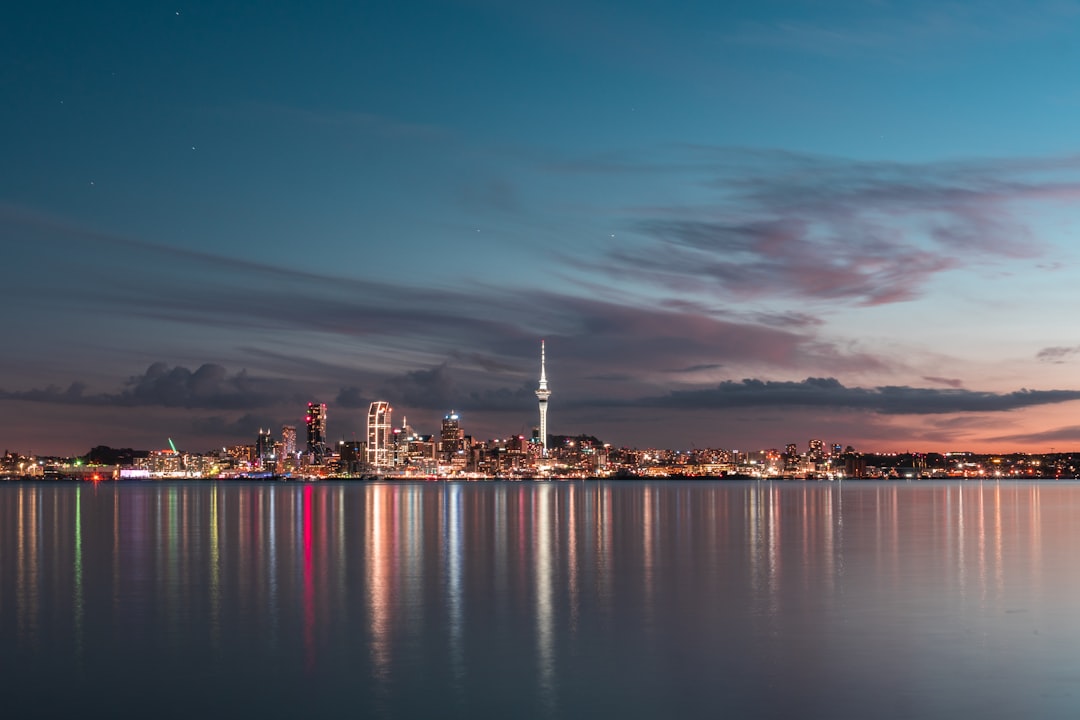


Before You Travel to New Zealand
Five things every smart traveler sorts before booking.
- 1
Passport valid 6+ months from entry date
Most countries refuse entry on passports expiring within six months. Renew now if you're close.
- 2
Visa requirements for New Zealand
Some are visa-free, some require an e-visa filed days ahead, some need an embassy appointment.
- 3
Travel insurance booked
A hospital visit in New Zealand can run $4,000-15,000 without cover. Credit card insurance usually excludes alcohol-related incidents.
- 4
eSIM data plan ready before landing
Airport SIM kiosks need your passport and overcharge tourists. Install an eSIM in 60 seconds, online before you fly.
- 5
Accommodation reserved in the right district
The wrong neighborhood means a 45-minute taxi every night. Map the venues first, then book.
City Guides in New Zealand
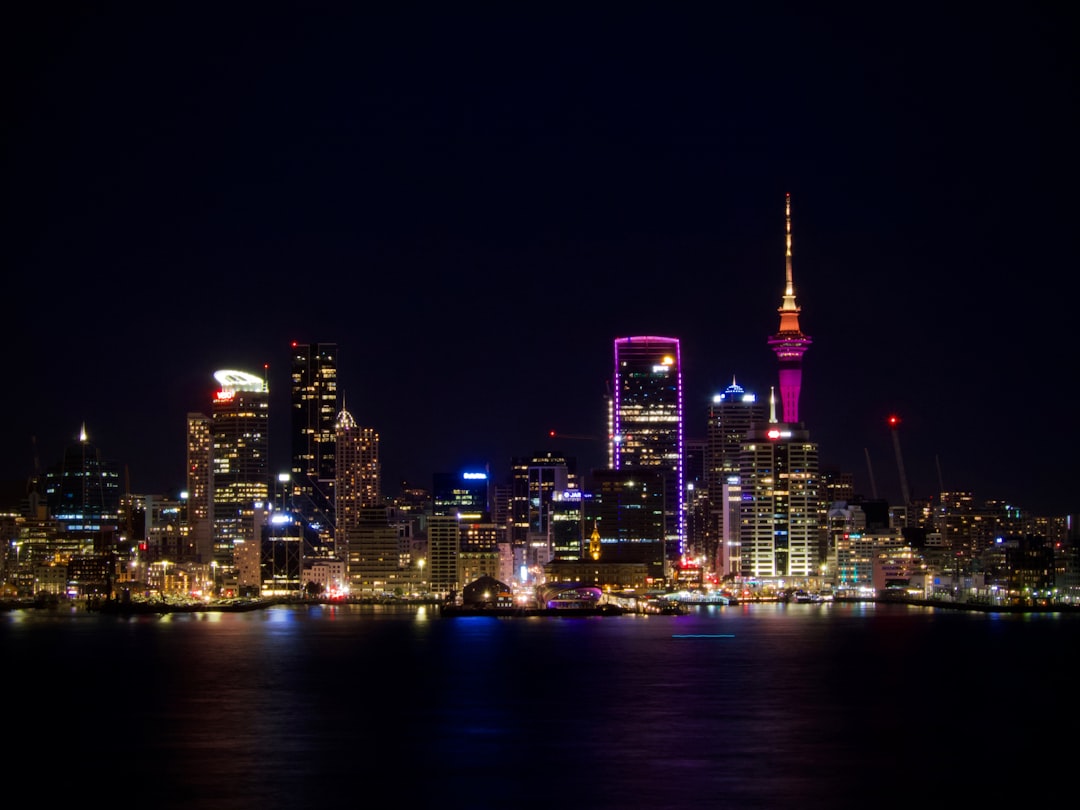
Compare hotels in New Zealand
Hotels, hostels, and short-term rentals across the country's main nightlife cities.
Legal Framework
Sex work in New Zealand has been fully decriminalized since 2003 under the Prostitution Reform Act. The law removed criminal penalties for sex work between consenting adults and created a regulatory framework overseen by the Ministry of Justice and local councils. New Zealand was the first country in the world to adopt this model, and it remains one of the most studied examples of decriminalization globally.
Information verified through local contacts as of March 2026.
Strip clubs and adult entertainment venues operate under specific licenses issued by territorial authorities. The Sale and Supply of Alcohol Act 2012 governs liquor licensing separately. Every venue serving alcohol must hold an on-licence and employ certified duty managers. Brothels with more than four workers need an operator certificate. Solo sex workers don't need any license.
One restriction applies to foreign nationals. The Prostitution Reform Act limits sex work to New Zealand citizens and permanent residents. Visitors on temporary visas cannot legally work in the sex industry. Authorities enforce this provision, and breaches carry deportation risk.
Enforcement Reality
New Zealand enforces its regulations through a mix of local council inspections and police oversight. Licensed venues face periodic compliance checks covering health and safety standards, liquor licensing conditions, and employment practices. The system works because the industry operates in the open rather than underground.
Police focus on trafficking, coercion, and any involvement of minors. They don't target consensual adult activities. WorkSafe New Zealand handles workplace safety complaints, and sex workers can file grievances through the same employment dispute processes as any other worker.
Street solicitation is legal but concentrated in a few specific areas in Auckland and Wellington. Managed zones in some cities attempt to keep the street-based scene contained. Online advertising through local platforms like NZGirls and international sites is widespread and legal.
Cultural Context
New Zealanders approach adult entertainment with characteristic pragmatism. The 2003 decriminalization passed with relatively little controversy, and public opinion has remained broadly supportive. A 2008 government review found the law was working as intended. Most Kiwis simply don't spend much energy thinking about it.
The country's drinking culture revolves around pubs, bars, and the "BYO" tradition at restaurants. Pre-loading at home before going out is common, especially among younger people, because bar prices are steep. A pint in central Auckland costs NZD 12-16 (USD 7-10 / EUR 7-9). Rounds culture exists but isn't as rigid as in Australia or the UK.
New Zealand's nightlife scene is small by international standards. Auckland, home to about 1.7 million people, has the only scene worth discussing in detail. Wellington has a handful of good bars but nothing that qualifies as a district. Queenstown is a seasonal party town geared toward backpackers and ski tourists.
Dating Culture
Kiwis are friendly but understated. The dating style skews casual and egalitarian. Women regularly initiate conversations and ask people out. Splitting the bill is standard. Grand romantic gestures tend to confuse rather than impress.
Physical directness is common once mutual interest is established. Kiwis don't play the prolonged courtship games that some cultures expect. If someone likes you, you'll know. If they don't, they'll politely move on. The "she'll be right" attitude extends to dating; people don't overthink things here.
Common mistakes visitors make:
- Trying to impress with money or status; Kiwis are famously unimpressed by wealth displays
- Being too forward or aggressive in approach; a relaxed vibe works better
- Ignoring the outdoor culture; suggesting a hike, beach, or coffee beats a formal dinner date
- Underestimating how seriously consent is taken
- Expecting a large dating pool; even Auckland is a relatively small city
Dating Apps
Tinder has the biggest user base in New Zealand across all age groups. Bumble runs a close second, particularly among women in their 20s and 30s who prefer making the first move. Hinge has gained ground since 2024, attracting people who want more than hookups. NZDating is a local platform that skews older and more rural.
For men seeking men, Grindr is the primary platform. Feeld has a small but active user base in Auckland for people interested in alternative arrangements.
Profile standards are reasonable. Kiwis tend to be genuine on their profiles rather than aspirational. Outdoor photos dominate: hiking, surfing, rugby, and beach shots. A sense of humor in your bio goes further than a polished headshot.
The small population means you can exhaust Tinder matches in Auckland within a few weeks of active use. Wellington's dating pool is even smaller. Patience helps.
Key Cities
Auckland is the only city with a developed nightlife scene. The Britomart and Viaduct Harbour area offers waterfront bars and clubs, while Ponsonby Road has cocktail bars and live music venues. Expect high prices and a scene that shuts down earlier than comparable cities in Australia or Europe.
Wellington has excellent craft beer bars and a strong live music culture concentrated on Courtenay Place, but the scene is tiny. A handful of venues serve the entire city's nightlife needs.
Queenstown is a seasonal destination where backpackers and ski tourists fuel a small bar scene along Shotover Street. It's fun but limited, and everything is priced for tourists.
Safety Considerations
New Zealand is one of the safest countries in the world for nightlife. Violent crime against tourists is extremely rare. The main risks are:
- Alcohol-related incidents; Kiwis drink heavily and some venues get rowdy after midnight
- High costs catching visitors off guard; a night out in Auckland easily runs NZD 300-500 (USD 180-300 / EUR 170-280)
- Drink driving enforcement is strict; the legal limit is 250mcg per litre of breath
- Earthquake risk is real, especially in Wellington and Christchurch; know building exits
- The sun is intense due to low ozone levels; sunburn during the day ruins your night plans
Common Scams
Scams in New Zealand nightlife are almost nonexistent. This is one of the country's genuine strengths as a destination. The main financial risks are:
Surge pricing on rideshares. Uber operates in Auckland and Wellington. Prices spike dramatically after midnight on weekends. A NZD 15 ride can jump to NZD 50-70 at 2 AM on a Saturday.
Cover charges at clubs. Some Auckland venues charge NZD 20-30 entry on weekends, occasionally more for events. Confirm pricing at the door.
Overpriced drinks. Premium cocktail bars in Auckland charge NZD 24-30 for cocktails. Check the menu before ordering.
Clip joints, tourist traps, and drink-spiking scams are not a meaningful concern in New Zealand.
What Not to Do
- Do not drive after drinking. Police run random checkpoints and the penalties are severe
- Do not get into fights. New Zealand has strict assault laws and venues operate zero-tolerance policies
- Do not carry or use illegal drugs. Cannabis remains illegal despite a failed 2020 referendum
- Do not harass venue staff or other patrons. Bouncers will remove you immediately
- Do not assume nightlife runs late; most venues close by 3 AM, some by 1 AM
- Do not engage with anyone who appears underage. Report concerns to police at 111
Sources
- U.S. Department of State: New Zealand Travel Advisory - Entry requirements, safety alerts, and local law summary
- UK Foreign, Commonwealth & Development Office: New Zealand Travel Advice - Safety, health, and legal information for travelers
- Australian Government Smartraveller: New Zealand - Travel advisory and practical information
Get the Legal Status PDF, 50 countries
Newsletter signup coming soon. Check back shortly.
Emergency Information: New Zealand
- Emergency:
- 111
- Embassy Note:
- Most embassies and high commissions are located in Wellington, with consulates in Auckland.
Related Destinations
Australia
A heavily regulated market where strip clubs and adult entertainment operate within strict state licensing frameworks. High costs, strong safety standards, and a nightlife scene concentrated in Sydney and Melbourne.
Fiji
Nightlife guide to Fiji, covering the legal landscape, safety, cultural norms, and what to expect from bars and clubs in Suva and resort areas.
Papua New Guinea
Pacific island nation with severe safety challenges where nightlife revolves around hotel bars and private clubs in Port Moresby, the country's only city with anything resembling a going-out scene.
Similar Countries in Other Regions
Countries with a similar overall score to New Zealand (3.1) but in different parts of the world.
Cameroon
3.1West Africa
A West African nation with a split nightlife culture between French-speaking Douala and Yaounde, where low costs meet uneven safety and a tolerant enforcement environment.
Canada
3.1North America
Canada's nightlife runs from Montreal's liberal club scene to Toronto's regulated entertainment districts. Legal but complex framework, high safety standards, and a diverse social landscape shaped by multiculturalism.
Denmark
3.1Scandinavia
Copenhagen's Vesterbro district anchors Denmark's adult nightlife scene. Sex work is legal and regulated, safety is excellent, but prices rank among Europe's highest.
Was this guide helpful?