Keilestraat
Legal & Regulated4/5SafeGuide to Rotterdam's Keilestraat area, the former tippelzone turned creative district, with practical info on the city's licensed adult venues.

Where to stay near Keilestraat
Hotels walking distance from the venues on this page.
See places to stay and current pricesTop Spots for a Night Out
What's open and worth your time
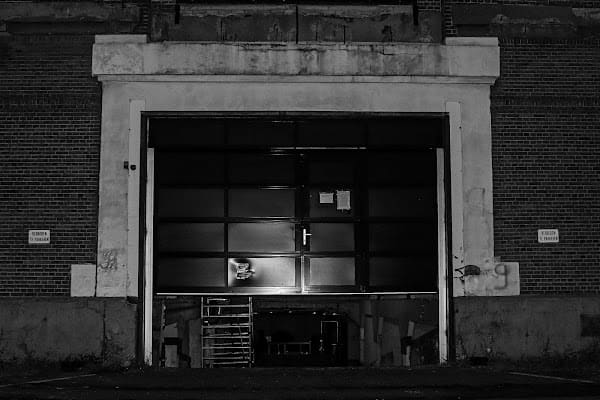
Export
Underground electronic music club in the concrete basement of the historic Keilepand warehouse. Holds a 24-hour license and fits roughly 500 people, with lineups spanning techno, house, and experimental sounds.
Keilestraat 9, 3029 BP Rotterdam
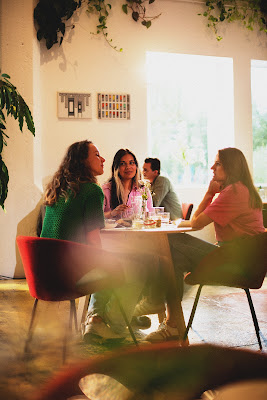
CULT=US
Restobar inside the monumental Keilepand that turns into a club on Friday and Saturday nights. DJs play house, jazz, funk, and disco until 3 AM, and the space doubles as a rotating art gallery.
Keilestraat 7a, 3029 BP Rotterdam
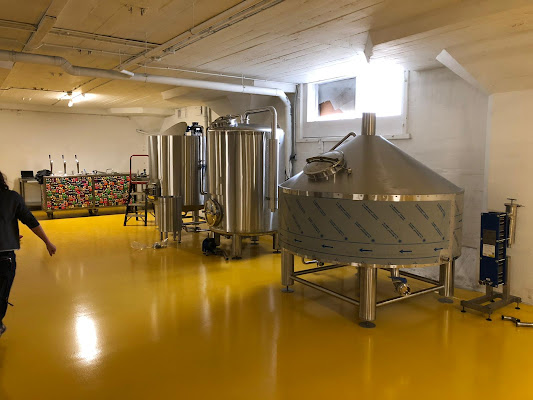
Kaapse Brouwers
Rotterdam's well-known craft brewery operates its production facility and taproom here in the Keilepand. Visitors can sample locally brewed beers and join guided tastings on site.
Keilestraat 9F, 3029 BP Rotterdam
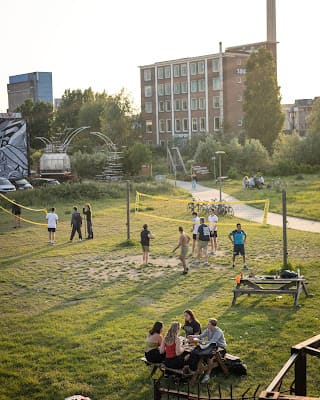
Keilecafé
Open-air bar with a festival atmosphere set between the Keilewerf warehouses. Weekend sessions feature rotating DJs and guest sets, and the kitchen serves slow food alongside drinks.
Vierhavensstraat 56, 3029 BG Rotterdam
Overview and Location
The Keilestraat and Keileweg sit in Rotterdam's western harbor zone, roughly 3 kilometers from Centraal Station, in the area now marketed as the M4H (Makers4Harbors) innovation district. This industrial stretch between Rotterdam proper and the neighboring city of Schiedam was once home to the city's designated street prostitution zone, the tippelzone, which operated from the late 1980s until its closure in September 2005.
Venue details verified through on-site research.
Today the area looks nothing like it did two decades ago. Former warehouses and industrial buildings have been converted into creative workspaces, galleries, breweries, and nightlife venues. The Keilepand, a 1922 fruit warehouse, now houses restaurants and exhibition spaces. Club BIT opened in a former brothel building on the Keileweg with a 24-hour license. If you come here expecting red-lit windows and the familiar setup of Amsterdam's De Wallen, you won't find it. Rotterdam took a different path entirely.
The area is accessible by bus from Centraal Station (about 15 minutes) or by taxi and ride-hailing services. There is no direct metro connection. Cycling takes roughly 10 minutes from the city center.
Legal Status
The Netherlands legalized and regulated sex work when it lifted the brothel ban in 2000, but each municipality decides how to implement that framework locally. Rotterdam's approach has been one of the strictest in the country. The city has not permitted window prostitution since the 1970s, making it fundamentally different from Amsterdam, Utrecht, or The Hague in this respect.
The Keileweg tippelzone allowed street-based sex work during set hours at designated spots. Workers operated from behind screens or from vehicles. The city closed this zone on the night of September 12-13, 2005, citing persistent problems with drug addiction among workers, exploitation, and neighborhood complaints. No replacement zone was created.
Sex work in Rotterdam today is legal only inside licensed premises. The municipality issues permits to clubs, private houses, and escort agencies. These venues undergo inspections covering hygiene, safety, and exploitation prevention. Street solicitation and window work are explicitly prohibited under Rotterdam's local bylaws (APV).
Costs and Pricing
Since the Keilestraat area itself no longer operates as an adult entertainment district, pricing information relates to Rotterdam's licensed venues elsewhere in the city. The main concentration of these establishments runs along s-Gravendijkwal in the Oude Westen and Nieuwe Westen neighborhoods, about 2 kilometers east of the Keilestraat area.
Licensed clubs and private houses:
Nightclub Lido, at s-Gravendijkwal 124, charges EUR 30 entry including three drinks. The club has operated for over 45 years and typically has 10 to 20 workers present daily. It's open nightly from 10 PM to 6 AM with DJ sets Wednesday through Saturday from 11 PM.
Club OQ, at s-Gravendijkwal 115, offers table dances, private rooms, and sauna facilities. Entry pricing is comparable to Lido. Both venues accept cash and cards, though cash is more common for private services.
Samantha Prive, at s-Gravendijkwal 47A, offers services starting at EUR 50 for 20 minutes. This is typical pricing for Rotterdam's private houses (privehuizen), where sessions range from EUR 50-150 depending on duration and services.
Escort services in Rotterdam typically charge EUR 150-300 per hour, with most requiring advance booking by phone or through verified websites. Agency-based escorts tend to cost more than independent operators but offer more consistency.
Drinks and dining in the Keilestraat area itself reflect typical Rotterdam prices. A beer at Keile Cafe runs EUR 4-6, cocktails EUR 8-12. The City Harbor Brewery on the Keilepand serves craft beers for EUR 5-7. Dinner at one of the area's restaurants costs EUR 25-40 per person.
Transport costs: A single OV-chipkaart ride on bus or tram costs EUR 3.40. An Uber or Bolt from Centraal Station to the Keilestraat area runs EUR 8-12. A taxi from s-Gravendijkwal to Keilestraat is roughly EUR 10-15.
Street-Level Detail
Walking the Keilestraat today, you'll see wide industrial roads, converted warehouse buildings, and a mix of creative businesses. The former tippelzone screens and barriers are gone. In their place are street art murals, brewery terraces, and the occasional construction hoarding as the M4H redevelopment continues.
Keilepand is the area's anchor building. This former fruit and vegetable warehouse from 1922 has been split into multiple spaces, including CULT=US (food, live music, and art programming), gallery spaces, and co-working areas. The building has a raw, industrial aesthetic with high ceilings and exposed steel beams.
Keile Cafe sits nearby and operates as something between a permanent outdoor festival and a neighborhood bar. DJs play on weekends, and the terrace fills up in warmer months. It's a genuinely good nightlife spot, just not an adult entertainment venue.
Club BIT, housed in a former brothel building on the Keileweg, is a nightclub with a rare 24-hour operating license. The building's ground floor contains Restaurant BITTER. The operators have been open about the building's history while deliberately steering it toward a new purpose.
AVL Mundo, artist Joep van Lieshout's sprawling sculpture park and studio complex, occupies a large section of the area. Van Lieshout, who also owns several buildings in the zone, has been a driving force behind the area's creative transformation.
The industrial surroundings mean that the area between venues can feel quiet and empty, particularly on weekday nights. It doesn't have the continuous foot traffic of a city-center street.
Safety
The Keilestraat area is safe during the day and busy evenings, but it's an industrial zone that requires some awareness after dark. The spaces between venues aren't well populated, and streetlighting is inconsistent in the more peripheral sections.
Stick to the main venues and don't wander into unlit industrial lots or side roads at night. The area doesn't see much petty crime, but its isolated feel can be disorienting if you're unfamiliar with the layout.
Use ride-hailing apps (Uber or Bolt) for late-night transport rather than walking to a distant bus stop. There's no metro station nearby, and bus service thins out after midnight on weekdays.
If you're visiting s-Gravendijkwal's licensed venues instead, the safety profile is better. That neighborhood has more foot traffic, better lighting, and closer proximity to tram stops and the city center.
Cultural Context
Rotterdam's decision to close the Keileweg tippelzone and avoid window prostitution reflects the city's broader identity. This is a place that demolishes and rebuilds rather than preserving traditions. The same instinct that produced Europe's most architecturally experimental skyline also shaped a pragmatic, indoor-only approach to sex work regulation.
The Dutch attitude toward sex work is generally matter-of-fact. It's legal, it's taxed, and it's regulated. But Rotterdam doesn't celebrate or market this the way Amsterdam does. You won't find red-light-themed souvenirs or guided tours. The city's tourism board promotes architecture, food, and the port. Sex work exists within the legal framework but stays behind closed doors, both literally and in public discourse.
For visitors from countries where sex work is criminalized, the Dutch approach can feel disorienting. The casualness isn't performative. It reflects a genuine cultural belief that regulation produces better outcomes than prohibition.
Scam Warnings
Fake online listings: Some websites and classified ads for Rotterdam escort services use stolen photos and misleading descriptions to attract clients. They may request advance payment by bank transfer or cryptocurrency, then disappear. Only book through established agencies with verifiable reviews and physical addresses. Never send money in advance to an unverified source.
Unlicensed venues: Some unlicensed massage parlors or private operators advertise online without holding municipal permits. These fall outside the regulatory framework, meaning there are no safety inspections and no recourse if something goes wrong. Look for licensed establishments that display their permit information.
Street solicitation: Since the tippelzone closed, some street-based sex work still occurs illegally in various parts of Rotterdam. Engaging with unlicensed street workers carries legal risk for both parties and lacks the safety protections of the regulated system.
Overcharging in clubs: While most licensed venues have transparent pricing, always confirm costs before agreeing to services. Check whether entry fees include drinks, and ask about private room rates upfront.
Nearby Areas
s-Gravendijkwal is where most of Rotterdam's licensed adult entertainment actually operates. This street in the Oude Westen neighborhood, about 2 kilometers east of Keilestraat, has clubs like Nightclub Lido and Club OQ alongside private houses and other licensed venues. It's easily reached by tram or a short taxi ride from the city center.
Schiedam borders the Keilestraat area to the west. This smaller city has its own character, with a historic jenever (Dutch gin) distillery district and a quieter nightlife scene. It's walkable from the western end of the Keile area.
Witte de Withstraat, about 3 kilometers east in central Rotterdam, is the city's main bar and restaurant street. This is where most conventional nightlife happens, with terraces, cocktail bars, and late-night spots.
Meeting People Nearby
Keile Cafe and the venues around the Keilepand attract a younger, creative crowd on weekends and are good spots for casual socializing in a relaxed setting. For more conventional nightlife and a broader social scene, Witte de Withstraat and the Oude Haven area in the city center offer a wider selection of bars and restaurants. Rotterdam's dating app scene is active but smaller than Amsterdam's, with a more down-to-earth local culture. For a full overview, see the main Rotterdam city guide.
Best Times
- Keile area nightlife (Keile Cafe, Club BIT): Friday and Saturday from 10 PM onward. Summer months bring outdoor terraces and longer hours
- s-Gravendijkwal clubs: Open nightly from around 10 PM. Busiest Thursday through Saturday
- Creative venues and galleries: Weekday afternoons and weekend daytime for the Keilepand, CULT=US, and AVL Mundo
- Summer (June-August): Best weather for the outdoor terrace culture. The area hosts occasional festivals and events
- Winter: Indoor venues maintain normal schedules, but the outdoor spaces shut down and the industrial surroundings feel bleak in cold rain
What Not to Do
- Do not come expecting window prostitution or a red-light district. Rotterdam doesn't have one
- Do not walk through unlit industrial areas alone at night. Use ride-hailing apps between venues
- Do not engage with street solicitation. It's illegal and falls outside the regulated safety framework
- Do not send advance payments to unverified online escort listings
- Do not photograph workers at licensed venues without explicit permission
- Do not assume the Keilestraat area and s-Gravendijkwal are close together. They're in different parts of the city, roughly 15 minutes apart by taxi
- Do not skip confirming prices before agreeing to services at any venue
Get the Legal Status PDF, 50 countries
Newsletter signup coming soon. Check back shortly.
Related Guides
Rotterdam Overview
City guide to adult nightlife in Rotterdam, covering districts, legal context, safety tips, and practical information.
Read guideKatendrecht
District guide to Katendrecht in Rotterdam, a former red-light area transformed into a trendy food and culture district, with remaining adult venues.
Read guideFrequently Asked Questions
Was this guide helpful?