Katendrecht
Legal & Regulated4/5SafeDistrict guide to Katendrecht in Rotterdam, a former red-light area transformed into a trendy food and culture district, with remaining adult venues.

Where to stay near Katendrecht
Hotels walking distance from the venues on this page.
See places to stay and current pricesNightlife Picks
Bars, clubs, and lounges in the area
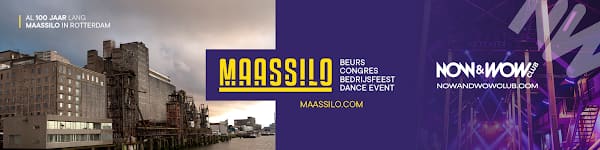
Maassilo
A former grain silo turned into one of the Netherlands' most impressive club venues. The raw industrial halls span 7,000 square meters across nine rooms, hosting electronic music events for up to 6,000 people.
Maashaven Zuidzijde 1-2
Café de Ouwehoer
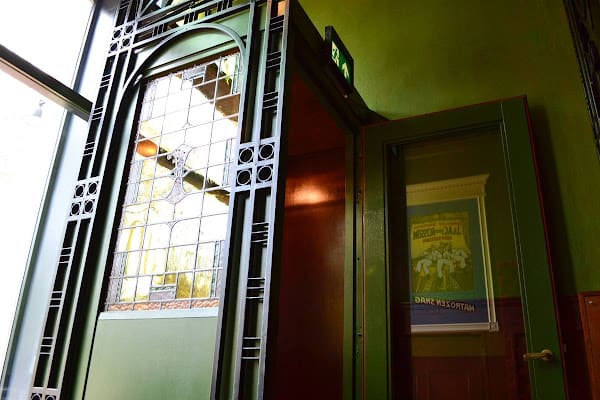
A local brown bar on Deliplein with old-style decor, rock and roll music, and a solid whisky selection. There's a small stage for DJs and live singers on weekends.
Delistraat 36c
Kopi Soesoe
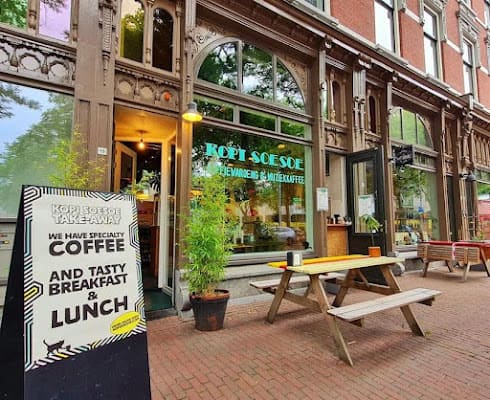
An espresso bar doubling as a mini music stage on Deliplein. The cozy interior and colorful terrace host intimate live performances ranging from jazz to indie acts.
Sumatraweg 15
Kaapse Brouwers
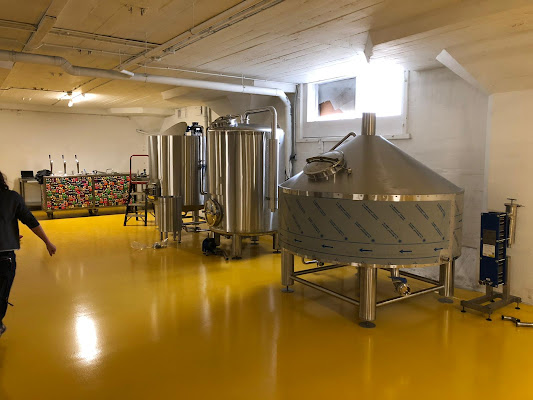
A craft microbrewery and taproom producing its own beers on site. Located near the Fenix Food Factory, it draws locals and visitors for fresh brews and a relaxed dockside atmosphere.
Nico Koomanskade 1025
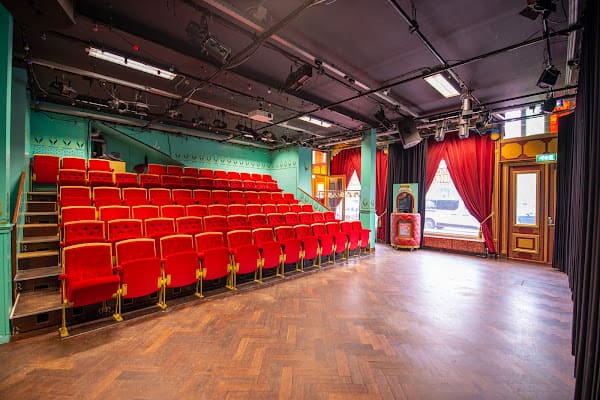
Theater Walhalla
A neighborhood cultural venue staging around 275 performances per year, including concerts, festivals, and late-night shows. The attached Kantine Walhalla bar stays open for post-show drinks.
Sumatraweg 9-11
Overview
Katendrecht is a peninsula jutting into the Maas river on Rotterdam's south bank. For most of the 20th century, it was the city's roughest neighborhood, a sailors' quarter with brothels, opium dens, dive bars, and a street-level sex trade that served the crews of ships docking at Europe's largest port. Locals called it "De Kaap" (the Cape) and it had a reputation that kept respectable Rotterdam at a safe distance.
Venue details verified through on-site research.
That Katendrecht is gone. What replaced it is one of the most striking examples of urban transformation in the Netherlands.
The Red-Light History
Katendrecht's red-light activity peaked in the mid-20th century when Rotterdam's port was booming and thousands of sailors cycled through the district on shore leave. Bars, brothels, and window prostitution lined the streets. The area was rough, multiethnic, and had a reputation for being genuinely dangerous in ways that Amsterdam's tourist-friendly De Wallen never was.
The port moved further west as ships grew larger and container terminals replaced city-center docks. The sailors stopped coming. By the 1980s and 1990s, Katendrecht was in decline: high unemployment, drug problems, and a shrinking population. The sex trade persisted but in diminished form.
Rotterdam's city council made the decisive move in 2005 by banning all window prostitution within the municipality. Unlike Amsterdam and The Hague, which maintained and regulated their window districts, Rotterdam chose elimination. The last windows closed, and the city began actively courting developers, restaurants, and cultural operators to fill the gap.
What Replaced It
The transformation was fast and deliberate. The city invested in infrastructure, subsidized cultural venues, and rezoned former red-light properties for residential and commercial use.
Hotel New York was an early anchor. Housed in the former headquarters of the Holland-America Line, the shipping company that carried hundreds of thousands of Dutch emigrants to the Americas, the building was converted into a hotel, restaurant, and bar. Its waterfront terrace became one of Rotterdam's iconic social spots.
Fenix Food Factory opened in a converted warehouse on the Veerlaan. Small food producers, a craft brewery, and a coffee roaster share the industrial space. It's become a weekend destination for Rotterdammers and the kind of place food bloggers write about.
The surrounding streets filled with restaurants, galleries, a theater (Theater Walhalla), and residential apartments. Property values climbed sharply. The sailors' quarter became a brunch destination.
What Remains
The traditional red-light district is entirely gone from Katendrecht. You won't find window prostitution anywhere in Rotterdam.
Licensed adult entertainment in Rotterdam now operates exclusively through indoor venues: sex clubs, private houses (privehuizen), and escort services. The main concentration of these licensed establishments sits along s-Gravendijkwal in the Oude Westen neighborhood, several kilometers from Katendrecht. See the Keilestraat district guide for detailed information on Rotterdam's current licensed adult venues and pricing.
On Katendrecht itself, there are no remaining adult entertainment venues of note. The transformation was complete.
Why This Matters
Katendrecht's story matters because it documents a broader trend across the Netherlands and Europe: the deliberate removal of street-visible sex work from urban centers. Rotterdam was one of the first Dutch cities to take this approach, and the results have been held up as a model by those who advocate for closing window districts.
The other side of the argument is less visible. When Rotterdam closed its windows and tippelzone, the sex work didn't disappear. It moved indoors, online, and to neighboring municipalities. Worker advocacy groups argued that the closures pushed the trade into less regulated, less safe environments. The debate continues across Dutch politics and informs discussions about Amsterdam's own window districts.
For visitors, Katendrecht is worth seeing for what it's become rather than what it was. The food scene is genuinely good, the waterfront setting is attractive, and the neighborhood offers a side of Rotterdam that feels very different from the city center's architectural bombast. But if you're looking for a red-light district, you're about twenty years too late.
Getting There
Katendrecht is accessible by metro (Wilhelminaplein station on the Erasmus line), by Rotterdam's water taxi service from the city center, or by walking across the Rijnhavenbrug pedestrian bridge from Kop van Zuid. The walk from Centraal Station takes about 25 minutes through the Erasmus Bridge area. Uber and Bolt are reliable alternatives.
Get the Legal Status PDF, 50 countries
Newsletter signup coming soon. Check back shortly.
Related Guides
Rotterdam Overview
City guide to adult nightlife in Rotterdam, covering districts, legal context, safety tips, and practical information.
Read guideKeilestraat
Guide to Rotterdam's Keilestraat area, the former tippelzone turned creative district, with practical info on the city's licensed adult venues.
Read guideFrequently Asked Questions
Was this guide helpful?