

Before You Travel to Montenegro
Five things every smart traveler sorts before booking.
- 1
Passport valid 6+ months from entry date
Most countries refuse entry on passports expiring within six months. Renew now if you're close.
- 2
Visa requirements for Montenegro
Some are visa-free, some require an e-visa filed days ahead, some need an embassy appointment.
- 3
Travel insurance booked
A hospital visit in Montenegro can run $4,000-15,000 without cover. Credit card insurance usually excludes alcohol-related incidents.
- 4
eSIM data plan ready before landing
Airport SIM kiosks need your passport and overcharge tourists. Install an eSIM in 60 seconds, online before you fly.
- 5
Accommodation reserved in the right district
The wrong neighborhood means a 45-minute taxi every night. Map the venues first, then book.
City Guides in Montenegro
Compare hotels in Montenegro
Hotels, hostels, and short-term rentals across the country's main nightlife cities.
Legal Framework
Montenegro's Criminal Code addresses prostitution under Article 210, which criminalizes organizing and facilitating sex work. The act of selling sex itself isn't directly criminalized, placing Montenegro in a gray zone where workers face less legal risk than organizers. Penalties for running a prostitution ring or profiting from someone else's sex work reach up to 10 years in prison. Human trafficking is prosecuted separately under Article 444, with sentences up to 12 years.
Our field team visited Montenegro most recently in March 2026.
The legal framework reflects Montenegro's aspirations for EU accession. The country has adopted several Council of Europe conventions related to trafficking and exploitation, and the government publishes annual action plans. On paper, the legal structure is modern and aligned with European standards. In practice, enforcement targets organized networks rather than individual activity.
Enforcement Reality
Police enforcement of prostitution laws is minimal at the street level. Montenegro's small population (roughly 620,000) and the seasonal nature of its tourism economy mean that law enforcement resources concentrate on drug trafficking, organized crime, and border security. During the summer tourist season, police in Budva and other coastal towns focus on public order: noise complaints, drunk tourists, and traffic rather than the sex trade.
The industry operates through online platforms, private apartments, and informal arrangements in resort towns. There's no visible street-level scene comparable to larger Balkan cities. The summer influx of tourists from Serbia, Russia, and Western Europe creates a seasonal demand that operates quietly and without significant police attention.
Cultural Context
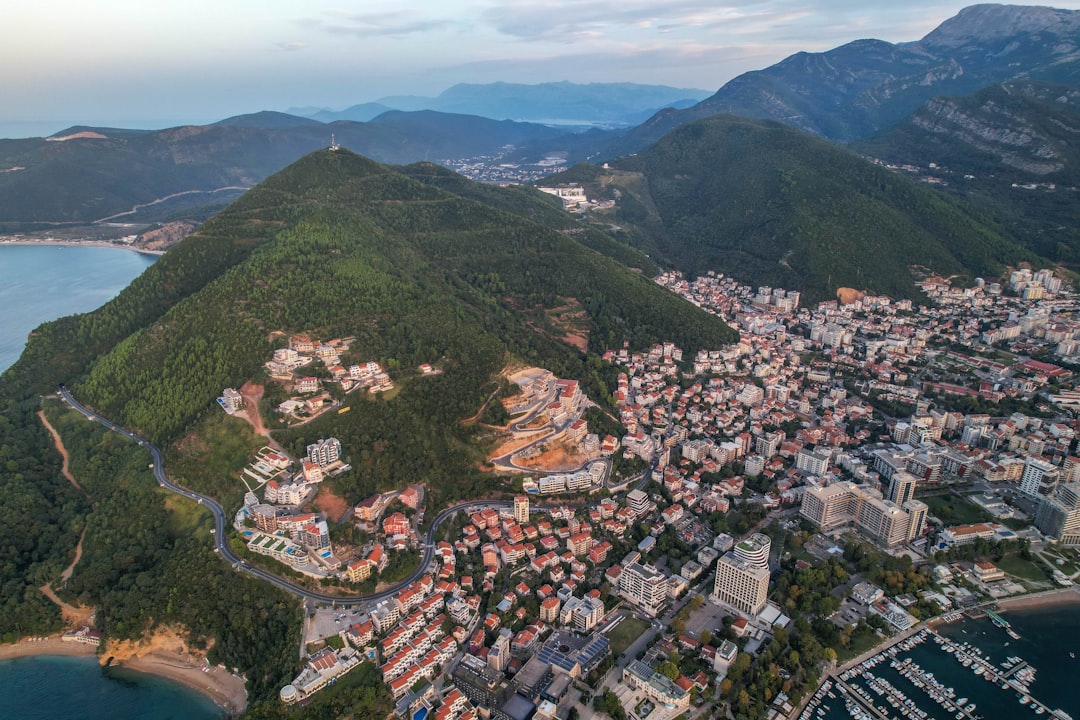
Montenegrin society blends Mediterranean ease with Balkan directness. The coastal culture, particularly in Budva and Kotor, is relaxed and tourist-oriented. Locals in these towns have spent decades hosting international visitors, and the social atmosphere is open. The interior, including Podgorica, is more conservative and less oriented toward nightlife tourism.
Montenegro's independence from Serbia in 2006 launched a period of rapid development along the coast. Foreign investment, particularly from Russia and the Gulf states, transformed Budva from a small medieval town into a summer party destination. The Porto Montenegro development in Tivat brought superyacht money. This investment wave shaped the nightlife scene, creating venues that cater to a moneyed, international crowd during peak season.
Gender dynamics follow patterns common across the Western Balkans. Younger Montenegrins in coastal cities are cosmopolitan and well-traveled. English proficiency is high among the under-35 crowd, particularly those working in tourism and hospitality. The distinction between coastal and inland Montenegro is sharp; Podgorica feels like a different country from Budva in August.
Dating Culture
Dating in Montenegro follows familiar Balkan patterns with a Mediterranean twist along the coast. Men are expected to take the lead, and paying for drinks and dinner is standard. Montenegrins are proud and direct. Genuine interest is expressed openly, and game-playing is less common than in Western European dating culture.
Tinder and Badoo work in Montenegro, though the user base is small outside summer months. During July and August, the apps fill with tourists and seasonal visitors from across the region. The beach towns create a vacation atmosphere where social barriers drop. Meeting people happens naturally at beach clubs, bars, and through the social networks that form around resort life.
Montenegrins value family connections and local reputation. In smaller communities, everyone knows everyone, and discretion matters. The coastal tourist zones operate differently, with the anonymity that comes from a transient summer population. Podgorica has a small but active social scene centered around a few key bars and restaurants.
Physical appearance matters in Montenegrin social culture. People dress well for nights out, and the coastal promenade is a stage for looking good. This isn't superficial by local standards; it's how social life works in Mediterranean cultures. Making an effort with your appearance signals respect for the social occasion.
Sources
- U.S. Department of State: Montenegro Travel Advisory - Entry requirements, safety alerts, and local law summary
- UK Foreign, Commonwealth & Development Office: Montenegro Travel Advice - Safety, health, and legal information for travelers
- Australian Government Smartraveller: Montenegro - Travel advisory and practical information
Get the Legal Status PDF, 50 countries
Newsletter signup coming soon. Check back shortly.
Emergency Information: Montenegro
- Emergency:
- 112
- Embassy Note:
- Most embassies and consulates are located in Podgorica, the capital. Some countries maintain honorary consulates in Budva during summer.
Related Destinations
Albania
Albania's nightlife is small but growing fast, centered on Tirana's Blloku district where the former communist elite's residential quarter has become a strip of cocktail bars and clubs. Extremely cheap and largely undiscovered by mass tourism.
Bosnia and Herzegovina
Sarajevo's Ottoman-era old town hides a growing bar scene where craft cocktails cost less than a coffee in Vienna. Low prices, warm hospitality, and a post-war cultural renaissance make Bosnia a Balkan sleeper.
Croatia
Zagreb and Split offer a growing nightlife scene with Mediterranean beauty, Adriatic coastline bars, and an unregulated but tolerated adult entertainment industry.
Greece
Athens, Mykonos, and Crete offer Mediterranean nightlife with beautiful women. The escort scene is smaller than Western Europe but growing, with summer island parties as a bonus.
Similar Countries in Other Regions
Countries with a similar overall score to Montenegro (3.7) but in different parts of the world.
Bulgaria
3.7Eastern Europe
Sofia's underground clubs and Sunny Beach's mega-venues make Bulgaria a growing Eastern European nightlife destination. Cheap drinks, attractive women, and a legal gray area that keeps things loosely unregulated.
Kazakhstan
3.7Central Asia
A guide to nightlife in Kazakhstan, Central Asia's largest economy with a growing club and bar scene in Almaty. Technically illegal but widely tolerated adult entertainment, moderate costs, and a mix of Russian and Kazakh cultural influences.
Latvia
3.7Baltics
Riga's Old Town bars and craft cocktail scene draw stag parties and solo travelers alike. Low-key nightlife, affordable drinks, and a walkable capital with Baltic charm and a permissive attitude.
Was this guide helpful?