Namba
Semi-Legal4/5SafeDistrict guide to Namba in Osaka. Dotonbori, Ura-Namba, Soemoncho hostess bars, nightclubs, and practical safety advice for Osaka's main nightlife hub.

Where to stay near Namba
Hotels walking distance from the venues on this page.
See places to stay and current pricesWhere to Go Out
Our picks for the best nights out here
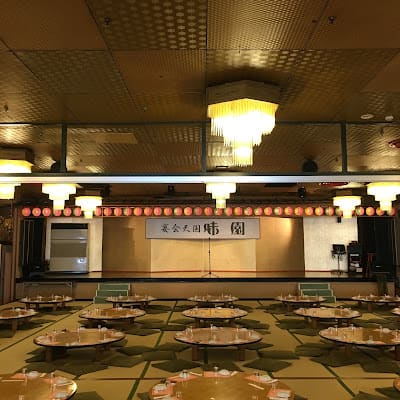
Misono Building
Retro 1950s entertainment building in Ura-Namba with over 40 small themed bars spread across two indoor corridors. Each bar seats only a handful of people, making it Osaka's answer to Tokyo's Golden Gai.
2-3-9 Sennichimae, Chuo-ku, Osaka
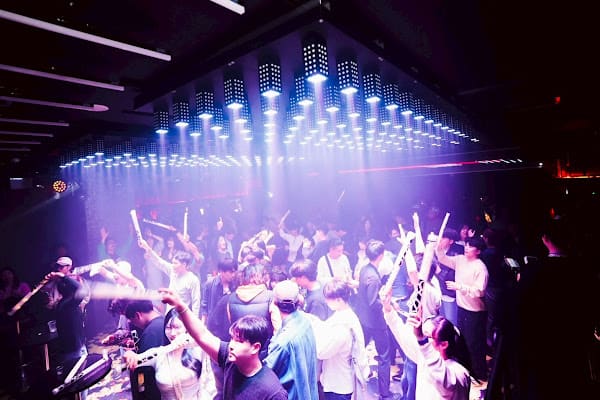
Giraffe Japan
Four-floor nightclub in Soemoncho drawing a mixed crowd of locals and foreign visitors. DJs rotate between hip-hop, EDM, and J-pop sets throughout the night.
7-9 Soemoncho, Chuo-ku, Osaka
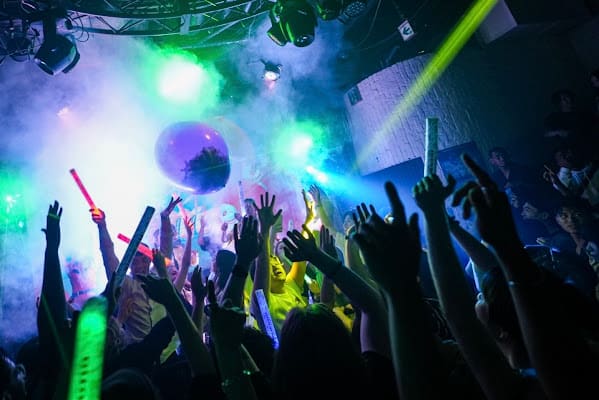
Club Ammona
Large multi-genre club playing K-pop, house, and UK pop across its floors. Popular with international visitors and one of the few Osaka clubs that actively welcomes a non-Japanese crowd.
2-3-22 Higashishinsaibashi, Chuo-ku, Osaka
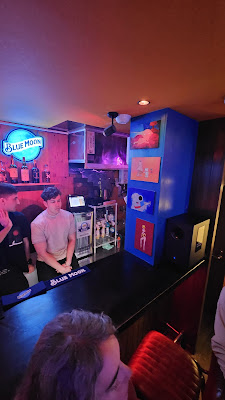
The Drunken Clam
English-language karaoke bar in Soemoncho with cheap drinks and a laid-back atmosphere. A reliable late-night spot where tourists and expats mix freely.
6-26 Soemoncho, Chuo-ku, Osaka
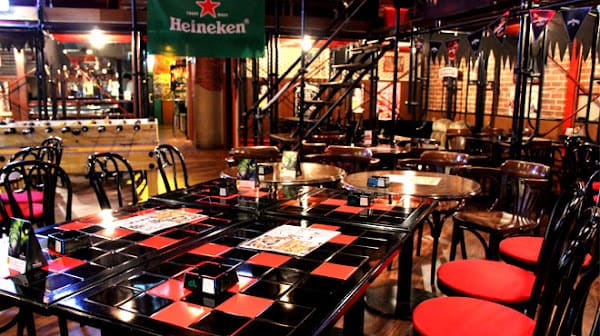
Balabushka
Combination bar and darts lounge west of Shinsaibashi with a spacious dance-floor layout. Happy hour before 8pm brings drinks down to around 400 yen.
2-9-5 Nishishinsaibashi, Chuo-ku, Osaka
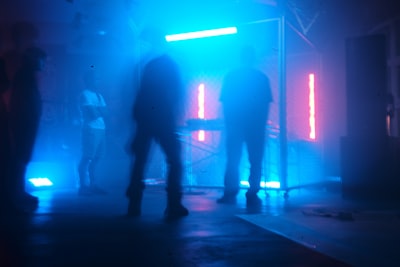
Cinquecento
Three-floor Shinsaibashi club with separate rooms for house, hip-hop, and J-pop. Cover 2,500 JPY on weekends with two drinks included. Draws a young local crowd.
2-10-21 Higashishinsaibashi, Chuo-ku, Osaka
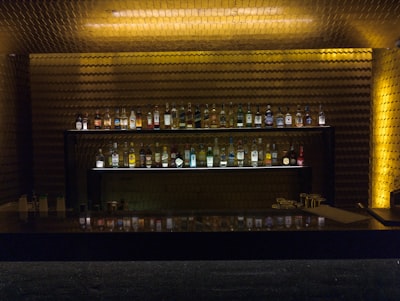
Bar Nayuta
Craft cocktail bar in Ura-Namba where the bartender works in silence with surgical precision. Cocktails from 1,000 JPY. Seats eight at the counter, no standing room.
Moonwalk Namba
All-cocktails-200-yen chain bar near Dotonbori. The drinks are simple but the price makes it a popular first stop. Standing room only and always packed after 9 PM.
1-9-21 Namba, Chuo-ku, Osaka
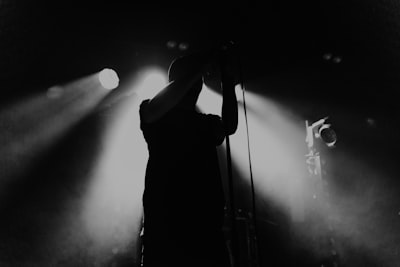
Triangle Park Stage
Small live music venue in Americamura hosting indie bands and DJs on weekends. Entry 1,500-2,500 JPY depending on the act. Beers from 500 JPY.
Craft Beer Base BUD
Standing craft beer bar in Ura-Namba with 10 rotating taps of Japanese and imported brews. Pints from 800 JPY. The owner speaks English and recommends pairings.
2-1-3 Sennichimae, Chuo-ku, Osaka
Ghost Ultra Lounge
Soemoncho basement club with a dark interior and laser light shows. DJs play EDM and trance. Cover 3,000 JPY on Saturdays. One of the later-closing venues in the area.
2-7 Soemoncho, Chuo-ku, Osaka
Overview and Location
Namba is the beating heart of Osaka's nightlife. The area encompasses several interconnected neighborhoods: Dotonbori with its famous canal and neon signs, Shinsaibashi-suji with its covered shopping arcade, Soemoncho with its hostess clubs and nightclubs, Americamura with its youth culture, and Ura-Namba with its backstreet bar scene. All of these sit within walking distance of each other, creating the densest concentration of entertainment in western Japan.
Prices confirmed through direct visits in February 2026.
Namba Station itself is a major transit hub where the Osaka Metro Midosuji and Yotsubashi lines, Nankai Railway, and Kintetsu Railway converge. The station sits at the southern end of the Shinsaibashi shopping corridor and the western end of Dotonbori. Step out of any exit and you're immediately in something: restaurants, bars, shops, or nightlife. Unlike Tokyo, where entertainment districts feel separated from each other by train rides, Namba's sub-districts flow together. You can walk from Dotonbori to Americamura in 10 minutes, from Soemoncho to Ura-Namba in five. This walkability is one of the area's biggest strengths.
Legal Status
Namba's entertainment businesses operate under the Fueiho licensing framework administered by the Osaka Prefectural Public Safety Commission. Different license categories cover different establishment types, and each category specifies what services are permitted, operating hours, and location requirements.
The main categories in the Namba area include izakayas and restaurants (standard food and beverage licenses), kyabakura and hostess bars (hospitality business licenses), host clubs, nightclubs (specific entertainment licenses that have been updated since the 2016 revision of the Fueiho to allow later operating hours), and a smaller number of fuzoku establishments operating under adult entertainment permits. Soemoncho has the highest density of licensed hospitality and entertainment businesses within the district. Enforcement focuses on unlicensed operations and establishments exceeding their license parameters. The 2016 Fueiho revision that relaxed some dance-club regulations has allowed Osaka's club scene to expand, and several new venues have opened in the Shinsaibashi area since then.
Costs and Pricing
Namba spans a wide price range, from the cheapest standing bars to high-end hostess clubs where a single night can exceed 100,000 JPY. Understanding which tier you're in matters.
Dotonbori dining is tourist-priced but still reasonable. Takoyaki (octopus balls) from street vendors costs 500-800 JPY for 8 pieces. Okonomiyaki at popular restaurants runs 800-1,500 JPY per pancake. Ramen costs 800-1,200 JPY. A full meal with a drink at a standard restaurant typically costs 1,500-3,000 JPY.
Izakayas and standing bars in Ura-Namba are the budget option. Beer starts at 300-400 JPY. Highballs cost 200-400 JPY. Small dishes run 300-600 JPY. Some bars, like the Moonwalk chain, serve cocktails for 200 JPY. A solid evening of eating and drinking in Ura-Namba costs 2,000-4,000 JPY per person.
Hostess bars (kyabakura) in Soemoncho charge set fees of 5,000-10,000 JPY for 50-60 minutes. Hostess nomination adds 1,000-3,000 JPY. Drink backs cost 1,000-2,500 JPY each. Service charges run 10-30%. A typical visit reaches 15,000-35,000 JPY. Premium clubs in the area go much higher.
Host clubs follow similar pricing structures but often involve more aggressive upselling of champagne and bottle service. Entry sets start at 3,000-5,000 JPY for first-time visitors. Return visits escalate quickly. Hosts encourage bottle purchases of 10,000-50,000 JPY or more, and the most popular hosts generate monthly revenues in the millions of yen from their regular customers.
Nightclubs charge entry fees of 2,000-4,000 JPY on regular nights, usually including one drink. Weekend and event nights reach 3,000-5,000 JPY. Drinks inside cost 500-1,000 JPY each. Women often receive reduced entry or free admission before a certain hour. A full night of clubbing, including entry and 4-5 drinks, typically costs 5,000-10,000 JPY.
Love hotels in the Namba area charge 5,000-10,000 JPY for a rest (2-3 hours) and 7,000-15,000 JPY for an overnight stay. Rates spike on weekends and holidays.
Street-Level Detail
Dotonbori
The Dotonbori canal and its surrounding streets form Osaka's most recognizable nightlife strip. The Glico Running Man sign, the giant moving crab above Kani Doraku restaurant, and walls of neon define the visual experience. The canal walkway (Tombori River Walk) offers a slightly calmer perspective on the chaos above.
Most of Dotonbori's businesses are restaurants, street food vendors, and shops aimed at tourists. It's the top layer of Namba nightlife: highly visible, heavily trafficked, and not where the serious entertainment happens. Think of it as the entrance hall. The establishments worth knowing about are in the streets branching off the main strip.
Soemoncho
Walk east from Dotonbori and you cross into Soemoncho, historically Osaka's premier entertainment district since the Edo period. Today it concentrates hostess clubs, host clubs, and nightclubs. The streets are narrower, the signage more provocative, and the clientele shifts from tourist families to groups of Japanese men in suits and young women heading to host clubs.
This is where Osaka's licensed nightlife industry is most visible. Illuminated signs for kyabakura line the upper floors of buildings. Host clubs advertise with large photographs of their top performers. Touts stand at street corners. The area feels distinctly different from the tourist-friendly Dotonbori strip just a few blocks west. Some establishments in Soemoncho are open to foreign visitors, particularly those with staff who speak some English, but many remain Japanese-only.
Ura-Namba
South and east of Namba Station, the backstreet district known as Ura-Namba has undergone a genuine transformation over the past 15 years. What was once rows of old-man snack bars has become a destination for craft cocktails, natural wine, and creative small-plate dining. Young owners have taken over former snack bars and turned them into intimate 10-seat establishments.
The Misono Building is Ura-Namba's most famous structure. This aging multi-story building housed the legendary cabaret Universe (which closed in 2011 and was later immortalized in a 2015 film) and still contains a mix of small bars, snack bars, and entertainment venues. Exploring its floors is an experience in itself, though some establishments inside are members-only or Japanese-only.
Americamura (America Village)
Northwest of Namba, between Shinsaibashi and Dotonbori, Americamura caters to Osaka's youth culture. Named for the imported American clothing shops that opened here in the 1970s, it now has independent fashion shops, record stores, tattoo parlors, small live music venues, and bars. The crowd skews young, teens through mid-twenties. Triangle Park (Mitsu Park) at its center is a gathering spot. The nightlife here is more about small bars and live music than traditional hostess entertainment.
Safety
Namba is very safe. Osaka's crime statistics are among the lowest of any major city, and the Namba area benefits from high foot traffic, good lighting, police presence, and extensive camera coverage. You can walk anywhere in this district at any hour without realistic concern about physical safety.
The financial risks are the real ones. Hostess bars in Soemoncho that don't display clear pricing are the primary culprit. Touts on Dotonbori streets approach foreigners with offers of cheap drinks or club entry. These approaches sometimes lead to establishments that present inflated bills. The standard defense works: ignore touts completely, never enter a venue without understanding the price structure, and carry only the cash you plan to spend. Credit card fraud is rare in Japan but not impossible, so paying cash at entertainment venues is safer than swiping a card at places you don't fully trust.
Cultural Context
Namba reflects Osaka's identity more than any other neighborhood. Osakans call their city "kuidaore no machi," the city that eats until it drops, and Dotonbori is where that appetite is most visible. The area's commercial entertainment tradition stretches back centuries. Soemoncho hosted kabuki theaters and geisha houses in the Edo period. The transition to modern hostess clubs and nightclubs happened gradually through the 20th century, but the fundamental purpose of the district, paid entertainment and hospitality, hasn't changed.
Osaka's social dynamics are different from Tokyo's. People here are more direct, more likely to crack jokes with strangers, and more tolerant of noise and chaos. This affects the nightlife experience. Izakaya conversations start more easily. Bar staff are chattier. The social barriers that can make Tokyo feel closed off are lower here. That directness extends to commercial transactions too. Namba's venues are generally more upfront about what they offer and what it costs than comparable places in Tokyo, though this isn't universal and Soemoncho has its share of opaque pricing.
Scam Warnings
Soemoncho hostess bar overcharging: Some hostess bars and "snack" bars near Soemoncho don't display prices. The pattern is familiar: warm welcome, drinks poured immediately, conversation and flattery, then a bill for 30,000-80,000 JPY. Refusal can lead to pressure from staff or managers. The defense is prevention: never sit down without seeing a menu with prices, and leave immediately if staff can't explain the cost structure.
Dotonbori street touts: Men on the streets around Dotonbori approach passersby, especially foreign visitors, offering cheap entry to bars or clubs. These "catch" touts often work for establishments that compensate through inflated drink prices or hidden charges. Walk past them without engaging.
"Free" bar entry: Venues advertising no cover charge near Dotonbori sometimes have mandatory minimum orders, high-priced drink menus, or automatic table charges. The word "free" rarely means what it implies. Ask about the total cost before you commit.
Pickpocketing in crowds: While extremely rare by global standards, the dense crowds on Dotonbori during weekends and holidays create opportunities for opportunistic theft. Keep valuables in front pockets or secure bags, particularly during peak tourist seasons.
Nearby Areas
Shinsaibashi, technically a sub-area within the broader Namba zone, lies immediately north along the famous Shinsaibashi-suji shopping arcade. This covered 600-meter shopping street connects Namba to the Shinsaibashi district, where more upscale bars and restaurants concentrate.
Shinsekai sits to the south, about a 15-minute walk or one subway stop from Namba. The retro atmosphere and cheap kushikatsu make it a natural companion to a Namba evening. Tobita Shinchi, Osaka's historic licensed quarter, is accessible by subway to Dobutsuen-mae station, about 10 minutes from Namba.
Horie, west of Americamura, has emerged as a quieter alternative with cocktail bars and wine bars that attract a slightly older, more design-conscious crowd.
Meeting People Nearby
Namba is Osaka's best district for meeting people. The Dotonbori canal area and surrounding izakayas draw a mixed crowd of locals and tourists. Osakans' famously friendly temperament makes spontaneous conversation more likely here than almost anywhere else in Japan. Americamura's small bars attract a younger, internationally curious crowd. Ura-Namba's intimate establishments seat 8-12 people, making conversation with neighbors almost unavoidable. For structured options, check Meetup.com's Osaka groups or language exchange events. Full details on social options and dating apps in Osaka are in the main Osaka city guide.
Best Times
- 5 PM - 8 PM: Early evening. Dotonbori fills with diners. Ura-Namba izakayas begin their evening service. Good for food-focused outings
- 8 PM - midnight: Peak hours across the district. Soemoncho's hostess clubs and host clubs are fully active. Nightclubs open their doors, typically around 10-11 PM
- Midnight - 2 AM: The crowd splits between those heading home and those settling into late-night venues. Clubs are hitting their stride
- 2 AM - 5 AM: Late-night scene. Clubs stay open until 4-5 AM on weekends. Some Ura-Namba bars keep serving. This is when Namba feels most like a proper nightlife district
- Friday and Saturday are the busiest. Thursday has decent activity. Midweek is quieter
- Cherry blossom season (late March-April) and major festivals (especially Tenjin Matsuri in July) bring peak crowds and peak energy to the district
What Not to Do
- Do not follow touts on Dotonbori or Soemoncho streets
- Do not enter any hostess bar or entertainment venue without seeing a price list first
- Do not attempt to bargain at establishments with fixed pricing; Japanese pricing is not negotiable
- Do not be excessively loud in residential side streets when leaving entertainment areas late at night
- Do not block foot traffic on the Dotonbori bridge or canal walkway for photographs during peak hours
- Do not tip at any establishment; tipping isn't practiced in Japan and may cause confusion
- Do not eat while walking on the street; it's considered poor manners, and Osaka visitors are particularly guilty of this near the food stalls
- Do not jaywalk; follow pedestrian signals even when no cars are visible
- Do not assume every venue welcomes foreign visitors; some hostess bars and snack bars are Japanese-only, and pushing the point won't change anything
Get the Legal Status PDF, 50 countries
Newsletter signup coming soon. Check back shortly.
Related Guides
Osaka Overview
City guide to adult nightlife in Osaka, covering entertainment districts, legal context, safety information, and cultural norms.
Read guideTobita Shinchi
District guide to Tobita Shinchi in Osaka, one of Japan's last historic licensed quarters with practical advice and cultural context.
Read guideShinsekai
District guide to Shinsekai in Osaka. A retro entertainment district with kushikatsu, cheap bars, Tsutenkaku Tower, and adult venues on its edges.
Read guideFrequently Asked Questions
Was this guide helpful?