Getsemani
Semi-Legal3/5ModerateGuide to Getsemani, Cartagena's trendiest nightlife neighborhood with bars, clubs, and safety tips around Plaza de la Trinidad.

Where to stay near Getsemani
Hotels walking distance from the venues on this page.
See places to stay and current pricesNightlife Picks
Bars, clubs, and lounges in the area
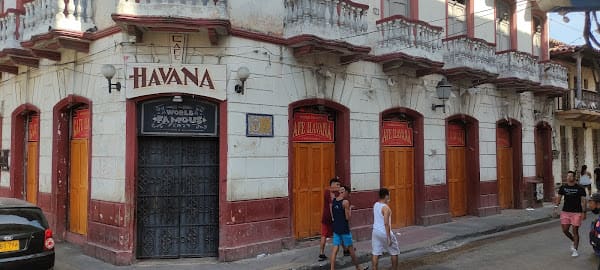
Café Havana
Legendary live salsa institution and a Cartagena pilgrimage site. Cuban-style son and salsa bands play nightly. Expect a line on weekends and a cover around 20,000 COP.
Calle de la Media Luna, corner of Calle del Guerrero
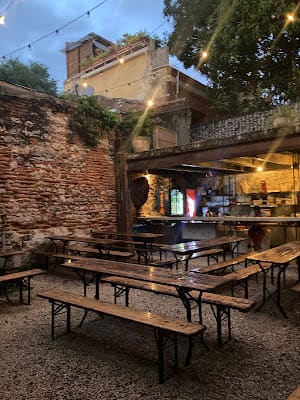
Demente
Graffiti-covered bar with cheap cocktails and a backpacker-heavy crowd. Good early-evening spot for drinks around Plaza de la Trinidad before heading elsewhere.
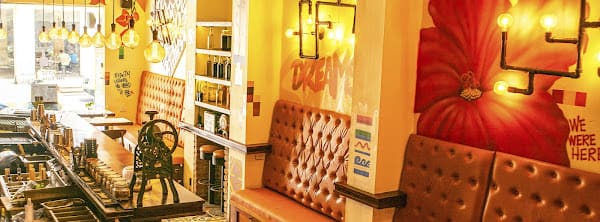
El Arsenal: The Rum Box
Rum-focused bar with an extensive Caribbean and Colombian selection. Colonial building interior with knowledgeable bartenders and a pace slower than the nearby clubs.
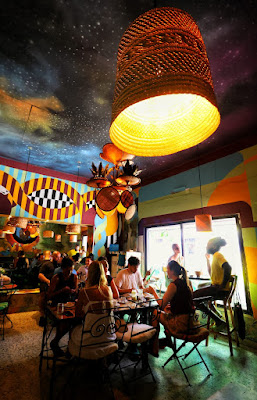
Beiyu
Asian-fusion cocktail bar bringing a different flavor to Getsemaní's scene. Moody lighting, creative drinks, and a crowd that skews toward late-20s and 30-somethings.
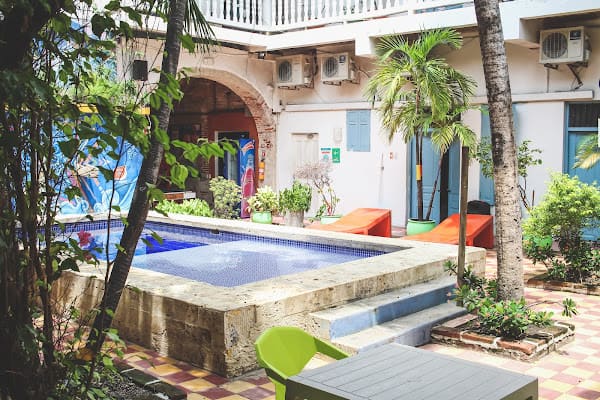
Media Luna Hostel Bar
Open-air hostel bar that doubles as one of Getsemaní's main social hubs. Cheap drinks, rotating DJs, and a reliable starting point for backpackers before a night out.
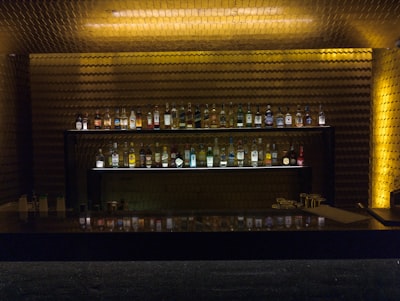
La Jugada Getsemani
Lively corner bar near Plaza de la Trinidad with reggaeton and champeta on the speakers. Cheap beers and a young crowd that spills onto the sidewalk on weekends.
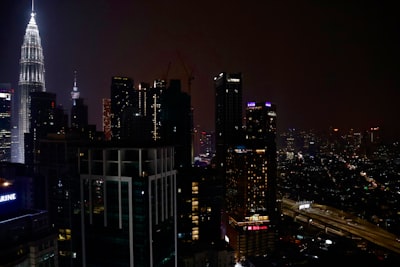
Alquimico Terraza
The open-air rooftop level of Alquimico with its own cocktail menu and views across the Getsemani rooftops. Separate entrance queue on busy nights.
Milagros
Tropical cocktail bar on Calle de la Media Luna with a colorful interior and a menu built around fresh fruit and Colombian rum. Solid option before heading to Cafe Havana next door.
Selina Rooftop
Hostel rooftop bar with pool access, DJ sets on weekends, and a backpacker social scene. Drinks are mid-range and the view of the Walled City at night is hard to beat.
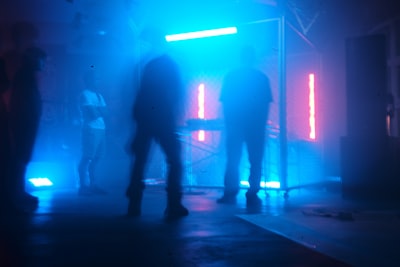
La Movida
Small dance club on the edge of Getsemani playing reggaeton, champeta, and dancehall. Low cover, strong drinks, and a sweaty dance floor that fills after 1 AM.
Overview and Location
Getsemani sits immediately south of the Walled City's walls, separated from the colonial Centro Historico by a short walk through the Clock Tower gate at Plaza de los Coches. This compact neighborhood occupies roughly ten square blocks between the city walls and Avenida del Arsenal. Plaza de la Trinidad, anchored by the Iglesia de la Santisima Trinidad, serves as the social heart of the district.
We visited every venue listed below in person.
The transformation over the past two decades has been dramatic. Getsemani was once considered one of Cartagena's rougher neighborhoods, a place locals warned tourists away from. Today it's the city's trendiest barrio, packed with boutique hostels, street art murals, cocktail bars, and Colombian restaurants. The gentrification is ongoing and contested; long-term residents face rising rents and displacement as the neighborhood draws more tourists and foreign investors. But the cultural character, working-class Caribbean and proud of it, still shows through in the music, the food, and the way people use the streets.
Legal Status
Colombia's legal framework for sex work applies in Cartagena as it does nationally. The Constitutional Court recognizes it as legitimate labor, and the city designates tolerance zones where permitted establishments can operate. Getsemani itself is not a designated tolerance zone. It's primarily a bar, restaurant, and entertainment district.
Cartagena has been more aggressive than most Colombian cities in cracking down on sex tourism, particularly in and around tourist areas. Police operations specifically targeting exploitative activity have increased in recent years. Anti-sex tourism signage is posted in English throughout Getsemani and the Old City. Foreigners seen with much younger local companions face scrutiny from both law enforcement and residents. The city government has coordinated with U.S. and international law enforcement agencies on these efforts. The message is clear: Cartagena is serious about changing its reputation.
Costs and Pricing
Getsemani sits in the middle of Cartagena's price range, cheaper than the Old City's rooftop bars and comparable to Bocagrande's mid-range venues.
Drinks. A domestic beer (Aguila, Club Colombia, Costeña) at a bar costs 8,000-12,000 COP. Craft beer runs 14,000-20,000 COP. Cocktails at standard bars cost 25,000-35,000 COP. At Alquimico, one of the best cocktail bars in Colombia, most drinks run about 40,000-45,000 COP (roughly USD 10). Street vendors around Plaza de la Trinidad sell cold beers for 3,000-5,000 COP, which is how many people start their evenings.
Cover charges. Most bars have no cover. Cafe Havana charges about 60,000 COP on weekends, which doesn't include drinks. Other clubs charge 20,000-40,000 COP on peak nights. Some venues offer free entry before a certain time or for women.
Food. Street food around the plaza costs 5,000-15,000 COP. A meal at a local restaurant runs 18,000-35,000 COP. Mid-range restaurants in Getsemani cost 40,000-70,000 COP per person. The area has several excellent Colombian and Caribbean restaurants that compete with the Walled City at lower prices.
Transport. An Uber from Bocagrande to Getsemani costs about 10,000-15,000 COP. From the airport (Rafael Nunez), expect 20,000-30,000 COP. Within the Getsemani and Old City area, most places are walkable during evening hours.
Accommodation. Getsemani has become Cartagena's hostel hub, with dorm beds starting around 40,000-60,000 COP. Budget hotels cost 150,000-250,000 COP. Boutique hotels range from 300,000-600,000 COP per night.
Street-Level Detail
Plaza de la Trinidad is where the night begins. By 7 or 8 PM, people start gathering on the church steps and the surrounding benches. Street performers set up, beer vendors circulate, and the square becomes an open-air social space. Locals, tourists, backpackers, and Cartagena's bohemian crowd mix freely. It's informal, loud, and distinctly Caribbean.
Calle de la Media Luna runs along the neighborhood's western edge and has the highest concentration of nightlife venues. Cafe Havana occupies the corner at Media Luna and Calle del Guerrero. It's Cartagena's most famous salsa venue. Live bands play Cuban and Colombian salsa to a packed room on weekends. Lines start forming around 11 PM on Fridays and Saturdays. The dance floor is small, the music is loud, and the quality of the musicians is genuinely high.
Alquimico on Calle del Colegio operates across three floors, each with a different menu and atmosphere. The ground floor is a dimly lit cocktail lounge, the second floor is more social, and the rooftop is open-air with views over the neighborhood's rooftops. It regularly appears on best-bars-in-South-America lists and the crowd reflects that, a mix of well-traveled Colombians and international visitors.
The streets between the plaza and the media luna fill with smaller bars, some with tables on the sidewalk, others with dance floors barely bigger than a living room. The general vibe is walkable and social. People move between venues easily on foot within the core blocks.
Safety
Getsemani is relatively safe within the main nightlife blocks. The streets around Plaza de la Trinidad and Calle de la Media Luna stay busy and lit until the early hours on weekends. Police patrol on foot and motorcycle. The density of bars, hostels, and restaurants means there are always people around.
The risks mirror Cartagena's broader threats. Scopolamine drugging targets tourists in nightlife settings. Don't accept drinks, cigarettes, or any item from people you've just met. Pickpocketing happens in crowded bars and on busy streets. Keep your phone in a front pocket and leave expensive items at your hotel.
The peripheral streets of Getsemani, particularly south toward Avenida del Arsenal and east toward the market area, get darker and emptier at night. Stick to the main nightlife blocks. When leaving at the end of the night, call an Uber or InDriver rather than walking to Bocagrande or the Old City, even though both are technically close.
Cultural Context
Getsemani's identity is rooted in Afro-Colombian and Caribbean working-class culture. The neighborhood was historically home to artisans, market workers, and fishermen. It played a central role in Cartagena's independence movement; the Getsemani community helped push the city toward declaring independence from Spain in 1811. That history is a source of local pride.
The gentrification wave has created tension. Rising property values and the conversion of family homes into hostels and Airbnbs have displaced long-term residents. Some Getsemani locals welcome the economic activity; others see it as erasure. Being respectful of this context matters. This is a real neighborhood with a real community, not a theme park built for tourists.
Champeta, a music genre with roots in African and Caribbean rhythms, is the local soundtrack alongside salsa and reggaeton. Dancing is expected at clubs and tolerated basically everywhere. The social atmosphere is warm, physical, and loud. Cartagena's Costeno culture is more outgoing than what you'll find in Medellin or Bogota.
Scam Warnings
The "friendly local" approach is the most common scam in Getsemani. People who approach you on the street with fluent English and an interest in becoming your guide or companion are usually working an angle. The endgame can be leading you to a bar that overcharges, getting close enough to drug you, or setting up a robbery. A polite "no, gracias" and keep walking is the right response.
Drink tampering. Scopolamine and other substances are used against tourists in bars. Never leave a drink unattended. If you step away, order a fresh one.
Overcharging. Some bars run different price lists for tourists and locals, or add phantom items to the bill. Check prices before ordering and review your receipt before paying.
Street vendor pressure. Vendors selling tours, massages, and other services can be extremely persistent around the plaza and along the main streets. A firm "no" is sufficient. Extended conversation gives them an opening to escalate.
Nearby Areas
Walled City (Centro Historico). Through the Clock Tower gate, a two-minute walk from Getsemani's northern edge. The Old City has rooftop bars, upscale restaurants, and colonial architecture. Cafe del Mar on the fortress walls is popular for sunset drinks, though cocktails run 35,000-55,000 COP. The nightlife here is more upscale and food-oriented.
Bocagrande. The modern beachfront district is about a 10-minute taxi ride south. High-rise hotels, beach clubs, and casinos give it a completely different atmosphere. Don't walk between Getsemani and Bocagrande at night; take an Uber.
San Diego. The quieter northern section of the Walled City has a more residential feel with smaller restaurants and bars. It's a pleasant contrast to the tourist intensity of the main Old City streets.
Meeting People Nearby
Getsemani's hostel scene creates a natural social environment for backpackers and budget travelers. Several hostels organize group activities, pub crawls, and day trips. Plaza de la Trinidad itself functions as an informal meeting point where conversations start easily over street beers. Walking tours of the Walled City, boat trips to Playa Blanca, and cooking classes all offer structured social opportunities. For a full overview of Cartagena's social and dating scene, see the main Cartagena city guide.
Best Times
- Friday and Saturday are peak nights; clubs don't fill until after midnight
- Thursday has decent nightlife activity at most venues
- Sunday through Wednesday is significantly quieter; some bars close Monday and Tuesday
- 10 PM - midnight: Bars at peak, pre-club drinks around the plaza
- Midnight - 3 AM: Club peak, Cafe Havana at its busiest
- December - March (dry season): Peak tourist period, maximum nightlife activity
- November 11 (Fiestas de la Independencia): Street parties throughout Getsemani and the Old City
What Not to Do
- Do not accept drinks, cigarettes, or objects from people you've just met
- Do not leave your drink unattended in any bar or club
- Do not walk between Getsemani and Bocagrande at night; use app-based transport
- Do not wander into poorly lit side streets or away from the main nightlife blocks
- Do not flash expensive phones, cameras, or jewelry
- Do not invite people you've just met to your accommodation
- Do not engage with anyone who appears underage; Cartagena police actively enforce this
- Do not resist armed robbery; comply, then report to police or call 123
Get the Legal Status PDF, 50 countries
Newsletter signup coming soon. Check back shortly.
Related Guides
Cartagena Overview
City guide to adult nightlife in Cartagena, covering key areas, safety warnings, scam awareness, and practical advice.
Read guideBocagrande
Guide to Bocagrande, Cartagena's modern beachfront district with hotels, clubs, casinos, and nightlife safety advice.
Read guideCentro Historico
District guide to Cartagena's Walled City, covering rooftop bars, cocktail lounges, nightlife, safety tips, and cultural context.
Read guideFrequently Asked Questions
Was this guide helpful?