Centro Historico
Semi-Legal3/5ModerateDistrict guide to Cartagena's Walled City, covering rooftop bars, cocktail lounges, nightlife, safety tips, and cultural context.

Where to stay near Centro Historico
Hotels walking distance from the venues on this page.
See places to stay and current pricesBest Nightlife Spots in the Area
Popular clubs, bars, and venues nearby
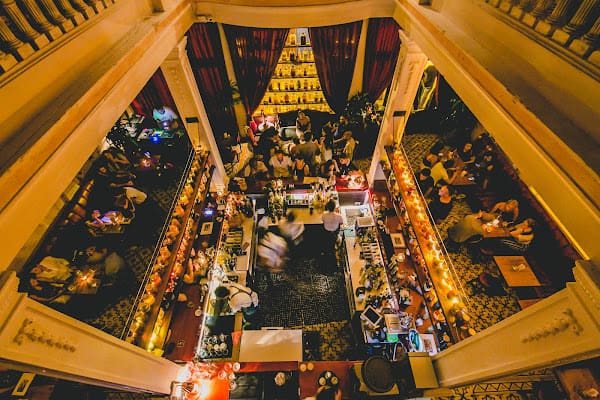
Alquímico
Three-story cocktail bar consistently ranked among Latin America's best. Ground floor speakeasy, mid-level bar, and open-air rooftop terrace. Cocktails run 35,000 to 55,000 COP.
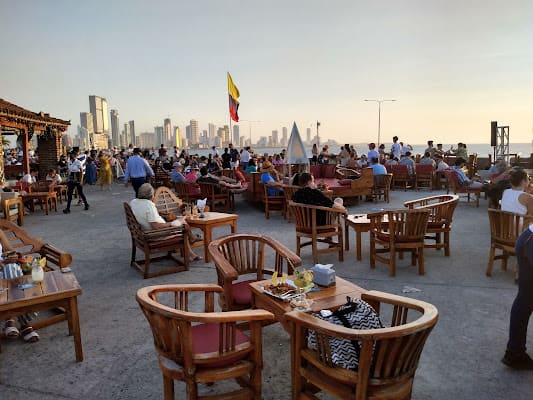
Café del Mar
Iconic sunset spot perched on the old city walls near Baluarte de Santo Domingo. DJ sets start at dusk. Drinks are overpriced, but you're paying for the Caribbean panorama.
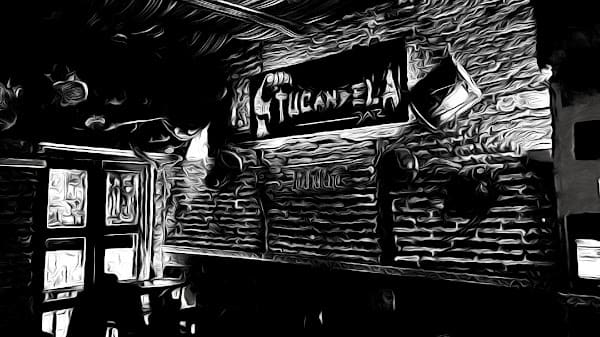
Tu Candela
Main dance club in the walled city playing reggaeton, salsa, and champeta. Packs out after 1 AM on weekends with a mostly local and Latin tourist crowd.
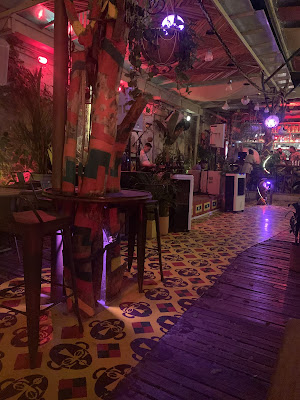
Bazurto Social Club
Live champeta, salsa, and Afro-Caribbean music most nights. Small, sweaty dance floor with authentic local energy. One of the best spots to hear real Cartagena street music.
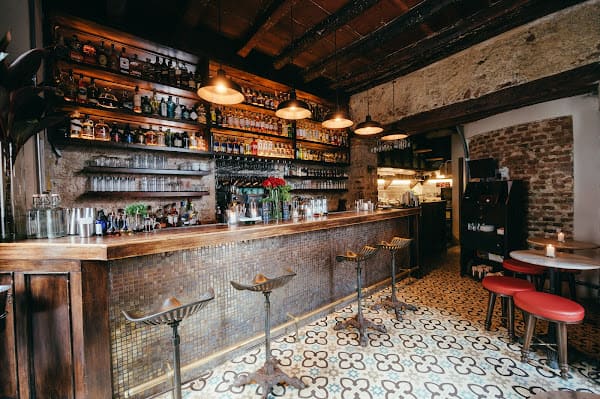
El Barón
Refined cocktail bar on Plaza de San Pedro Claver. Colombian-inspired craft cocktails, knowledgeable bartenders, and a polished atmosphere that stands apart from most walled city bars.
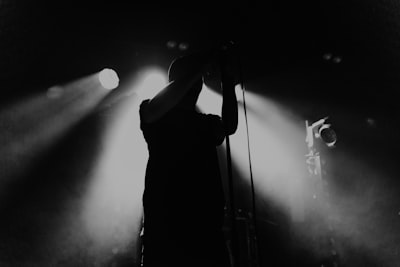
Donde Fidel
Legendary salsa bar near the Clock Tower playing classic vinyl records since the 1990s. No cover most nights, cheap drinks, and a packed dance floor on weekends.
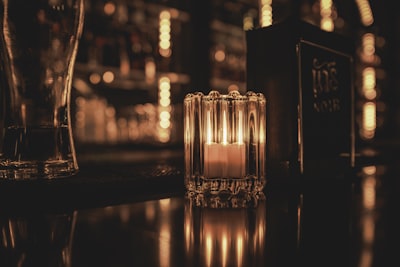
Carmen
Upscale restaurant and cocktail bar in a restored colonial building on Calle del Santisimo. The bar area serves creative cocktails until midnight with a refined, candlelit atmosphere.
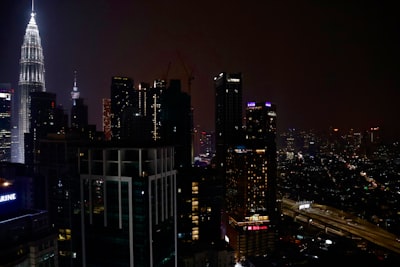
Hotel Movich Rooftop
Open-to-the-public rooftop bar atop Hotel Movich with some of the best Old City views. Cocktails and light bites with a laid-back vibe that draws sunset crowds.
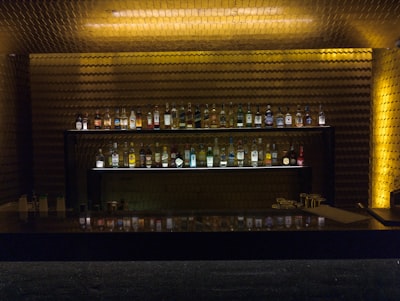
La Cevicheria
Famous for its ceviche, this spot also runs a busy bar scene in the evenings. Casual atmosphere on a corner near Santo Domingo with cocktails and cold beer.
El Coro Lounge
Cocktail lounge inside the Sofitel Santa Clara hotel, set in a converted convent. The setting is dramatic, with stone arches and candlelight, and the cocktail list leans toward rum and tropical flavors.
Overview and Location
Centro Historico is the old Walled City at the heart of Cartagena de Indias. Built by the Spanish starting in the 16th century and fortified against pirate raids, the colonial core is now a UNESCO World Heritage Site and the most photographed neighborhood in Colombia. Within these stone walls you'll find cobblestone streets, brightly painted colonial buildings, churches, plazas, and a concentration of upscale bars, restaurants, and boutique hotels that make it the most refined nightlife zone in the city.
Prices confirmed through direct visits in February 2026.
The Walled City sits on a peninsula bounded by water on three sides and the Getsemani neighborhood to the south. It's compact and walkable, roughly 1.5 kilometers from end to end. The main nightlife activity concentrates around Plaza Santo Domingo, Plaza de los Coches, and the streets connecting them. The fortress walls themselves host one of Cartagena's signature experiences: sunset cocktails looking out over the Caribbean.
Legal Status
Colombia recognizes sex work as legitimate labor for adults over 18. The Walled City is not a tolerance zone, and the city government has been aggressive about keeping visible sex tourism out of Centro Historico. Anti-sex tourism signs are posted in English throughout the area, police operations target exploitative behavior, and foreigners seen with much younger Colombian companions draw scrutiny.
The nightlife here is conventional: cocktail bars, rooftop lounges, restaurants, and occasional live music venues. There are no visible adult entertainment establishments within the walls. The government's stated goal is to protect the UNESCO heritage site and the city's tourism reputation, and enforcement reflects that priority.
Costs and Pricing
Centro Historico is Cartagena's most expensive neighborhood for food and drink. Expect to pay a premium for the colonial atmosphere and rooftop views.
Cocktails at rooftop bars cost 30,000-55,000 COP (roughly USD 7-14). A beer at a plaza bar runs 10,000-18,000 COP. Wine by the glass starts around 25,000 COP. At a place like Alquimico, creative cocktails run 35,000-50,000 COP each.
Dinner at a mid-range restaurant costs 60,000-120,000 COP per person. Fine dining options push past 150,000-250,000 COP. Most restaurants add a 10% service charge (propina sugerida) to the bill. Street food vendors near Plaza de los Coches offer arepas and empanadas for 3,000-8,000 COP.
Cover charges are uncommon at bars within the walls. Some venues have minimum spend requirements on busy nights. Cafe Havana in nearby Getsemani charges 40,000-50,000 COP cover on weekends.
Boutique hotels in the Walled City start around 350,000 COP per night for basic options and climb quickly to 800,000+ COP for restored colonial properties. During high season (December through March), prices can double.
Street-Level Detail
Plaza Santo Domingo is the social center of the Walled City at night. Restaurant tables spread across the plaza, and the surrounding blocks have cocktail bars and lounges. The atmosphere is relaxed, conversational, and well-lit. It's a good starting point for an evening and the most tourist-friendly zone within the walls.
The fortress walls (Las Murallas) host Cafe del Mar, the city's most famous sunset bar. Perched on the old bastion overlooking the Caribbean, it fills up fast in the late afternoon. Drinks run 35,000-55,000 COP, and space is limited. Arriving before 5 PM on weekends is recommended. Other rooftop bars along and near the walls offer similar views with less crowd pressure.
Alquimico on Calle del Colegio is a multi-story cocktail bar that made the World's 50 Best Bars list. Each floor has a different atmosphere, from a ground-floor tavern to a rooftop terrace. The cocktails are rum-forward, creative, and well-executed. Lines form on weekend evenings after 9 PM.
Hotel rooftop bars are open to the public at several properties. Hotel Movich's rooftop has some of the best views in the city and only requires a drink purchase. The Santa Clara and Townhouse also have rooftop options with cocktails and appetizers. These are good alternatives to Cafe del Mar when it's at capacity.
Plaza de los Coches near the Clock Tower entrance is busier and more commercial. Street vendors, tour operators, and candy sellers create a constant buzz. The bars here tend to be more casual and slightly cheaper than those around Santo Domingo.
Donde Fidel near the Clock Tower is a legendary salsa bar that's been running for over three decades. It's loud, unpretentious, and packed on weekends with both tourists and locals dancing to classic salsa records. No cover charge most nights, and drinks are reasonably priced for the area.
The quieter streets between the main plazas have smaller bars and restaurants tucked into colonial buildings. These tend to be less crowded and sometimes offer better value. Exploring the back streets during early evening is safe and rewarding, though stick to main routes after midnight.
Safety
The Walled City is one of the more secure areas in Cartagena, with visible police patrols and security cameras at main intersections. But it's not risk-free.
Scopolamine drugging happens within the Walled City. The same warnings that apply across Cartagena apply here. Don't accept drinks, cigarettes, food, or any object from people you don't know well. Victims are incapacitated, robbed of everything, and typically have no memory of the event. This drug can be applied to paper, blown as powder, or slipped into beverages.
- Stay on well-lit main streets after midnight. Quiet side streets within the walls can be poorly lit and isolated
- Use Uber, InDriver, or Didi to leave the Walled City at night. Don't walk to Getsemani or Bocagrande after dark
- Watch your belongings in crowded plazas. Pickpocketing is the most common crime here
- Phone snatching happens, particularly on quieter streets. Keep your phone in a pocket rather than your hand
- Don't engage with persistent street vendors after dark. Some use the interaction as a distraction while an accomplice works your pockets
- Check your restaurant and bar bills carefully. Tourist pricing and added charges are common
Cultural Context
The Walled City nightlife is more sophisticated and lower-key than Getsemani's street party atmosphere or Bocagrande's hotel club scene. Evenings here tend to follow a pattern: sunset drinks on a rooftop or the walls, dinner at a colonial restaurant, then cocktails at a bar until midnight or 1 AM. Very few people are dancing on tables here. The vibe is conversational, couples-friendly, and upscale.
Cartagena's Costeno culture is Caribbean, warm, and festive. People dress well for evening outings in the Walled City. Smart casual is appropriate for most bars and restaurants. Some upscale venues enforce a dress code on weekends.
Spanish helps but is less critical here than in Laureles or Getsemani. Many bartenders and restaurant staff in Centro Historico speak functional English. Menus are often bilingual. That said, speaking Spanish always gets you better service and friendlier interactions.
The colonial architecture itself is part of the experience. Many bars and restaurants occupy restored 16th and 17th century buildings with interior courtyards, stone walls, and wooden balconies. The setting adds a dimension that you won't get from a beachfront bar in Bocagrande.
Scam Warnings
"Free" offers on the street are never free. Street vendors offering hats, bracelets, massages, or photo opportunities without asking for money upfront will demand aggressive payment afterward. A firm "no, gracias" before any interaction begins is the safest approach. Don't let anyone put anything on your wrist or head.
Overcharging in restaurants and bars: Some establishments run different price lists for tourists and locals, or add unexpected items to bills. Always check prices before ordering and review the bill line by line. The 10% service charge is standard, but check that it hasn't been added twice.
Fake tour guides: Unlicensed individuals approach tourists on plazas offering walking tours, boat trips, or city guides. Many are legitimate, but some are overpriced or unreliable. Book through your hotel or a licensed agency listed on the tourism board's website.
The friendly stranger: People who approach with perfect English and a strong desire to show you around are often working toward a scam. The endgame could be leading you to an overpriced restaurant, a location where you'll be robbed, or gaining trust to drug you later.
Taxi overcharging: Taxis from the Clock Tower and Plaza Santo Domingo quote inflated prices to tourists. Use ride-hailing apps instead, or negotiate a price before getting in. The ride to Getsemani should cost no more than 8,000-10,000 COP.
Nearby Areas
Getsemani is directly south of the Walled City, just outside the walls. It's the trendier, more energetic nightlife zone with street parties around Plaza de la Trinidad, backpacker hostels, and bars like Cafe Havana. A 5-minute walk from the Clock Tower.
Bocagrande is the modern beachfront district to the south. Hotels, beach clubs, and established entertainment venues. A 10-15 minute Uber ride from Centro Historico.
San Diego is the quieter northeastern quarter within the Walled City itself. More residential and less commercial than the area around Santo Domingo. Good for finding smaller, less crowded bars.
Meeting People Nearby
The Walled City's rooftop bars and plaza restaurants create natural social environments. Travelers tend to cluster at the same well-known spots, making conversation easy. For a more local experience, Getsemani's hostels and Plaza de la Trinidad are better bets. Walking tours of the Walled City, cooking classes, and day trips to the Rosario Islands all create organic opportunities to meet other visitors. For a full overview of Cartagena's social and dating scene, see the main Cartagena city guide.
Best Times
- 5 PM to 7 PM: Sunset on the fortress walls or a rooftop bar. This is the signature Centro Historico experience
- 8 PM to 10 PM: Prime dinner hours. Reservations recommended at popular restaurants on weekends
- 10 PM to 1 AM: Bar and cocktail lounge peak hours. The streets between plazas are most alive
- December through March: Dry season and peak tourist period. Expect higher prices and larger crowds
- November 11th (Independence Day celebrations): The city's biggest festival. Street parties spread from Getsemani into the Walled City. Intense but memorable
- Weekdays are significantly quieter than weekends. Tuesday and Wednesday are the slowest nights
What Not to Do
- Do not accept drinks, food, cigarettes, or objects from strangers or new acquaintances
- Do not walk alone on quiet side streets within the walls after midnight
- Do not leave drinks unattended at any bar
- Do not walk between the Walled City and Getsemani or Bocagrande after dark. Use ride-hailing apps
- Do not let street vendors put items on you (hats, bracelets, sunglasses) without agreeing to a price first
- Do not carry expensive cameras, watches, or jewelry openly in crowds
- Do not resist if robbed. Comply and report to police afterward
- Do not engage with anyone who appears underage. Cartagena law enforcement actively targets this, and the Colombian legal system imposes severe penalties
- Do not assume the colonial charm means the risks are lower. Stay alert, even in the most beautiful plaza
Get the Legal Status PDF, 50 countries
Newsletter signup coming soon. Check back shortly.
Frequently Asked Questions
Related Guides
Cartagena Overview
City guide to adult nightlife in Cartagena, covering key areas, safety warnings, scam awareness, and practical advice.
Read guideBocagrande
Guide to Bocagrande, Cartagena's modern beachfront district with hotels, clubs, casinos, and nightlife safety advice.
Read guideGetsemani
Guide to Getsemani, Cartagena's trendiest nightlife neighborhood with bars, clubs, and safety tips around Plaza de la Trinidad.
Read guideWas this guide helpful?