Bocagrande
Semi-Legal3/5ModerateGuide to Bocagrande, Cartagena's modern beachfront district with hotels, clubs, casinos, and nightlife safety advice.

Where to stay near Bocagrande
Hotels walking distance from the venues on this page.
See places to stay and current pricesPlaces to Drink and Dance
The places locals and visitors recommend
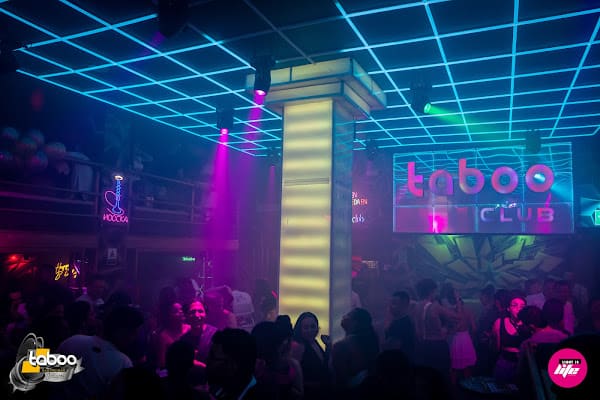
Taboo Discotek
Large multi-room nightclub playing reggaeton, crossover, and electronic. Draws a mixed tourist and local crowd, busiest Thursday through Saturday after midnight.
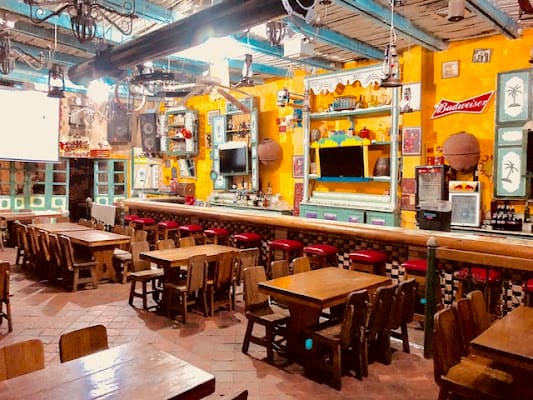
Mr. Babilla
Loud party bar popular with younger locals and tourists. Affordable drinks and a rowdy atmosphere that doesn't get going until well past midnight.
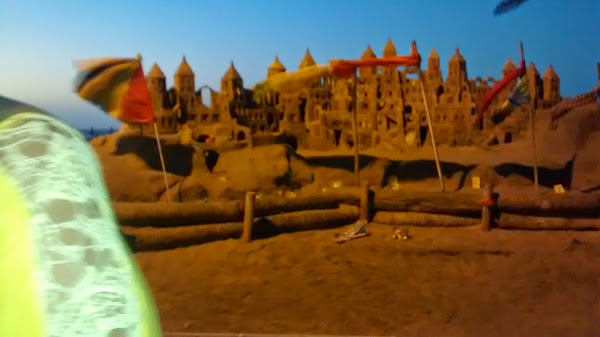
La Escollera
Waterfront lounge near the Bocagrande marina with sunset views and cocktails. Calmer early evening, transitions to DJ sets on weekend nights.
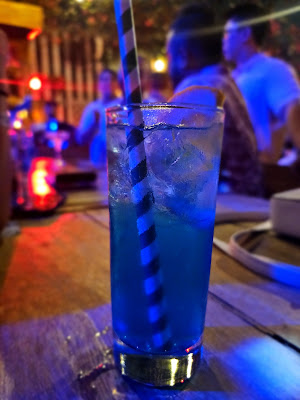
Eivissa Beach Club
Ibiza-inspired beach club and nightlife venue with pool parties and bottle service. Caters to the resort crowd and charges accordingly.
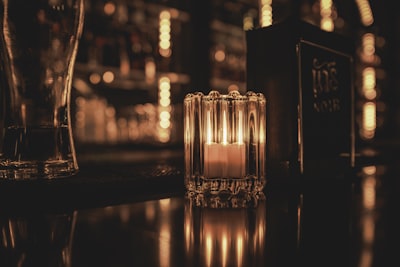
Casino Rio
Bocagrande's largest casino with table games, hundreds of slots, and a full bar. The attached lounge hosts live entertainment on weekends. Bring ID for entry.
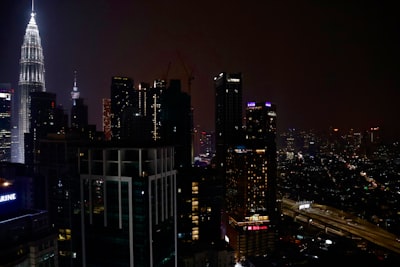
51 Sky Bar
Perched on the 51st floor with panoramic views of the Caribbean, the bay, and the Old City skyline. Cocktails start at 40,000 COP and reservations are recommended for weekends.
7 Cielos
Relaxed rooftop bar with Old City views and a less pretentious atmosphere than the high-rise spots. Sunset cocktails and tapas draw a mixed crowd of tourists and Colombian visitors.

Onde
Electronic music club on Avenida San Martin drawing a younger crowd with local and visiting DJs. Dark interior, decent sound system, and bottle service tables along the walls.
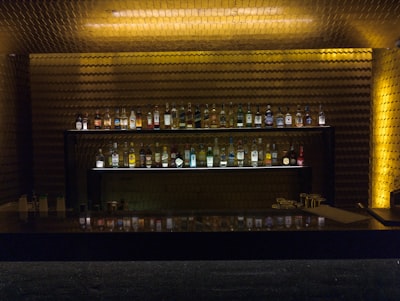
La Jugada Sports Bar
Sports bar on the main avenue with big screens and cold beer. Match nights bring a loud Colombian crowd and the kitchen serves pub food until late.
Overview and Location
Bocagrande is a narrow peninsula extending southwest from Cartagena's Old City, separating the Caribbean Sea from the Bahia de Cartagena. It's the city's modern district, visually and culturally distinct from the colonial architecture of the Walled City and the bohemian streets of Getsemani. High-rise hotels, apartment towers, and commercial buildings line the peninsula. Avenida San Martin runs its length and serves as the main commercial strip.
Venue details verified through on-site research.
The beach runs along the Caribbean side of the peninsula, backed by a promenade and hotels. During the day, beach chairs and vendors fill the sand. At night, the activity shifts to Avenida San Martin and the hotel bars, rooftop lounges, and clubs scattered along the strip. Bocagrande attracts a wealthier, more international crowd than Getsemani, including business travelers, vacationing Colombians from Bogota and Medellin, and tourists staying at the resort hotels.
Legal Status
The same national framework applies here as across Colombia. Sex work is legal for adults over 18, with the Constitutional Court recognizing it as legitimate labor. Cartagena designates tolerance zones, but Bocagrande is not one of them. It's a hotel, commercial, and residential district.
Street-level solicitation is more visible in Bocagrande than in other tourist areas of Cartagena. Along the main avenues after dark, you'll encounter direct approaches that are uncommon in the Old City or Getsemani. This visibility has made Bocagrande a focus of the city's anti-sex tourism enforcement. Police operations target the street-level activity, and hotels may question guests bringing unregistered visitors to rooms. The city government has been clear about wanting to change Bocagrande's nighttime reputation, and enforcement reflects that priority.
Costs and Pricing
Bocagrande is Cartagena's most expensive nightlife district. Prices reflect the hotel infrastructure, the beachfront location, and the wealthier clientele.
Drinks. A domestic beer at a hotel bar costs 10,000-15,000 COP. At a rooftop bar like 51 Sky Bar, expect 15,000-25,000 COP. Cocktails at standard bars run 30,000-40,000 COP. Rooftop and hotel bar cocktails cost 40,000-55,000 COP. A bottle of rum or aguardiente at a club goes for 180,000-280,000 COP.
Cover charges. Clubs charge 30,000-60,000 COP depending on the night and venue. Some hotel bars have no cover. Beach clubs operating during the day may charge a minimum consumption of 50,000-80,000 COP.
Food. Casual dining runs 30,000-50,000 COP per person. Hotel restaurants cost 60,000-120,000 COP for a meal. The beachfront restaurants and the Avenida San Martin strip have options at every price point, but budget options are fewer here than in Getsemani.
Casinos. Casino Rio is the most established gaming venue, with table games, slots, and occasional live entertainment. Minimum table bets start around 10,000-20,000 COP. Slots accept smaller amounts. There's no charge to enter, but you'll need identification (passport or a copy).
Hotels. Bocagrande's accommodation ranges from budget hotels at 180,000-250,000 COP per night to four and five-star hotels at 500,000-1,200,000 COP. The Estelar, Hotel Cartagena Plaza, and several international chains anchor the upper end.
Transport. An Uber from Bocagrande to Getsemani costs about 10,000-15,000 COP. To the airport, expect 15,000-25,000 COP. Within Bocagrande, many venues are walkable along Avenida San Martin during the evening, but use app-based transport after midnight.
Street-Level Detail
Avenida San Martin is the spine of Bocagrande's nightlife. The avenue runs roughly north-south along the peninsula, with hotels and commercial buildings on both sides. Restaurants, bars, and small shops occupy the ground floors. The foot traffic picks up after sunset, with a mix of hotel guests, local families out for dinner, and nightlife crowds heading to venues.
51 Sky Bar sits on the 51st floor of a tower on Carrera 2, off the main avenue. It's the most dramatic venue in Bocagrande, with panoramic views over the city, the bay, and the Caribbean. Drinks are expensive and reservations are recommended on weekends. Live music plays on some nights.
7 Cielos is a rooftop bar with a more relaxed atmosphere and views of the Old City skyline. It's popular for sunset cocktails and draws a mix of tourists and Colombian visitors.
Casino Rio occupies a prominent spot on the strip and is the area's main gaming venue. The atmosphere is casual by international casino standards. Table games include blackjack and poker, and the slot floor runs into the hundreds of machines. The crowd is a mix of Colombian vacationers and international tourists.
The beach side of the peninsula transforms after dark. This is where street-level solicitation becomes most visible. Individuals approach tourists walking along the beachfront and the adjacent streets. Some are independent; others work with touts or in coordination with specific venues. The beach itself is dark and unmonitored at night, making it a high-risk area.
Safety
Bocagrande's main avenues feel safe during the evening, with hotel security, commercial lighting, and steady foot traffic. The area has a more polished feel than Getsemani or the outer streets of the Old City. But the risks are real and specific.
The beach and beachfront promenade become dangerous after dark. Armed robberies have occurred on the beach at night, and the lack of lighting makes it an easy environment for crime. Don't walk along the beach after sunset, even if it seems like a short distance between venues. Stick to Avenida San Martin and well-lit commercial streets.
Scopolamine drugging occurs here as it does across Cartagena's nightlife areas. The pattern is consistent: a friendly approach, an offered drink or cigarette, then incapacitation and robbery. The more transactional nature of Bocagrande's street scene can actually make this risk higher, since interactions with strangers are more common. Never accept anything from someone you don't know.
Pickpocketing targets tourists on busy street corners and in crowded venues. Hotel lobbies and restaurants are generally secure.
Cultural Context
Bocagrande represents modern Cartagena, the version the city is building alongside its colonial heritage. The peninsula was developed in the mid-20th century as a resort and residential area, and the high-rise skyline looks more like Miami Beach than the Walled City a few kilometers north. The cultural atmosphere reflects this: more international, more commercial, less rooted in Cartagena's Afro-Colombian and Caribbean traditions.
The crowd is different from Getsemani's backpacker and bohemian mix. Bocagrande draws wealthier Colombian vacationers, particularly families and groups from Bogota and Medellin who come for beach weekends. International business travelers stay at the chain hotels. The nightlife skews older and more moneyed than the hostel scene of Getsemani.
Beach vendor culture is intense here. During the day, vendors patrol the sand selling massages, fruit, jewelry, tours, and just about everything else. Persistence varies from friendly to aggressive. A clear "no, gracias" is the standard response. Don't engage in extended conversation if you're not interested, because that's read as an opening to negotiate.
Scam Warnings
Beach-area robbery after dark is the most serious physical risk in Bocagrande. The beach is unlit and unpatrolled at night. Victims have been robbed at knifepoint on the sand and along the darker sections of the promenade. Do not walk on or near the beach after sunset, regardless of how short the distance.
Street-level bait and rob. Individuals who approach tourists on the avenues after dark may be working with accomplices. The approach leads to a secondary location, a dark street, a parked car, or a quiet stretch, where robbery or drugging occurs. If someone approaches you unsolicited, keep walking.
Overcharging at restaurants. Some beachfront restaurants and bars run inflated pricing for tourists. Menus may not show prices, or a different menu appears for foreign faces. Always confirm prices before ordering.
Vendor scams. Beach vendors may quote prices in dollars, use confusion over exchange rates, or add services you didn't agree to. Agree on a price in COP before any transaction. Some vendors use physical interaction, like a massage pitch, as an opportunity for pickpocketing.
Taxi overcharging. Unlicensed drivers around hotel entrances may charge three to five times the app-based rate. Use Uber, InDriver, or Didi exclusively at night.
Nearby Areas
Walled City (Centro Historico). The colonial Old City is about 10 minutes north by taxi. Rooftop bars, upscale dining, and Cartagena's most photogenic streets. The nightlife is more food and cocktail-oriented than club-driven.
Getsemani. Cartagena's trendiest nightlife neighborhood is adjacent to the Walled City, about 10-15 minutes from Bocagrande by car. Bars, live salsa, and a more bohemian atmosphere at lower prices.
Castillogrande. The quieter residential tip of the peninsula beyond Bocagrande. A few restaurants and beach access, but minimal nightlife.
Islas del Rosario. The island chain off the coast is accessible by boat from the nearby port area. Day trips to beach clubs and island hotels are popular, though most nightlife happens back on the mainland.
Meeting People Nearby
Bocagrande's hotel bars and beach clubs create a more transactional social environment than Getsemani's organic street scene. For genuine social interaction, the daytime beach culture provides natural conversation starters. Hotel pools and fitness centers bring together fellow travelers. Organized boat trips to the Rosario Islands, which depart from nearby, mix groups of tourists for day-long excursions. The hotel concierge at most Bocagrande properties can arrange group tours and activities. For a full overview of Cartagena's social and dating scene, see the main Cartagena city guide.
Best Times
- Friday and Saturday are peak nightlife nights
- Thursday sees moderate activity at most venues
- Sunset hours (5-7 PM): Prime time for rooftop bars and beach clubs
- 10 PM - midnight: Hotel bars and restaurants at peak
- Midnight - 3 AM: Clubs and late-night venues at full capacity
- December - March (dry season): Maximum tourist numbers and nightlife activity
- Sunday through Wednesday: Quieter, though hotel bars maintain steady traffic
What Not to Do
- Do not walk on or near the beach after dark under any circumstances
- Do not accept drinks, cigarettes, or objects from people you've just met
- Do not wander off Avenida San Martin into poorly lit side streets at night
- Do not invite people you don't know to your hotel room
- Do not carry more cash than you plan to spend that evening
- Do not engage with persistent street vendors beyond a simple "no, gracias"
- Do not use unlicensed taxis from hotel entrances; insist on app-based transport at night
- Do not engage with anyone who appears underage; Cartagena police enforce this aggressively
Get the Legal Status PDF, 50 countries
Newsletter signup coming soon. Check back shortly.
Frequently Asked Questions
Related Guides
Cartagena Overview
City guide to adult nightlife in Cartagena, covering key areas, safety warnings, scam awareness, and practical advice.
Read guideCentro Historico
District guide to Cartagena's Walled City, covering rooftop bars, cocktail lounges, nightlife, safety tips, and cultural context.
Read guideGetsemani
Guide to Getsemani, Cartagena's trendiest nightlife neighborhood with bars, clubs, and safety tips around Plaza de la Trinidad.
Read guideWas this guide helpful?