San Telmo
Semi-Legal3/5ModerateDistrict guide to San Telmo in Buenos Aires, the old bohemian quarter known for tango, antique markets, and atmospheric nightlife.

Where to stay near San Telmo
Hotels walking distance from the venues on this page.
See places to stay and current pricesBest Nightlife Spots in the Area
Popular clubs, bars, and venues nearby
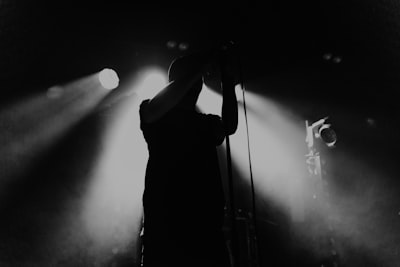
Bar Sur
Tiny, atmospheric tango bar where musicians and dancers perform just a few feet from your table. Operating since 1967, it feels like stepping into old Buenos Aires.
Estados Unidos 299
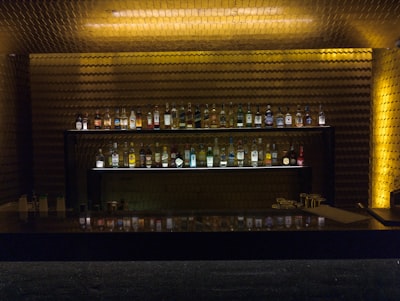
Doppelgänger
Dimly lit cocktail bar with inventive drinks and a speakeasy feel. The bartenders are serious about their craft and the crowd skews late-twenties to forties.
Gibraltar
British-style pub that's become a fixture of San Telmo's expat scene. Pool table, decent pub food, and a reliable spot to watch international football matches.
Perú 895
La Puerta Roja
Speakeasy-style bar hidden behind an unmarked red door on a residential street. Ring the bell to enter; inside you'll find a relaxed crowd and well-made cocktails at reasonable prices.
Chacabuco 733
El Viejo Almacén
One of Buenos Aires' most storied tango venues, running since 1969 in a colonial-era building. The nightly show features professional dancers and a live orchestra.
Av. Independencia 299
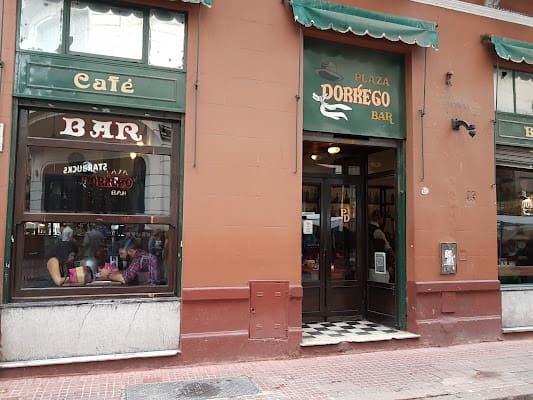
Bar Plaza Dorrego
Historic corner bar overlooking Plaza Dorrego, open since the 1880s. Tango plays in the background and waiters serve across a black-and-white checkered floor. A must-visit on Sunday market days.
Defensa 1098, Buenos Aires, Argentina
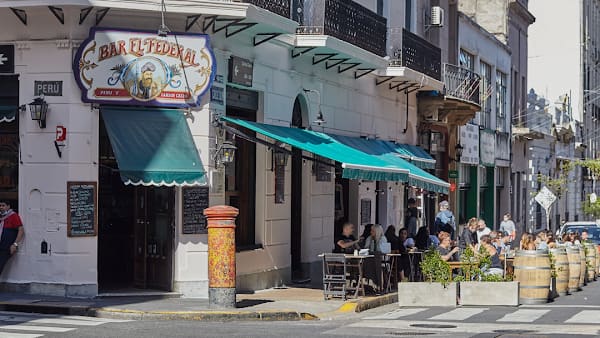
El Federal
Bar Notable dating to 1864, originally a pulpería. The carved wooden bar with stained glass and a clock above is one of the most photographed in San Telmo. Reasonable prices and traditional Argentine snacks.
Carlos Calvo 599, Buenos Aires, Argentina
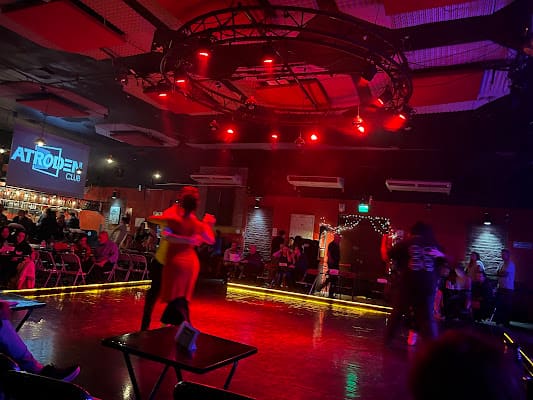
Maldita Milonga
Authentic milonga at the Buenos Aires Club. Wednesday and Sunday nights feature a beginner class followed by social dancing with live tango orchestra El Afronte. Welcoming to newcomers.
Perú 571, Buenos Aires, Argentina
La Cumparsita Tango Bar
Local-favorite tango bar tucked on a Chile street corner, named for the famous tango composition. Thursday through Saturday nights with sensual dancing and resident singers. Less polished than the dinner shows.
Chile 302, Buenos Aires, Argentina
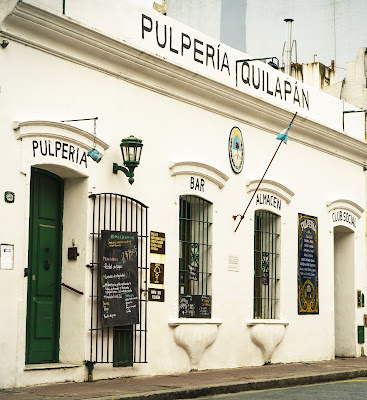
Pulpería Quilapán
Restored colonial pulpería with two interior patios, a cultural space, and a small grocery section. The courtyard is one of the quietest spots in San Telmo for a long conversation over wine.
Defensa 1344, Buenos Aires, Argentina
Overview and Location
San Telmo is Buenos Aires' oldest residential neighborhood, a grid of cobblestone streets running south from Avenida Independencia to Parque Lezama. The barrio dates to the colonial era, and its architecture tells that history. Crumbling facades sit next to restored mansions. Antique shops fill former merchant houses. Ornate ironwork balconies hang over narrow sidewalks where tango performers practice their steps.
Venue details verified through on-site research.
The neighborhood's character is deliberately rough around the edges. Where Palermo is sleek and Recoleta is polished, San Telmo trades on atmosphere. It's the city's tango epicenter, a place where milongas operate in converted warehouses and century-old bars serve drinks at wooden counters worn smooth by decades of use. The Sunday antiques market on Defensa Street draws thousands of people and has become a social event as much as a shopping one.
San Telmo is walkable from the city center and connects via Subte Line C (San Juan station) and Line E (Independencia station). At night, ride-hailing apps are the recommended way to get home.
Legal Status
San Telmo falls under the same dual legal framework as the rest of Buenos Aires. Federal law doesn't criminalize individual sex work, but the city's contravention code restricts public solicitation, and federal anti-trafficking laws (Law 26.364, amended by Law 26.842) target anyone who organizes or profits from another person's sex work.
The neighborhood's bohemian reputation and older building stock mean some gray-area activity is more discreet here than in flashier neighborhoods. Police enforcement in San Telmo historically focuses on street-level public order, particularly around the Sunday market and in response to noise complaints from residents. The approach is cyclical rather than consistent.
Costs and Pricing
San Telmo is cheaper than Recoleta and comparable to Palermo for most nightlife spending. Argentina's weak peso means the entire area is affordable for visitors carrying USD or EUR.
Drinks: A beer at a neighborhood bar costs 2,000-4,000 ARS. Cocktails at casual bars run 3,000-6,000 ARS. Wine by the glass costs 2,500-5,000 ARS. At more upscale cocktail spots, expect to pay 6,000-10,000 ARS per drink.
Tango shows and milongas: Tourist-oriented tango dinner shows in San Telmo range from 47,000 ARS (show only) to 130,000-300,000 ARS (dinner and show packages). Authentic milongas are far cheaper. Entry to a milonga typically costs 3,000-8,000 ARS, sometimes including a drink. Beginner classes before the social dance usually cost an additional 2,000-5,000 ARS. Some milongas operate on a pay-what-you-can model.
Food: San Telmo has great value dining. Empanadas cost 800-1,500 ARS each. A full meal at a neighborhood restaurant runs 8,000-18,000 ARS per person. The Sunday market has street food vendors selling choripan, lomitos, and local snacks for 2,000-4,000 ARS.
Transport: Ride-hailing from San Telmo to Palermo or Recoleta costs a few dollars. The Subte is even cheaper but stops running well before nightlife peaks.
Street-Level Detail
Defensa Street is San Telmo's spine. Running north-south through the neighborhood, it transforms every Sunday into the Feria de San Telmo, an open-air market stretching from Avenida Independencia down to Parque Lezama. Hundreds of vendors sell antiques, vintage clothing, leather goods, and handmade crafts. Street musicians and tango dancers perform on side streets. The crowd is a mix of tourists and Portenos, and the atmosphere is more street festival than market.
Plaza Dorrego, at Defensa and Humberto Primo, is the neighborhood's social center. Bar Plaza Dorrego (Defensa 1098) has been pouring drinks since 1881 and still has much of its original decor. The tables here fill with a mix of market visitors during the day and a more local crowd at night. On Sunday evenings, the plaza itself becomes an outdoor milonga, the Milonga del Indio, where dancers of all levels take to the cobblestones as the market vendors pack up.
Maldita Milonga (Peru 571) is one of San Telmo's best-known tango venues. It's an intimate, dimly lit space with character, good live bands, and a welcoming attitude toward beginners. The atmosphere is authentic rather than tourist-packaged. Most milongas start with a group class at 8 or 9 PM, then open the floor for social dancing that runs until the early hours.
Bar Sur (Estados Unidos 299) has been running tango shows since 1967, making it the oldest tango house in San Telmo. The space is tiny and the performers are close enough to touch. It's a very different experience from the large dinner-show venues.
Further south toward Parque Lezama, the streets get quieter. There are a few bars and restaurants with local character, but the lighting drops off and foot traffic thins. This is where you want to be more cautious after dark.
The neighborhood's live music scene goes beyond tango. Small venues along Bolivar, Peru, and the streets between Independencia and San Juan host rock, jazz, and folk acts on weekend nights. These places rarely charge more than a few thousand pesos at the door.
Safety
San Telmo requires more awareness than Palermo or Recoleta. The main streets, especially Defensa and the blocks around Plaza Dorrego, are reasonably safe on evenings when bars are active and foot traffic is heavy. But San Telmo has pockets that empty out after dark, particularly south of Plaza Dorrego and along the side streets east of Defensa toward the waterfront.
Phone snatching by motochorros happens here, just as it does across Buenos Aires. Pickpocketing is common at the Sunday market, where dense crowds and distracted shoppers create easy opportunities for thieves. Bag slashing occurs too. Use a crossbody bag worn in front, and leave anything you don't need at the hotel.
Don't walk south of Avenida Caseros after dark unless you know exactly where you're going. The streets between San Telmo and La Boca are poorly lit and can be deserted at night. La Boca itself should be avoided entirely after dark.
Use Uber, Cabify, or Didi to get home. If you're at a milonga or bar without good phone reception for ride-hailing, ask the venue staff to call a radio taxi from a trusted company.
Cultural Context
San Telmo is where Buenos Aires' tango tradition lives most authentically. The milongas here aren't tourist shows; they're social gatherings where locals have been dancing for decades. Understanding a few conventions will help you fit in.
Milongas follow a protocol called the cabeceo. A leader makes eye contact with a potential partner across the room and nods. If the other person nods back, they meet on the dance floor. Verbally approaching someone at their table and asking to dance is considered poor form at traditional milongas, though more casual venues are relaxed about this.
Tango is danced in sets of three or four songs called tandas, separated by a short musical break called a cortina. You dance the full tanda with the same partner, then return to your seat during the cortina. Leaving a partner mid-tanda is considered rude.
You don't need to be skilled to attend a milonga. The beginner classes offered before most social dances teach enough to get you on the floor. What matters is respect for the tradition, your partner, and the space.
San Telmo's bohemian identity extends beyond tango. The antique dealers, street artists, vintage shop owners, and musicians who populate the neighborhood give it a creative, slightly countercultural feel that contrasts with Buenos Aires' business-focused center. Conversations in San Telmo bars tend toward art, music, politics, and philosophy.
Scam Warnings
The "helpful" pickpocket team: This scam is especially common near the Sunday market. Someone bumps into you or spills something on your clothing. A second person appears to "help" while a third lifts your wallet, phone, or bag. If someone spills anything on you, walk away immediately without engaging. Clean up somewhere safe.
Inflated tourist prices at tango shows: Some tango dinner shows charge dramatically different prices depending on whether you book online, through a hotel concierge, or walk in off the street. Walk-in prices can be 30-50% higher. Always check the venue's website first, and consider booking directly online for better rates. Some venues offer cash discounts at the box office.
Street vendor overcharging: Souvenir and antique vendors at the Sunday market rarely post fixed prices. Bargaining is expected, but first-time visitors often pay two or three times what locals would. If you're buying antiques, browse the entire market first to get a sense of fair prices before committing.
Fake antiques: Not everything sold at the Feria de San Telmo is genuinely old. Mass-produced items are sometimes aged artificially and sold as vintage. If you're spending serious money, know what you're buying or bring someone who does.
Nearby Areas
La Boca: Directly south of San Telmo. The Caminito tourist area is worth visiting during daylight for its colorful buildings and street art, but the neighborhood empties and becomes risky after dark. Do not walk between San Telmo and La Boca at night.
Microcentro / Plaza de Mayo: North of San Telmo, the business district has some bars but largely empties after office hours on weekdays. The area around Avenida de Mayo has traditional cafes and bars with character, including Cafe Tortoni.
Puerto Madero: East of San Telmo across the highway, the waterfront district offers a completely different atmosphere: modern, upscale, and curated. It's accessible by a 10-minute cab ride.
Meeting People Nearby
San Telmo's tango culture creates natural social opportunities. Milongas are inherently social; the entire structure is designed around meeting partners and rotating through dances. The beginner classes before each social dance are an easy way to meet both locals and other travelers. Outside tango, the Sunday market is a relaxed, conversational environment. Bars around Plaza Dorrego like Bar Plaza Dorrego and El Federal attract a mix of locals, expats, and visitors. For a broader look at the city's social and dating scene, see the main Buenos Aires city guide.
Best Times
- Sunday: The marquee day. The antiques market runs from about 10 AM to 5 PM, and the outdoor milonga at Plaza Dorrego starts as the market winds down
- Thursday through Saturday: Best evenings for milongas, live music, and bar activity
- 9 PM to midnight: Milongas offer beginner classes and early social dancing
- Midnight to 4 AM: Late-night bars and some milongas continue into the early hours
- March through May and September through November: Best weather and full cultural activity
- January: Many venues take holiday breaks and the neighborhood quiets down
- Monday through Wednesday: Limited nightlife, though some milongas operate on weeknights
What Not to Do
- Do not walk south of Avenida Caseros after dark; the streets toward La Boca are poorly lit and deserted
- Do not carry your real passport; a photocopy is sufficient
- Do not walk through the Sunday market with your phone in your back pocket or an open bag
- Do not verbally ask someone to dance at a traditional milonga; use the cabeceo (eye contact and nod)
- Do not leave your partner mid-tanda at a milonga; wait for the cortina
- Do not walk to La Boca at night under any circumstances
- Do not leave your drink unattended
- Do not exchange money with street changers
- Do not engage with anyone who appears to be underage; penalties under Argentine law are severe
- Do not resist if you're robbed; comply and report to the tourist police afterward
Get the Legal Status PDF, 50 countries
Newsletter signup coming soon. Check back shortly.
Frequently Asked Questions
Related Guides
Buenos Aires Overview
City guide to adult nightlife in Buenos Aires, covering entertainment districts, safety advice, and cultural context.
Read guidePalermo
District guide to Palermo in Buenos Aires, the city's largest barrio and main nightlife hub, with safety tips and practical details.
Read guidePuerto Madero
District guide to Puerto Madero in Buenos Aires, the waterfront district with upscale clubs and bars in converted dockside warehouses.
Read guideRecoleta
District guide to Recoleta in Buenos Aires, the upscale neighborhood known for cocktail bars, hotel lounges, and refined nightlife.
Read guideWas this guide helpful?