Puerto Madero
Semi-Legal3/5ModerateDistrict guide to Puerto Madero in Buenos Aires, the waterfront district with upscale clubs and bars in converted dockside warehouses.

Where to stay near Puerto Madero
Hotels walking distance from the venues on this page.
See places to stay and current pricesAfter Dark
Sorted by rating and popularity
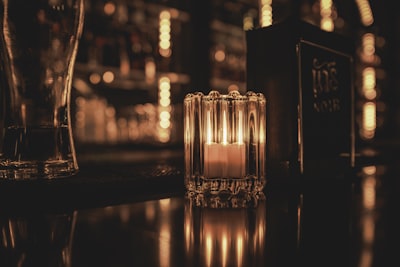
Pony Line
Cocktail bar inside the Faena Hotel with art deco interiors and a well-dressed crowd. Expect creative cocktails at premium prices in an intimate setting.
Martha Salotti 445
Asia de Cuba
Asian-Latin fusion restaurant and lounge in the Puerto Madero docks. The bar area draws a mix of business travelers and local professionals on weeknights.
Madero Tango
Polished tango dinner show housed in a renovated Puerto Madero warehouse. The production quality is high and reservations are recommended.
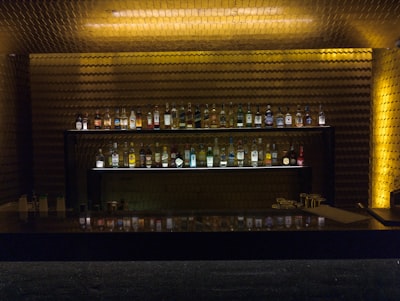
Kansas
American-style grill and bar with a lively weekend atmosphere. The outdoor terrace overlooking the docks fills up quickly on warm evenings.
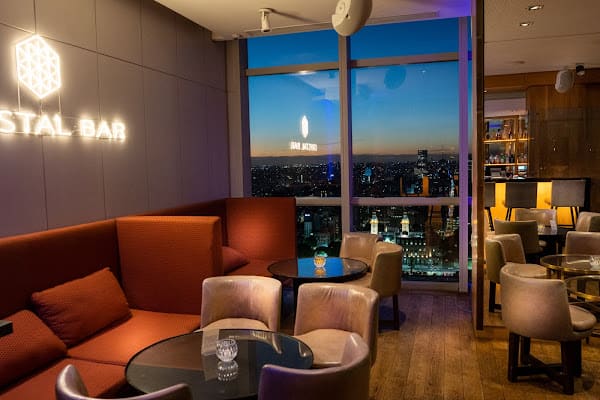
Crystal Bar
Rooftop bar on the 32nd floor of the Alvear Icon Hotel, the highest perch in Buenos Aires. Open-air seating, river views, and cocktails at a price point that matches the altitude.
Aimé Painé 1130, Piso 32, Buenos Aires, Argentina
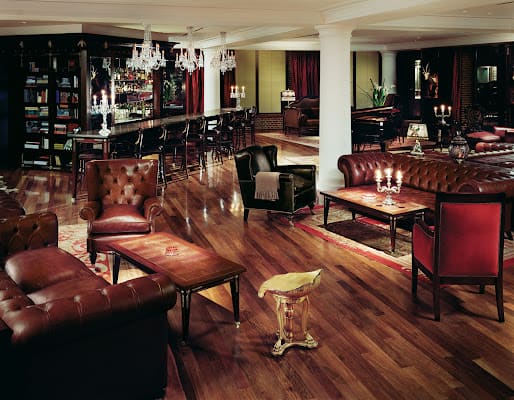
Library Lounge
Inside the Faena Hotel, this dark-wood and red-velvet salon stays open late with live music and DJ sets. Antique books line the walls and the cocktails skew classic and expensive.
Martha Salotti 445, Buenos Aires, Argentina
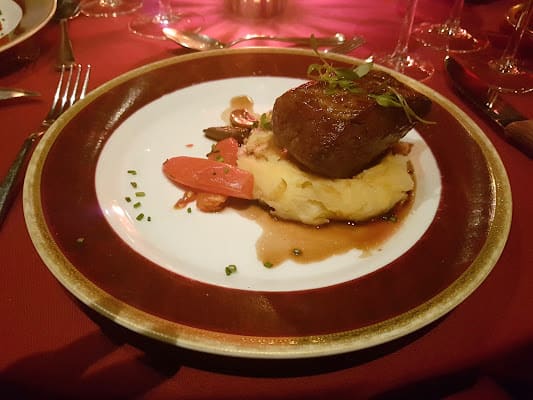
Rojo Tango
Faena Hotel's intimate tango show at El Cabaret, with a live five-piece band, six couples, and two vocalists. Tickets are among the priciest in the city and reservations sell out weeks ahead.
Martha Salotti 445, Buenos Aires, Argentina
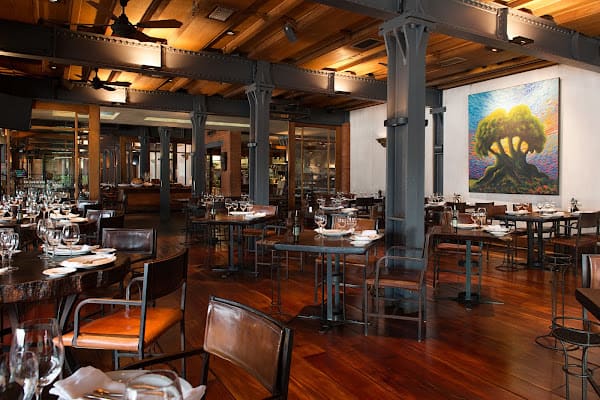
Cabaña Las Lilas
Iconic Puerto Madero parrilla with a long bar and outdoor terrace along the docks. The post-dinner cocktail crowd lingers on the waterfront patio late into the night.
Av. Alicia Moreau de Justo 516, Buenos Aires, Argentina
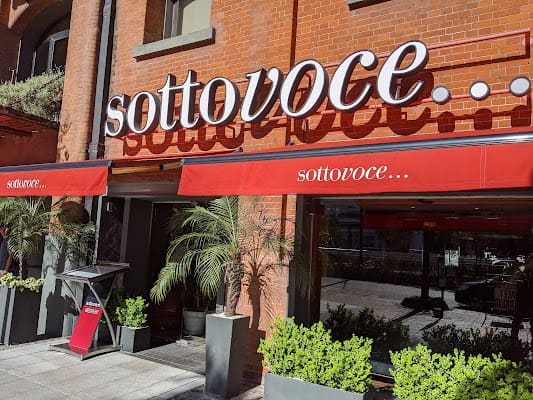
Sottovoce
Italian restaurant and bar at the entrance to Puerto Madero. The bar pours Italian aperitifs and Argentine wines and stays open after the dinner service for a quieter late-evening drink.
Av. Alicia Moreau de Justo 176, Buenos Aires, Argentina
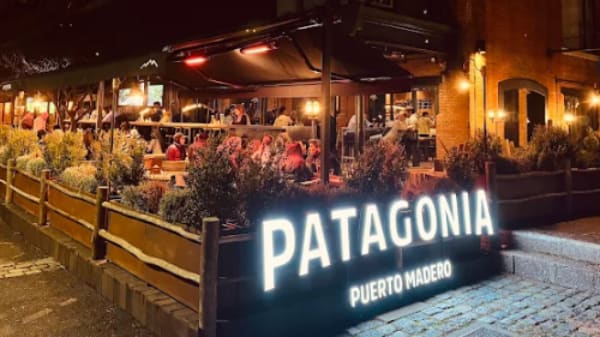
Cerveza Patagonia Refugio
Waterfront beer hall from the Patagonia craft brewery. Wide outdoor terrace facing the docks, a rotating tap list, and the chain's signature caramelized-beer ritual.
Av. Alicia Moreau de Justo 1010, Buenos Aires, Argentina
Overview and Location
Puerto Madero occupies a strip of land along Buenos Aires' eastern waterfront, built on what was once the city's main commercial port. The old docks, designed by Argentine engineer Eduardo Madero and completed in 1897, became obsolete within a few decades. The area sat abandoned for most of the 20th century before a redevelopment project in the 1990s transformed it into the city's most modern neighborhood.
We visited every venue listed below in person.
Today Puerto Madero splits into two distinct zones. On the western side, facing the city center, four rows of restored red-brick warehouses (diques) house restaurants, bars, offices, and the occasional nightclub. On the eastern side, past the docks, glass-and-steel residential towers and luxury hotels rise above the Ecological Reserve, a large nature park that stretches to the riverbank. The Puente de la Mujer, a white suspension footbridge designed by Santiago Calatrava, has become the neighborhood's visual symbol.
The district feels like it belongs to a different city than San Telmo or La Boca. Everything is newer, cleaner, and more expensive. The sidewalks are wide. The waterfront promenade is well-maintained. And at night, the brick warehouses and bridge are lit up in ways that make the whole area feel curated for an evening out.
Legal Status
Puerto Madero falls under the same legal framework as the rest of Buenos Aires. Federal law doesn't criminalize individual sex work. The city's contravention code restricts public solicitation. Federal anti-trafficking laws (Law 26.364, amended by Law 26.842) make it criminal to organize or profit from another person's sex work.
The neighborhood's upscale character and corporate identity mean the nightlife here operates firmly within licensed venues: bars, restaurants, clubs, and hotel lounges. Any gray-area activity is discreet and private. Police presence in Puerto Madero focuses on property security, traffic management, and maintaining the area's polished image.
Costs and Pricing
Puerto Madero is among the most expensive nightlife destinations in Buenos Aires. The restaurants and clubs here target a wealthy local audience and international tourists. Yet Argentina's exchange rate situation means that even Puerto Madero's premium prices convert to modest amounts in USD or EUR.
Cocktails and drinks: Waterfront restaurant bars charge 8,000-15,000 ARS for cocktails. A glass of Malbec runs 5,000-10,000 ARS. Beer at a bar costs 3,000-6,000 ARS. At hotel bars like the Faena's Library Lounge, cocktails start around 12,000 ARS and go up.
Club cover: Entry to nightclubs runs 10,000-25,000 ARS. Some venues waive cover for guests who dine at the attached restaurant first. VIP table reservations and bottle service are common at Puerto Madero clubs, with bottles starting around 30,000-60,000 ARS.
Dining: This is the main expense. A main course at a dockside restaurant costs 12,000-25,000 ARS. A full dinner with wine for two runs 50,000-100,000 ARS (roughly USD 35-75). Lunch is cheaper, with many restaurants offering midday set menus at reduced prices.
Transport: Uber, Cabify, and Didi are the standard way to reach Puerto Madero at night. Rides from Palermo cost 3,000-6,000 ARS (a few dollars). From Recoleta, it's a similar price. There's no direct Subte access to Puerto Madero, though Line B (L.N. Alem station) and Line A (Plaza de Mayo station) drop you within a 15-minute walk of the docks.
Street-Level Detail
The nightlife in Puerto Madero stretches along the four diques (docks) that run parallel to Avenida Alicia Moreau de Justo. Each dock has its own character, though the general feel is consistent: renovated brick exteriors, modern interiors, and a waterfront view as the selling point.
Dique 3 and Dique 4 concentrate the highest density of restaurants and bars. Asia de Cuba (Pierina Dealessi 750) is the neighborhood's most recognized nightlife venue, operating as a restaurant during dinner hours and converting into a club from Wednesday through Saturday nights. The interior mixes gold curtains, lounge seating, and a large bar, with a dance floor that fills after midnight. Wednesday and Saturday nights draw the biggest crowds. If you dine at the restaurant, cover charges for the club are often waived.
The Faena Hotel (Martha Salotti 445) is Puerto Madero's luxury anchor. Its venues include the Library Lounge for cocktails, the Poolbar for a more casual, see-and-be-seen atmosphere, and El Cabaret, which hosts Rojo Tango, a high-production tango show that sits in a different category from the traditional milongas of San Telmo. Tickets for Rojo Tango are expensive, starting above 100,000 ARS, but the production quality is the highest in the city.
Johnny B Good, on the docks near Dique 4, operates as a music bar and restaurant with live bands and DJ sets on weekends. It draws a mixed crowd of locals and tourists looking for something louder than the restaurant bars but less committed than a full nightclub.
El Boleo Bar sits along the waterfront with views of the Puente de la Mujer. It's a pub-style venue serving pizza, craft beer, and cocktails. The location makes it a good starting point for an evening in Puerto Madero before moving to one of the clubs or restaurant-bars.
The eastern side of Puerto Madero, across the docks, is mostly residential towers with ground-floor convenience stores and the occasional restaurant. It's quieter and not where the nightlife happens. The Ecological Reserve that borders this side is closed after dark.
Safety
Puerto Madero is one of the safest areas in Buenos Aires. The neighborhood was designed from the ground up with security in mind. Streets are well-lit, private security patrols the residential towers and hotel entrances, and the clientele at venues tends to be affluent and low-risk.
The main safety concern is isolation. Puerto Madero is separated from the rest of the city by Avenida Huergo and the highway infrastructure. At 4 or 5 AM, when venues are closing, the streets can feel empty while you wait for a ride. This creates an opportunity for the occasional phone snatch or mugging, even in a "safe" area. Don't stand alone on a dark street corner checking your phone while waiting for an Uber.
Walking to Puerto Madero from Microcentro or San Telmo requires crossing under highway overpasses and through areas that are poorly lit at night. Use ride-hailing apps instead. The walk through the Ecological Reserve at night is not recommended; the park is closed and unpatrolled after dark.
Within venues, the standard Buenos Aires precautions apply. Don't leave drinks unattended. Don't flash expensive items. Keep your phone secure.
Cultural Context
Puerto Madero represents Buenos Aires' aspirational side. The neighborhood was purpose-built as a modern district after decades of dockland neglect, and it attracts people who want a polished, international experience rather than a gritty local one. The restaurants serve fusion cuisine. The bars have cocktail menus in English and Spanish. The conversation tends toward business and travel rather than politics and football.
This isn't everyone's Buenos Aires. Locals who love Palermo's street energy or San Telmo's tango tradition may dismiss Puerto Madero as soulless or corporate. That's partly fair; the neighborhood lacks the organic, lived-in character of older barrios. But it offers something the others don't: waterfront views, modern architecture, and a sense of safety and order that appeals to many visitors.
The Faena Hotel has become a cultural institution in its own right. Its art collection, event programming, and design reflect the ambitions of developer Alan Faena, who turned a derelict grain silo into one of South America's most recognized luxury hotels. Whether or not you stay there, walking through the lobby and grounds gives you a sense of what Puerto Madero is trying to be.
Scam Warnings
Overpriced bottle service and hidden charges: Some Puerto Madero clubs quote bottle service prices that seem reasonable in pesos, then add service charges, mixer fees, and mandatory tips that inflate the final bill by 30-50%. Ask for the full, all-inclusive price in writing before agreeing to any bottle service arrangement. Review the bill item by item before paying.
Fake ride-hailing drivers: Unlicensed cars sometimes wait outside Puerto Madero clubs and restaurants, posing as Uber or Cabify drivers. Always confirm the license plate, driver name, and car model in the app before getting into any vehicle. If something doesn't match, cancel and order a new ride.
Restaurant bill padding: Some waterfront restaurants bring unrequested bread baskets, sparkling water, or appetizers and add them to the bill. These charges are typically 2,000-5,000 ARS per item. If you didn't order it and don't want it, say so immediately when it arrives.
Parking scams: If you're driving, unofficial "parking attendants" may approach your car, claim to be watching it, and demand payment when you return. They have no official role. Park in designated lots or use valet services offered by the restaurants themselves.
Nearby Areas
San Telmo: Just west of Puerto Madero across the highway, the old bohemian quarter offers a completely different nightlife experience: tango, live music, and atmospheric bars in colonial-era buildings. A 10-minute cab ride separates the two neighborhoods, but they feel like different cities.
Microcentro: The business district north of Puerto Madero has limited nightlife but includes some bars and restaurants along Avenida Corrientes and around the Obelisco. It empties after office hours on weekdays.
La Boca: South of Puerto Madero, the Caminito area is a daytime tourist attraction with colorful buildings and street art. Do not visit La Boca after dark.
Meeting People Nearby
Puerto Madero's social scene is centered on its restaurants and hotel bars. The Faena's Poolbar and Library Lounge attract a mix of hotel guests, expats, and well-heeled locals. Dinner at one of the dockside restaurants on a Friday or Saturday night puts you in proximity to Buenos Aires' professional class. During the day, the waterfront promenade is popular with runners and walkers, and the cafes along the docks serve as work-from-anywhere spots for remote professionals. For a full overview of Buenos Aires' social and dating scene, see the main Buenos Aires city guide.
Best Times
- Wednesday through Saturday: Peak nightlife. Wednesday and Saturday are the biggest nights at Asia de Cuba
- 10 PM to midnight: Restaurants are full, bars fill up, good for a waterfront dinner
- Midnight to 4 AM: Clubs peak. Arriving before midnight means a slow start
- March through May and September through November: Best weather for waterfront dining and bar terraces
- Summer (December through February): Outdoor terraces are appealing, but heat and humidity can be intense. January is quiet as locals leave for vacation
- Sunday through Tuesday: Most nightlife venues are closed or very quiet
What Not to Do
- Do not walk to Puerto Madero from other neighborhoods late at night; use ride-hailing apps
- Do not wander through the Ecological Reserve after dark; it's closed and unpatrolled
- Do not stand alone on the street checking your phone while waiting for a ride at 4 AM
- Do not accept bottle service without getting the full price in writing first
- Do not leave your drink unattended at any venue
- Do not assume unmarked cars outside clubs are legitimate ride-hailing drivers; verify in the app first
- Do not carry more cash than you plan to spend
- Do not engage with anyone who appears to be underage; penalties under Argentine law are severe
Get the Legal Status PDF, 50 countries
Newsletter signup coming soon. Check back shortly.
Frequently Asked Questions
Related Guides
Buenos Aires Overview
City guide to adult nightlife in Buenos Aires, covering entertainment districts, safety advice, and cultural context.
Read guidePalermo
District guide to Palermo in Buenos Aires, the city's largest barrio and main nightlife hub, with safety tips and practical details.
Read guideRecoleta
District guide to Recoleta in Buenos Aires, the upscale neighborhood known for cocktail bars, hotel lounges, and refined nightlife.
Read guideSan Telmo
District guide to San Telmo in Buenos Aires, the old bohemian quarter known for tango, antique markets, and atmospheric nightlife.
Read guideWas this guide helpful?