Alameda de Hércules
Legal, Unregulated4/5SafeDistrict guide to Alameda de Hércules in Sevilla, covering the bar scene, flamenco, social culture, and practical tips for Andalusia's best local nightlife neighborhood.

Where to stay near Alameda de Hércules
Hotels walking distance from the venues on this page.
See places to stay and current pricesTop Spots for a Night Out
What's open and worth your time
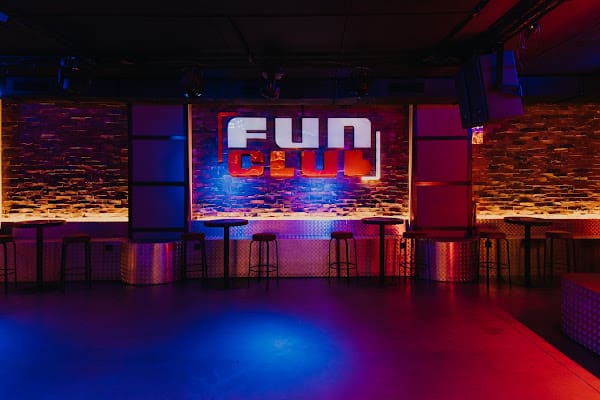
Fun Club
Sevilla's most iconic alternative club, located in the Alameda area. Hosts live concerts, DJ nights, and themed parties in a former cinema. The programming ranges from indie rock to flamenco fusion to electronic. A Sevilla institution since the 1980s.
Alameda de Hércules 86, 41002 Sevilla
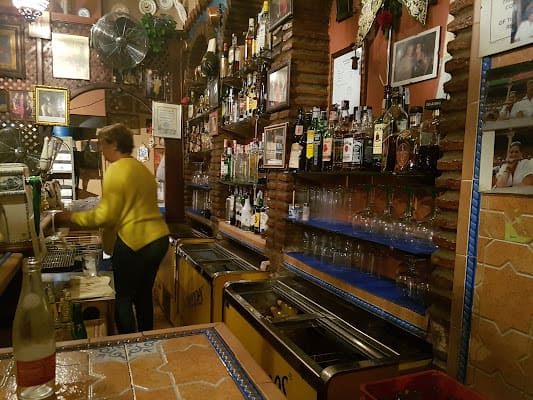
Casa Anselma
Legendary flamenco bar in Triana run by its namesake owner, who sings, dances, and conducts the room until the early hours. No cover charge, no set program, no guarantee of what will happen. The most authentic flamenco experience in Sevilla, if you can get through the door.
Calle Pagés del Corro 49, 41010 Sevilla
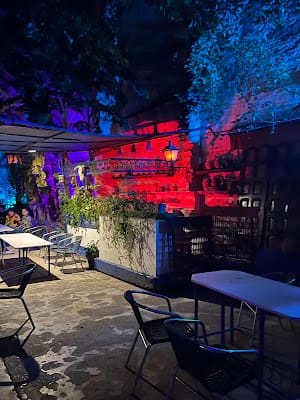
La Carbonería
Former coal yard converted into a sprawling bar complex with free nightly flamenco shows in the back room. The atmosphere is rough, the drinks are cheap, and the flamenco varies from amateur to genuinely moving. Open since the 1980s and beloved by locals and visitors alike.
Calle Céspedes 21, 41004 Sevilla
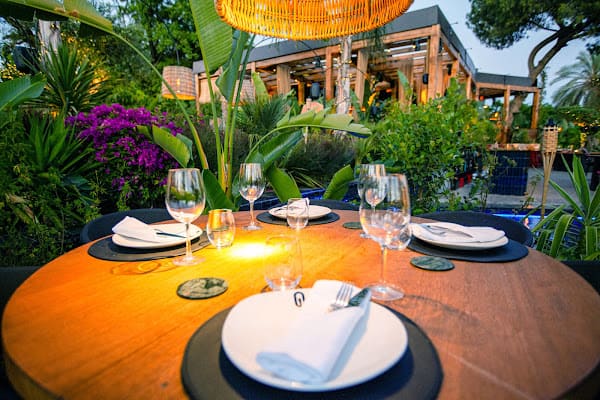
Maquiavelo
Terrace bar on the Alameda with a loyal local following. The crowd is creative and slightly alternative. Good gin and tonics (Spain's national mixed drink, practically) and a relaxed atmosphere that doesn't try too hard.
Bulebar Café
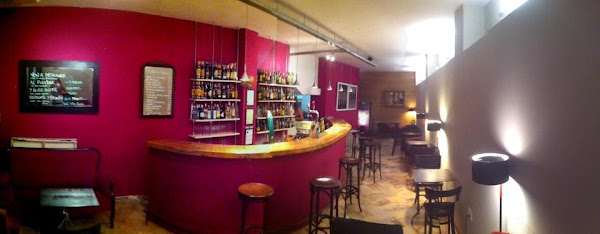
Multi-level bar and event space on the Alameda that hosts art exhibitions, live music, and DJ nights. The rooftop terrace is popular in warm weather. An anchor venue for the neighborhood's creative community.
Alameda de Hércules 83, 41002 Sevilla
El Baron
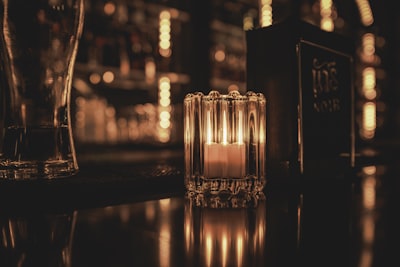
Cocktail bar on the Alameda with a concise menu of well-executed classics and house creations. The interior mixes vintage furniture with warm lighting. Popular with couples and small groups looking for something more refined than the terrace bars.
Alameda de Hércules 61, 41002 Sevilla
Sala X
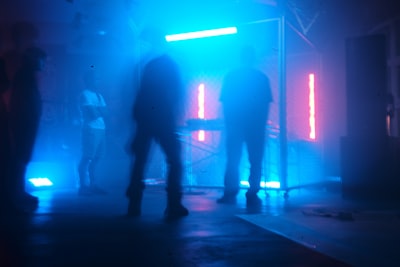
Underground club near the Alameda playing techno, house, and experimental electronic music. The bookings lean toward local and emerging DJs. Small, dark, and loud in the best way. Entry EUR 5-10.
Calle Jose Gestoso, 41003 Sevilla
Taberna Coloniales
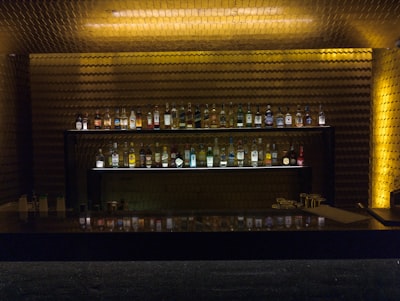
Beloved Sevilla tapas bar with two locations, one of them near the Alameda. Generous portions at fair prices, with the spinach and chickpea stew (espinacas con garbanzos) as the signature dish. Expect a wait on weekend evenings.
Plaza Cristo de Burgos 19, 41003 Sevilla
El Garlochi
Eccentric bar near the Alameda decorated entirely in Catholic religious imagery: altars, candles, Virgin Mary statues, and crucifixes alongside cocktail shakers. The house special is a sangria-like concoction called Sangre de Cristo. Unique and unforgettable.
Calle Boteros 4, 41004 Sevilla
Terraza Alfalfa
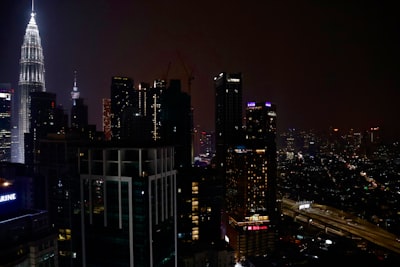
Rooftop bar atop a boutique hotel near the Alameda with views over Sevilla's skyline and the Giralda tower. Cocktails run EUR 8-12, and the sunset hour draws a well-dressed crowd. One of few elevated drinking spots in the old city.
Plaza de la Alfalfa, 41003 Sevilla
Lola de los Reyes
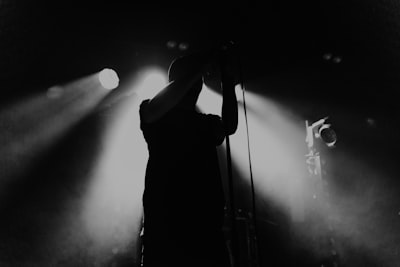
Flamenco bar in Triana with regular peña-style performances in a casual setting. Less polished than the tablaos but more genuine. No cover charge; you buy drinks and watch the music unfold from a few meters away.
Calle Evangelista 6, 41010 Sevilla
Overview and Location
The Alameda de Hércules is a long rectangular plaza, roughly 500 meters from end to end, in the northern part of Sevilla's old city. Two Roman columns (original, brought here in 1574 from a temple on Calle Marmoles) stand at the southern end, topped with statues of Hercules and Julius Caesar. Two more columns (18th century) stand at the northern end. Between them, the plaza spreads wide, lined with trees, surrounded by bars, and filled on warm nights with people sitting at outdoor terraces, talking, drinking, and doing what Sevillanos do best: being social as a way of life.
This guide is based on multiple evenings spent in Alameda de Hércules.
The Alameda went through a rough period in the 1980s and 1990s, when drug dealing and prostitution drove residents away and the plaza deteriorated. A major renovation in the early 2000s cleared the drug trade, repaved the plaza, planted trees, and transformed the Alameda into Sevilla's nightlife center. The gentrification brought bars, restaurants, and a new demographic of students, artists, and young professionals. The LGBTQ+ community found a welcoming home here, and several of the Alameda's bars cater specifically to that audience.
Today, the Alameda is what every gentrification project hopes to become: a place that's been cleaned up without being sterilized. The bars are good. The crowd is local. The prices are honest. And the social culture is authentically Sevillano in a way that the tourist-facing Santa Cruz quarter can't match.
Costs and Pricing
The Alameda is cheap. Even by Sevilla's already affordable standards, it delivers extraordinary value.
Drinks. A caña costs EUR 1.50-2.50. Many Alameda bars serve a free tapa with every drink, though the practice is less universal here than in other parts of Sevilla. Wine by the glass is EUR 2-4. Cocktails run EUR 6-9. Spain's national mixed drink, the gin and tonic (Spaniards use enormous balloon glasses with premium gins and elaborate garnishes), costs EUR 7-10, which is half what you'd pay in Madrid or Barcelona.
Rebujito. Sevilla's signature drink: fino sherry mixed with lemon-lime soda (typically La Casera brand), served cold. It's light, refreshing, and dangerously easy to drink in the heat. EUR 2-4 per glass at most bars. During Feria de Abril, it flows freely at casetas.
Food. Tapas cost EUR 2-5. Raciones (sharing plates) run EUR 6-12. The Alameda's restaurants serve dinner for EUR 12-20 per person. La Carboneria, tucked into a side street southeast of the Alameda, is a former coal yard turned bar that serves cheap drinks and hosts free nightly flamenco.
Nightlife. Most bars have no cover charge. Fun Club charges EUR 5-12 depending on the event. Casa Anselma in Triana has no cover (you buy drinks). A full evening on the Alameda, with dinner, drinks at two or three bars, and maybe a club, runs EUR 25-40 per person. Try doing that in Ibiza or Puerto Banus.
Street-Level Detail
The main plaza. The Alameda itself is an open space with trees, benches, and a wide pedestrian promenade. Bars line both long sides. The southern end (near the Roman columns) has the highest concentration of terraces and the most foot traffic. The northern end is slightly quieter. On warm nights, people sit on the plaza's benches with drinks from nearby bars, creating an informal outdoor gathering that feels like a village square scaled up for a city.
Surrounding streets. Calle Amor de Dios, Calle Peral, and Calle Trajano extend the nightlife zone beyond the plaza itself. These streets have smaller bars, restaurants, and some of the Alameda's alternative venues. The streets connecting the Alameda to Calle Feria (the market street to the east) have a neighborhood feel with fewer tourists.
The Sunday morning flea market. A small weekly market sets up at the northern end of the Alameda on Sunday mornings. Antiques, books, vinyl records, and miscellaneous secondhand items. Nothing like Madrid's Rastro in scale, but a pleasant morning activity before the terrace bars open for the afternoon.
Triana connection. Triana, across the Guadalquivir River to the west, is reachable on foot from the Alameda in 15-20 minutes via the Puente de la Barqueta. Calle Betis (Triana's waterfront bar street) and Casa Anselma are the main nightlife draws in Triana. Combining an evening on the Alameda with a late-night visit to Casa Anselma for flamenco is one of Sevilla's best nights out.
Safety
The Alameda is one of the safest nightlife areas in any major Spanish city.
- The plaza's open design provides natural surveillance. Hundreds of people are present on weekend evenings, and the terraces face inward, meaning there are always eyes on the space
- The surrounding streets are well-lit and residential. Walking home at 3 AM feels comfortable
- Pickpocketing is minimal compared to tourist-heavy areas like Santa Cruz or the Cathedral zone
- The Alameda's LGBTQ+ presence is well-established and the area is welcoming and safe for LGBTQ+ visitors
- The only significant safety note is the Macarena neighborhood north of the Alameda, which has a rougher reputation. Main streets are fine, but some side streets north of the Puerta de la Macarena are worth avoiding alone after midnight
- Emergency number 112. Hospital Universitario Virgen del Rocio is Sevilla's main emergency facility
Cultural Context
The Alameda de Hercules claims to be the oldest public garden in Spain, dating its current layout to 1574. The Roman columns were already ancient when they were moved here. For most of its history, it was an aristocratic promenade. In the 19th and early 20th centuries, it was a fashionable gathering place. The decline came in the late 20th century, and the revival has been ongoing since roughly 2005.
What makes the Alameda special isn't architecture or history but social culture. Sevillanos don't "go out" the way other Europeans do. They exist in public. The terrace bar isn't a destination; it's an extension of the living room. Conversations between tables are normal. Moving from one bar to another, greeting people along the way, is the evening's structure. There's no guest list, no dress code, no velvet rope. You sit down, you order a drink, and you become part of the social fabric.
This openness is the Alameda's greatest asset for visitors. You don't need to know anyone to have a social evening here. The physical layout (outdoor terraces, communal spaces, bar counters) removes the barriers that indoor venues create. Being present and friendly is sufficient. Speaking Spanish amplifies the experience enormously.
Meeting People on the Alameda
The terraces are the entry point. Sit at an outdoor table, order a caña, and you're already participating in the social scene. Conversations start with neighbors, with staff, with people passing by. Asking for a recommendation ("que tapa me recomiendas?") is the most natural opening line in Sevilla.
Repeat visits to the same bar create recognition. Bartenders at Alameda bars tend to remember faces, and a second or third visit transforms you from tourist to familiar presence. This matters in a city where personal connection is the currency of social life.
Language exchanges happen at some bars, though less formally than in Madrid or Barcelona. Sevilla's international student community (Erasmus program) is large and social, with regular events organized through university channels and local groups.
Casa Anselma in Triana deserves a separate mention. The bar is tiny, the owner performs and conducts spontaneous flamenco sessions, and the atmosphere is unlike anything else in Spain. Getting in can be difficult (the door policy is unpredictable, and the space holds maybe 60 people), but the experience, if you manage it, is transformative. Go after 11 PM on a Thursday, Friday, or Saturday. There's no sign on the door, just a wooden facade at Calle Pages del Corro 49.
Scam Warnings
The Alameda has essentially no tourist scams. The neighborhood's local character and the absence of a tourist-trap infrastructure mean you're unlikely to encounter the overcharging, clip joints, or organized theft that characterize tourist zones.
The only note: some bars on the Alameda have slightly different pricing for terrace versus bar seating, which is standard practice across Spain. Sitting outside can cost EUR 0.30-0.50 more per drink. This isn't a scam; it's the "terraza" surcharge, which is legal and transparent. If it matters, drink at the bar inside.
Best Times
- Thursday through Saturday, midnight to 3 AM is peak Alameda energy
- Summer evenings push the schedule later. The heat doesn't break until 9-10 PM, and the terraces fill from 10 PM onward. Peak moves to 1-4 AM
- Feria de Abril (two weeks after Easter) transforms Sevilla entirely. The Alameda serves as a gathering point between caseta sessions. The neighborhood bars are busier than ever
- Semana Santa (Easter week) has a different energy: solemn processions pass through or near the Alameda, and the bars fill between them with people processing the emotional intensity of the performances
- October-November is underrated. Temperatures are pleasant (18-24°C), tourists have gone, and the Alameda's local character is at its purest
- Sundays are quieter but functional. The morning flea market gives way to afternoon terraces
- August is quiet as Sevillanos flee the 40°C+ heat. Some bars close for vacation. The Alameda still functions, but at reduced intensity
Getting Around
- Walking: The Alameda is a 10-minute walk from the Cathedral and Santa Cruz. It's 15-20 minutes from the river and Triana's Calle Betis. Sevilla's old city is flat and walkable
- Tram (Metrocentro): Doesn't directly serve the Alameda but runs through the center
- Buses (Tussam): Several routes serve stops near the Alameda. EUR 1.40 per ride
- Taxis: Available at stands on the Alameda and by phone. White cars with a green light
- Cabify: Available in Sevilla
- Bikes: Sevilla has excellent bike lanes. Tourist rentals cost EUR 10-15 per day. The flat terrain makes cycling easy, but don't cycle after drinking
What Not to Do
- Do not arrive before 10 PM and wonder why the Alameda is empty. It wakes up around 11 PM on weekends. In summer, even later
- Do not dress formally. The Alameda's vibe is casual. Jeans and a t-shirt are perfectly appropriate. Overdressing marks you as someone heading elsewhere
- Do not skip the free flamenco at La Carboneria. It's free, it's nightly, and even the less polished performances offer genuine flamenco in an atmospheric setting
- Do not be punctual for social plans made with Sevillanos. Arriving 20-30 minutes late is standard. Arriving on time means waiting alone
- Do not expect ice in your drink without asking. Spaniards often serve beer and wine without ice, though gin and tonics are traditionally well-iced
- Do not leave Sevilla without attempting Casa Anselma. Even if you don't get in (and you might not), the attempt is part of the Sevilla experience
- Do not drink and cycle, particularly on the riverside bike paths at night. The Guadalquivir's bank can be slippery
Get the Legal Status PDF, 50 countries
Newsletter signup coming soon. Check back shortly.
Frequently Asked Questions
Was this guide helpful?