Centro Histórico
Legal, Unregulated4/5SafeDistrict guide to Malaga's Centro Histórico, covering the bar scene around Plaza de la Merced, safety, costs, and practical tips for Andalusia's regenerated coastal capital.

Where to stay near Centro Histórico
Hotels walking distance from the venues on this page.
See places to stay and current pricesBars and Clubs Worth Checking
Reviewed and rated by our team
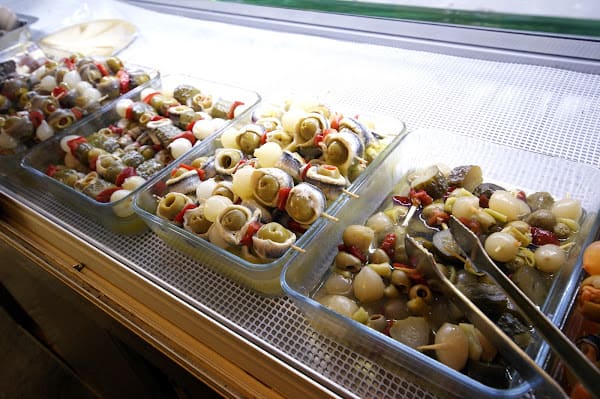
Antigua Casa de Guardia
Operating since 1840, Malaga's oldest bar serves sweet Malaga wines directly from ancient wooden barrels. Your tab is chalked onto the bar in front of you. No seats, no food menu, no pretension. Wines cost EUR 1.50-3 per glass. Picasso's baptism was celebrated here.
Alameda Principal 18, 29001 Málaga
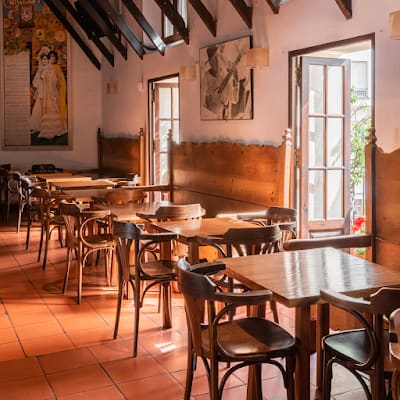
El Pimpi
Malaga's most famous bar, sprawling through connected rooms in an 18th-century building near the Alcazaba. Barrels signed by celebrities line the walls. The terrace overlooks the Roman theater. Tourist-popular but genuinely good, with excellent vermouth and a reliable wine list.
Calle Granada 62, 29015 Málaga
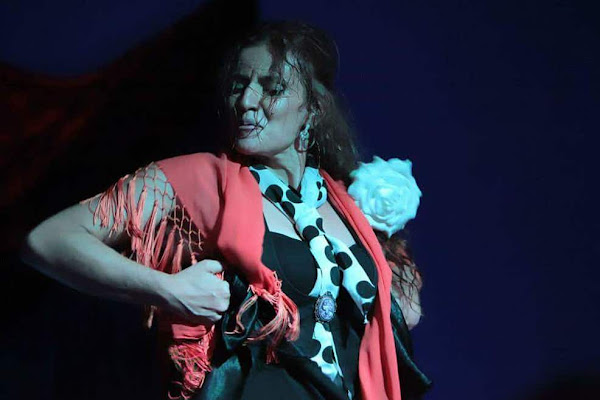
Kelipe Centro de Arte Flamenco
Intimate flamenco venue in a converted house. Shows are raw and authentic rather than tourist-polished. The small space (maybe 50 seats) puts you close enough to hear the guitarist's fingers on the strings. Shows at 8:30 PM, tickets EUR 22-28.
Calle Muro de Puerta Nueva 10, 29005 Málaga
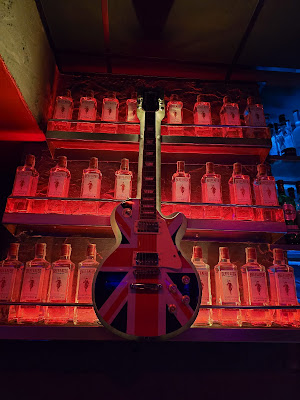
ZZ Pub
Rock bar on Calle Tejón y Rodríguez that's been a Malaga nightlife fixture for over two decades. Live rock and blues acts on weekends. The drink prices stay honest and the crowd is local. Open until 3 AM.
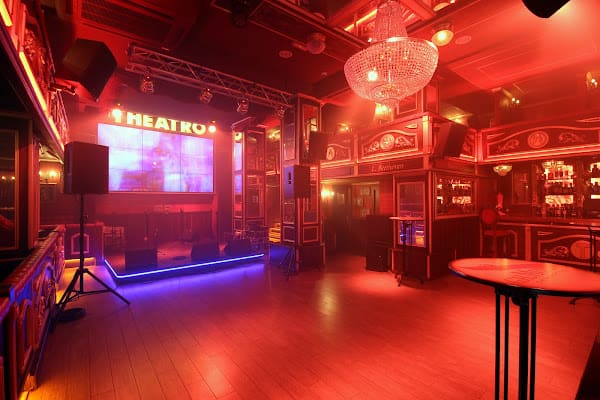
Theatro Club Málaga
The main club in the Centro Histórico, occupying a converted theater space. Plays mainstream, Latin, and electronic music across themed nights. The crowd is young and mixed. Entry EUR 10-15 including a drink.
Calle Lazcano 5, 29005 Málaga
La Tranca
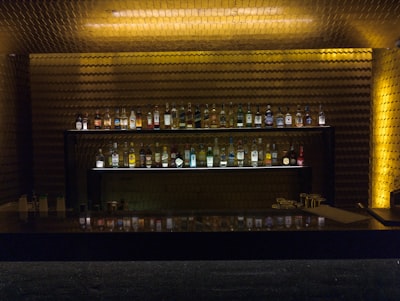
Tiny bodega on Calle Carreteria that serves Malaga wine and cold beer with free tapas. The space is standing room only and gets packed on weekend evenings. Authentic, unpretentious, and popular with locals who want an honest drink.
Calle Carretería 93, 29008 Málaga
Recyclo Bike Cafe
Bicycle-themed cafe and bar near Plaza de la Merced that serves craft beer, cocktails, and brunch. The decor features repurposed bike parts, and the terrace fills with the digital nomad crowd that has made Malaga a base.
Calle de los Mártires 6, 29015 Málaga
Sala Spectra
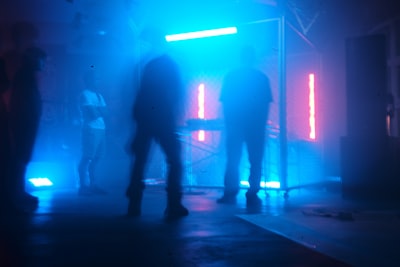
Underground electronic music club near Plaza de Uncibay with resident DJs playing house, techno, and drum and bass. The sound system punches above the venue's modest size. Entry EUR 8-12 on weekends.
Calle Casas de Campos 8, 29001 Málaga
Bodega Bar El Pimpi Vinos y Tapas
Separate, smaller outpost of the El Pimpi group focused on wine by the glass and simple tapas. Less tourist-heavy than the main El Pimpi location, with a more neighborhood feel and lower prices.
Calle Alcazabilla 3, 29015 Málaga
Donde
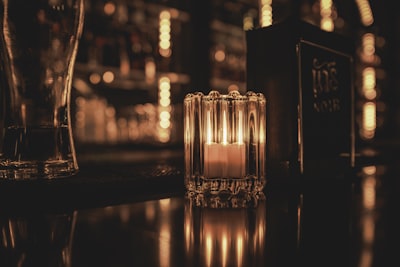
Cocktail bar on Calle Beatas with a speakeasy atmosphere and creative drinks menu. The bartenders use local ingredients including olive oil, sherry, and citrus from the region. A good option when you've had enough beer and want something crafted.
Calle Beatas 25, 29008 Málaga
Taberna Uvedoble
Wine bar near the Cathedral with an extensive Spanish wine list and house-made vermouth. Tapas are small but well executed. The owner curates the wine selection personally and is happy to guide newcomers through the menu.
Calle Cister 15, 29015 Málaga
Overview and Location
Malaga's Centro Histórico is compact enough to cross in 15 minutes on foot, dense enough to keep you occupied for days. The old town wraps around the Cathedral (unfinished; one tower was never completed, earning it the nickname "La Manquita," the one-armed) and climbs up to the Alcazaba, an 11th-century Moorish fortress that offers views over the port and the city.
This guide is based on multiple evenings spent in Centro Histórico.
Fifteen years ago, Malaga's center was a place you passed through on the way to the beach resorts. The transformation since then has been remarkable. The Picasso Museum opened in 2003 in a 16th-century palace. The Centre Pompidou Malaga arrived in 2015, housed in a colorful cube on the port. The Museo Carmen Thyssen, the CAC contemporary art center, and the Museo de Malaga followed. All of this brought restaurants, cocktail bars, boutique hotels, and the international crowd that supports them.
The nightlife reflects the regeneration. Traditional bodegas where old men drink sweet Malaga wine from the barrel coexist with craft cocktail bars run by people who moved here from London or Berlin. Plaza de la Merced (where Picasso was born, in case anyone forgets) is the main social hub. Calle Granada links the Cathedral area to the plaza and functions as the primary bar street. The result is a nightlife scene that feels organic rather than manufactured, affordable rather than inflated, and Andalusian rather than generically European.
Costs and Pricing
The Centro Histórico is remarkably affordable for a Western European destination that appears in guidebooks.
Drinks. A caña (small draft beer) costs EUR 1.50-2.50 at most bars. A full pint runs EUR 3-4. Wine by the glass is EUR 2-4. Cocktails cost EUR 6-10. Many bars serve a free tapa with every drink order, which means your EUR 2 beer comes with a plate of olives, a slice of tortilla, or a portion of stew. At some bars, the tapas get better (and larger) with each successive drink.
Food. Tapas cost EUR 2-6 per plate at bar counters. The menu del dia runs EUR 9-13. Dinner at a sit-down restaurant costs EUR 12-20 per person. Antigua Casa de Guardia serves Malaga wines (semisweet, dry, and muscatel varieties) for EUR 1.50-3 per glass directly from wooden barrels. El Pimpi charges tourist-adjacent prices (EUR 3-5 for drinks, EUR 8-14 for tapas) but the atmosphere and quality justify it.
Nightlife. Most bars have no cover charge. Theatro Club Malaga charges EUR 10-15 entry including a drink. Live flamenco at Kelipe costs EUR 22-28. ZZ Pub has no cover for most events. You can have a genuinely excellent night out in the Centro Historico for EUR 30-50 per person, drinks and food included.
Street-Level Detail
Plaza de la Merced. The large rectangular plaza at the northern edge of the old town is Malaga's social center. Picasso's birthplace (now a museum) overlooks the square from the northwest corner. Outdoor terraces ring the plaza, and on warm evenings (which is most evenings), they fill with a mix of students, locals, tourists, and the growing community of remote workers who've made Malaga their base. The obelisk in the center commemorates General Torrijos, executed in 1831 for his liberal activism.
Calle Granada. The main bar street, running from near the Cathedral north toward Plaza de la Merced. El Pimpi dominates the lower section, its multiple rooms and terraces spilling across several addresses. Further north, smaller bars alternate with restaurants and shops. The street is pedestrianized and well-lit, making it comfortable for walking and bar-hopping at all hours.
Plaza de Uncibay. West of Calle Granada, this smaller plaza has bars that stay open later than most. The crowd here skews younger (university students) and the atmosphere is louder and more party-oriented than Plaza de la Merced's terrace culture. Late-night activity concentrates around this plaza and the streets immediately south of it.
Calle Beatas. Running east from Plaza de la Merced, this street has smaller, more local bars. Less tourist traffic than Calle Granada, lower prices, and a neighborhood feel. Regulars at Calle Beatas bars tend to know each other, which creates a welcoming atmosphere if you're a friendly newcomer.
Alameda Principal. The tree-lined boulevard south of the old town has Antigua Casa de Guardia at number 18. This bar deserves a visit regardless of your interest in nightlife: it's been serving Malaga wines since 1840, and the experience (wines chalked on the bar, barrels along the walls, standing room only) is a direct connection to 19th-century Andalusia.
Soho arts district. South of Alameda Principal, this former industrial area has street art murals, newer bars, and the Centre Pompidou Malaga. Nightlife here is quieter than the Centro Historico but attracts a creative crowd. Some of Malaga's better cocktail bars have opened in this area.
Safety
The Centro Historico is very safe. Malaga doesn't have Barcelona's organized pickpocket problem or Madrid's clip joint scene. The historic center is well-lit, well-populated, and patrolled.
- Petty crime exists but at low rates. The usual precautions (front pockets, awareness in crowds) are sufficient
- The streets around Plaza de Uncibay can get rowdy after midnight on weekends, with groups of drunk young people. This is boisterous rather than dangerous
- Drug dealing exists in small amounts around some plazas after midnight. Dealers are not aggressive toward tourists
- The area around the port and Soho is safe at all hours
- Emergency number 112. Hospital Regional Universitario de Malaga handles emergencies
Cultural Context
Malaga is Andalusia's second city, and it has long lived in Sevilla's cultural shadow. The recent regeneration has changed that dynamic. Where Sevilla trades on tradition (flamenco, Semana Santa, Feria), Malaga has positioned itself as a modern, forward-looking city that happens to have 3,000 years of history.
The bar culture reflects this blend. Antigua Casa de Guardia hasn't changed its format since the 1800s. El Pimpi occupies an 18th-century building and serves traditional Malaga wines. Around the corner, a cocktail bar that opened last year serves Japanese-influenced drinks in a minimalist space. These coexist without conflict. Malaguenos are pragmatic about their city's evolution; they appreciate the new restaurants and cultural venues while maintaining the traditional bars and social rhythms that define Andalusian life.
Free tapas with drinks is the single most important cultural detail for visitors. The tradition survives in Malaga more robustly than in most Andalusian cities (Sevilla still does it; Granada is the champion; Barcelona abandoned it long ago). When you order a drink, a tapa arrives without you asking for it. Don't skip the tapa. Don't pay for it (it's included). And don't be surprised if the third tapa is more generous than the first.
Meeting People in the Centro Histórico
Plaza de la Merced's terraces are the easiest social environment. The communal outdoor seating encourages interaction, and the crowd is used to a mix of locals and visitors. Ordering in Spanish opens doors, but Malaga's growing international community means English works in many newer bars.
The digital nomad and remote worker community socializes through coworking spaces (The Living Room on Calle Casas de Campos, La Noria, and others) and through organized meetups. If you're in Malaga for more than a few days, these networks provide quick social connections.
Calle Beatas' local bars reward repeat visits. Becoming a recognizable face at a small bar takes only two or three visits, and bartenders who know you become social connectors.
Best Times
- Thursday through Saturday, 9 PM to 1 AM for the main bar circuit around Plaza de la Merced and Calle Granada
- Plaza de Uncibay area stays active until 3 AM on weekends
- Sunday afternoons have a relaxed terrace culture, with people lingering over drinks and tapas after late lunches
- Feria de Malaga (mid-August) is the city's biggest festival. A week of music, dancing, and casetas. The daytime fair fills the Centro Historico; the nighttime fair at the recinto ferial runs until dawn
- Semana Santa (Easter week) brings solemn religious processions through the old town streets. Atmospheric and deeply felt by locals. Bars stay busy between processions
- Summer evenings are warm enough for outdoor drinking from May through October. Even winter rarely drops below 12°C
- Antigua Casa de Guardia is best visited from 12:30-2 PM (lunchtime aperitif crowd) or 7-9 PM (early evening wine drinkers). The bar closes relatively early compared to the main nightlife circuit
What Not to Do
- Do not skip Antigua Casa de Guardia. Even if you don't normally drink sweet wine, the experience is worth EUR 3 and 20 minutes of your time
- Do not eat at restaurants directly facing the Cathedral's main entrance. Walk one block in any direction for better food at lower prices
- Do not refuse the free tapa that comes with your drink. It's a gift and a tradition
- Do not assume Malaga closes early. The city runs on Andalusian time: dinner at 10 PM, bars until 2-3 AM, clubs later
- Do not drive into the Centro Historico. Most of it is pedestrianized or restricted. Park at one of the underground garages on the periphery and walk in
- Do not overlook the Alcazaba and the Castillo de Gibralfaro. The climb is worth it for the views, and the Moorish architecture is excellent. Go early morning or late afternoon to avoid the worst heat
Get the Legal Status PDF, 50 countries
Newsletter signup coming soon. Check back shortly.
Frequently Asked Questions
Was this guide helpful?