
Entertainment Districts
Pick a neighborhood to start exploring
District Map of Malaga
Pick a district to recenter the map and see hotels nearby.
Where to stay in Malaga
Compare hotels and rentals across the city's nightlife districts.
See places to stay and current pricesOverview
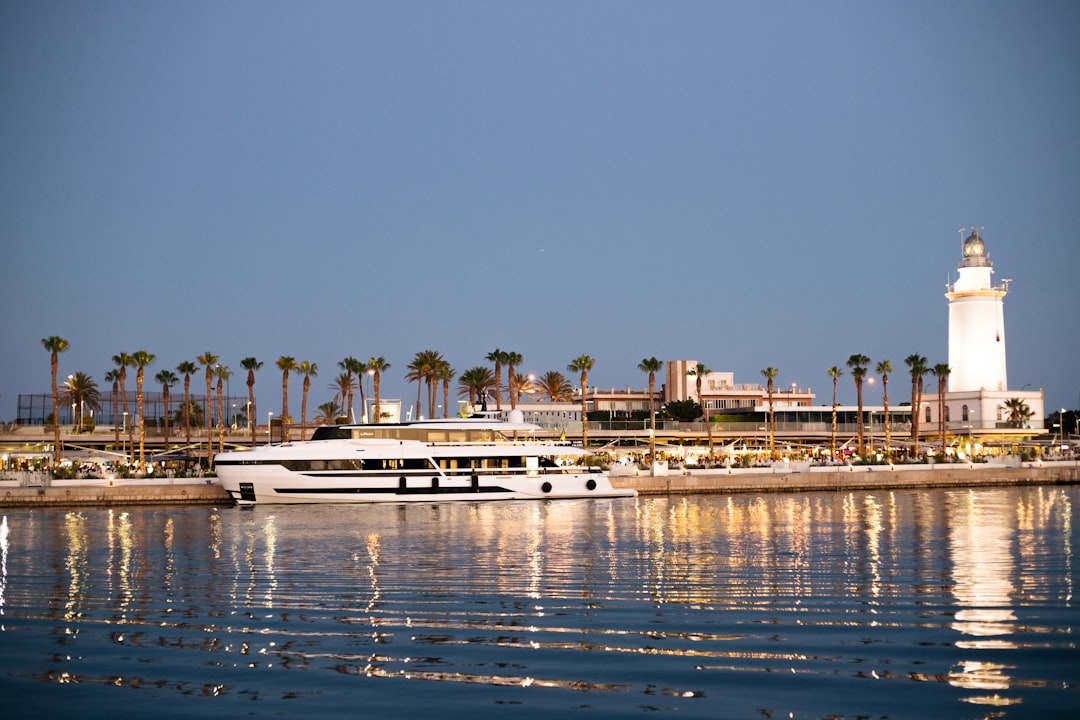
Malaga has changed more in the past 15 years than almost any city in Spain. What was once a transit point for tourists heading to the Costa del Sol's beach resorts has become a destination in its own right. The Picasso Museum opened in 2003. The Centre Pompidou Malaga followed in 2015. The port area was redeveloped. Boutique hotels moved into restored historic buildings. And a digital nomad community settled in, drawn by cheap rents, fast internet, and 300 days of sunshine a year.
We spent 3 days in Malaga researching this guide.
The nightlife reflects this transformation. Malaga's Centro Historico is compact, walkable, and packed with bars that cater to a mix of locals, Spanish tourists, international residents, and visiting travelers. Drinks are cheap by Western European standards. The atmosphere is warm and social in a way that feels genuinely Andalusian rather than manufactured for tourists.
Adult entertainment in Malaga is low-key. The city doesn't have a defined red-light district or the concentrated scene you find in Madrid or Barcelona. What exists operates through pisos, online platforms, and clubs de alterne located on the outskirts along the N-340 highway. The city center is primarily about conventional nightlife, and it does that well.
Legal Context
National Spanish law applies. Individual sex work isn't criminalized. Malaga's municipal government hasn't introduced specific ordinances targeting the sex trade the way Barcelona has. The industry operates quietly, mostly indoors, and generates minimal public controversy.
Police in Malaga focus enforcement on drug trafficking (the Costa del Sol has a well-documented drug trade route from North Africa), public order, and tourism-related crime. Licensed businesses that don't generate complaints operate without significant interference. Street-based sex work is uncommon in the city center, and what exists on the outskirts draws limited enforcement attention.
Key Areas
Centro Historico. Malaga's historic center is where nightlife happens. The area stretches from the Cathedral north to Plaza de la Merced and from Calle Larios east to the Alcazaba. Bars cluster around several plazas and streets: Plaza de la Merced (Picasso's birthplace overlooks this square), Plaza de Uncibay (surrounded by bars and open late), Calle Granada (bar-lined street running through the center), and Calle Beatas (smaller bars with a more local feel). The streets between these landmarks form a web of bars, restaurants, and late-night spots.
Safety
Malaga is one of the safest nightlife cities in Southern Europe. Violent crime against tourists is extremely rare. Property crime exists but at much lower rates than Barcelona or even Madrid.
- Pickpocketing occurs at the beach (especially Malagueta) and in the most crowded tourist spots, but it's nothing like Barcelona's organized teams
- The Centro Historico is well-lit, well-trafficked, and feels safe well past midnight
- The port area is patrolled and generally safe. The eastern beach promenade is fine for late-night walks
- Drug dealing exists around certain plazas after midnight but isn't aggressive toward tourists
- Hospital Regional Universitario de Malaga and Hospital Clinico provide emergency care. EU citizens carry an EHIC card
- Emergency number 112 is multilingual
Costs and Pricing
Malaga is a bargain by Western European standards. You'll spend 30-50% less than in Madrid and 40-60% less than in Barcelona or Ibiza.
Drinks. A caña costs EUR 1.50-2.50. A full pint runs EUR 3-4. Wine by the glass is EUR 2-4. Cocktails cost EUR 6-10 at standard bars. Some bars in the center still serve a free tapa with every drink, an Andalusian tradition that has largely survived.
Food. Tapas run EUR 2-6 per portion. The menu del dia costs EUR 9-13, some of the cheapest set lunches in Western Europe. Espetos de sardinas (sardines grilled on bamboo skewers over a fire, a Malaga specialty) cost EUR 5-8 at beach chiringuitos. Dinner at a mid-range restaurant runs EUR 12-20 per person.
Transport. A single bus ticket costs EUR 1.40. Taxis charge EUR 3.40 base fare plus EUR 0.93 per kilometer. Cabify operates. The city center is small enough to walk everywhere you'd want to go at night. The bus from the airport to the center costs EUR 3 and takes 20 minutes.
Accommodation. Hostel dorms start at EUR 15-25. Budget hotels run EUR 35-60. Mid-range options cost EUR 60-100. Even upscale hotels in the center stay under EUR 150 most of the year. Prices rise modestly in July-August and during Semana Santa (Easter week) and Feria de Malaga (mid-August).
Adult entertainment. Piso-based services range from EUR 40-120 per session. Online escorts charge EUR 100-250 per hour. Clubs de alterne on the outskirts have drink-based pricing (EUR 10-20 for copas) plus negotiated rates for services (EUR 50-120). Prices are notably lower than in Madrid or Barcelona.
Social Scene
Plaza de la Merced. The large square surrounded by restaurants and bars is Malaga's main social hub. Outdoor terraces fill on warm evenings (which is most evenings). The crowd is mixed: locals, students, tourists, and the growing community of remote workers. It's a good place to start an evening and orient yourself.
Calle Granada and surroundings. This street and its side alleys form the densest concentration of bars in the center. Styles range from traditional bodegas serving fino sherry from the barrel to cocktail bars with exposed-brick interiors. Moving between venues is effortless since everything is within a two-minute walk.
Soho arts district. South of Alameda Principal, this former industrial area has been rebranded as Malaga's creative quarter. Street art murals cover building facades. Newer bars, galleries, and restaurants have opened alongside the Centre Pompidou Malaga. The nightlife is quieter than the Centro Historico but attracts a younger, more creative crowd.
Pedregalejo. This former fishing village, now a beachfront neighborhood east of the center, has a string of chiringuitos (beach bars) and seafood restaurants. The atmosphere is laid-back and local. Sunday afternoons here, eating espetos and drinking Malaga's sweet wine while watching the sea, is one of the city's best experiences.
Malaga's digital nomad and remote worker community has grown rapidly since 2020. Coworking spaces (The Living Room, La Noria, Workincompany) host regular social events. The community is international and sociable, with regular meetups organized through local Facebook and Telegram groups.
Local Dating Notes
Malaguenos are friendly and approachable, even by Andalusian standards. Conversations start easily in bars, at the beach, and at social events. The city's relatively small size means you'll see the same faces if you frequent the same spots, which builds familiarity naturally.
Spanish is almost required here. Malaga's international community speaks English, but local residents outside the tourism industry often don't. Your dating app pool expands dramatically with a Spanish-language profile. Tinder and Badoo are the most used apps. Bumble has a smaller but growing user base.
The vibe here is more relaxed and less transactional than Madrid or Barcelona. Malaguenos socialize outdoors, and approaching someone at a terrace bar or on the beach is natural rather than awkward.
Scam Warnings
Malaga has fewer tourist scams than Madrid or Barcelona, reflecting its lower tourist density and stronger local character.
Overcharging at beachfront restaurants. Some chiringuitos along the tourist beaches inflate prices for non-Spanish-speaking customers. Check the menu (which must be displayed by law) before sitting down. If a restaurant doesn't have a visible menu, walk to the next one.
Timeshare touts. Particularly along the Paseo del Parque and near the port, people offer "free gifts" or "prize draws" that lead to high-pressure timeshare presentations. Decline and keep walking.
Taxi overcharging from the airport. The fare from the airport to the Centro Historico should run EUR 15-20 by meter. Some drivers quote flat rates of EUR 30+. Insist on the meter, or use Cabify.
Best Times
- May-June and September-October are ideal. Weather is warm (25-30°C), tourists haven't overwhelmed the center, and the city's social energy is high
- Feria de Malaga (mid-August) is the city's biggest festival. A week of flamenco, horse parades, live music, and casetas (festival tents) serving rebujito (sherry and lemonade). The daytime fair is at the city center; the nighttime fair at the recinto ferial runs until dawn
- Semana Santa (Easter week) brings solemn but spectacular religious processions through the center. Bars and restaurants are packed. Book accommodation far in advance
- July-August is hot (35-40°C) and increasingly crowded. Nightlife moves to beach clubs and outdoor venues
- Winter is Malaga's quiet season, but temperatures rarely drop below 12°C. Bars stay open, the digital nomad crowd is year-round, and you'll have the historic center largely to yourself on weekday nights
Getting Around
- Walking: The Centro Historico is small. Everything you need at night is within a 10-15 minute walk
- EMT buses: The local bus system covers the city and suburbs. EUR 1.40 per ride. Night buses (buhos) run on limited routes
- Cercanias train: Connects the airport, city center, and coastal towns like Torremolinos and Fuengirola. Useful for day trips along the Costa del Sol
- Cabify: Available and reliable
- Taxis: White cars with a blue stripe. Metered and generally honest. Stands at Plaza de la Marina and other central points
- Scooter rentals: Available from multiple companies. Useful for reaching beaches east and west of the center, but never after drinking
What Not to Do
- Do not sit down at a beachfront restaurant without checking the menu first
- Do not drive to nightlife areas. Parking in the Centro Historico is nearly impossible, and Malaga's DUI enforcement is active
- Do not skip the espetos. Sardines grilled over an open fire on the beach is Malaga's signature food experience
- Do not dismiss Malaga as "just a beach town." The city has genuine cultural depth, and treating it as a layover insults the locals
- Do not try to eat dinner at 7 PM. In Andalusia, the dinner clock runs even later than the rest of Spain. Restaurants fill around 10-10:30 PM
- Do not underestimate the summer heat. Stay hydrated, wear sunscreen, and don't plan outdoor activities between 2 and 6 PM in July-August
Get the Legal Status PDF, 50 countries
Newsletter signup coming soon. Check back shortly.
Flights to Malaga
Compare prices across airlines. Filter by stops, time, and cabin.
Airport transfer to Malaga
Pre-booked transfers cost about the same as a metered taxi but cut out the airport queue, the meter argument, and the "no English" routine that takes some drivers to the wrong address. Fixed price quoted before booking, driver tracks your flight, waits with a name sign at arrivals.
Book a KiwiTaxi transferFrequently Asked Questions
Was this guide helpful?