Old Town
Illegal but Tolerated4/5SafeDistrict guide to Ljubljana's Old Town, the riverside bar district along the Ljubljanica river with craft cocktails, Slovenian wine bars, and terrace drinking beneath the castle hill.

Where to stay near Old Town
Hotels walking distance from the venues on this page.
See places to stay and current pricesBars and Clubs Worth Checking
Reviewed and rated by our team
Dvorni Bar
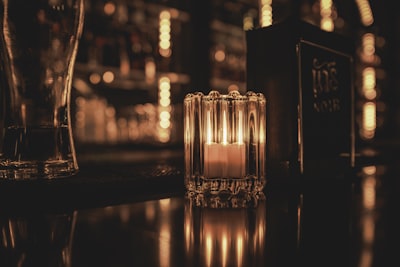
A sophisticated cocktail bar tucked into a courtyard off Dvorni trg, known for creative cocktails and an extensive spirits collection. The intimate space seats about 40 people across a main bar and a small terrace.
Dvorni trg 2, Ljubljana
Pritlicje
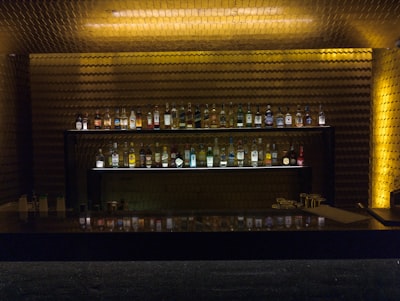
A riverside bar and cultural space on the Ljubljanica's left bank, hosting DJ sets, exhibitions, and community events. The long wooden terrace sits directly on the water's edge, making it one of the best spots for summer evening drinks.
Mestni trg 2, Ljubljana
Cafe Macek
A two-story cafe-bar in the heart of the old town that's been a Ljubljana institution for decades. The upstairs room with its worn wooden floors and mismatched furniture draws a loyal crowd of students, professors, and night owls.
Krojaski prehod 1, Ljubljana
Ziferblat
A concept bar where you pay by the minute (EUR 0.05/min) for unlimited coffee, tea, and snacks in a cozy living room setting. The unusual pricing model creates a relaxed atmosphere where people stay for hours, reading, talking, and playing board games.
Tavcarjeva 9, Ljubljana
Neboticnik Terrace Bar
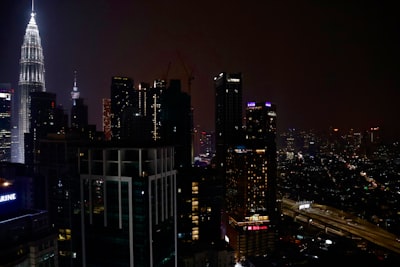
A rooftop bar atop Ljubljana's 1933 skyscraper, the first high-rise in the former Yugoslavia. The 360-degree panoramic view covers the castle, the Julian Alps, and the city center. Cocktails are pricier than street level but the setting justifies it.
Stefanova ulica 1, Ljubljana
Overview and Location
Ljubljana's Old Town wraps around both banks of the Ljubljanica river, stretching from the Triple Bridge (Tromostovje) south to the Cobbler's Bridge (Sustarski most). The castle perches on the hill above, lit at night in a way that turns every riverside seat into a viewing gallery. Joze Plecnik's early 20th-century redesign gave the riverbanks their current form: stone embankments, graceful colonnades, and pedestrian bridges that keep cars out and foot traffic flowing.
Prices confirmed through direct visits in March 2026.
The bar scene here is inseparable from the architecture. Terraces extend to the river's edge, some nearly touching the water. Buildings that housed trade guilds in the 16th century now serve craft cocktails through windows that have been open in some form for 400 years. On a warm Friday evening, every seat along the river is taken by 9 PM, and the sound of clinking glasses carries across the water.
This is Ljubljana at its most photogenic and accessible. Save the edge and chaos for Metelkova. Come here for wine, cocktails, and the kind of evening that unfolds slowly.
Legal Status
The Old Town is Ljubljana's most policed and well-maintained district. All venues operate under standard business licenses. Noise regulations are enforced, and most bars close between midnight and 2 AM to protect residents in the densely built historic center. This isn't a district where anything illegal or semi-legal operates visibly. It's civilized, safe, and regulated.
Costs and Pricing
Prices reflect a European capital, though they sit below cities like Vienna or Munich.
- Beer (domestic, 0.5L): EUR 3.50-5
- Craft beer: EUR 5-7
- Cocktails: EUR 8-14
- Wine (glass, Slovenian): EUR 4-7
- Prosecco/spritz: EUR 6-9
- Coffee (espresso): EUR 1.50-2.50
- Cover charges: None. Open access to all venues
The rooftop bar at Neboticnik charges a premium (cocktails EUR 10-14), which is fair for the view. Riverside terrace prices are consistent across venues, so choosing based on atmosphere rather than cost makes sense.
Street-Level Detail
Walking the Old Town at night starts at Presernov trg, the main square anchored by Preseren's statue and the pink Franciscan church. From here, cross the Triple Bridge into the old town proper. The narrow streets branch south along both riverbanks, and the concentration of bars means you can see into three or four venues from any given spot.
The left bank (west side) has the higher concentration of bars. Pritlicje's wooden terrace sits practically on the water, packed on summer evenings. Cafe Macek hides in a passageway between streets, its entrance easy to miss if you're not looking. The right bank is slightly quieter, with restaurants taking precedence over bars, though wine spots dot the stretch toward the Cobbler's Bridge.
Dvorni Bar requires deliberate seeking. It sits in a courtyard off Dvorni trg, behind the town hall. The entrance is marked but not obvious. Inside, the bartenders craft cocktails with a precision that rivals the best bars in Vienna, at half the price. Getting a seat after 10 PM on weekends requires either luck or a reservation.
Neboticnik, the 1933 skyscraper at Stefanova 1, is a 5-minute walk from the riverbank. The elevator takes you to the 12th floor, where the terrace bar wraps around the building. The view alone is worth one overpriced cocktail. On clear evenings, the Julian Alps are visible to the northwest, and the castle lights up the hillside directly across.
Safety
The Old Town is extremely safe. It's pedestrianized, well-lit, and populated with locals and tourists at all hours during the warmer months.
- Pickpocketing is rare but possible in the summer crowds around the Triple Bridge and the Central Market
- Cobblestone streets are uneven and can be treacherous after rain or after several drinks. Choose shoes with some grip
- Cyclists use some pedestrian areas. Stay aware, especially when crossing bridges or walking along the riverbank paths
- The river itself has no barriers in some sections. Be aware of your proximity to the edge, particularly if drinking on terraces close to the water
No specific scams target tourists in this area. Ljubljana's Old Town is genuinely safe and well-managed.
Cultural Norms
The Old Town crowd is mixed but skews slightly older and more affluent than Metelkova. University professors, young professionals, tourists, and couples dominate the riverside terraces. Conversation volumes stay moderate. Loud, drunken behavior stands out and isn't appreciated.
Slovenians in the Old Town are approachable once you've broken the initial reserve. Commenting on the view, asking for a recommendation, or simply sharing a communal table opens conversations naturally. Wine knowledge helps. Slovenia produces excellent wines, particularly from the Primorska region (whites) and Stajerska (reds and orange wines). Showing interest in Slovenian wine impresses locals and gives your bartender something to work with.
Smoking is banned indoors. Most terraces allow smoking, though some enforce non-smoking zones. Ask before lighting up.
Practical Information
Best nights: Friday and Saturday evenings are peak time. Wednesday and Thursday have decent activity at the more established bars. Summer weeknights can be busier than winter weekends.
Peak hours: 8 PM to midnight. The riverside starts filling during the "golden hour" before sunset and stays busy until closing time. Most bars close by midnight on weeknights, 1-2 AM on weekends.
Season: Terraces operate from April through October. Some venues set up heated outdoor areas in winter. The Christmas market (December) transforms the riverbank into a busy festive zone.
Getting there: Walk from anywhere in central Ljubljana. The Triple Bridge is the natural entry point. From the train station, it's a 10-minute walk south along Miklosiceva and Copova streets.
Reservations: Dvorni Bar and Neboticnik Terrace benefit from reservations on weekend evenings. Most riverside bars operate first-come, first-served.
Castle detour: The funicular to Ljubljana Castle (EUR 4 return) runs until 11 PM. The castle terrace bar offers drinks with arguably the best view in the city. Consider starting your evening up there before descending to the riverside.
Get the Legal Status PDF, 50 countries
Newsletter signup coming soon. Check back shortly.
Frequently Asked Questions
Related Guides
Ljubljana Overview
City guide to nightlife in Ljubljana, covering the Metelkova alternative club complex, old town riverside bars, and practical tips for Slovenia's compact capital.
Read guideMetelkova
District guide to Metelkova Mesto in Ljubljana, the autonomous former military barracks turned alternative culture complex with underground clubs, live music, and graffiti-covered bars.
Read guideWas this guide helpful?