Skadarlija
Illegal but Tolerated4/5SafeDistrict guide to Skadarlija in Belgrade, the cobblestoned bohemian quarter known for traditional Serbian restaurants, live music, and an atmosphere that bridges old Belgrade with modern nightlife.

Where to stay near Skadarlija
Hotels walking distance from the venues on this page.
See places to stay and current pricesBest Nightlife Spots in the Area
Popular clubs, bars, and venues nearby
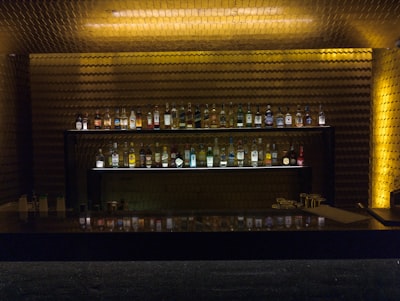
Tri Sesira
One of Skadarlija's oldest and most famous kafanas, operating since 1864. Live music fills the multi-room interior nightly, and the traditional Serbian menu covers all the classics from cevapi to karadjordjeva snicla.
Skadarska 29
Dva Jelena
A grand kafana with a reputation for its grilled meats and boisterous atmosphere. The upstairs dining room has a terrace overlooking the street, and the musicians here play until the last guests leave.
Skadarska 32
Sesir Moj
A more intimate kafana tucked into a courtyard off the main street. The smaller space creates a louder, more intense atmosphere when the music starts, and the rakija selection is among Skadarlija's best.
Skadarska 21
Ima Dana
A mid-range kafana that strikes a balance between tourist-friendly service and authentic atmosphere. The outdoor seating on the cobblestones fills first in summer, and the menu focuses on traditional Vojvodina cuisine.
Skadarska 38
Zlatni Bokal
A wine-focused kafana with an extensive Serbian wine list and a quieter atmosphere than its neighbors. The grilled fish menu sets it apart from the meat-heavy competition, and the courtyard garden offers a retreat from the street's energy.
Skadarska 26
Overview and Location
Skadarlija is a single cobblestoned street running about 400 meters through Belgrade's Stari Grad municipality, from Skadarska's intersection with Dusanova street at the north end to the Republic Square area at the south. The street dates to the 1830s and earned its bohemian reputation in the late 19th century when Serbian writers, actors, and artists made its kafanas their second homes. That tradition hasn't died. It's changed, but it hasn't died.
We visited every venue listed below in person.
The street is narrow, pedestrian-only, and lined on both sides with kafanas whose terraces push out onto the cobblestones in summer. Old-fashioned street lamps light the way. Musicians in traditional dress move between venues. The effect is theatrical but sincere, a neighborhood that's been performing its own identity for 150 years and still believes in the show.
Legal Status
Skadarlija is a restaurant and cultural district, not a nightlife zone in the club sense. The legal context around adult entertainment is irrelevant here. These are kafanas serving food, wine, and rakija with live music. They're licensed restaurants operating well within Serbian law.
What Skadarlija offers is cultural context. Understanding how Serbians socialize, celebrate, and build relationships over long meals is useful background for anyone exploring Belgrade's broader nightlife. The kafana tradition is the root system from which everything else in Serbian nightlife grows.
Costs and Pricing
Skadarlija is moderately priced for the experience it delivers. Prices are higher than neighborhood restaurants elsewhere in Belgrade but reasonable for a tourist-facing cultural district.
- Grilled meat platters: RSD 1,200-2,500 (EUR 10-21)
- Individual dishes (cevapi, pljeskavica, karadjordjeva): RSD 700-1,400 (EUR 6-12)
- Beer (0.5L): RSD 300-400 (EUR 2.50-3.40)
- Wine by the glass: RSD 350-600 (EUR 3-5)
- Rakija (50ml): RSD 200-400 (EUR 1.70-3.40)
- Tipping musicians: RSD 500-1,000 per song request (EUR 4.25-8.50)
A full dinner with drinks, music tipping, and dessert runs RSD 3,000-5,000 (EUR 25-42) per person. That's a complete evening's entertainment, not just a meal.
Street-Level Detail
The street fills from about 7 PM as dinner reservations begin. By 9 PM on weekends, every terrace table is taken and the music is in full swing. Each kafana has its own band, typically three to five musicians playing a mix of traditional Serbian folk songs, old Belgrade ballads, and the occasional crowd-pleasing international number. The sound overlaps between venues, creating an acoustic layer that's chaotic in theory and somehow harmonic in practice.
Tri Sesira at Skadarska 29 has been open since 1864 and anchors the street's north end. The multi-room interior absorbs large groups, and the musicians are seasoned professionals who read the room. Dva Jelena across the street counters with a more boisterous atmosphere and a terrace that catches the evening light. Sesir Moj, set back in a courtyard, offers the most intense musical experience because the smaller space concentrates the sound.
The experience peaks between 10 PM and midnight. By then, the rakija has been flowing for hours, tables are singing along, and the line between performer and audience dissolves. Serbians celebrate loudly. Expect glasses raised, songs requested, and strangers pulled into conversations. This is normal.
Safety
Skadarlija is extremely safe. It's a well-lit pedestrian street filled with families, couples, and groups having dinner. The crowd is relaxed and celebratory. No areas of concern exist.
- Pickpocketing is possible in summer crowds but uncommon
- Prices are listed on menus at reputable kafanas. Read before ordering to avoid surprises
- Some establishments charge cover for the musicians through a "music fee" added to the bill, typically RSD 200-500 per person. This is legitimate and standard, not a scam
- The surrounding streets are residential and well-lit. Walking to Republic Square or Kalemegdan after dinner is safe
Cultural Norms
Kafana etiquette has unwritten rules. Order food and drinks, not just drinks. These are restaurants first. Sitting for hours over coffee is fine, but occupying a dinner table without eating during peak hours is poor form. Ordering a mixed grill platter or cevapi with a bottle of house wine is the standard move.
Musicians appreciate song requests. Have RSD 500-1,000 ready to hand to the band leader when making a request. They know everything from traditional Serbian songs to international hits. Requesting "Kad Sam Bio Mlad" or "Tamo Daleko" marks you as someone who's done their homework. Any Serbian folk song will get an approving nod from neighboring tables.
Serbians celebrate at kafanas. Birthdays, anniversaries, promotions, and "just because" are all valid reasons for a Skadarlija evening. If a nearby table is celebrating, don't be surprised if they offer you a glass of rakija or invite you to join a toast. Accept. This is genuine hospitality, not a setup.
Practical Information
Best nights: Friday and Saturday for the full experience. Weeknights are quieter but still have music.
Peak hours: 9 PM to midnight. Reservations are strongly recommended for Friday and Saturday dinners, especially for terrace seating in summer.
Season: Year-round. Summer brings the terrace experience; winter moves everything indoors, where the atmosphere gets even more intense in the smaller spaces.
Getting there: A 5-minute walk from Republic Square and the pedestrian zone of Knez Mihailova street. Bus lines along Dusanova street pass the north end of Skadarlija.
What to order: Cevapi (grilled minced meat rolls), pljeskavica (Serbian burger), karadjordjeva snicla (breaded stuffed veal), or a mixed grill platter. Pair with Prokupac or Vranac red wine, or start with a round of sljivovica (plum rakija).
Moving on: Skadarlija winds down by midnight. Most diners move on to bars in the city center (a 5-minute walk), Strahinjica Bana (15 minutes by Car:Go), or the splavovi in Savamala.
Get the Legal Status PDF, 50 countries
Newsletter signup coming soon. Check back shortly.
Frequently Asked Questions
Related Guides
Belgrade Overview
City guide to adult nightlife in Belgrade, covering the splavovi river clubs, Strahinjica Bana cocktail strip, Savamala warehouse scene, and safety tips for Serbia's capital.
Read guideSavamala
District guide to Savamala in Belgrade, the riverside warehouse district home to the city's famous splavovi river clubs and electronic music venues.
Read guideStrahinjica Bana
District guide to Strahinjica Bana in Belgrade, locally nicknamed 'Silicon Valley' for its concentration of cocktail bars, lounges, and clubs where the city's most fashionable crowd gathers.
Read guideWas this guide helpful?