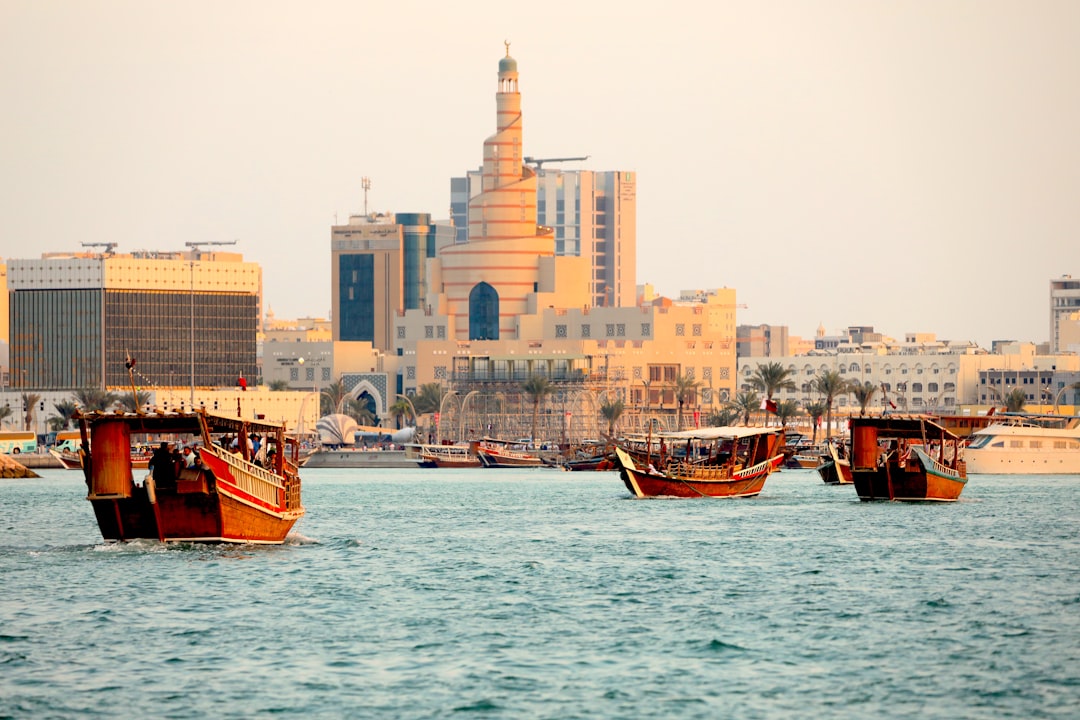


Before You Travel to Qatar
Five things every smart traveler sorts before booking.
- 1
Passport valid 6+ months from entry date
Most countries refuse entry on passports expiring within six months. Renew now if you're close.
- 2
Visa requirements for Qatar
Some are visa-free, some require an e-visa filed days ahead, some need an embassy appointment.
- 3
Travel insurance booked
A hospital visit in Qatar can run $4,000-15,000 without cover. Credit card insurance usually excludes alcohol-related incidents.
- 4
eSIM data plan ready before landing
Airport SIM kiosks need your passport and overcharge tourists. Install an eSIM in 60 seconds, online before you fly.
- 5
Accommodation reserved in the right district
The wrong neighborhood means a 45-minute taxi every night. Map the venues first, then book.
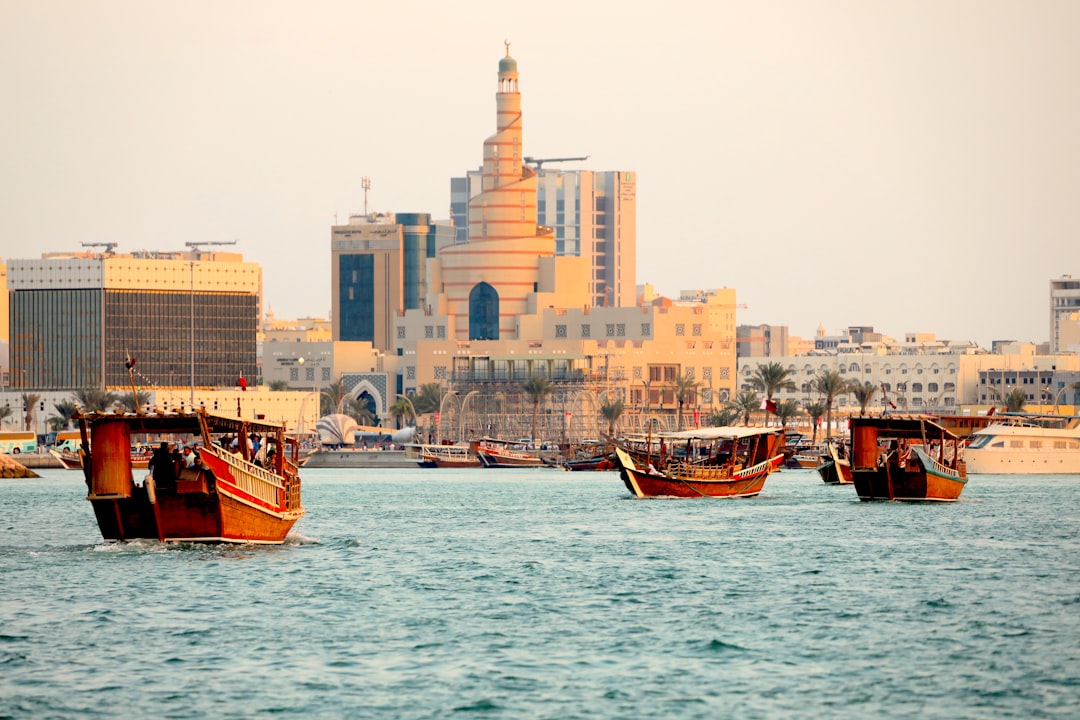
Compare hotels in Qatar
Hotels, hostels, and short-term rentals across the country's main nightlife cities.
Legal Framework
Adult entertainment and prostitution are illegal in Qatar under Law No. 11 of 2004 (the Penal Code). Offenses carry prison sentences of up to five years, heavy fines, and deportation for foreign nationals. The law covers solicitation, pimping, and any exchange of money for sexual services. Qatar applies these laws to all individuals within its borders regardless of nationality.
Our field team visited Qatar most recently in March 2026.
Alcohol is available only in licensed hotel venues, private clubs, and the Qatar Distribution Company (QDC) for residents holding a government-issued permit. Public intoxication is a criminal offense. Bringing alcohol into the country is prohibited except for small duty-free allowances.
Enforcement Reality
Qatar enforces its laws consistently. Police conduct regular checks at hotels and entertainment venues. Undercover operations target both solicitation and illegal alcohol distribution. The country's small size and extensive surveillance infrastructure mean that enforcement reaches every corner.
Deportation is standard for convicted foreign nationals. Even an accusation can result in detention, passport confiscation, and a lengthy legal process. Qatar's judicial system operates under a combination of civil law and Sharia principles. Legal proceedings move slowly, and consular access has its limits.
Digital monitoring is a reality. Social media activity and messaging platforms are subject to oversight. Explicit conversations or solicitation through digital channels can lead to prosecution.
Cultural Context
Qatar is a conservative Islamic monarchy where public life follows traditional Gulf norms. The country's rapid modernization since the 2000s, accelerated by the 2022 FIFA World Cup, has brought international hotels, restaurants, and entertainment options to Doha. But the cultural foundation remains deeply conservative.
Dress codes in public spaces require covered shoulders and knees. Hotels and licensed venues are more relaxed, though the contrast between what's acceptable inside a five-star bar and what's expected on the street outside catches many visitors off guard. During Ramadan, eating, drinking, and smoking in public during daylight hours is forbidden for everyone.
Qatari nationals make up only about 10-15% of the population. The rest are expatriate workers from South Asia, Southeast Asia, Europe, and other Arab countries. This creates a layered social environment where different communities operate by different informal rules, but all are bound by the same laws.
Dating Culture
Dating in Qatar exists but operates under significant constraints. Unmarried cohabitation is illegal. Public displays of affection can draw complaints and police attention. Holding hands is generally tolerated for married couples, but kissing or embracing in public spaces is not.
The expatriate community socializes more openly in private settings and licensed hotel venues. Cross-cultural dating happens but remains discreet. Qatari nationals almost never date foreigners openly due to family expectations and social pressure.
Gender dynamics reflect traditional values. Women, both Qatari and expatriate, move freely in public, but unwanted attention or harassment is taken seriously by authorities. Complaints are investigated, and penalties can be severe.
Dating Apps
Tinder and Bumble are used in Qatar, primarily by the expatriate community. The user base is smaller than in the UAE, reflecting Qatar's smaller population. Many profiles belong to short-term visitors or workers on temporary contracts.
Exercise caution. Scam profiles exist, and any exchange of money for companionship is a criminal offense. Keep conversations appropriate and meet in public, licensed venues.
Key Cities
Doha is Qatar's only significant nightlife destination. Nearly all licensed bars, lounges, and entertainment venues are concentrated in the city's hotels, particularly in West Bay and The Pearl-Qatar. The scene is small compared to Dubai but growing.
Safety Considerations
Qatar is one of the safest countries in the world for personal security. Violent crime against tourists is almost nonexistent. The primary risks are legal:
- Drug offenses carry penalties up to the death sentence, including for trace amounts
- Public intoxication is a criminal offense. Take a taxi back to your hotel
- Photographing people without consent, particularly women, can lead to arrest
- Disrespecting Islam, the Emir, or the national flag is a criminal offense
- Overstaying a visa results in daily fines and potential detention
- Any form of paid companionship is illegal and actively enforced
Common Scams
Taxi overcharging. While Qatar's Karwa taxis use meters, some drivers take longer routes for tourists. Use Uber or Careem for transparent pricing.
Fake event promoters. Individuals offering access to "exclusive parties" at private locations should be avoided entirely. Stick to licensed hotel venues.
Currency exchange. Exchange money at banks or official exchange offices. Street exchanges may involve counterfeit bills or unfavorable rates.
What Not to Do
- Do not engage in or solicit any form of paid companionship. Penalties include imprisonment and deportation
- Do not carry any controlled substances, including some prescription medications. Check Qatar's restricted list before traveling
- Do not consume alcohol outside licensed venues or appear intoxicated in public
- Do not photograph strangers, government buildings, or military sites
- Do not make offensive gestures or use profanity in public
- Do not criticize Islam, the Emir, or Qatar's government, including on social media
- Do not cohabit with someone of the opposite sex unless legally married
- Do not bring pork products or alcohol into the country without proper authorization
Sources
- U.S. Department of State: Qatar Travel Advisory - Entry requirements, safety alerts, and local law summary
- UK Foreign, Commonwealth & Development Office: Qatar Travel Advice - Safety, health, and legal information for travelers
- Australian Government Smartraveller: Qatar - Travel advisory and practical information
Get the Legal Status PDF, 50 countries
Newsletter signup coming soon. Check back shortly.
Emergency Information: Qatar
- Emergency:
- 999
- Embassy Note:
- Most embassies are located in Doha's Diplomatic Area in West Bay.
Also Worth Considering
Bahrain
Guide to adult nightlife in Bahrain covering Manama's hotel bars, Juffair district, legal context, costs, and practical tips for visitors.
Israel
Guide to adult nightlife in Israel covering Tel Aviv's bar districts, legal context, costs, safety warnings about the ongoing conflict, and practical tips.
Jordan
Jordan's nightlife revolves around Amman's hotel bars and upscale lounges in a conservative society where alcohol is legal but adult entertainment is not. A guide to the legal scene, safety, and cultural expectations.
Kuwait
Kuwait is a completely dry country with no legal alcohol. Nightlife revolves around cafes, shisha lounges, and entertainment venues. A guide to what's available, cultural norms, and what to avoid.
Similar Countries in Other Regions
Countries with a similar overall score to Qatar (2.2) but in different parts of the world.
Barbados
2.4Caribbean
Barbados nightlife centers on the south coast's Saint Lawrence Gap, a short strip of bars and clubs catering to tourists and locals alike. Expect high prices, a safe atmosphere by Caribbean standards, and a small but consistent scene shaped by rum culture and soca music.
Bermuda
2.4North Atlantic
A guide to nightlife in Bermuda, covering Hamilton's bar scene, local laws, safety, costs, and cultural norms on this mid-Atlantic island territory.
Iceland
2.4Northern Europe
Reykjavik's weekend nightlife runs late and loud, but Iceland's small population and Nordic model laws make for a scene that's safe, expensive, and low-key. A guide to what's legal, what's not, and what to expect.
Was this guide helpful?