Barranco
Illegal but Tolerated3/5ModerateDistrict guide to Barranco in Lima, the bohemian arts neighborhood with bars, live music venues, and late-night clubs south of Miraflores.

Where to stay near Barranco
Hotels walking distance from the venues on this page.
See places to stay and current pricesAfter Dark
Sorted by rating and popularity
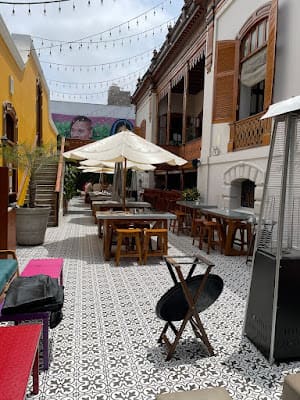
Ayahuasca Restobar
Upscale cocktail bar set inside a restored 19th-century mansion with Amazonian-themed decor across multiple rooms. One of Lima's most recognized bars, known for creative pisco-based drinks and an atmospheric setting.
Av. San Martín 130, Barranco
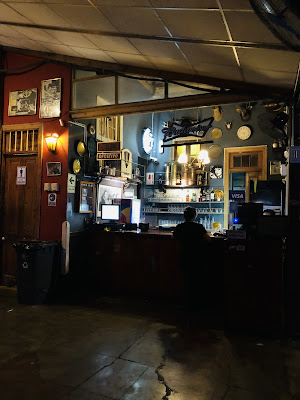
Sargento Pimienta
Rock bar operating since 1975 with regular live music spanning rock, salsa, and Latin genres. A longtime fixture of Barranco's music scene that draws both locals and visitors on weekend nights.
Av. Francisco Bolognesi 757, Barranco
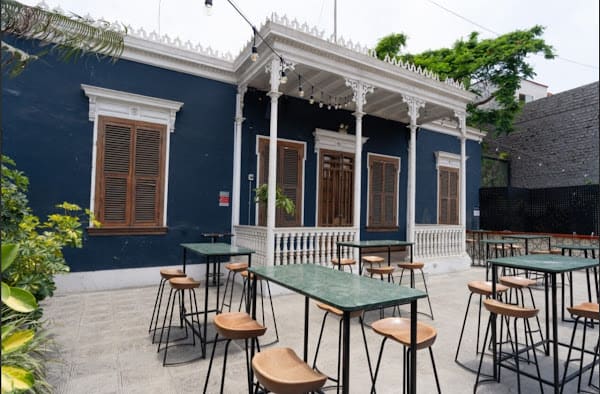
Dada Bar
Dadaism-inspired restobar occupying a renovated colonial mansion with indoor and outdoor spaces decorated by local artists. The cocktail menu leans creative, matching the artistic concept of the space.
Av. Almirante Miguel Grau 430, Barranco
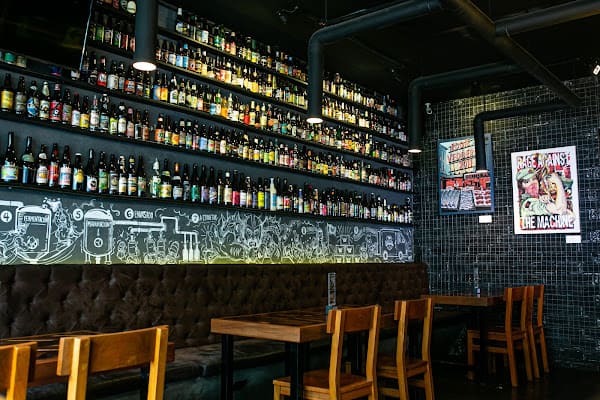
BarBarian
Craft beer brewpub producing its own lineup of Peruvian-brewed beers alongside pub food. Open late on weekends with a casual atmosphere popular with younger crowds.
Av. Pedro de Osma 144, Barranco
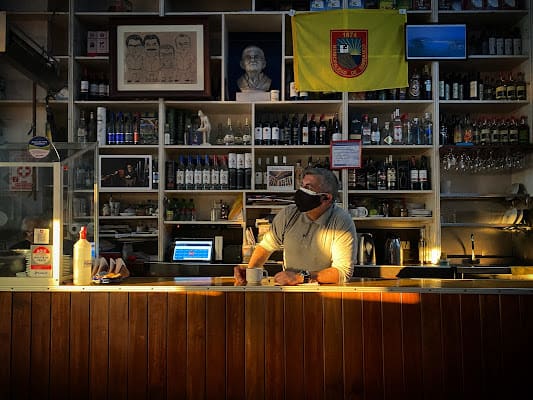
Juanito de Barranco
No-frills tavern operating since 1937, originally a hardware store turned neighborhood institution. Famous for its chilcano cocktails and simple sandwiches served in an unpretentious setting near the main plaza.
Av. Almirante Miguel Grau 270, Barranco
Overview and Location
Barranco sits on the Pacific coast just south of Miraflores, about 10 minutes by taxi from the tourist center of Lima. The neighborhood occupies a bluff above the ocean, with steep lanes running down toward the water and a compact grid of streets lined with colonial-era mansions, many now converted into bars, restaurants, and galleries. Street art covers half the walls. It's a place that looks good in daylight and sounds better after dark.
This guide is based on multiple evenings spent in Barranco.
This is where Lima's creative class goes out. Artists, musicians, writers, and university students fill the bars on weekends, joined by young professionals from across the city and a growing number of foreign visitors who've heard Barranco is the "real" Lima nightlife experience. That reputation is earned. The scene here feels less manufactured than Miraflores, with more live music, more variety, and a crowd that's there for the atmosphere rather than the Instagram shot.
Legal Status
Prostitution is legal in Peru for adults 18 and older under national law. Licensed establishments operate under municipal regulations, and workers in registered venues are required to carry health cards (carnet de sanidad) with regular medical checkups. Barranco itself is not known as an adult entertainment district in the commercial sense. The nightlife here is centered on bars, clubs, and live music rather than licensed establishments.
Pimping, trafficking, and exploitation carry serious criminal penalties under Peruvian law. Lima's municipal police have increased operations against unlicensed establishments in recent years, particularly those suspected of involving minors or trafficking victims. Street-level solicitation does occur along some of the darker streets around the periphery of the nightlife zone, but it's not the defining feature of the area.
Costs and Pricing
Barranco sits in the middle of Lima's pricing spectrum. It's cheaper than the upscale spots in Miraflores but more expensive than the historic center or neighborhoods further from the tourist circuit.
Drinks: A pisco sour at a popular bar costs 20-35 PEN ($5-10 USD). Craft beers run 15-25 PEN. At Ayahuasca, cocktails hit 30-45 PEN. Cheaper bars along the side streets serve beers for 8-12 PEN and basic cocktails for 15-20 PEN.
Food: Dinner at a mid-range restaurant in Barranco costs 35-70 PEN ($10-20 USD) per person. Street food and small eateries near the main square offer meals for 15-25 PEN. Cevicherias in the area charge 25-45 PEN for a plate.
Cover charges: Most bars don't charge cover. Clubs charge 15-30 PEN on weekends, sometimes including a drink. Live music venues like penas typically charge 20-40 PEN entry.
Transport: A ride-hailing trip from Miraflores to Barranco costs 8-15 PEN. Return trips late at night may run slightly higher due to surge pricing.
Full evening estimate: Budget 150-300 PEN ($40-80 USD) for dinner, several rounds of drinks, club entry, and transport both ways.
Street-Level Detail
The Bajada de Banos is the natural starting point. This sloping lane drops from the neighborhood's main street toward the coast, passing under the Puente de los Suspiros (Bridge of Sighs), a wooden bridge that's become Barranco's most photographed landmark. Restaurants and bars line both sides of the descent, with outdoor seating and music drifting from open doorways. On weekend nights, the whole path fills with people moving between venues.
Ayahuasca Restobar (Av. San Martin 130) is probably Barranco's most recognized bar. It occupies a restored 19th-century Republican mansion with high ceilings, aged wooden floors, and multiple rooms, each with its own character. The cocktail menu is heavy on pisco variations. Expect to wait for a table on Friday and Saturday nights. Cocktails run 30-45 PEN.
Juanito de Barranco, on the main square, has been pouring drinks since 1937. It started as a hardware store and evolved into a neighborhood tavern. The crowd here is local and unpretentious. It's a good starting point before heading to the louder spots.
The streets around the Parque Municipal hold a cluster of bars and restaurants. Dada Bar and Victoria Bar are smaller, moodier spots popular with locals. The craft beer scene has a foothold here too, with outposts from Barbarian and the Barranco Beer Company serving Peruvian microbrews.
Live music is a strong draw. Penas (folk music venues) feature traditional criollo performances and Peruvian folk music. These are sit-down affairs with food, drink, and musicians performing into the early hours. The music is acoustic, emotional, and distinctly Peruvian. Don Porfirio and La Candelaria are well-known pena options.
Clubs in Barranco fill up after midnight and stay open until 4 or 5 AM. The crowd skews young (20s and 30s), and the music ranges from reggaeton and electronic to cumbia and rock en espanol. Dress code is relaxed compared to upscale Miraflores clubs, but flip-flops and beach wear won't fly at the more popular spots.
Safety
Barranco's main nightlife zone, the area bounded by the Bajada de Banos, Parque Municipal, and the surrounding blocks, is generally safe with good foot traffic and reasonable lighting. The neighborhood has a younger, more laid-back feel than Miraflores, and the crowd is overwhelmingly local and non-threatening.
That said, safety degrades quickly once you move away from the well-trafficked streets. The residential blocks south and east of the main zone are darker, emptier, and not places to wander after midnight. The streets leading down to the coast below the Bajada de Banos get quiet and poorly lit late at night.
- Always use Uber, Beat, or InDrive to get home. Do not walk to Miraflores after dark, even though it's close
- Phone snatching by motorcyclists is a risk throughout Lima, including Barranco. Keep your phone in your pocket when walking between venues
- Don't carry more cash than you need. Leave your passport at your accommodation and carry a photocopy
- Drink spiking happens in Lima's nightlife. Watch your glass, accept drinks only from bartenders, and go out with people you trust
- If someone tries to rob you, don't resist. Hand over your belongings and report to the tourist police (POLTUR) afterward
Cultural Context
Barranco has been Lima's artistic quarter since the early 20th century, when poets and musicians began gathering in its seaside mansions. That identity persists. The neighborhood's galleries, street art, and music culture aren't tourist attractions bolted on; they grew organically from the community that lives here.
The nightlife rhythm follows standard Lima timing. Nobody shows up to a bar before 10 PM. Clubs don't get going until midnight. Closing time stretches to 4 or 5 AM. Eating dinner out first is part of the routine, and Barranco's restaurant scene rewards the effort.
Peruvians are social and direct. Conversations start easily, especially over drinks. Spanish opens every door. English is understood at the more tourist-oriented bars but rare at the neighborhood joints that make Barranco interesting. Even a few phrases change how people interact with you.
Dress code is smart casual at most places. Barranco is more forgiving than Miraflores on this front, but showing up in hiking clothes marks you as a tourist immediately. Locals dress well for a night out, and matching that effort is noticed.
Scam Warnings
Unlicensed taxis are the biggest danger in Lima's nightlife, including Barranco. Express kidnappings (paseo millonario) target tourists leaving bars. The pattern is consistent: the victim gets into an unmarked taxi, accomplices appear, and the victim is driven to ATMs and forced to withdraw the daily maximum. Always use Uber, Beat, or InDrive. Never hail a random car from the street.
Overcharging at bars: Some venues inflate prices for foreign-looking customers or add items to the bill. Check prices before ordering and review your receipt line by line. If something looks wrong, raise it calmly with staff.
The friendly local who knows a "better" place: Someone strikes up a conversation and suggests moving to a bar or restaurant where they earn a commission on your spending. It's usually harmless but you'll pay more than necessary. Pick your own venues.
Distraction theft: One person engages you while a partner lifts your phone or wallet. Be aware of your surroundings, especially in crowded areas around the Bajada de Banos on weekend nights.
Nearby Areas
Miraflores is immediately north, a 10-minute taxi ride. It's Lima's safest and most tourist-friendly district, with Calle de las Pizzas (the main bar street), the Larcomar clifftop mall, and dozens of restaurants. Miraflores is the natural base for most visitors.
Chorrillos borders Barranco to the south. It's a working-class district without much tourist infrastructure. There's no reason to head in that direction at night.
The Malecon boardwalk connects Miraflores and Barranco along the clifftops above the Pacific. It's popular with joggers and couples during the day, but walking it after dark is not advised.
Meeting People Nearby
Barranco is Lima's best neighborhood for organic social encounters. The bar scene attracts a genuine mix of locals, expats, and travelers, and the atmosphere rewards conversation over bottle service. Ayahuasca and the bars around Parque Municipal draw the most internationally mixed crowds. Language exchanges happen regularly at bars and cafes in both Barranco and Miraflores, organized through Facebook groups and InterNations meetups. The Malecon boardwalk between Miraflores and Barranco is a daytime social spot popular with runners and digital nomads. For a full overview of Lima's social scene and dating culture, see the main Lima city guide.
Best Times
Lima's desert climate means Barranco's nightlife runs year-round without weather interruption. Summer (December through March) brings warmer evenings, around 25-30C, and the biggest crowds. Winter (June through September) is cooler (15-19C) with a persistent gray mist called garua, but bars and clubs still fill up.
- Thursday through Saturday is peak nightlife. Wednesday is growing in popularity
- 10 PM - midnight: Bars are busy, dinner crowds transitioning to drinks
- Midnight - 2 AM: Clubs hit their peak
- 2 AM - 5 AM: Late-night crowd, smaller venues close, main clubs stay open
- Sundays and Mondays are quiet; many venues close or operate reduced hours
What Not to Do
- Do not get into unlicensed taxis, especially after drinking
- Do not walk between Barranco and Miraflores after dark
- Do not wander into the residential streets away from the main nightlife zone late at night
- Do not display expensive phones, cameras, or jewelry while walking between bars
- Do not carry your passport; a photocopy is sufficient
- Do not accept drinks from strangers or leave your glass unattended
- Do not resist a robbery; comply and report to POLTUR afterward
- Do not show up to bars before 10 PM and expect atmosphere; Barranco starts late
- Do not engage with anyone who appears underage; penalties under Peruvian law are severe
- Do not assume that every friendly approach is genuine; maintain awareness without paranoia
Get the Legal Status PDF, 50 countries
Newsletter signup coming soon. Check back shortly.
Frequently Asked Questions
Related Guides
Lima Overview
City guide to adult nightlife in Lima, covering entertainment districts, safety advice, and cultural context.
Read guideMiraflores
District guide to Miraflores in Lima, Peru's safest and most tourist-friendly nightlife zone with Parque Kennedy, Calle de las Pizzas, and Larcomar.
Read guideWas this guide helpful?