San Blas
Illegal but Tolerated3/5ModerateDistrict guide to San Blas in Cusco, the artisan quarter above Plaza de Armas with quieter bars, live Andean music, and bohemian nightlife.

Where to stay near San Blas
Hotels walking distance from the venues on this page.
See places to stay and current pricesNightlife Picks
Bars, clubs, and lounges in the area
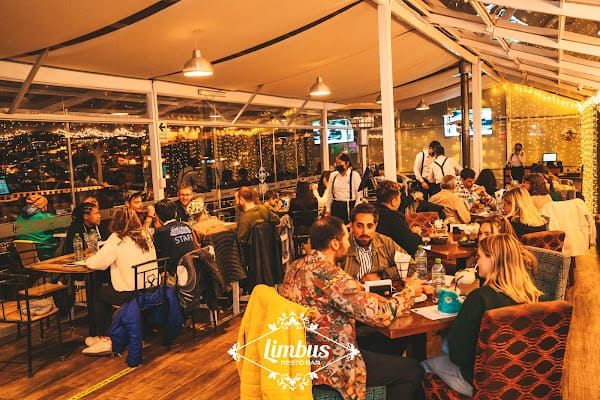
Limbus Restobar
Rooftop bar in San Blas with panoramic views over Cusco's red tile roofs. Cocktails and Peruvian tapas. Best visited at sunset before the night picks up.
Tandapata 598
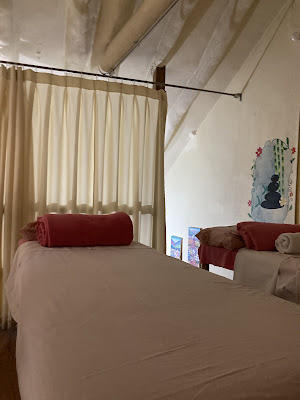
The Muse
Art-filled bar on Tandapata street with live acoustic music several nights a week. Craft cocktails and a mellow crowd. No cover.
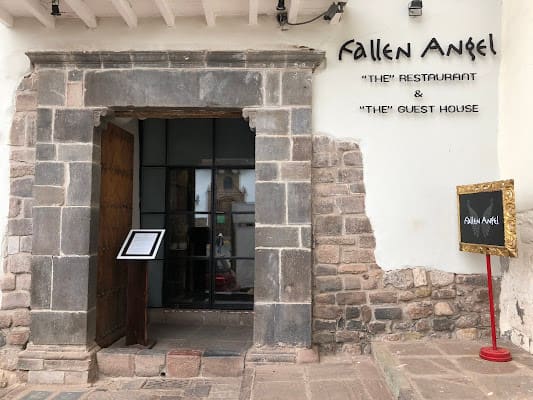
Fallen Angel
Eccentric upscale restaurant and bar near the San Blas plaza. Glass-topped bathtub tables, strong cocktails, and unusual decor. Pricier than most San Blas spots.
Plazoleta Nazarenas 221
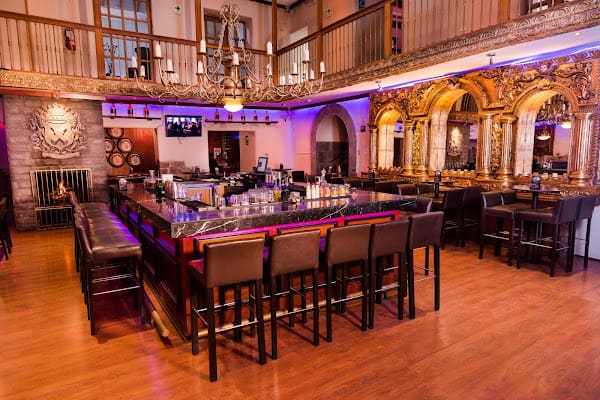
Republica del Pisco
Pisco-focused bar with over 40 varieties and well-made pisco sours. Small space that fills quickly. Good live music some evenings.
Tandapata 160
Overview and Location
San Blas perches on a steep hillside above Cusco's Plaza de Armas, a 10-minute uphill walk through narrow cobblestone streets lined with Inca stonework and whitewashed colonial facades. The neighborhood centers on the small Plazoleta de San Blas, a quiet square overlooked by the 16th-century Iglesia de San Blas and surrounded by artisan workshops, galleries, and cafes. By day, it's the city's craft shopping district. After dark, it shifts into Cusco's calmer nightlife alternative.
Our researcher spent several nights in this area compiling notes.
Where Procuradores ("Gringo Alley") near the main plaza offers loud clubs and free-drink promoters, San Blas gives you live Andean music in small bars, candlelit conversations, and a crowd that skews older and more settled. Long-term residents, artists, yoga practitioners, and travelers who chose Cusco on purpose rather than just passing through between flights tend to end up here. The trade-off is clear: less energy, more substance.
Legal Status
The same national legal framework that applies elsewhere in Peru governs Cusco. Prostitution is legal for adults 18 and older, and licensed establishments operate under municipal regulations with workers required to hold health cards (carnet de sanidad).
San Blas has no visible adult entertainment industry. The neighborhood's character is artisan and bohemian, not commercial in that sense. The bars and music venues here are standard drinking and entertainment spots. Cusco's tourism police (POLTUR) maintain a visible presence in the broader historic center, including the routes between San Blas and the Plaza de Armas, and they're experienced in dealing with foreign visitors.
Costs and Pricing
Cusco is cheap. San Blas prices are comparable to the Plaza de Armas area, and significantly lower than Lima.
Beer: A large bottle of Cusquena (the local lager, brewed in Cusco) costs 10-18 PEN ($3-5 USD) depending on the venue. Craft beers, where available, run 15-22 PEN.
Cocktails: Pisco sours cost 15-25 PEN. Mixed drinks at the more popular bars go for 20-35 PEN. Simpler cocktails at smaller spots are 12-20 PEN.
Wine: Available by the glass at 15-25 PEN. Peruvian wine is improving but most bars stock Argentine and Chilean options as well.
Food: Dinner at a mid-range San Blas restaurant costs 25-50 PEN ($7-14 USD) per person. Cafes and smaller eateries offer meals for 12-20 PEN. The neighborhood has several good bakeries and coffee spots for daytime fuel.
Live music covers: Some venues charge 10-20 PEN entry when bands are playing. Others include music at no extra charge.
Transport: A taxi from San Blas down to the Plaza de Armas costs 5-8 PEN. The walk down is easy (gravity helps), though the walk back up at altitude after drinks is another matter.
Full evening estimate: A night out in San Blas, including dinner, several drinks, and a taxi home, runs about 80-150 PEN ($22-40 USD). It's hard to spend a lot of money here even if you're trying.
Street-Level Detail
The walk up to San Blas from the Plaza de Armas follows Cuesta de San Blas, a steep cobblestone lane that would be a casual five-minute stroll at sea level but takes ten minutes at 3,400 meters, especially in your first few days. The Inca stone walls along the way are original, fitted without mortar, and still perfectly aligned after five centuries. The famous twelve-angled stone on Hatun Rumiyoc street is on the route.
The Plazoleta de San Blas is the neighborhood's anchor. This small square is where people gather to sit, talk, and watch the evening develop. A few restaurants and cafes with outdoor seating ring the plaza. The Iglesia de San Blas, built in 1563, has an ornately carved cedar pulpit that's considered one of the finest examples of colonial woodwork in the Americas.
Los Perros (Calle Tandapata 100) is San Blas's most well-known bar. Run by a Dutch owner, it has eclectic decor, comfortable seating, a broad cocktail and food menu, and weekend DJs playing chilled electronic music. It's a reliable starting point for an evening and tends to attract a mixed crowd of travelers and longer-term residents.
KMO Bar, up the stairs by the fountain on the Plazoleta, is small, candlelit, and built into old stonework. Live music plays most nights, rotating between Andean folk, trova, jazz, and fusion acts. Shows typically start at 8 or 9 PM. The space is intimate enough that you're practically sitting with the band.
BarDen Lounge offers creative cocktails and a cozy atmosphere in the San Blas area. It's a good option for a quieter drink in a setting that prioritizes conversation over volume.
The streets branching off from the Plazoleta hold small galleries, craft workshops, and a handful of restaurants that stay open into the evening. Artisan shops selling textiles, ceramics, and silver work are concentrated along Calle Tandapata and the lanes leading to the Plazoleta. Some stay open until 9 or 10 PM, blending the boundary between daytime shopping and evening socializing.
The live music in San Blas is the neighborhood's real draw. Andean folk music features instruments like the charango (a small stringed instrument made from an armadillo shell), the quena (Andean flute), and the cajon (a box drum). Fusion acts blend these traditional sounds with jazz, rock, and electronic elements. The quality of musicianship here is genuinely high; Cusco attracts serious performers from across Peru and the Andean region.
Safety
San Blas is one of the safer areas in Cusco for evening activity, but there are specific risks to manage.
Altitude is the primary concern. At 3,400 meters, San Blas is already above Cusco's average elevation because it sits on a hill. Alcohol intensifies altitude sickness symptoms dramatically. Headaches, nausea, dizziness, and shortness of breath are common for new arrivals, and adding alcohol makes everything worse. Take at least one full day to acclimatize before going out drinking.
The streets are the second risk. Cobblestones are uneven and slippery, especially after the afternoon rains that fall during wet season (November through April). Street lighting is inconsistent once you leave the main routes. Carry a small flashlight or use your phone light. The combination of altitude, alcohol, dark streets, and uneven footing has sent more than a few tourists to Cusco's hospitals.
- Stick to the main walking routes between San Blas and the Plaza de Armas at night
- Avoid poorly lit side streets, especially the lanes that lead away from the tourist core
- Drink spiking is Cusco's most serious nightlife safety issue; it happens less in San Blas than on Procuradores but the risk still exists. Watch your glass at all times
- Keep your phone and wallet secure; petty theft and pickpocketing target tourists throughout the historic center
- Carry only the cash you need and a photocopy of your passport, not the original
- Coca tea (mate de coca) before heading out can help with altitude symptoms. It's legal and served at most cafes and hotels
Cultural Context
San Blas has been Cusco's artisan neighborhood since at least the colonial period. Many families here have been producing textiles, ceramics, and silver work for generations. The neighborhood's identity is built on craft and creativity, and that shapes the nightlife culture.
Cusco's population is predominantly Quechua. The culture blends Inca heritage with Spanish colonial tradition in ways that are visible everywhere, from the stone walls to the religious festivals to the music played in bars. Locals are generally welcoming toward tourists (the economy depends on them), but there's an understandable weariness with visitors who treat the city as a party playground.
San Blas in particular draws people who are here to appreciate Cusco rather than just check it off a list. Conversations here tend to be more thoughtful than the boozy backpacker exchanges on Procuradores. Showing interest in the music, the art, or the culture earns genuine warmth from locals and longer-term residents.
Spanish is the working language. Quechua is still spoken widely among older residents. English is common enough at tourist-facing bars, but your experience improves dramatically with even basic Spanish. Tipping is appreciated at bars and restaurants; rounding up the bill or leaving 10% is standard.
Scam Warnings
Drink spiking remains a real threat across Cusco's nightlife, including San Blas. While the risk is highest on Procuradores, incidents have been reported in San Blas bars as well. Criminals drug unattended drinks and rob victims who become incapacitated. Never leave a drink unattended. Never accept open drinks from strangers. Go out with people you trust and look out for each other.
Taxi overcharging: Cusco taxis don't use meters. Agree on the price before getting in. A ride within the historic center, including San Blas to Plaza de Armas, should cost 5-8 PEN. Don't pay more than 10 PEN for any trip within the center.
The "massage" approach: People approach tourists on the streets between San Blas and the Plaza, offering massages, friendship bracelets, or conversation while a partner pickpockets you. Keep walking and keep your hands on your belongings.
Fake artisan goods: Some shops in San Blas sell mass-produced goods from China or Bolivia labeled as handmade Cusqueno artisan work. Genuine artisan pieces cost more than factory products. If the price seems too low for handmade work, it probably isn't handmade.
Nearby Areas
Plaza de Armas is a 10-minute downhill walk. The main square anchors Cusco's nightlife, with bars and restaurants on multiple levels and balcony seating overlooking the plaza. This is the safest, most heavily policed area of the city at night.
Procuradores (Gringo Alley) runs off the Plaza de Armas and is the epicenter of Cusco's loud backpacker nightlife. Free drinks, cheap shots, reggaeton, and bar promoters pulling tourists through the doors. The atmosphere is the opposite of San Blas; it's where drink spiking incidents concentrate.
Sacsayhuaman is the Inca fortress above Cusco, a 30-minute walk uphill from San Blas. A daytime visit only; the site closes in the evening and the road up is not safe after dark.
Meeting People Nearby
San Blas is where Cusco's longer-term residents, artists, and expats tend to spend their evenings. The atmosphere rewards conversation over volume, making it easier to form genuine connections than in the chaotic Procuradores scene. Los Perros is probably the best single venue for meeting a mixed crowd of travelers and locals. The organic cafes and small restaurants around the Plazoleta attract yoga retreat operators, trekking guides, and digital nomads who've settled in for weeks or months. Hostel-organized pub crawls and walking tours are better options for the backpacker social circuit; these typically start around the Plaza de Armas. For a full overview of Cusco's social scene, see the main Cusco city guide.
Best Times
Cusco's nightlife peaks during the dry season (May through October), with the heaviest tourist traffic from June through August. June's Inti Raymi festival brings huge crowds and a festive atmosphere throughout the city.
- Dry season (May - October): Cold, sunny days and freezing nights (dropping to 0-5C). Bring a warm jacket for walking between bars. Most active nightlife period
- Wet season (November - April): Afternoon rains, smaller crowds, lower prices. Nightlife still runs but at reduced intensity
- 8 PM - 10 PM: Live music starts at most venues. Good time to arrive and settle in
- 10 PM - midnight: Bars at their busiest. San Blas quiets down before the Plaza de Armas area
- After midnight: Most San Blas bars thin out. Dedicated late-night revelers head downhill to the clubs around the Plaza
- Friday and Saturday are the busiest nights year-round
What Not to Do
- Do not go out drinking on your first day in Cusco. Give your body 24 hours to adjust to the altitude
- Do not leave your drink unattended, even for a moment
- Do not underestimate the uphill walk back to San Blas after several drinks at altitude; take a taxi
- Do not walk on poorly lit side streets away from the main routes at night
- Do not flash expensive electronics or jewelry on the street
- Do not carry your passport; bring a photocopy instead
- Do not resist a robbery; hand over your belongings and report to POLTUR
- Do not accept open drinks from strangers or bar promoters
- Do not engage with anyone who appears underage; Peruvian law enforcement takes this extremely seriously
- Do not compare San Blas unfavorably to the Plaza de Armas party scene in front of locals; the neighborhood takes pride in its distinct character
Get the Legal Status PDF, 50 countries
Newsletter signup coming soon. Check back shortly.
Related Guides
Cusco Overview
City guide to nightlife in Cusco, covering the tourist city's entertainment scene, altitude safety, and practical advice.
Read guideProcuradores (Gringo Alley)
Guide to Calle Procuradores in Cusco, the backpacker nightlife strip known as Gringo Alley, with drink spiking warnings and practical tips.
Read guideFrequently Asked Questions
Was this guide helpful?