Entertainment Districts
Pick a neighborhood to start exploring
District Map of Lahore
Pick a district to recenter the map and see hotels nearby.
Where to stay in Lahore
Compare hotels and rentals across the city's nightlife districts.
See places to stay and current pricesOverview
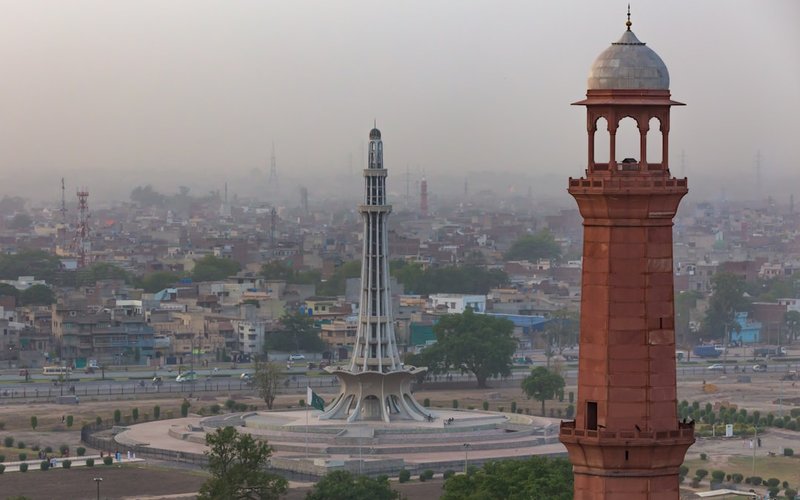
Lahore is Pakistan's second-largest city and its undisputed cultural capital. With a population exceeding 13 million, it sprawls across the Punjab plains along the Indian border. The Mughal-era old city, with its walled gates and the Badshahi Mosque, exists alongside modern commercial districts where global fast-food chains neighbor traditional food stalls.
Research conducted through direct venue visits and local interviews.
There is no conventional nightlife scene in the Western sense. Alcohol is restricted, clubs don't exist, and the concept of "going out" revolves around food. Lahore is famous across Pakistan for its food culture. Late-night dining is the primary social activity, and the city accommodates this with restaurants and street food vendors operating well past midnight.
For visitors seeking drinks, the options are limited to a handful of five-star hotel bars. For social interaction, Gulberg's restaurant strip and the old city's Food Street provide the setting.
Legal Context
Alcohol prohibition applies to all Muslims in Pakistan. Non-Muslim foreigners and Pakistani Christians/Hindus with permits can drink at licensed hotel establishments. The Pearl Continental, Avari Hotel, and Nishat Hotel operate bars that serve foreign guests with passport verification. These venues operate legally and face no enforcement pressure.
Outside hotel premises, alcohol possession is illegal and prosecutable. Don't carry bottles, and don't drink in public spaces, parks, or unlicensed restaurants.
Drug laws are severe. The Control of Narcotic Substances Act carries penalties up to death for trafficking and lengthy imprisonment for possession.
Key Areas
Gulberg. The commercial heart of modern Lahore. MM Alam Road is the main social strip, lined with restaurants, cafes, and commercial plazas. The area's five-star hotels host the city's only legitimate drinking venues.
Defence Housing Authority (DHA). An upscale residential and commercial area south of Gulberg with high-end restaurants and cafes. Y Block and Z Block commercial areas are the main dining destinations. The crowd skews wealthy and Westernized.
Food Street (Gawalmandi). A restored heritage street in the old city near the Badshahi Mosque. The rooftop restaurants offer views of the mosque and Lahore Fort. Busy every evening, packed on weekends. No alcohol, but the food and atmosphere are the draw.
Safety
Lahore's security has improved significantly since the 2010s, but awareness remains necessary.
- Security checkpoints with armed guards are standard at hotels, malls, and major buildings. Carry identification (passport or a photocopy) at all times
- Street crime exists. Phone snatching and pickpocketing happen in crowded areas like Anarkali Bazaar and Lahore Junction
- Traffic is a genuine hazard. Lahore's roads are chaotic, and pedestrians have no right of way in practice
- Use Careem or inDrive for transport. Do not hail random taxis or auto-rickshaws at night
- Protests and political demonstrations can block roads and occasionally turn violent. Monitor local news
- The old city can feel overwhelming. Narrow streets, dense crowds, and aggressive touts are normal. Stay calm and keep moving
- Emergency number is 15 for police, 1122 for Punjab Emergency Service (Rescue)
Cultural Norms
Lahore is relatively liberal by Pakistani standards, but "liberal" here means something very different from what a Western visitor might expect.
- Public displays of affection between men and women are unacceptable. Hand-holding between male friends is normal and carries no romantic connotation
- Dress conservatively. For men, long trousers and a shirt with sleeves are minimum. Shorts attract negative attention
- Women visitors should cover arms and legs. A dupatta (scarf) is appreciated but not required at restaurants and hotels
- Friday is the Islamic holy day. Many businesses close for Friday prayers (roughly 12:30 to 2:30 PM). Respect the quiet
- Ramadan changes everything. No eating, drinking, or smoking in public during daylight hours. Hotel restaurants may serve foreign guests privately, but discretion is expected
- Photography in markets and public spaces is generally fine. Do not photograph women without explicit permission, and avoid photographing military or government buildings
Social Scene
Restaurant culture is Lahore's social backbone. Dinner starts late by South Asian standards, often at 9 or 10 PM, and extends past midnight on weekends. Large group dinners are the norm. The food is exceptional, from old-city hole-in-the-wall kebab shops to upscale modern Pakistani and international cuisines on MM Alam Road.
Hotel bars serve a discreet but regular clientele of foreign business travelers, diplomats, and connected locals. The atmosphere is quiet and lounge-like. Don't expect a party.
Cafe culture has exploded among Lahore's younger generation. Trendy coffee shops and tea houses (Gloria Jean's, Coffee Planet, and local independents) serve as social gathering points, particularly for university students and young professionals. Mixed-gender socializing happens here more openly than almost anywhere else in the city.
Private gatherings are where Lahore's social elite go beyond the public scene. House parties in DHA and Gulberg mansions can involve alcohol, music, and mixed-gender socializing that's invisible from the street. Access requires social connections.
Transportation
- Careem and inDrive: The recommended transport options. Available citywide. Cross-city rides cost PKR 300-800 ($1.10-2.90)
- Orange Line Metro: Lahore's BRT system connects key areas. Useful during the day. Stations near Gulberg and the old city
- Auto-rickshaws: Cheap (PKR 50-200 / $0.18-0.72) but uncomfortable and not recommended at night
- Walking: Possible in Gulberg's commercial areas during the day. Not recommended at night or in the old city without familiarity
- Driving: Lahore's traffic requires local knowledge. Hire a driver if you need a car
Best Times to Visit
- October to March: The best months. Winter evenings are cool and pleasant (15-25C). The outdoor dining and social scene peaks
- April to June: Brutal heat. Temperatures exceed 45C. Social activity moves indoors to air-conditioned venues
- July to September: Monsoon season. Heavy rains flood streets and disrupt transport. Brief but intense storms
- Ramadan (dates shift yearly): Nightlife effectively pauses during daylight but iftar (evening meal) gatherings create their own social scene after sunset
- Basant (spring festival): Officially banned due to kite-flying deaths but sometimes celebrated informally. Check local conditions
Get the Legal Status PDF, 50 countries
Newsletter signup coming soon. Check back shortly.
Flights to Lahore
Compare prices across airlines. Filter by stops, time, and cabin.
Airport transfer to Lahore
Pre-booked transfers cost about the same as a metered taxi but cut out the airport queue, the meter argument, and the "no English" routine that takes some drivers to the wrong address. Fixed price quoted before booking, driver tracks your flight, waits with a name sign at arrivals.
Book a KiwiTaxi transferFrequently Asked Questions
Was this guide helpful?