Old Bazaar
Illegal but Tolerated3/5ModerateDistrict guide to the Old Bazaar in Skopje, one of the oldest and largest bazaars in the Balkans, now home to a growing bar and live music scene set in Ottoman-era stone buildings.

Where to stay near Old Bazaar
Hotels walking distance from the venues on this page.
See places to stay and current pricesTop Spots for a Night Out
What's open and worth your time
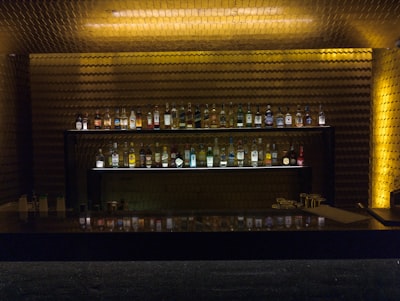
Menada
A popular bar in a restored Ottoman courtyard, known for its outdoor seating, craft cocktails, and relaxed atmosphere that draws a mixed local and expat crowd.
Old Bazaar, Skopje
Old Town Brewery
Skopje's first craft brewery and taproom occupies a converted Ottoman building in the bazaar. The rotating selection of house-brewed beers and the stone courtyard make it a reliable starting point.
Old Bazaar, Skopje
Rakija Bar
A small, focused bar dedicated to North Macedonia's national spirit. Over 40 varieties of rakija line the shelves, and the bartenders guide newcomers through tastings with genuine enthusiasm.
Old Bazaar, Skopje
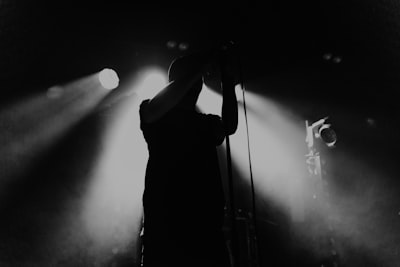
Kolektiv
A live music venue and cultural space in the bazaar that hosts local bands, acoustic sets, and occasional DJ nights. The crowd skews young and creative, drawn by the programming rather than drink specials.
Old Bazaar, Skopje
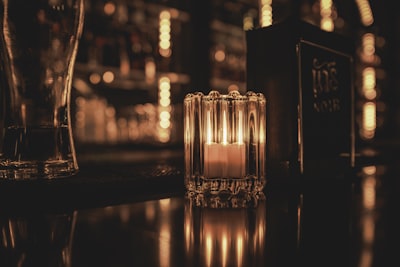
Cafe Bar Jazzin
A cozy lounge tucked into an Ottoman-era building, playing jazz, soul, and blues. The intimate space seats about 40 people, and the cocktail menu borrows from classics without overcomplicating things.
Old Bazaar, Skopje
Overview and Location
The Old Bazaar sits on the north bank of the Vardar River, directly across the Stone Bridge from Skopje's modern city center. It covers roughly 100 hectares and dates to the 12th century, though most surviving structures are from the Ottoman period between the 15th and 17th centuries. The area's narrow cobblestone streets, stone and wood buildings, and mosque minarets create an atmosphere that feels centuries removed from the statue-heavy modern side of the river.
This guide is based on multiple evenings spent in Old Bazaar.
The nightlife zone within the Old Bazaar concentrates along a few key streets radiating from the Mustafa Pasha Mosque and the Suli An caravanserai. Bars and cafes have moved into restored Ottoman buildings, keeping the stone walls and wooden balconies while adding modern lighting and sound. The scene is small, with about a dozen serious venues, but the architecture gives everything an intimacy that purpose-built spaces can't replicate.
Legal Status
The Old Bazaar is a licensed entertainment area operating under Skopje municipal regulations. Venues hold standard bar and restaurant permits. Police presence is oriented toward maintaining public order in what's also a residential and commercial zone. The area has no connection to adult entertainment or sex work; it's a social nightlife district where people come for drinks, music, and conversation.
North Macedonia's laws on prostitution don't intersect with what happens in the Old Bazaar. The scene here is organic socializing in a historically significant setting.
Costs and Pricing
The Old Bazaar is remarkably cheap by European standards. Prices reflect North Macedonia's low cost of living rather than a tourist markup, though some venues near the Stone Bridge charge slightly more.
- Beer (domestic): MKD 80-120 (EUR 1.30-2)
- Beer (imported/craft): MKD 150-250 (EUR 2.50-4)
- Cocktails: MKD 200-400 (EUR 3.25-6.50)
- Rakija: MKD 80-150 per shot (EUR 1.30-2.50)
- Wine (local, by glass): MKD 100-200 (EUR 1.65-3.25)
- Entry: Free at all venues
- Food: MKD 200-600 for bar snacks and traditional plates (EUR 3.25-10)
A full evening of bar-hopping with food costs MKD 1,000-2,000 (EUR 16-33). Two people can eat dinner, drink all night, and take a taxi home for what one cocktail costs in London.
Street-Level Detail
The bazaar comes alive slowly on weekend evenings. By 9 PM, the restaurant terraces fill with diners eating grilled kebapi and shopska salad. Around 10:30 PM, the crowd shifts from eating to drinking, and the bar terraces and courtyards start to buzz. By midnight on Fridays and Saturdays, the main streets hold a steady flow of people moving between venues.
Menada's courtyard is the anchor of the bar scene, drawing a mix of locals and the small expat community. The stone walls keep the space cool on summer nights, and the cocktail menu is well above what you'd expect for the prices. Old Town Brewery sits nearby and pulls in the craft beer crowd, offering house-brewed ales and lagers that change with the seasons. Rakija Bar is exactly what it sounds like, a focused tribute to the Balkans' favorite spirit, and the bartenders take genuine pleasure in walking newcomers through a tasting.
Kolektiv brings live music into the mix, with local bands playing everything from Balkan folk fusion to indie rock. The sound quality is decent for a small venue, and the crowd is engaged rather than just background-drinking. Cafe Bar Jazzin rounds out the scene with a quieter option where the music is the point and conversations happen in the gaps between sets.
Safety
The Old Bazaar's main streets are safe and populated on nightlife evenings. The area has been extensively renovated, and the streets where bars concentrate are well-lit and monitored.
- Stick to the main commercial streets after midnight. The residential side alleys are poorly lit and less populated
- Pickpocketing is a risk in crowded areas, particularly during summer festivals and weekend peak hours
- The bazaar shares space with a working market during the day; the transition zone between commercial and nightlife areas can feel empty during the gap between closing shops and opening bars
- Street dogs are present but generally not aggressive; they're a feature of Balkan cities
- The area around Bit Pazar (the open-air produce market) at the western edge of the bazaar is rougher and best avoided after dark
Cultural Norms
The Old Bazaar reflects Skopje's multicultural identity. You'll hear Macedonian, Albanian, Turkish, and Romani spoken on the same street. The bar crowd skews Macedonian but the bazaar itself is historically a mixed space, and the atmosphere is welcoming to everyone.
Dress code is casual. The Old Bazaar doesn't have the fashion-conscious edge of the City Park clubs. Clean jeans, a decent shirt, and comfortable shoes for cobblestones are all you need.
Ordering rakija is practically a social obligation. Even if you don't love it, trying a glass when offered shows respect for local culture. The homemade stuff served at some traditional kafanas is strong, often 50% ABV or higher.
Smoking is common on outdoor terraces and in some indoor venues despite official bans. If you're sensitive to smoke, check whether a venue enforces its non-smoking area before settling in.
Practical Information
Best nights: Friday and Saturday. Thursday has some activity during the university term. Weeknights are quiet.
Peak hours: 11 PM to 2 AM. Most bars stay open until 1-2 AM. The crowd thins after midnight as some people move to clubs near City Park.
Season: Year-round, but the courtyard and terrace experience peaks from May through September. Winter is cozy in the stone-walled interiors but the scene contracts.
Getting there: Walk across the Stone Bridge from the city center (5 minutes from Ploshtad Makedonija/Macedonia Square). Taxis drop you at the bazaar entrance near the Daut Pasha Hammam for MKD 100-150 from central Skopje.
Moving on: After the bars wind down, the City Park clubs are a 15-minute walk or MKD 150 taxi ride across the river. The two areas complement each other well for a split-evening plan.
Get the Legal Status PDF, 50 countries
Newsletter signup coming soon. Check back shortly.
Related Guides
Skopje Overview
City guide to nightlife in Skopje, covering the Ottoman-era Old Bazaar bar scene, modern clubs near City Park, and practical tips for North Macedonia's capital.
Read guideCity Park Area
District guide to the City Park Area in Skopje, where modern clubs, cocktail lounges, and rooftop bars serve the capital's younger, more cosmopolitan nightlife crowd.
Read guideFrequently Asked Questions
Was this guide helpful?