Hotel Zone
Semi-Legal4/5SafeDistrict guide to the Hotel Zone (Zona Hotelera) in Cancun, the main tourist strip with mega-clubs, beach bars, and resort nightlife.

Where to stay near Hotel Zone
Hotels walking distance from the venues on this page.
See places to stay and current pricesTop Spots for a Night Out
What's open and worth your time
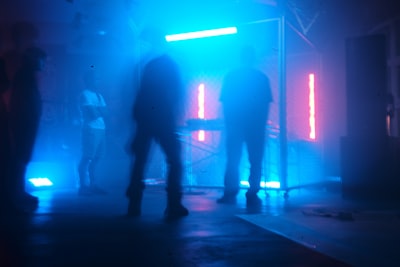
Coco Bongo
A massive entertainment venue combining live acrobatic shows with DJ sets and celebrity impersonators. Cover charges typically include an open bar, and the energy peaks well after midnight.
Blvd. Kukulcan Km 9.5, Zona Hotelera
Dady'O
One of Cancun's longest-running nightclubs, built into a cave-like structure with multiple levels and a large dance floor. It draws a mostly international crowd and runs themed party nights throughout the week.
Blvd. Kukulcan Km 9.5, Zona Hotelera
Mandala
A two-story open-air club on the main party strip with Asian-inspired decor and bottle service options. It pulls a younger crowd and stays packed on weekends during high season.
Blvd. Kukulcan Km 9.5, Zona Hotelera
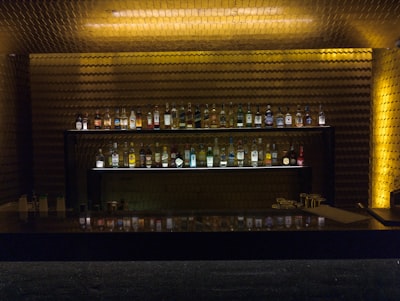
La Vaquita
A loud, neon-lit party bar where the atmosphere leans toward spring break energy year-round. Drinks are cheap by Hotel Zone standards and the staff keeps the crowd moving with drinking games and giveaways.
Blvd. Kukulcan Km 9.5, Zona Hotelera
Señor Frog's
Part of the well-known Mexican chain, this location sits on the lagoon side with a waterfront deck. It functions as a restaurant by day and transitions into a rowdy bar with DJs and yard-long drink specials after dark.
Blvd. Kukulcan Km 9.5, Zona Hotelera
Congo Bar
A smaller open-air bar on the party strip that fills the gap between dinner and the big clubs. Promoters offer discounted entry and drink packages to pull in foot traffic from the boulevard.
Blvd. Kukulcan Km 9, Zona Hotelera
Palazzo
Upscale nightclub positioned as the dressy alternative to the mega-clubs. Enforced dress code, bottle service tables, and a crowd that skews older and better-heeled than the spring break spots.
Blvd. Kukulcan Km 9, Zona Hotelera
The City Nightclub
One of the largest nightclubs in Latin America with capacity for over 5,000 people. Multiple levels, massive LED screens, and a rotation of international DJs and live acts on weekends.
Blvd. Kukulcan Km 9.5, Zona Hotelera
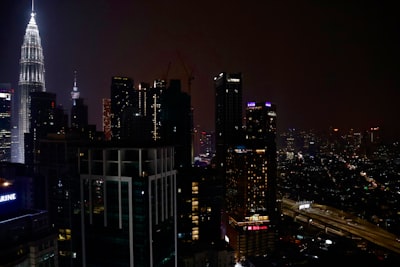
H Roof
Rooftop lounge above the ME Cancun hotel with panoramic lagoon views. DJs spin deep house and chill electronic sets while the cocktail menu leans toward mezcal and tequila-based creations.
Blvd. Kukulcan Km 12, Zona Hotelera
Taboo Beach Club
Beachfront day-to-night venue that transitions from sun loungers and cocktails by the pool into a full party setup after dark. The Saturday pool parties draw a mix of hotel guests and outside visitors.
Blvd. Kukulcan Km 14.5, Zona Hotelera
Carlos'n Charlie's
Part of the national chain, this Hotel Zone location combines a casual dining floor with a second-level party bar. Staff lead drinking games and the atmosphere gets progressively louder past 10 PM.
Blvd. Kukulcan Km 8.5, Zona Hotelera
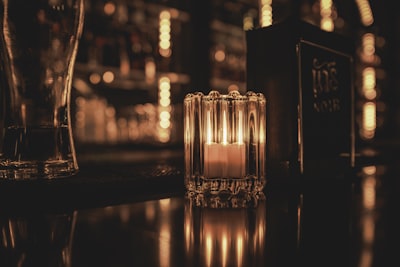
Elefanta
Indian-themed restaurant and lounge on the lagoon side with a terrace overlooking the water. Live DJ sets on weekends blend Bollywood remixes with deep house. The cocktail list features spiced gin and saffron-infused drinks.
Blvd. Kukulcan Km 12.5, Zona Hotelera
Overview and Location
The Hotel Zone (Zona Hotelera) is a 23-kilometer barrier island shaped roughly like the number 7, connected to mainland Cancun by bridges at each end. The island is narrow, often just a few hundred meters wide, with the Caribbean Sea on one side and the Nichupte Lagoon on the other. Nearly the entire strip is lined with resorts, shopping plazas, restaurants, and the mega-clubs that define Cancun's nightlife.
We visited every venue listed below in person.
The nightclub corridor concentrates in the central portion of the zone, roughly between Kilometer 9 and Kilometer 12 along Boulevard Kukulcan. This stretch, anchored by the Forum by the Sea shopping complex, contains the venues that have made Cancun one of Latin America's most recognized party destinations. On a peak night, thousands of people move between clubs that sit within walking distance of each other, and the energy is impossible to miss.
This isn't a subtle scene. Cancun's Hotel Zone nightlife is loud, commercial, and built to process large numbers of tourists. It's also, by Mexican standards, remarkably safe. The tourism revenue that flows through these clubs funds the heavy security presence, and the government's economic interest in protecting the zone is visible on every corner.
The Club Scene
The Hotel Zone's major clubs are concentrated near Forum by the Sea and La Isla Shopping Village. They operate on a scale that most cities can't match.
Coco Bongo is the flagship. Located at Forum by the Sea, it's part nightclub, part Cirque du Soleil-style performance venue. Aerialists, dancers, celebrity impersonators, and confetti cannons operate above and around the crowd while DJs play everything from reggaeton to pop to electronic. The standard open-bar package costs 1,500-2,500 MXN (roughly $85-140 USD) depending on the night and what tier you choose. The Gold Member package includes front-row seating and premium drinks. The venue holds around 2,500 people and regularly fills to capacity on weekends. Doors open at 10:30 PM; the show typically starts around 11:30 PM.
The City (officially "The City Nightclub") sits near Coco Bongo and claims to be one of the largest nightclubs in Latin America, with a capacity exceeding 5,000. The format is more traditional than Coco Bongo: a massive dance floor, DJ booth, VIP tables, and multiple bars spread across several levels. Cover runs 500-1,500 MXN depending on the event and whether drinks are included. Big-name DJs and musical acts perform here regularly. The music leans electronic and reggaeton.
Mandala is a multi-level club with an open-air rooftop and a more upscale atmosphere than some of the larger venues. Cover ranges from 300-800 MXN. It draws a slightly older, better-dressed crowd than the spring break spots. Cocktails run 200-350 MXN.
La Vaquita goes in the opposite direction: it's loud, messy, and deliberately chaotic, with mechanical bulls, foam parties, and drink specials designed to attract the 18-25 crowd. Cover is 300-600 MXN. It's the most "spring break" of the major venues.
Palazzo operates as a nightclub and lounge, positioned as the upscale alternative to the mega-clubs. Dress codes are enforced, the crowd skews older, and the prices match. VIP bottle service starts at roughly 3,000-5,000 MXN.
Beyond the big names, smaller bars and open-air venues line the Boulevard Kukulcan strip. Senior Frog's, a Cancun institution, offers a more casual party atmosphere with games, shots, and crowd participation. Bar crawl packages (500-1,000 MXN) that include entry and drinks at multiple venues are sold by promoters on the street and through hotel concierges.
Safety
The Hotel Zone earns a 4 out of 5 safety rating in this guide, the highest of any area covered in Mexico. The threats here are financial and personal, not violent.
Club overcharging is the most common problem. Cover charges may not match what was quoted outside. Drink packages may have restrictions not explained at purchase. Credit card tabs can include unauthorized additions. VIP bottle service pricing may be unclear until the bill arrives. The safest approach: carry a set amount of cash for the night, leave credit cards at the hotel, and pay for each transaction individually rather than running a tab.
- Drink spiking happens, particularly during spring break and holiday periods. Watch your drink being made and don't accept drinks from strangers
- Credit card fraud is a risk at any venue where your card leaves your sight. Paying cash eliminates this
- Promoters on the street sell bar crawl packages and club entry. Some are legitimate, some charge more than the venue's door price, and some include conditions (like drink minimums) not mentioned during the pitch. Buy directly at venue doors when possible
- Beach safety at night: The Caribbean side has strong currents, and the beach is poorly lit after dark. Drownings occur every year, often involving intoxicated swimmers. Don't go in the water after drinking
- Petty theft happens in crowded venues. Phone snatching and pickpocketing increase in packed clubs. Use a front pocket or a money belt
- The lagoon side of the zone is quieter, darker, and occasionally sees opportunistic crime. Stick to the Caribbean-facing side and the main boulevard
Violent crime targeting tourists in the Hotel Zone is rare. The military, federal police, and private security presence is heavy, and the economic incentive to protect the tourism zone is enormous. That said, Cancun has experienced periodic spikes in cartel-related violence in other parts of the city, and the Hotel Zone isn't entirely immune to spillover events.
Cultural Context
The Hotel Zone is, by design, an artificial environment. It was built in the 1970s as a planned tourism development on what was previously an uninhabited barrier island. Almost nothing about the zone reflects organic Mexican culture. The restaurants serve international menus, the clubs play global hits, and the staff speak English as a default.
This isn't necessarily a criticism. The Hotel Zone does what it's designed to do: provide a safe, accessible, all-inclusive vacation environment. But visitors who want to experience Mexico rather than a beach resort should cross the bridge into downtown Cancun, where the culture, food, and social dynamics are genuinely Mexican.
Dress codes matter at the major clubs. No flip-flops, no tank tops, no swimwear. Business casual or club wear is the standard after dark. The dress code is enforced more strictly at upscale venues like Palazzo and more loosely at party spots like La Vaquita.
Best Times
- Thursday through Saturday: Peak nightlife. Clubs are open other nights but significantly quieter
- 10:30 PM to 4 AM: The main window. Most clubs open around 10:30 and run until the early morning
- Spring break (March): Maximum chaos. The clubs are packed, prices are highest, and the crowd skews very young. If that's your scene, this is when to come. If it's not, avoid March
- December through February: High season. Crowds are large but more varied in age and nationality than spring break
- May through June: Shoulder season. Prices drop, crowds thin, and the weather is still good despite occasional afternoon rain
- September and October: Hurricane season peaks. Some venues reduce hours, and weather can disrupt plans
Getting Around
- Walking: The club corridor between Km 9 and Km 12 is walkable. Beyond that, the Hotel Zone's 23-km length requires transport
- R1 and R2 buses: Public buses run the full length of the zone along Boulevard Kukulcan for 12 MXN. They operate until late at night and are the cheapest way to move between distant parts of the strip
- Uber: Works in the Hotel Zone, though taxi union tensions occasionally cause issues. Generally reliable and costs 50-100 MXN for trips within the zone
- Hotel Zone taxis: Regulated but expensive. Always confirm the fare before getting in. A ride within the zone can cost 150-300 MXN, significantly more than Uber
- From downtown Cancun: Uber costs 80-150 MXN. The R1 bus takes about 30 minutes and costs 12 MXN
What Not to Do
- Do not run a tab on a credit card at any nightclub. Pay cash per transaction
- Do not leave drinks unattended or accept drinks from strangers
- Do not swim in the ocean at night or while intoxicated
- Do not buy drugs from anyone in or around the clubs. Dealers may be working with police, and the product may be dangerous
- Do not follow promoters to "after-parties" in unfamiliar locations
- Do not assume that the Hotel Zone's safety extends to the rest of Cancun. Downtown and outlying areas have different risk profiles
- Do not wear flip-flops or beachwear to the clubs at night; you'll be turned away
- Do not engage with anyone who appears underage. Mexican and international authorities enforce age-of-consent laws strictly in tourist areas
- Do not get into fights. Club security is not sympathetic to tourists, and a night in a Cancun jail is an experience nobody wants
Get the Legal Status PDF, 50 countries
Newsletter signup coming soon. Check back shortly.
Related Guides
Frequently Asked Questions
Was this guide helpful?