Gemmayzeh & Mar Mikhael
Legal & Regulated2/5RiskyDistrict guide to Gemmayzeh and Mar Mikhael in Beirut, the heart of Lebanon's nightlife strip with bars, clubs, and live music venues along Armenia Street.
Where to stay near Gemmayzeh & Mar Mikhael
Hotels walking distance from the venues on this page.
See places to stay and current pricesAfter Dark
Sorted by rating and popularity
B018
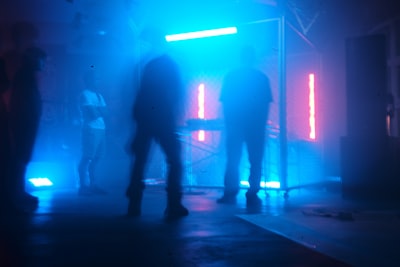
Legendary underground bunker club built into a war memorial. The roof retracts at dawn. Beirut's most iconic nightlife venue since 1998, known for techno, house, and marathon DJ sets.
Quarantina, Beirut
The Garten
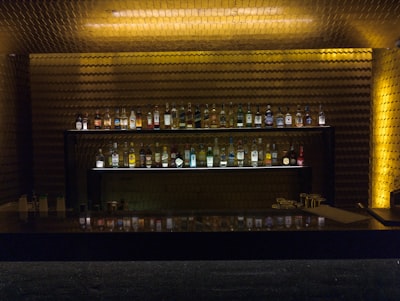
Open-air garden bar in Mar Mikhael with craft cocktails, relaxed seating, and a mixed crowd. One of the first venues to reopen after the explosion. Cocktails $8-12.
Armenia Street, Mar Mikhael
Internazionale
Compact neighborhood bar on Mar Mikhael's main strip. Strong cocktail program, Italian-influenced snack menu, and a loyal local following. Cash preferred.
Armenia Street, Mar Mikhael
Torino Express
Standing-room bar roughly the size of a train car. Italian aperitivo style with Negronis and Aperol spritzes. Popular pre-dinner and early evening stop. Gets packed fast.
Armenia Street, Mar Mikhael
Dragonfly
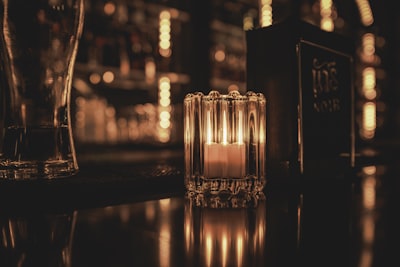
Cocktail lounge with Asian-inspired decor and a menu of inventive drinks. Attracts a stylish crowd. Seats fill by 10 PM on weekends. Cocktails $10-15.
Gemmayzeh Street, Beirut
Capitole
Multi-room club in a converted cinema. House and techno on the main floor, hip-hop in the side room. Cover $20-30 on weekends. Draws Beirut's party crowd after midnight.
Gemmayzeh, Beirut
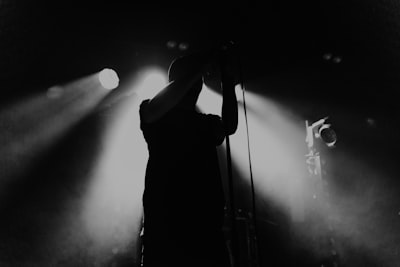
Demo
Live music venue and bar hosting local and regional acts. Indie rock, electronic, and Arabic alternative music. Cover $5-15 depending on the act. Small capacity creates an intense atmosphere.
Mar Mikhael, Beirut
Overview and Location
Gemmayzeh and Mar Mikhael form Beirut's primary nightlife corridor. The two neighborhoods sit side by side in east Beirut, running roughly east from the city center toward the port area. Gemmayzeh Street and Armenia Street (the Mar Mikhael main road) together create about two kilometers of continuous bars, restaurants, and small clubs packed into ground-floor spaces of old Ottoman and French Mandate-era buildings.
Prices confirmed through direct visits in March 2026.
This district has a complicated recent history. Mar Mikhael sits close to the port, and the August 2020 explosion shattered the neighborhood. Windows blew out, ceilings collapsed, and dozens of venues were destroyed. The reconstruction has been remarkable but incomplete. You'll see renovated bars next to still-damaged buildings. That contrast defines the area today.
On a busy weekend night, the strip fills with a mix of Lebanese locals, expats, and the small but persistent tourist crowd. The energy is real. People spill onto sidewalks with drinks in hand. Music bleeds from open doorways. It feels alive in a way that carries extra weight given what this neighborhood has survived.
Legal Status
Bars and clubs in Gemmayzeh and Mar Mikhael operate with standard commercial licenses. Municipal enforcement of closing hours has been lax since the economic crisis began. Most venues stay open past their official closing time without consequence.
There is no licensed adult entertainment in the district. The nightlife here is conventional: bars, clubs, restaurants, and live music venues. Any sexual commerce in the area operates informally and outside legal structures. Police presence in the district focuses on general security rather than vice enforcement.
The Internal Security Forces (ISF) maintain a visible presence on weekends, particularly along Armenia Street. Their primary concern is preventing altercations and managing traffic, not policing nightlife behavior.
Costs and Pricing
Most venues price in US dollars. Some accept Lebanese pounds at the current market rate, but dollars are preferred and simpler. Credit cards work at established venues. Cash is king everywhere else.
Beer runs $4-8 depending on the venue. Local Almaza beer sits at the lower end. Imported bottles cost more. Cocktails range from $8-15 at standard bars, $12-18 at upscale lounges. Wine is surprisingly good in Lebanon, with local bottles from Ksara, Chateau Musar, and Massaya available for $20-40 per bottle at bars.
Club entry on weekends costs $15-30 and typically includes one or two drinks. Some venues waive cover for women or before a certain hour. Bottle service starts around $150 for standard spirits and climbs steeply for premium labels.
Street food near the strip is cheap. A shawarma sandwich costs $2-3. Manoushe (Lebanese flatbread with cheese or zaatar) runs $1-2 at bakeries open late into the night. A sit-down dinner on the strip costs $25-40 per person before drinks.
Street-Level Detail
Gemmayzeh Street runs through the older, more established half of the district. Buildings here date from the Ottoman and French Mandate periods, with high ceilings and stone facades. Bars occupy the ground floors with apartments above. The street is narrow, one lane for traffic and slim sidewalks that disappear when crowds appear. Thursday through Saturday nights see the street effectively become pedestrian by default as people take over the road.
Armenia Street is Mar Mikhael's spine. It's wider than Gemmayzeh Street and more recently developed as a nightlife destination. The bars here trend slightly younger and more experimental. You'll find natural wine bars next to dive-style pubs next to cocktail lounges. The bombing damage is still visible in spots, with some storefronts boarded up or under renovation between active venues.
Side streets and stairs. Several narrow alleys and staircases connect the main streets to the neighborhoods above and below. A few host small bars and pop-up venues. Exploring these on foot is part of the experience, but stick to streets with visible activity after midnight.
The strip's flow. A typical night starts at the western (Gemmayzeh) end around 9 PM with dinner and early drinks, then moves east along Armenia Street as the evening progresses. The clubs at the eastern end of the strip fill after midnight. By 2 AM the whole corridor is active. Things wind down between 3 and 5 AM depending on the night.
Safety
Gemmayzeh and Mar Mikhael are relatively safe within the context of Beirut's broader security situation. The density of people on weekend nights provides natural safety through numbers. However, context matters.
- The 2020 explosion's effects linger. Some buildings have structural damage. Watch for uneven sidewalks and construction zones, particularly on side streets
- Power outages happen without warning. Venues run generators, but streets may go dark. A phone flashlight or small torch is useful
- Petty theft increases with crowds. Keep your phone and wallet secure. Don't leave bags unattended at bars
- The port area east of Mar Mikhael is largely deserted and should be avoided at night
- Arguments at bars occasionally escalate. Leave any situation that feels tense rather than engaging
- Use Uber or Bolt to get home. Walking alone outside the active bar strip after midnight is inadvisable
- Emergency services respond slowly. The number is 112 but don't expect fast arrival times
- Keep your embassy's emergency contact saved in your phone
Cultural Norms
Gemmayzeh and Mar Mikhael sit in a predominantly Christian area of Beirut. Alcohol flows freely and social norms are liberal by Middle Eastern standards. You'll see mixed-gender groups, public affection between couples, and attitudes toward dress and behavior comparable to southern Europe.
- Dress well. The Lebanese put effort into their appearance for a night out. Smart casual is the baseline. Shorts and flip-flops won't get you refused entry, but you'll feel underdressed
- Greetings involve cheek kisses (three, alternating sides) between friends and acquaintances. Handshakes for new introductions
- Buying rounds is standard social practice. Reciprocate when someone buys you a drink
- The Lebanese are direct and curious. Expect questions about where you're from and what you do. Conversation comes easily here
- Don't discuss the civil war, sectarian politics, or regional conflict unless you're invited to. These topics carry weight you may not appreciate as an outsider
- Smoking is extremely common, both inside and outside venues. Enforcement of indoor smoking bans is essentially nonexistent
Practical Information
Getting there. From Hamra or west Beirut, a taxi costs $5-8. From the airport, expect $20-30. Uber and Bolt provide the most reliable and fairly priced rides. There is no metro or tram.
Best times. Thursday, Friday, and Saturday nights are busiest. The strip starts waking up around 8-9 PM with dinner crowds. Bars fill from 10 PM. Clubs don't get going until midnight or later. Sunday through Wednesday is quieter but several bars remain open.
Seasonal patterns. Summer (June through September) is peak season. Rooftop and outdoor venues extend capacity. Winter pushes everything indoors but the scene doesn't stop. December and January have holiday-driven energy.
Phone and internet. Most venues have WiFi. Mobile data works on Lebanese networks (Alfa and Touch), though speeds can be slow. Buy a local SIM at the airport for roughly $20.
Closing times. Official closing varies, but in practice most bars stay open until 2-3 AM on weekends. Clubs run until 4-5 AM. After-hours spots exist but operate quietly and require local knowledge to find.
Nearby. Achrafieh, the neighborhood above Gemmayzeh, has restaurants and wine bars with a quieter atmosphere. The Sursock Museum area is worth a daytime visit. The rebuilt downtown (Solidere) is a 10-minute walk west and has a few upscale options, though it feels sterile compared to the organic energy of the main strip.
Get the Legal Status PDF, 50 countries
Newsletter signup coming soon. Check back shortly.
Frequently Asked Questions
Related Guides
Beirut Overview
City guide to nightlife in Beirut, covering Gemmayzeh, Mar Mikhael, Hamra, safety conditions, and practical tips for a city rebuilding between crises.
Read guideHamra
District guide to Hamra in Beirut, the university quarter's nightlife scene with dive bars, live music, and a cultural edge shaped by decades as Lebanon's intellectual center.
Read guideWas this guide helpful?